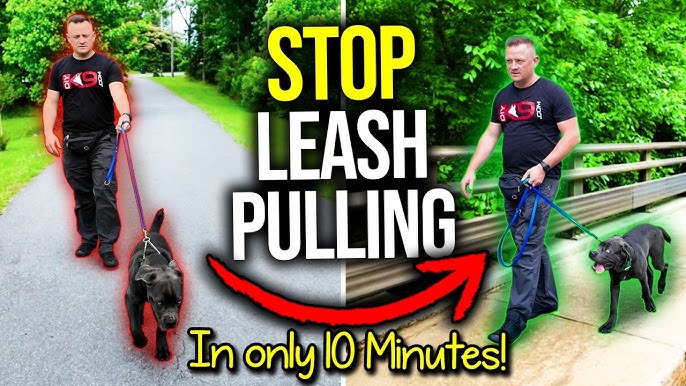
Does your dog turn every walk into a tug-of-war match? If you’re tired of being pulled down the street or struggling to keep control, you’re not alone.
Learning how to stop your dog from pulling on the leash can make walks more enjoyable and safe for both of you. You’ll discover simple, effective tips that anyone can use—no matter your dog’s size or breed. Keep reading, because the freedom of calm, relaxed walks is closer than you think.
Reasons Dogs Pull On Leash
Understanding why your dog pulls on the leash is key to changing this behavior. It’s not just stubbornness or mischief. Several reasons, from natural instincts to emotional responses, drive dogs to pull during walks.
Natural Instincts
Dogs are wired to explore their surroundings. Their noses lead them to new scents, and their curiosity pushes them forward.
Some breeds have stronger instincts to chase or hunt, making leash pulling almost automatic. Have you noticed how your dog suddenly lunges toward a squirrel or another dog? That’s instinct in action.
Lack Of Training
Without clear guidance, your dog doesn’t know the rules of walking nicely on a leash. If pulling hasn’t been addressed early, it becomes a habit.
Training teaches your dog to pay attention to you instead of distractions. Think about how a simple “heel” command can shift your dog’s focus from the world around them to your side.
Excitement And Anxiety
Some dogs pull because they’re excited to explore or meet new people. Their energy bursts out, and pulling is a way to express it.
On the flip side, anxiety can also cause pulling. A nervous dog may try to escape or move away from unfamiliar sounds or sights, pulling harder to get to safety.
Choosing The Right Equipment
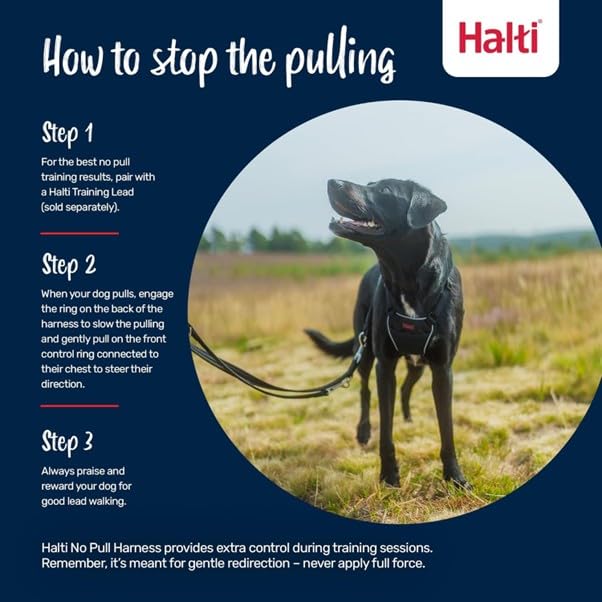
Choosing the right leash and harness helps control your dog’s pulling. A front-clip harness reduces pulling by redirecting movement gently. Proper equipment makes walks safer and more comfortable for both of you.
Choosing the right equipment is crucial when you’re trying to stop your dog from pulling on the leash. The right gear not only ensures your dog’s safety but also enhances your overall walking experience. It can make a world of difference in managing your dog’s behavior.Types Of Leashes
Different leashes offer different levels of control. A standard 6-foot leash is ideal for most walks, providing enough room for movement while keeping control manageable. Retractable leashes, although popular, can encourage pulling and are less effective for training purposes. Consider a double-handle leash for more control in high-traffic areas. They offer a second handle closer to your dog, allowing you to reel them in quickly. This feature can be a game-changer if your dog suddenly lunges.Harness Options
A well-fitted harness can significantly reduce pulling. Front-clip harnesses redirect your dog’s attention to you whenever they try to pull. This helps in teaching them that pulling won’t lead them forward. Back-clip harnesses are great for smaller dogs or those that don’t pull excessively. However, they might not be effective if your dog is a strong puller. Test out which harness suits your dog’s size and pulling habits best.Collars Vs. Head Halters
Choosing between a collar and a head halter depends largely on your dog’s temperament and training needs. Collars are standard but often offer less control over pulling behaviors. Head halters, on the other hand, provide more steering control. They guide your dog’s head, making it easier to redirect their attention. While some dogs may initially resist wearing a head halter, patience and positive reinforcement can help them adjust. What equipment works best for you and your dog? Remember, consistency and patience with the right gear will lead to more enjoyable walks for both of you.Basic Training Techniques
Basic training techniques form the foundation for stopping your dog from pulling on the leash. These methods teach your dog how to walk calmly beside you. Consistent practice builds good habits and strengthens your bond. Simple, clear steps make training easier for both you and your dog.
Teaching Loose Leash Walking
Start by holding the leash with a relaxed grip. Keep the leash short but loose, allowing your dog to walk beside you. If your dog pulls, stop walking immediately. Wait until the leash is slack again before moving forward. This teaches your dog that pulling will not get them anywhere. Praise your dog for staying close and walking calmly.
Using Positive Reinforcement
Reward your dog for good leash behavior with treats or praise. Positive reinforcement encourages your dog to repeat the desired actions. Use small, tasty treats to keep your dog interested. Give rewards often at first, then slowly reduce them. Your dog will learn that walking nicely brings rewards.
Stopping And Starting
Use stopping and starting to control pulling. When your dog pulls, stop walking right away. Stand still and wait for your dog to calm down and loosen the leash. Then, start walking again. Repeat this every time your dog pulls. This teaches your dog to pay attention and stay close during walks.
Advanced Training Tips
Advanced training can make a huge difference in stopping your dog from pulling on the leash. It’s about refining your approach and adding new challenges that keep your dog focused. These tips will help you build better communication with your dog and create a more enjoyable walking experience for both of you.
Changing Direction
Changing direction suddenly can be a powerful way to catch your dog’s attention. When your dog starts to pull, turn around and walk the other way. This unexpected move teaches your dog that pulling doesn’t get them where they want to go.
Try mixing up the pace and direction frequently during your walk. This keeps your dog engaged and prevents them from zoning out or getting too excited. Have you noticed how your dog reacts when you switch directions? Their focus will sharpen as they learn to stay close to you.
Timeouts For Pulling
If your dog pulls, stop walking immediately and stand still. This timeout shows your dog that pulling slows things down instead of speeding them up. It’s a clear and simple consequence that many dogs quickly understand.
Keep these timeouts short but consistent—just a few seconds is enough to make the point. Over time, your dog will connect calm walking with moving forward. What happens if you ignore pulling? Usually, your dog thinks pulling works and keeps doing it.
Increasing Distraction Levels
Once your dog walks well with you in quiet areas, it’s time to add distractions. Practice in busier places or near other dogs and people. This challenges your dog’s focus and builds stronger leash manners.
Start with mild distractions and gradually increase difficulty. Use treats and praise to reward your dog for staying by your side. Have you noticed how your dog’s behavior changes when there are more distractions? Consistent practice helps your dog ignore distractions and stay attentive to you.
Consistency And Patience
Stopping your dog from pulling on the leash requires both consistency and patience. Training does not happen overnight. It takes regular effort and calm persistence to see real change. Dogs learn best when rules stay the same every day. Patience helps you stay calm and keep training positive, even when progress feels slow.
Setting Realistic Goals
Start with small, clear goals for each walk. For example, focus on walking without pulling for one minute. Then increase time gradually. Setting achievable goals keeps training simple and less frustrating. It helps your dog understand what you expect. Celebrate small wins to stay motivated and build confidence.
Daily Practice
Practice leash training every day, even for a few minutes. Regular sessions build habits faster. Short, frequent walks teach your dog how to behave on a leash. Repeat commands and rewards consistently. This repetition helps your dog learn faster. Daily practice also strengthens your bond with your dog.
Managing Owner Behavior
Your actions affect your dog’s behavior a lot. Stay calm and patient during walks. Avoid pulling back hard on the leash. Use gentle corrections and rewards. Dogs respond better to calm, steady owners. Keep your tone positive and encouraging. Your patience sets the tone for your dog’s training success.

Credit: www.amazon.ca
Dealing With Specific Challenges
Dealing with leash pulling can become more complicated when specific challenges come into play. Different reasons behind your dog’s pulling require different approaches. Understanding these challenges helps you tailor your training and improve your walks together.
Pulling Due To Fear
When your dog pulls because they are scared, it’s not about excitement or energy—it’s about anxiety. These dogs often lunge or bolt to escape what frightens them. Have you noticed your dog stiffen or try to dart away when they see strangers or loud noises?
To help, stay calm and steady. Use a gentle voice and avoid yanking the leash, which can increase fear. Try stopping and waiting for your dog to relax before moving forward. Reward calm behavior with treats or praise. Over time, your dog will learn that walking calmly means safety.
High-energy Breeds
High-energy dogs can be the most challenging walkers because they want to explore everything at once. Simply asking them to “heel” might feel impossible some days. Have you ever felt worn out before your walk even started?
Before the walk, give your dog a chance to burn off energy through play or short training sessions. During the walk, use frequent changes in pace and direction to keep their focus on you. Carry treats to reward moments when they walk nicely. This approach turns the walk into a mental and physical workout, reducing pulling.
Walking With Multiple Dogs
Walking more than one dog doubles the challenge of leash pulling. Each dog might have different triggers and pulling reasons. Have you tried managing two strong pullers on separate leashes at the same time?
Use equipment that helps control pulling, like front-clip harnesses. Keep the dogs close to you and practice commands with each dog separately before walking them together. If one dog starts pulling, stop and get their attention before moving forward. This keeps the walk calm and prevents the pulling from escalating.
Additional Tips For Calm Walks
Keeping your dog calm on walks helps make outings more enjoyable. Small changes in routine and behavior can reduce pulling. Focus on creating a peaceful environment for your dog. These extra tips support a calm and controlled walk every time.
Pre-walk Exercise
Give your dog some exercise before the walk. Play fetch or let them run in the yard. This helps use up extra energy that might cause pulling. A tired dog is less likely to pull on the leash.
Timing And Route Choices
Choose quieter times to walk your dog. Avoid busy streets or crowded parks. Pick routes with fewer distractions like other dogs or loud noises. A calm environment helps your dog stay focused and relaxed.
Rewarding Calm Behavior
Give treats or praise when your dog walks without pulling. Stop walking if your dog pulls and only move forward when calm. Use positive rewards to encourage good leash manners. This teaches your dog calm walking is the best way to get attention and rewards.
Credit: www.amazon.ca

Credit: www.reddit.com
Frequently Asked Questions
How Can I Stop My Dog From Pulling On The Leash?
Use consistent training with positive reinforcement. Teach your dog to walk beside you. Use treats to reward good behavior. Stop walking if your dog pulls. This teaches your dog that pulling won’t get them where they want.
What Type Of Leash Is Best For Pulling Dogs?
A front-clip harness or head halter works best. These tools discourage pulling by redirecting your dog’s attention. Avoid retractable leashes as they encourage pulling. Proper equipment combined with training leads to better leash manners.
How Long Does It Take To Train A Dog Not To Pull?
Training time varies but usually takes weeks. Consistent daily sessions of 10-15 minutes help. Patience and positive reinforcement speed up learning. Avoid rushing; gradual progress ensures lasting good behavior.
Can Exercise Reduce Leash Pulling In Dogs?
Yes, regular exercise helps reduce leash pulling. A well-exercised dog is calmer and less reactive. Provide daily physical activity before walks to lower energy. This makes leash training easier and more effective.
Conclusion
Stopping your dog from pulling takes patience and practice. Consistent training helps your dog learn to walk nicely. Use gentle corrections and rewards to guide good behavior. Keep walks calm and fun for both of you. Remember, small steps lead to big progress.
Enjoy the time spent together on every walk. Your dog will soon walk calmly by your side. Trust the process and stay positive. Good leash manners make walks safer and more pleasant. Keep trying—you and your dog can do this!

Emily Barker is the founder of ChillDogLife.com, a space dedicated to helping pup parents discover the best dog products, lifestyle tips, and cozy ideas for happier homes.
A lifelong dog lover, Emily combines her passion for pets with a knack for research to share trusted recommendations on everything from toys and furniture to health and everyday care.
Her goal is simple: to make life easier, stylish, and more joyful for dogs and the people who love them.




