If you want your walks with your dog to be safer and more comfortable, using a dog harness is a smart choice. But how do you make sure you’re using it the right way?
Getting it wrong can lead to discomfort for your dog or even cause problems during your strolls. You’ll discover simple, step-by-step tips to put on and adjust your dog’s harness perfectly. Once you know how, every walk will feel easier and more enjoyable—for both you and your furry friend.
Keep reading to learn how to make the most out of your dog harness today.
Choosing The Right Harness
Choosing the right harness for your dog is essential to ensure comfort, control, and safety during walks. A well-fitted harness can prevent injuries and make outings more enjoyable for both you and your furry friend. Let’s break down what you need to consider to find the perfect match for your dog’s needs.
Types Of Dog Harnesses
There are several types of harnesses designed to serve different purposes. Some common styles include:
- Back-clip harness:The leash attaches on the dog’s back, great for casual walks but not ideal for dogs that pull.
- Front-clip harness:The leash attaches on the chest, which helps reduce pulling and gives you more control.
- Dual-clip harness:Offers both front and back leash attachment points, providing versatility.
- Step-in harness:Easy to put on, especially for wiggly dogs, as they step into the harness rather than it going over the head.
Think about your dog’s behavior and walking style—does your dog pull or get distracted easily? This will guide you towards the right harness type.
Measuring Your Dog
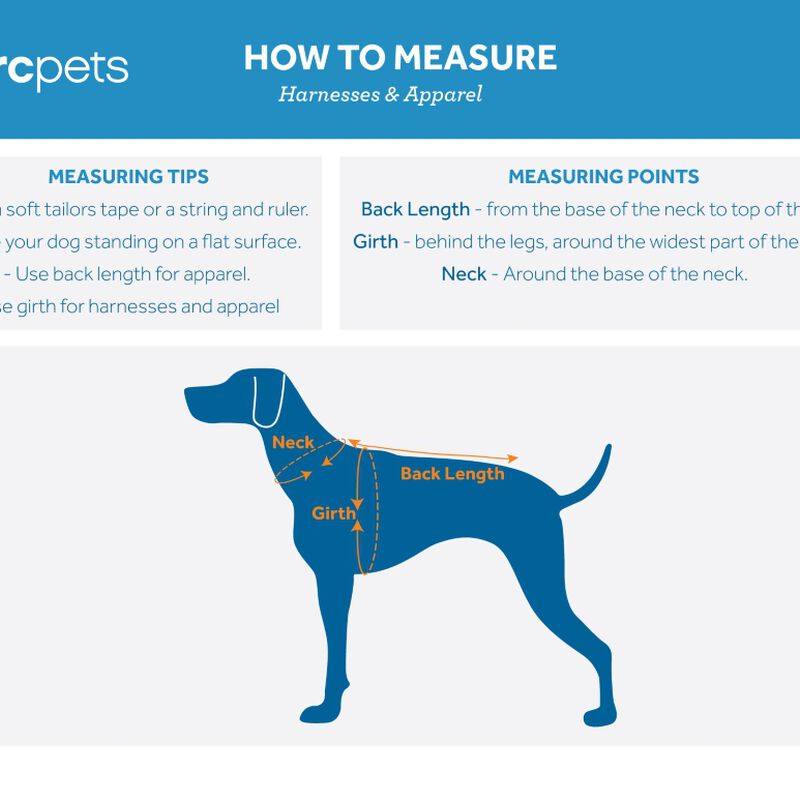
Size matters when it comes to harnesses, and an accurate fit is crucial. Use a flexible measuring tape to measure around your dog’s chest, just behind the front legs, and around the neck where the collar usually sits.
Always check the manufacturer’s sizing chart before buying. A harness that’s too tight can cause discomfort, while one that’s too loose can allow your dog to slip out. Have you noticed your dog trying to escape from collars or harnesses? Correct sizing can solve that problem.
Material And Durability
The material of the harness affects both comfort and longevity. Nylon is lightweight and affordable but may wear out faster with active dogs. Leather offers durability and a classic look but can be stiff initially.
For dogs that spend a lot of time outdoors, waterproof and breathable materials like neoprene can prevent chafing. Consider your dog’s activity level and the climate you live in. What material would keep your dog comfortable during every walk?
Fitting The Harness
Ensure the harness fits snugly but not tight around your dog’s chest and shoulders. Adjust straps for comfort, allowing two fingers to fit between the harness and skin. Check for any rubbing or pinching before walks.
Fitting the Harness Ensuring your dog's harness fits perfectly is crucial for both comfort and safety. An ill-fitted harness can cause discomfort, restrict movement, or even lead to injuries. The key is to spend a little extra time adjusting the harness correctly.Adjusting Straps For Comfort
Begin by gently slipping the harness over your dog’s head or around their body, depending on the design. Adjust the straps so they sit snugly but not too tight. You should be able to slide two fingers between the strap and your dog’s body. Once, I adjusted my dog’s harness a bit too tight, thinking it would be more secure. I quickly realized it restricted his movement and made him uneasy. Always prioritize your dog’s comfort.Checking For Proper Fit
After adjusting, ensure the harness doesn’t shift around too much. If it slides, it might be too loose. Check if any part of the harness is rubbing against your dog’s skin, especially under the arms. A great trick is to take a short walk around the house. Observe if your dog seems comfortable and if the harness stays in place. This small test can save you from potential issues on a longer walk.Avoiding Common Fit Issues
Some common issues include chafing, slipping, or your dog backing out of the harness. To prevent these, ensure every strap is adjusted to fit your dog’s unique shape. Avoid assuming one-size-fits-all; each dog is different. Have you ever noticed red marks on your dog’s skin? This might indicate the harness is too tight or not suitable for your dog’s body type. Always be vigilant and check regularly for signs of discomfort. By investing a little time in fitting the harness properly, you can ensure your furry friend stays happy and safe on every adventure. Happy walking!Putting The Harness On
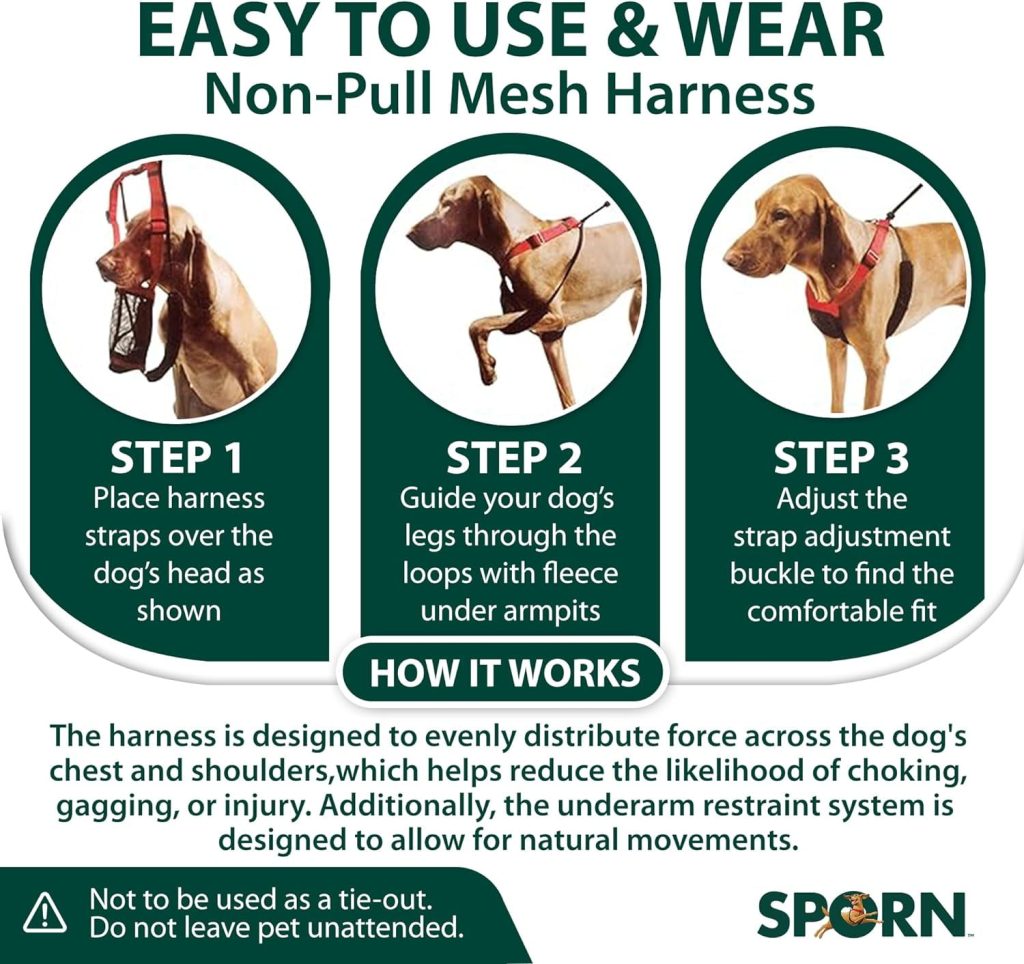
Putting a dog harness on can be quick and simple. The right approach helps your dog feel calm and comfortable. It also ensures the harness fits well and stays secure during walks. This section shows clear steps to put the harness on, ways to soothe nervous dogs, and key safety checks before heading out.
Step-by-step Guide
- Hold the harness and let your dog see it first.
- Place the harness over your dog’s head gently.
- Slide your dog’s front legs through the harness openings.
- Adjust the straps to fit snugly but not tight.
- Clip the buckles securely in place.
- Check if your dog can move freely without slipping out.
Tips For Anxious Dogs
Use treats to reward your dog during the process. Speak softly to keep your dog calm. Let your dog sniff the harness before putting it on. Try the harness on for short times at first. Practice indoors before going outside. Pat your dog gently to build trust.
Safety Checks Before Walks
- Ensure all buckles are fastened properly.
- Check that the harness fits snugly but is not tight.
- Make sure no straps are twisted or pinching your dog’s skin.
- Test the leash attachment point for strength.
- Observe your dog’s comfort and behavior.
- Double-check the harness after any rough play or pulling.
Credit: www.businessinsider.com
Walking With The Harness
Walking your dog with a harness can change your daily strolls for the better. It offers more control and comfort compared to collars, especially for dogs that pull or have respiratory issues. Understanding how to make the most of the harness during walks will improve both your experience and your dog’s behavior.
Leash Attachment Points
Most dog harnesses have multiple leash attachment points, usually on the back and front. The back attachment is great for casual walks, giving your dog freedom to explore without too much restriction.
The front attachment, often located on the chest, helps manage pulling by redirecting your dog’s movement toward you. Try switching between these points depending on how your dog behaves during walks.
Have you noticed your dog pulling more when attached at the back? Using the front clip might help reduce that. Experiment and see which works best for your dog’s walking style.
Encouraging Good Behavior
Positive reinforcement plays a big role when your dog adjusts to the harness. Praise your dog when they walk calmly by your side or respond to your commands.
Carry treats or a favorite toy to reward good behavior on the spot. This immediate feedback helps your dog connect the harness with positive experiences.
Keep your walks short and enjoyable in the beginning. If your dog seems uncomfortable or distracted, take a break and try again later.
Handling Pulling And Tugging
Pulling is a common challenge, but a harness can help you manage it effectively. Use the front leash clip to gently steer your dog back toward you when they pull ahead.
Try stopping your walk the moment your dog pulls, then resume only when they return to your side. This teaches them that pulling doesn’t get them where they want to go.
Be consistent with your corrections and rewards. Over time, your dog will learn that walking calmly is the best way to enjoy the outing together.
Maintaining The Harness
Keeping your dog’s harness in good shape is key to ensuring comfort and safety during every walk. A well-maintained harness lasts longer and stays effective, preventing unexpected wear or breakage. Taking a few moments to care for it properly can save you from hassle and keep your dog happy.
Cleaning And Care
Regular cleaning removes dirt, sweat, and odors that build up with use. Most harnesses can be hand-washed with mild soap and warm water. Avoid harsh detergents that might irritate your dog’s skin or damage the materials.
Rinse thoroughly to remove all soap residue, then air dry away from direct sunlight. Machine washing is sometimes possible but check the manufacturer’s instructions first. Spot clean any stubborn stains between full washes to keep the harness looking fresh.
When To Replace The Harness
Inspect your harness frequently for signs of wear such as frayed straps, broken buckles, or stretched fabric. If you notice any damage, replace the harness immediately to avoid risking your dog’s safety.
Does your harness fit your dog as well as it used to? Dogs grow or change weight, so a harness that once fit perfectly might become uncomfortable or unsafe over time. If adjustments no longer secure your dog comfortably, it’s time for a new one.
Storage Tips
Store the harness in a cool, dry place when not in use. Avoid leaving it in damp areas or under heavy objects that might deform its shape. Hanging it on a hook or placing it flat helps maintain its structure.
Consider keeping your dog’s harness separate from other gear to prevent tangling or damage. Do you have a designated spot for your pet’s essentials? Creating one can make your routine smoother and protect the harness better.

Credit: www.amazon.ca
Credit: www.renspets.com
Frequently Asked Questions
What Are The Benefits Of Using A Dog Harness?
A dog harness offers better control and reduces strain on your dog’s neck. It prevents choking and is safer for walks. Harnesses are ideal for training and for dogs that pull or have respiratory issues.
How Do I Properly Fit A Dog Harness?
Measure your dog’s chest and neck before buying a harness. It should be snug but not tight. You must be able to fit two fingers between the harness and your dog’s body for comfort and safety.
Can A Dog Harness Help With Leash Pulling?
Yes, a harness can reduce leash pulling by distributing pressure evenly. Front-clip harnesses are especially effective for training dogs to walk calmly without pulling.
How Do I Put A Harness On My Dog Correctly?
Place the harness over your dog’s head, then secure the chest strap behind the front legs. Adjust straps for a snug fit. Ensure it doesn’t rub or restrict movement to keep your dog comfortable.
Conclusion
Using a dog harness helps keep your pet safe and comfortable. It gives you better control during walks. Choose the right size and fit for your dog. Always check the harness for wear and tear. Practice putting it on and taking it off gently.
Regular use makes your dog feel secure and happy. Enjoy your walks with confidence and peace of mind. A good harness makes a big difference every day. Try different styles until you find the perfect match. Your dog will thank you for it!

Emily Barker is the founder of ChillDogLife.com, a space dedicated to helping pup parents discover the best dog products, lifestyle tips, and cozy ideas for happier homes.
A lifelong dog lover, Emily combines her passion for pets with a knack for research to share trusted recommendations on everything from toys and furniture to health and everyday care.
Her goal is simple: to make life easier, stylish, and more joyful for dogs and the people who love them.




