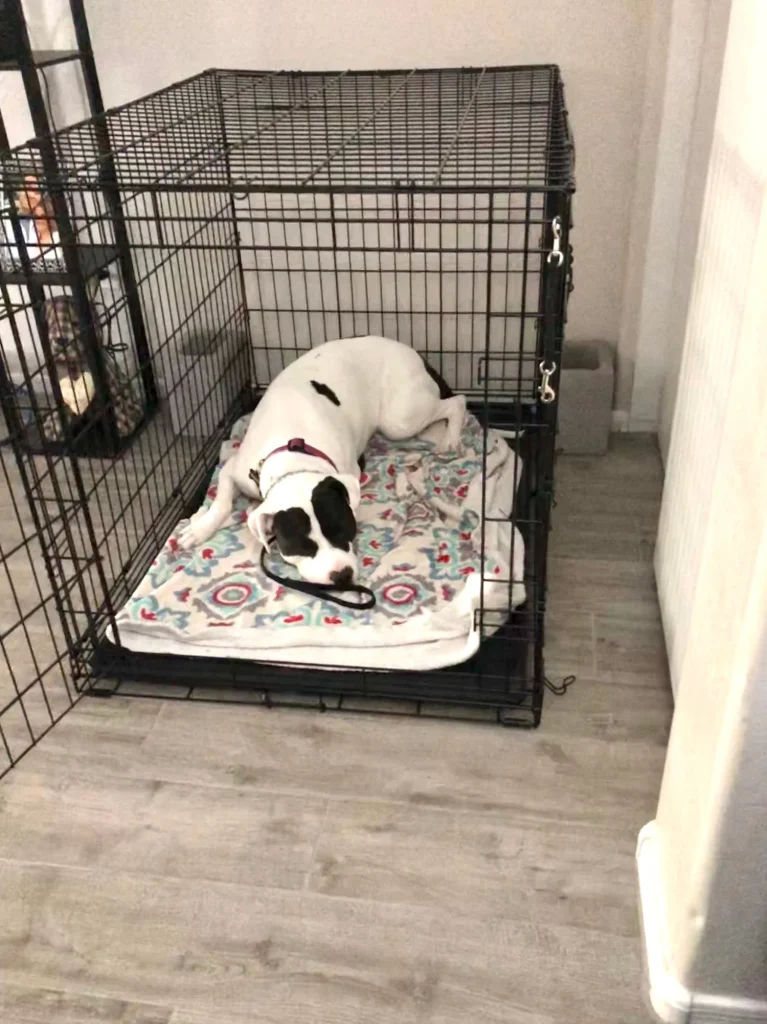
Have you ever wondered how long your dog can safely stay in a crate? If you’re like many pet owners, you want to give your furry friend a cozy space but worry about leaving them in there too long.
Getting this right is key to keeping your dog happy and healthy. You’ll discover the ideal crate times for dogs of all ages and sizes. By the end, you’ll feel confident knowing exactly how to use the crate without causing stress or discomfort to your pet.
Keep reading to learn the simple rules that can make a big difference for your dog’s well-being.
Ideal Crate Duration
Knowing the ideal crate duration is key to keeping your dog comfortable and happy. Crates are great for safety and training, but leaving your dog inside too long can cause distress or health issues. The right amount of time depends on several factors including your dog’s age, breed, size, and activity level.
Age-based Time Limits
Puppies need more frequent breaks than adult dogs. Very young puppies shouldn’t stay in a crate for more than an hour or two at a time because they can’t hold their bladder well. As they grow, you can gradually increase crate time, but never exceed more than 3-4 hours during the day for dogs under six months.
Adult dogs can usually handle 4 to 6 hours comfortably. Senior dogs may need shorter periods, especially if they have health issues. Ask yourself: how often does your dog need bathroom breaks? This helps you set realistic crate limits.
Breed And Size Considerations
Smaller breeds often have less bladder control and may need shorter crate stays. Larger breeds, especially those with slower metabolisms, might tolerate longer crate times but require ample space inside the crate to stretch and move comfortably.
For example, a Chihuahua may only handle 2-3 hours, while a Labrador Retriever could manage 4-6 hours. You should also think about your dog’s comfort—does your dog have enough room to turn around and lie down comfortably? If not, reduce the time accordingly.
Activity Level Impact
Active dogs with lots of energy need more frequent breaks and playtime outside the crate. If your dog is used to running or long walks, a long crate session can lead to restlessness or anxiety.
On the other hand, calmer or older dogs may be fine with longer crate times. Consider how much exercise your dog gets daily and balance crate time with active periods. Have you noticed your dog pacing or whining after crating? That’s a sign to shorten crate duration and add more activity.

Credit: thejeera.com
Health Effects Of Crating
Dogs should not stay in crates for more than a few hours at a time to avoid stress and discomfort. Long crate periods can cause muscle stiffness and anxiety. Regular breaks help keep dogs healthy and happy.
Crating your dog can be a practical solution for managing their safety and your peace of mind. However, excessive crating can lead to various health effects that may not be immediately noticeable. Understanding these effects is crucial for ensuring your dog’s overall well-being.Physical Health Risks
Extended periods in a crate can lead to physical issues like muscle atrophy and joint stiffness. Dogs, much like humans, need to move to maintain their physical health. An overly crated dog may gain weight due to inactivity, leading to obesity-related problems.Mental Wellbeing Factors
Dogs are social creatures that thrive on interaction. Being confined for too long can lead to feelings of isolation and loneliness. Imagine if your social life was restricted to just a few hours a day—how would you feel?Signs Of Stress And Anxiety
Watch for signs that your dog is stressed or anxious about being crated. These can include excessive barking, whining, or attempts to escape. If you notice these behaviors, it might be time to rethink how often your dog is crated.Crate Training Tips
Crate training can be a game-changer for both you and your dog, but it requires patience and the right approach. Setting up your dog for success starts with how you introduce the crate and the techniques you use to make it a positive space. Are you ready to create a safe haven your dog will actually want to spend time in?
Introducing The Crate
Let your dog explore the crate at their own pace. Leave the door open and place their favorite toys or treats inside to spark curiosity.
Don’t force your dog inside. Instead, sit nearby and praise them when they show interest. This helps build a positive connection with the crate from the start.
Positive Reinforcement Strategies
Reward your dog every time they enter or stay calmly in the crate. Use treats, gentle petting, or soothing words as incentives.
If your dog whines or scratches to get out, avoid giving attention immediately. Wait until they are quiet before rewarding calm behavior. This teaches them that the crate is a peaceful place.
Gradual Time Increase
Start with short crate sessions of just a few minutes. Slowly add more time as your dog becomes comfortable.
Check your dog often for signs of stress or discomfort. If they seem uneasy, shorten the crate time and try again later.
How long can your dog stay in the crate without feeling stressed? Watching their reactions closely will help you find the right balance.

Credit: www.care.com
Alternatives To Long Crating
Long periods in a crate can be tough on dogs. Offering alternatives helps keep them happy and healthy. These options reduce stress and give dogs a chance to move and explore safely. Variety in their routine makes a big difference in their well-being.
Exercise And Playtime
Regular exercise is essential for a dog’s physical and mental health. Short walks and play sessions break up long crate times. Playing fetch or tug builds strong bonds and burns energy. Exercise helps dogs stay calm and relaxed later.
Safe Spaces Outside The Crate
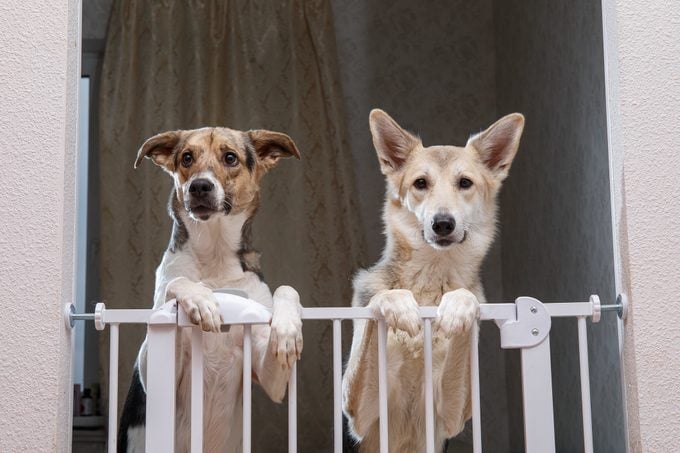
Create a cozy, secure area outside the crate for your dog. Use baby gates or playpens to give freedom but keep safety. Add soft bedding and water to make it inviting. This space lets dogs move while still feeling protected.
Interactive Toys And Tools
Interactive toys keep dogs busy and mentally sharp. Puzzle feeders challenge their minds and slow down eating. Chew toys and treat-dispensing balls provide fun distractions. These tools reduce boredom and prevent destructive behavior.
Emergency Situations
Emergency situations call for temporary crate use beyond usual limits. Dogs may need to stay in crates for safety or control during short, unexpected events. Understanding how long your dog can handle crate time in these moments helps prevent stress or harm. Keep crate time as short as possible and ensure your dog’s comfort with water, toys, and breaks.
Travel And Vet Visits
Travel and vet visits often require crating for hours. Dogs feel safer in crates during car rides or waiting rooms. Limit crate time to no more than 4 hours. Offer water and bathroom breaks before and after travel. Bring familiar toys or blankets to reduce anxiety.
Overnight Stays
Some emergencies require overnight crate stays. Use a large crate that allows stretching and turning around. Provide water and a comfortable bed inside. Let your dog out first thing in the morning. Avoid leaving your dog crated all night without breaks.
Unplanned Absences
Unplanned absences might force crate time longer than usual. Arrange for a trusted friend or pet sitter to check on your dog. Provide plenty of water, toys, and a cozy crate setup. Keep crate time under 6 hours to avoid distress. Plan to return as soon as possible.
Common Mistakes To Avoid
Caring for a dog in a crate requires attention to detail. Many pet owners make mistakes that affect their dog’s comfort and well-being. Understanding common errors helps create a safe and happy crate experience.
These mistakes can cause stress or harm. Avoiding them keeps your dog healthy and calm during crate time.
Overusing The Crate
Leaving a dog in the crate for too long harms their physical and mental health. Dogs need breaks to stretch, exercise, and relieve themselves. Long hours inside the crate can cause anxiety and restlessness. Use the crate for short periods only. Balance crate time with play and outdoor walks.
Ignoring Behavioral Signs
Dogs show signs when they feel uncomfortable or scared in the crate. Barking, whining, or scratching can mean distress. Ignoring these signs worsens their anxiety. Pay attention to your dog’s behavior and respond quickly. Adjust crate time or provide comfort to ease their stress.
Improper Crate Size
A crate too small limits movement and causes discomfort. A crate too large may make the dog treat one corner as a bathroom. Choose a crate that fits your dog’s size perfectly. It should allow standing, turning, and lying down comfortably. The right size supports good crate habits.
Credit: www.rd.com
Frequently Asked Questions
How Long Can A Dog Stay In A Crate Safely?
Dogs should not stay in a crate for more than 4-6 hours daily. Puppies require shorter periods, around 2-3 hours. Extended crating can cause stress and discomfort. Always ensure dogs have breaks for exercise, bathroom, and social interaction.
Can Puppies Stay In A Crate Overnight?
Yes, puppies can stay in a crate overnight but usually up to 6-8 hours. Young puppies may need bathroom breaks during the night. Make sure the crate is comfortable and in a quiet area to help them sleep well.
What Are Signs A Dog Is Uncomfortable In A Crate?
Signs include whining, barking, scratching, excessive drooling, and attempts to escape. Restlessness and pacing also indicate discomfort. If these occur, reduce crate time and improve crate conditions. Proper crate training helps dogs feel secure and relaxed.
How To Gradually Increase Crate Time For Dogs?
Start with short periods of 10-15 minutes and slowly increase duration. Use treats and toys to create positive associations. Monitor the dog’s behavior and avoid sudden long confinement. Gradual training reduces anxiety and builds crate tolerance.
Conclusion
Dogs need time outside the crate to stretch and play. Crates should not keep dogs locked too long. Short breaks help them stay happy and healthy. Watch your dog’s behavior for signs of stress. A comfortable crate makes rest time safe and calm.
Balance crate time with walks and attention daily. This keeps dogs feeling loved and secure. Remember, crates are tools, not cages. Use them wisely for your dog’s best care.

Emily Barker is the founder of ChillDogLife.com, a space dedicated to helping pup parents discover the best dog products, lifestyle tips, and cozy ideas for happier homes.
A lifelong dog lover, Emily combines her passion for pets with a knack for research to share trusted recommendations on everything from toys and furniture to health and everyday care.
Her goal is simple: to make life easier, stylish, and more joyful for dogs and the people who love them.




