Are you thinking about neutering your male dog but unsure if it’s the right choice? Understanding the benefits of neutering can help you make a confident decision for your furry friend’s health and happiness.
From improving behavior to protecting your dog from serious health issues, neutering offers more than you might expect. Keep reading to discover how this simple procedure can make a big difference in your dog’s life—and why it might be the best gift you can give him.
Credit: southeastoakvillevet.ca
Health Benefits
Neutering a male dog brings many health benefits that improve his quality of life. It helps prevent serious medical problems and supports long-term well-being. The process lowers the risk of infections and diseases that affect reproductive organs. Here are some key health advantages of neutering your male dog.
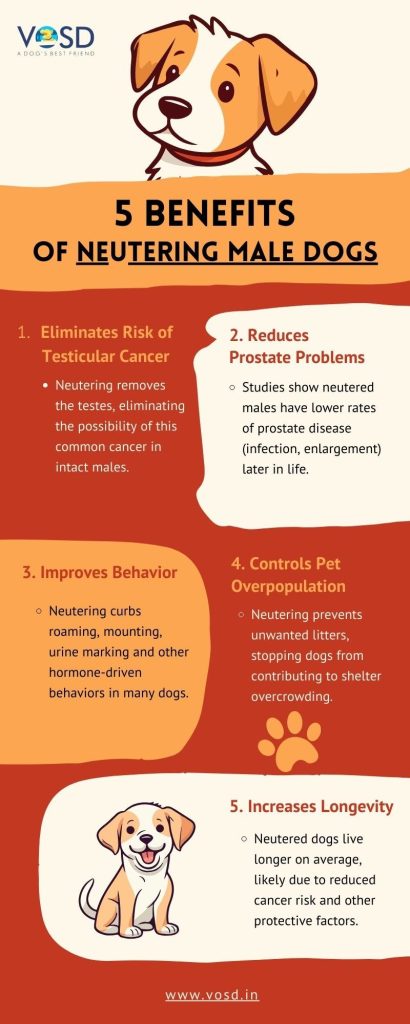
Reduced Risk Of Prostate Issues
Neutering reduces the chance of prostate diseases in male dogs. The prostate gland often enlarges with age, causing pain and difficulty urinating. Neutered dogs have a much lower risk of developing prostate infections and tumors. This helps your dog stay comfortable and active for longer.
Prevention Of Testicular Cancer
Removing the testicles eliminates the risk of testicular cancer completely. This cancer is common in unneutered male dogs and can be life-threatening. Neutering acts as a simple and effective way to prevent this disease and protect your dog’s health.
Lowered Chance Of Certain Diseases
Neutered dogs have a reduced risk of some hormone-related illnesses. These include perianal tumors and hernias. The surgery also helps prevent unwanted behaviors linked to hormones, reducing stress and injury. Overall, neutering supports a healthier, longer life for your dog.

Credit: www.reddit.com
Behavioral Improvements
Neutering your male dog can bring noticeable changes to his behavior. These improvements not only make your pet more manageable but also enhance the quality of life for both of you. Understanding these changes helps you make informed decisions about your dog’s health and well-being.
Decreased Aggression
Neutering often reduces aggressive tendencies in male dogs. Testosterone can fuel dominance and territorial behavior, which may lead to fights or biting. After neutering, many owners notice their dogs become less confrontational and more tolerant of other pets and people.
Have you ever experienced a sudden shift in your dog’s mood after neutering? That calmer, less aggressive attitude can make daily walks and interactions much safer and more enjoyable.
Reduced Marking And Roaming
Male dogs frequently mark their territory by urinating on furniture, walls, or outdoor areas. Neutering lowers the drive to mark, helping keep your home cleaner. It also decreases the urge to roam in search of a mate, which reduces the risk of accidents or getting lost.
If your dog used to escape your yard regularly, neutering might be the key to keeping him safely close to home.
Calmer Temperament
Neutered dogs tend to have a calmer and more focused temperament. Without the influence of certain hormones, they can be less excitable and easier to train. This calmness makes it easier for you to build a strong, positive bond with your pet.
Imagine having a dog that listens better and responds with less hyperactivity—how would that change your daily routine?
Population Control
Population control plays a vital role in managing the number of dogs in communities. Neutering male dogs helps reduce the chances of unplanned breeding. This practice supports responsible pet ownership and contributes to healthier animal populations.
Preventing Unwanted Litters
Neutering stops male dogs from fathering puppies. This prevents accidental litters that owners may not be ready for. It lowers the number of homeless puppies born each year. Without neutering, a single male dog can produce many offspring, increasing stray populations.
Impact On Shelter Overcrowding
Neutering reduces the number of dogs entering animal shelters. Fewer unwanted puppies mean fewer animals waiting for homes. Shelters often struggle with space and resources. Lower intake helps shelters care better for the dogs they already have.
Credit: zigly.com
Considerations And Timing
Timing matters when deciding to neuter a male dog. It affects his health and behavior. Careful planning ensures the best outcome for your pet. Understanding the right age and possible risks helps in making a wise choice.
Ideal Age For Neutering
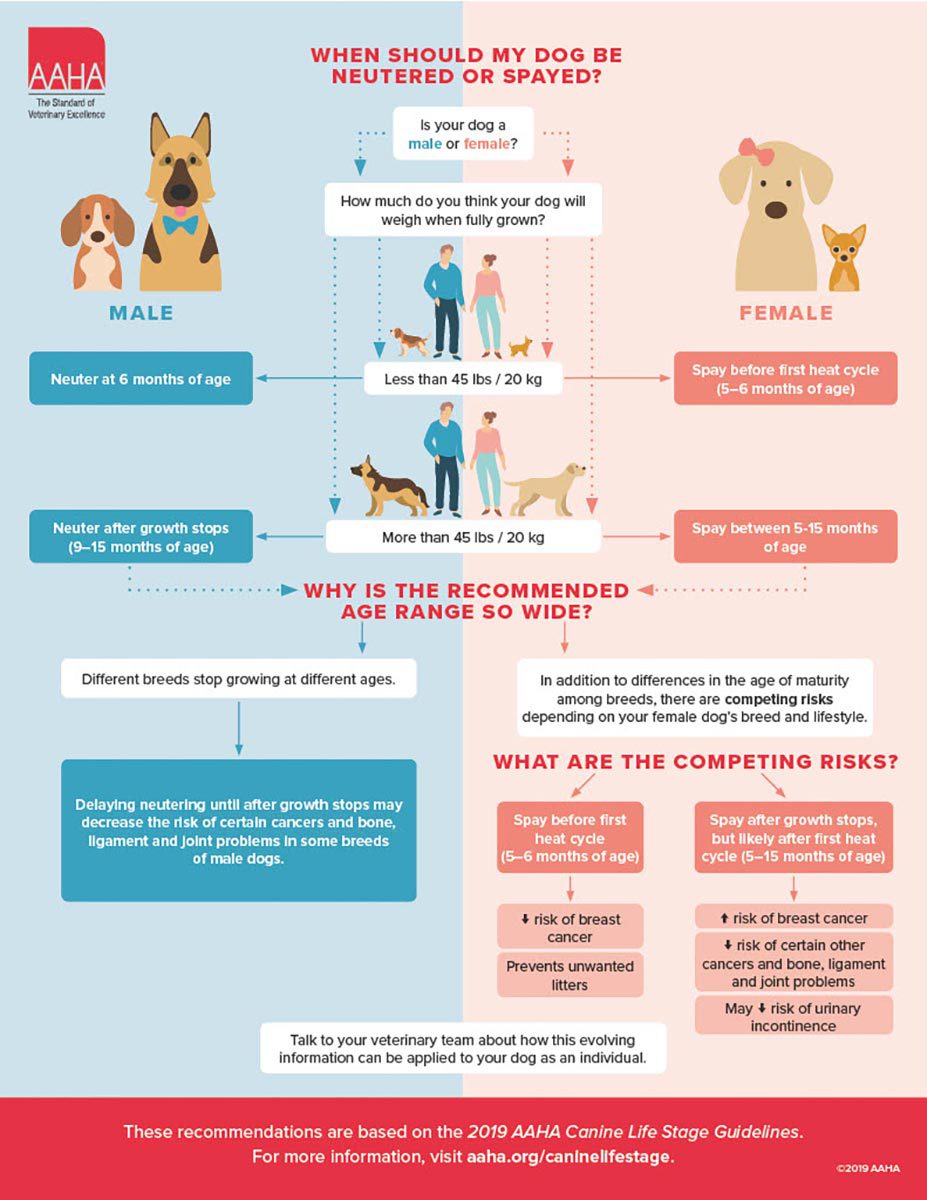
The best time to neuter varies by breed and size. Small breeds often neuter earlier, around 6 months old. Large breeds may benefit from waiting until 12 to 18 months. This allows proper bone growth and development.
Early neutering can prevent unwanted behaviors like marking and aggression. It also lowers the chance of certain cancers. Veterinarians recommend discussing your dog’s specific needs before scheduling surgery.
Potential Risks And Side Effects
Neutering is generally safe but has some risks. Common side effects include swelling, bruising, or mild pain. These usually go away within a few days.
Rare risks involve infection or reaction to anesthesia. Long-term risks may include weight gain and changes in energy levels. Regular exercise and proper diet help manage these effects.
Discussing your dog’s health history with the vet is important. This reduces risks and ensures a smooth recovery.
Myths Vs Facts
Deciding to neuter your male dog often brings up many questions and concerns. There’s a lot of information floating around—some true, some not. Understanding the difference between myths and facts can help you make the best choice for your furry friend.
Common Misconceptions
Many people believe neutering will make their dog lazy or overweight. While activity levels might change slightly, exercise and diet control are the real factors that affect weight.
Some worry neutering will alter their dog’s personality, making them less playful or protective. In reality, most dogs remain just as loving and energetic after the procedure.
Another common myth is that neutering is unnecessary if the dog is kept indoors. But even indoor dogs can develop behaviors driven by hormones, such as marking or aggression.
- Neutering causes laziness and weight gain — False
- Neutering changes your dog’s personality drastically — False
- Indoor dogs don’t need to be neutered — False
Scientific Evidence
Research shows neutering reduces the risk of certain cancers, like testicular cancer, by nearly 100%. It also lowers the chance of prostate problems in male dogs.
Studies confirm neutered dogs tend to be less aggressive and less likely to roam. This means fewer chances of accidents or fights with other animals.
Veterinarians agree that neutering helps control the pet population, reducing the number of unwanted puppies and shelter overcrowding.
| Benefit | Scientific Finding |
|---|---|
| Reduced cancer risk | Significantly lowers testicular and prostate cancer rates |
| Behavioral improvements | Less aggression and roaming tendencies |
| Population control | Prevents unwanted litters, easing shelter burdens |
Have you noticed any changes after neutering your dog? Sharing your experience can help others see the real impact beyond the myths.
Frequently Asked Questions
Why Neuter A Male Dog?
Neutering a male dog reduces aggressive behaviors and prevents unwanted litters. It can also decrease the risk of certain health issues, like testicular cancer and prostate problems. Neutered dogs are often calmer and less prone to roaming. This can lead to a more harmonious household and community environment.
What Age Should A Male Dog Be Neutered?
The ideal age to neuter a male dog is typically between six and nine months. However, it’s best to consult with your veterinarian, as individual factors like breed and health can influence the timing. Early neutering can help prevent behavioral issues and health concerns.
Does Neutering Affect A Dog’s Behavior?
Yes, neutering often reduces aggressive and territorial behaviors in male dogs. It can also decrease their urge to roam in search of mates. Many owners find neutered dogs to be more affectionate and easier to manage. However, individual results can vary, and training remains crucial for good behavior.
Can Neutering Improve A Dog’s Health?
Neutering can significantly improve a dog’s health by reducing the risk of testicular cancer and prostate diseases. It can also lead to a longer, healthier life by preventing certain infections. Additionally, neutered dogs are less likely to develop hormone-related issues, leading to overall improved well-being.
Conclusion
Neutering a male dog brings many health and behavior benefits. It lowers the risk of certain cancers and infections. Neutered dogs often show less aggression and fewer unwanted behaviors. It also helps reduce pet overpopulation. The procedure supports your dog’s long-term well-being.
Choosing to neuter shows care and responsibility. It can lead to a happier, healthier pet life. Consider these benefits for your dog’s future. Simple steps can make a big difference in their health and happiness.

Emily Barker is the founder of ChillDogLife.com, a space dedicated to helping pup parents discover the best dog products, lifestyle tips, and cozy ideas for happier homes.
A lifelong dog lover, Emily combines her passion for pets with a knack for research to share trusted recommendations on everything from toys and furniture to health and everyday care.
Her goal is simple: to make life easier, stylish, and more joyful for dogs and the people who love them.




