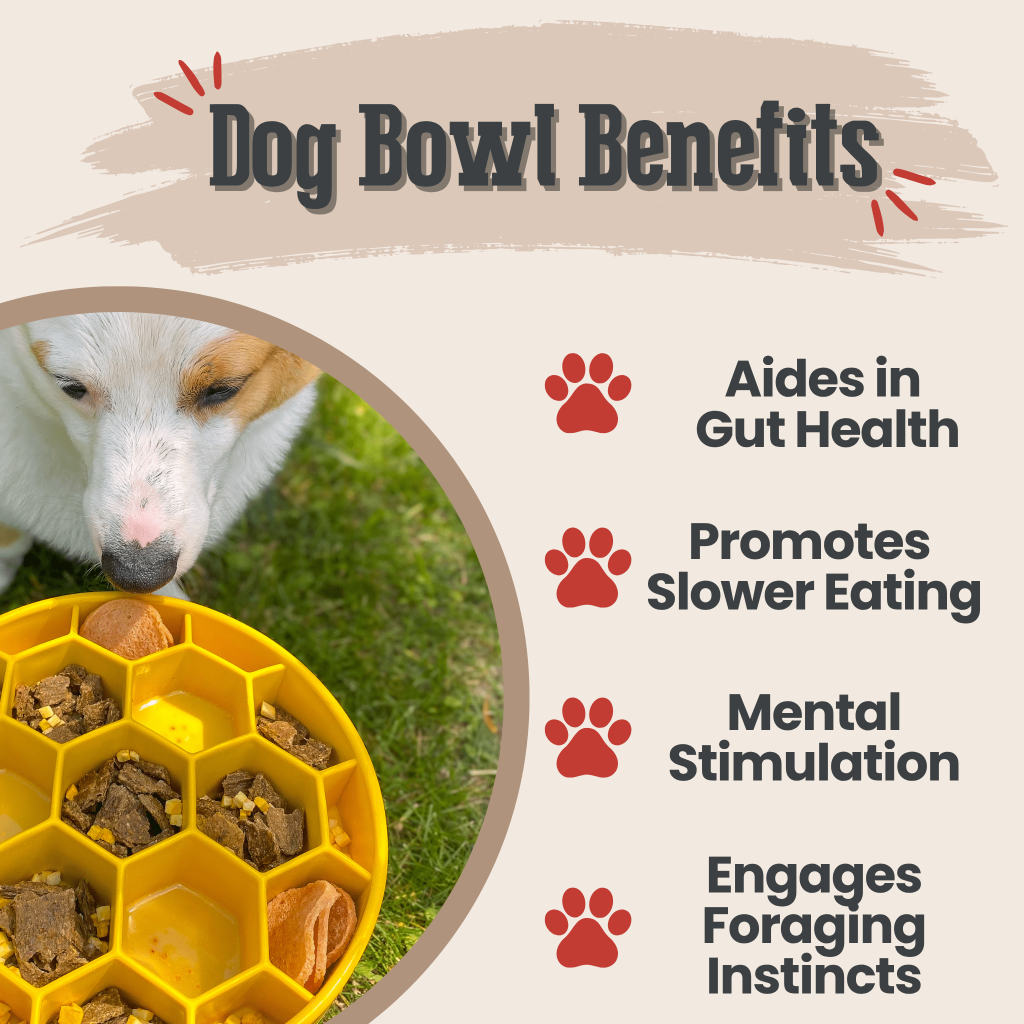
Are you worried that your dog eats too fast and then seems uncomfortable or sick? A slow feeder dog bowl could be the simple fix you need.
By slowing down your dog’s eating pace, you can help improve their digestion, prevent choking, and even reduce anxiety. Imagine your furry friend feeling calmer and healthier after every meal. Curious how this one change can make such a big difference?
Keep reading to discover the surprising benefits a slow feeder dog bowl can bring to your pet’s life—and yours.

Credit: www.brightkins.com
Health Benefits Of Slow Feeding
Slow feeding offers key health benefits for dogs. It controls the pace at which dogs eat. This helps their body process food better and stay healthy. Using a slow feeder dog bowl supports this natural process. It leads to improved digestion, lowers health risks, and boosts nutrient use.
Improved Digestion
Eating slowly allows dogs to chew their food more thoroughly. This breaks food into smaller pieces. It makes it easier for the stomach to digest. Slow feeding also reduces swallowing of air, which can upset the stomach. A calm eating pace helps the digestive system work smoothly.
Reduced Risk Of Bloat
Bloat is a serious condition where the stomach fills with gas and twists. Fast eaters are at higher risk of bloat. Slow feeder bowls slow down eating speed. This lowers the chance of swallowing excess air. It also prevents the stomach from expanding too quickly, reducing bloat risk.
Better Nutrient Absorption
Slow feeding gives the body time to absorb nutrients well. Food broken down in small parts releases nutrients gradually. This steady release helps the intestines absorb vitamins and minerals. The result is better nutrition and more energy for your dog.
Credit: wefeedraw.com
Behavioral Advantages
Choosing a slow feeder dog bowl does more than just improve your pet’s eating speed. It also brings notable behavioral advantages that can positively affect your dog’s overall well-being. These benefits help create a calmer, more balanced mealtime experience for both you and your furry friend.
Prevention Of Food Aggression
Dogs often develop food aggression when they feel the need to guard their meals from others. A slow feeder bowl naturally slows down eating, giving your dog time to feel secure and less rushed. This reduces the urge to protect their food aggressively.
When your dog isn’t gulping food down in seconds, they are less likely to snap or growl around meal times. Have you noticed changes in your dog’s behavior when feeding pace slows? This simple tool can make a big difference in peaceful feeding habits.
Encourages Mindful Eating
Slow feeder bowls force dogs to focus on each bite instead of devouring their food. This creates a mindful eating habit, which can improve digestion and prevent overeating. Dogs become more aware of their food and the satisfaction it brings.
Mindful eating also strengthens the bond between you and your pet. Watching your dog eat calmly can be satisfying and help you notice any changes in appetite or health early on. Could slowing down your dog’s meal time help you understand their needs better?
Reduces Anxiety During Meals
Fast eaters often show signs of stress, such as panting or nervous pacing, while eating. Slow feeder bowls ease this anxiety by making meal time less frantic. Your dog can enjoy their food in a relaxed manner.
Less anxiety means fewer digestive issues and a happier pet overall. If your dog seems tense during meals, switching to a slow feeder bowl might be the simple fix you need. How much calmer could your dog feel with a slower pace?
Physical Benefits For Dogs
Choosing the right feeding bowl for your dog can have a significant impact on their physical health. Slow feeder dog bowls are designed to control the pace at which your dog eats, which can lead to several physical benefits. These benefits go beyond just feeding habits and touch on important health aspects like weight and dental care.
Weight Management
Slow feeder bowls help prevent your dog from gulping down food too quickly. This reduces the chances of overeating because your dog feels full sooner. Eating slowly allows your pet’s brain to register fullness, helping you avoid weight gain issues.
If your dog tends to eat too fast and then asks for more food, a slow feeder bowl can change that behavior. It encourages mindful eating, which supports maintaining a healthy weight. Have you noticed how your dog behaves after meals? Using a slow feeder might be the key to better portion control.
Enhanced Dental Health
Eating too fast often means less chewing, which can lead to plaque buildup and poor dental health. A slow feeder bowl forces your dog to chew their food more thoroughly. This extra chewing action naturally cleans teeth and massages gums.
Dogs with better dental health are less likely to develop painful gum diseases or bad breath. You might find that your vet visits become less focused on dental issues once you switch to a slow feeder bowl. How often do you check your dog’s teeth? Paying attention to this can improve their overall well-being.
Choosing The Right Slow Feeder Bowl
Choosing the right slow feeder dog bowl matters for your pet’s health and comfort. The perfect bowl can slow eating without causing frustration. It should fit your dog’s size and eating style. Durability and ease of cleaning also play important roles. The right design encourages slower meals and prevents spills. Consider these factors to pick the best bowl for your furry friend.
Material And Durability
The bowl’s material affects how long it lasts and its safety. Common materials include plastic, stainless steel, and silicone. Stainless steel bowls resist chewing and rust. Plastic bowls are lightweight but may wear out quickly. Silicone bowls are flexible and gentle on teeth. Choose a material that suits your dog’s habits and stays safe over time.
Design And Size Options
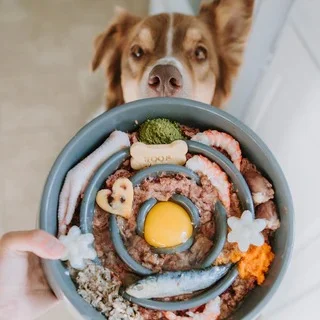
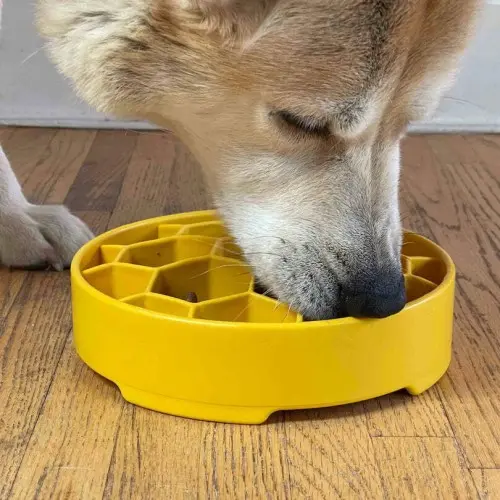
Slow feeder bowls come in many shapes and sizes. Some have maze-like patterns to slow eating. Others use ridges or raised areas to separate food. Match the bowl size to your dog’s breed and appetite. Small bowls work for tiny dogs, large ones for big breeds. The right design keeps your dog interested and slows eating effectively.
Ease Of Cleaning
Cleaning the bowl regularly prevents bacteria buildup and keeps your dog healthy. Look for bowls that are dishwasher safe or easy to hand wash. Simple designs with fewer grooves clean faster. Avoid bowls that trap food in hard-to-reach spots. A clean bowl encourages good hygiene and comfort for your pet.
Tips For Introducing Slow Feeder Bowls
Introducing a slow feeder bowl to your dog’s mealtime routine can be a game changer, but it requires some thoughtful steps to make the switch smooth and effective. The goal is to help your dog enjoy their food without frustration while gaining the health benefits of slower eating. Here are practical tips to guide you through the process.
Gradual Transition
Start by mixing your dog’s regular bowl with the slow feeder bowl. Use a smaller portion of food in the slow feeder while keeping the rest in the usual dish. This helps your dog get used to the new texture and challenge without feeling overwhelmed.
Over a week or two, slowly increase the amount of food in the slow feeder. This gradual change prevents your dog from rejecting the bowl and reduces stress during mealtime.
Monitoring Eating Habits
Watch how your dog interacts with the slow feeder. Are they eating slower? Are they showing signs of frustration or confusion? Careful observation lets you adjust the feeding approach if needed.
Keep an eye on their digestion and energy levels too. Sometimes, slowing down can improve their health, but any drastic changes might require a vet’s input.
Combining With Training
Use the slow feeder as a training tool. Encourage your dog with praise or treats when they manage to eat patiently. This positive reinforcement makes the experience enjoyable and rewarding.
Try introducing commands like “slow” or “easy” during mealtime. This helps your dog associate the slow feeding pace with your instructions, strengthening your communication.
Credit: wefeedraw.com
Frequently Asked Questions
How Do Slow Feeder Bowls Help Dogs?
Slow feeder bowls help dogs by reducing the speed at which they eat. This can prevent choking and digestive issues. By making mealtime a challenge, these bowls promote mental stimulation. They can also aid in weight management by making dogs feel full quicker.
Are Slow Feeders Good For Puppies?
Yes, slow feeders are excellent for puppies. They help teach controlled eating habits from a young age. Slow feeders can prevent overeating and reduce the risk of bloat. They also provide mental enrichment, which is crucial for a puppy’s development.
Can Slow Feeder Bowls Prevent Dog Obesity?
Yes, slow feeder bowls can help prevent obesity in dogs. By slowing down eating, they help dogs feel full with less food. This can reduce calorie intake and promote healthy weight management. Slow eating also aids in better digestion and nutrient absorption.
What Materials Are Slow Feeder Bowls Made Of?
Slow feeder bowls are made from various materials. Common options include plastic, stainless steel, and ceramic. Each material has its benefits, such as durability and ease of cleaning. It’s important to choose a material that is safe and suitable for your dog.
Conclusion
A slow feeder dog bowl helps dogs eat at a calm pace. It reduces choking and stops overeating problems. Dogs enjoy their meals without rushing. Digestion improves and discomfort lowers. These bowls are easy to use and clean. They support your dog’s health and happiness.
Choosing one shows you care about your pet’s well-being. Small changes like this make a big difference. Give your dog a safer, better mealtime experience today.

Emily Barker is the founder of ChillDogLife.com, a space dedicated to helping pup parents discover the best dog products, lifestyle tips, and cozy ideas for happier homes.
A lifelong dog lover, Emily combines her passion for pets with a knack for research to share trusted recommendations on everything from toys and furniture to health and everyday care.
Her goal is simple: to make life easier, stylish, and more joyful for dogs and the people who love them.




