
Putting a muzzle on your dog can feel tricky at first, but it’s an important skill to have. Whether it’s for safety during a vet visit or to prevent unwanted biting, knowing how to do it the right way keeps your dog calm and comfortable.
If you want to protect your furry friend and everyone around them, this guide will walk you through simple steps to make the process easy and stress-free. Keep reading to learn how you can put on a muzzle quickly and confidently.
Choosing The Right Muzzle
Choosing the right muzzle for your dog is essential for both safety and comfort. A well-fitting muzzle can prevent biting without causing distress or injury to your pet. Understanding the different types, sizes, and materials will help you make an informed choice that suits your dog’s needs.
Types Of Dog Muzzles
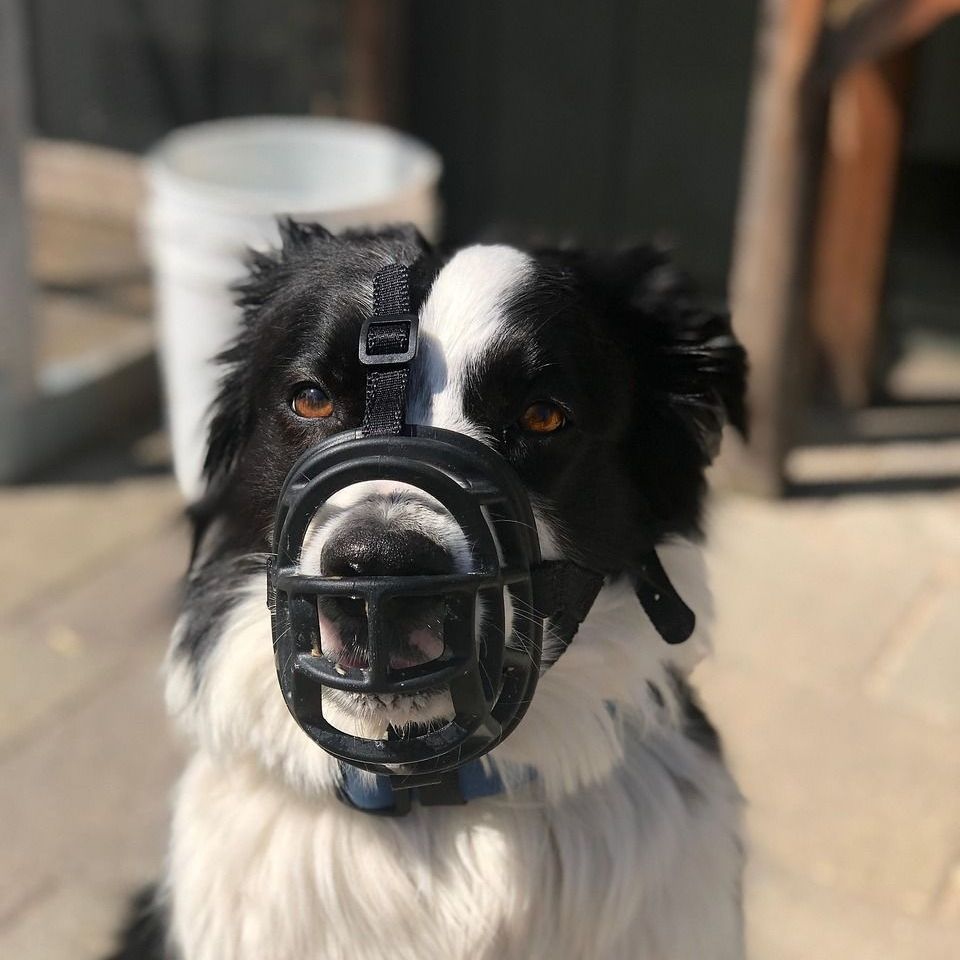
There are several types of muzzles available, each designed for different purposes. Basket muzzles allow your dog to pant, drink, and even take treats, making them ideal for longer use. Soft muzzles, usually made of fabric or mesh, restrict your dog’s ability to open their mouth fully and are better suited for short periods.
Do you need a muzzle for vet visits, grooming, or walks? Consider whether your dog needs freedom to breathe and drink or just temporary restraint.
Sizing And Fit
Proper sizing is crucial to ensure the muzzle stays secure without causing discomfort. Measure your dog’s snout length and circumference accurately before buying. A muzzle that’s too tight can cause pain, while one that’s too loose might slip off or allow your dog to bite.
Have you tried measuring your dog yourself? Using a flexible tape measure or a piece of string can help get precise measurements. Always check the manufacturer’s sizing chart and, if possible, test the muzzle on your dog before extended use.
Material Considerations
The material of the muzzle affects durability, comfort, and breathability. Leather muzzles are strong and long-lasting but may need a break-in period. Nylon muzzles are lightweight and easy to clean but might not be as durable.
Basket muzzles are often made of plastic or metal, providing good airflow and protection. Think about your dog’s environment and activities. For example, if your dog will wear the muzzle during hot weather, prioritize breathable materials to prevent overheating.
Credit: www.biltonvets.co.uk
Preparing Your Dog
Help your dog feel calm by introducing the muzzle slowly. Let your dog sniff and touch it before trying to put it on. Use treats and gentle praise to create a positive experience.
Preparing your dog for wearing a muzzle is a crucial step in ensuring their comfort and safety. It’s not just about strapping a muzzle onto your dog; it’s about making the experience positive and stress-free. A well-prepared dog is more likely to accept a muzzle without resistance, allowing for smoother and more peaceful interactions.Introducing The Muzzle Slowly
Begin by letting your dog sniff and explore the muzzle at their own pace. Place it on the ground and encourage your dog to investigate. Give them time to get used to its presence without any pressure. Next, try gently holding the muzzle and offering treats through it. This helps your dog associate the muzzle with positive experiences. Gradually increase the time they spend near or interacting with the muzzle.Positive Reinforcement Techniques
Reward your dog with treats and praise as they become more comfortable with the muzzle. Use small, high-value treats that your dog loves. This reinforces the idea that good things happen when the muzzle is around. Incorporate muzzle training into your regular routine. A few minutes each day is all it takes to build a positive association. Consistency is key, and soon your dog will look forward to muzzle time.Recognizing Stress Signals
Pay attention to your dog's body language during the process. Signs of stress include excessive panting, yawning, or avoiding the muzzle. If you notice these signals, take a step back and give your dog a break. Adjust your approach if needed. Every dog is different, and some may need more time. Stay patient and remember that your goal is a relaxed and happy dog. By preparing your dog thoughtfully and gently, you’re setting the stage for a smooth transition to wearing a muzzle. What other steps can you take to ensure your dog’s comfort and safety in new situations?Step-by-step Muzzling Process
Putting a muzzle on a dog requires patience and care. This process helps keep your dog calm and safe. It also protects others around your dog. Follow each step carefully to make the experience smooth and stress-free for your pet.
Getting Your Dog Comfortable
Start by showing the muzzle to your dog. Let your dog sniff and explore it freely. Use soft words and gentle praise. Offer treats to create a positive feeling. Repeat this several times until your dog shows no fear.
Next, gently touch your dog’s nose with the muzzle. Reward your dog with a treat each time. This helps your dog accept the muzzle near the face. Take your time and be patient.
Placing The Muzzle Correctly
Hold the muzzle open and guide it toward your dog’s snout. Make sure the muzzle fits comfortably over the nose. The muzzle should not block breathing or panting. Check that your dog can open its mouth slightly.
Once the muzzle sits well, allow your dog to wear it for a few seconds. Remove it after and give a treat. Gradually increase the time your dog wears the muzzle. Watch your dog’s reaction closely.
Securing The Muzzle Safely
Fasten the straps gently around your dog’s head. Ensure the muzzle is snug but not too tight. You should fit two fingers between the strap and the dog’s skin. Avoid any pressure points or pinching.
Double-check the fit before leaving your dog alone. The muzzle must stay in place but not cause discomfort. Praise your dog and offer a treat after securing the muzzle. This encourages calm and trust.
Training Tips For Muzzle Acceptance
Getting your dog comfortable with a muzzle requires patience and care. Training helps your dog see the muzzle as something positive. This section shares simple tips to help your dog accept the muzzle calmly and without stress.
Short Sessions And Gradual Increase
Start by letting your dog sniff the muzzle for a few seconds. Praise your dog for calm behavior. Slowly increase the time your dog wears the muzzle. Keep sessions short to avoid stress. Gradual steps build trust and confidence.
Reward-based Training
Use treats to create a happy connection with the muzzle. Give a treat each time the dog shows interest or wears the muzzle. Positive rewards help the dog feel safe and willing. Avoid forcing the muzzle without rewards to prevent fear.
Combining Muzzle Use With Commands
Pair muzzle training with simple commands like “sit” or “stay.” This helps your dog focus and stay calm. Praise and reward your dog for obeying commands while wearing the muzzle. This creates a routine that feels normal and safe.
Safety Precautions
Putting a muzzle on your dog is sometimes necessary, but it’s important to handle it with care. Safety precautions help ensure your dog stays comfortable and stress-free while wearing a muzzle. Paying attention to these details can prevent accidents and build trust between you and your pet.
Supervising Your Dog While Muzzled
Never leave your dog unattended while they are wearing a muzzle. Dogs can panic or try to remove the muzzle, which might cause injury or choking. Keep a close eye, especially during the first few times your dog wears it, to watch for signs of distress or discomfort.
Think about how your dog reacts—are they calm or anxious? If your dog starts pawing at the muzzle or struggling excessively, it’s a sign you need to adjust the fit or take a break.
Avoiding Overuse
Muzzles are not meant for long-term use. Using them too often can cause stress and damage the bond you have with your dog. Use the muzzle only when necessary, such as during vet visits or grooming, rather than as a permanent solution to behavior problems.
Consider if there are other training options you can try first to reduce the need for a muzzle. Your dog’s mental well-being is just as important as their safety.
Regularly Checking The Fit
A muzzle that fits poorly can cause pain, sores, or restrict breathing. Make it a habit to check the fit before each use. Look for tight straps, rubbing spots, or signs your dog is struggling to breathe or pant.
Adjust straps as needed and choose a muzzle type that suits your dog’s size and snout shape. A well-fitted muzzle lets your dog open their mouth slightly and pant comfortably, which is crucial for their comfort and safety.

Credit: cattledogpublishing.com
Troubleshooting Common Issues
Putting a muzzle on your dog can sometimes come with unexpected challenges. You might notice your dog resisting or showing discomfort, which can make the process stressful for both of you. Troubleshooting these issues early helps build trust and ensures your dog accepts the muzzle calmly.
Dealing With Resistance
Dogs often resist muzzles because they feel unfamiliar or restricting. If your dog pulls away or tries to bite, don’t force the muzzle on immediately. Instead, try letting your dog sniff and explore the muzzle first—reward with treats when they show calm behavior.
You can also practice short sessions where the muzzle is loosely placed without fastening it. Gradually increase the time and tighten the straps as your dog becomes more comfortable. Patience is key here—forcing the muzzle can worsen resistance and anxiety.
Adjusting For Comfort
A muzzle that fits poorly causes discomfort and makes your dog more likely to reject it. Check that the straps are snug but not tight, allowing your dog to pant and drink water easily. If the muzzle rubs or pinches, add soft padding or try a different style that suits your dog’s face shape better.
Comfort is not just physical—pay attention to your dog’s behavior. If they paw at the muzzle or seem distressed, take a break and try again later. Small adjustments often make a big difference in acceptance.
When To Seek Professional Help
If your dog’s resistance escalates to aggressive behavior or extreme anxiety, it’s time to ask for help from a professional trainer or behaviorist. They can provide tailored strategies based on your dog’s personality and history. Sometimes, underlying issues like fear or trauma need addressing before muzzle training can succeed.
Remember, a muzzle is a safety tool—not a punishment. Getting expert advice ensures you’re using it in a way that protects both your dog and others without causing harm or stress.

Credit: www.youtube.com
Frequently Asked Questions
How Do I Measure My Dog For A Muzzle?
Measure your dog’s snout length and circumference accurately. Use a soft tape measure around the widest part of the snout and from the nose tip to just below the eyes. Proper sizing ensures comfort and effectiveness of the muzzle.
What Type Of Muzzle Is Best For My Dog?
Choose a basket muzzle for safety and comfort. It allows panting and drinking, preventing overheating. Soft fabric muzzles are for short-term use only. Select based on your dog’s breed, behavior, and purpose.
How Long Should A Dog Wear A Muzzle?
Limit muzzle use to 15-30 minutes initially. Gradually increase time as your dog adapts. Never leave a muzzled dog unattended. Muzzles are for safety, not punishment or long-term restraint.
How Can I Help My Dog Accept The Muzzle?
Introduce the muzzle gradually with positive reinforcement. Use treats and praise to create a positive association. Allow your dog to sniff and explore the muzzle before wearing. Patience and consistency help ease the adjustment process.
Conclusion
Putting a muzzle on your dog helps keep everyone safe. Take your time to choose the right size and type. Practice gently so your dog feels calm and relaxed. Always watch your dog while it wears the muzzle. Remember, patience and kindness make the process easier.
Use these steps to protect your dog and others. Safety and comfort go hand in hand. Keep your dog happy and secure every day.

Emily Barker is the founder of ChillDogLife.com, a space dedicated to helping pup parents discover the best dog products, lifestyle tips, and cozy ideas for happier homes.
A lifelong dog lover, Emily combines her passion for pets with a knack for research to share trusted recommendations on everything from toys and furniture to health and everyday care.
Her goal is simple: to make life easier, stylish, and more joyful for dogs and the people who love them.




