If your dog has tracheal collapse, you know how fragile their breathing can be. Carrying your dog the right way is more important than you might think.
Doing it wrong could make their condition worse or cause them distress. You want to keep your furry friend safe and comfortable every time you lift them. You’ll learn simple, effective tips to carry your dog without causing pain or strain.
Keep reading to discover how small changes in how you hold your dog can make a big difference in their health and happiness.

Credit: www.amazon.ca
Signs Of Tracheal Collapse
Recognizing the signs of tracheal collapse in your dog is crucial for their comfort and safety, especially when you need to carry them. This condition affects the windpipe, making breathing difficult and sometimes causing distress. Knowing what to look for helps you act quickly and provide the care your dog needs.
Common Symptoms
Dogs with tracheal collapse often show a persistent, dry cough that sounds like a honking noise. You might notice your dog struggling to breathe, especially during exercise or excitement. Some dogs also display wheezing or gagging, which can worsen when pressure is applied to their neck.
- Frequent coughing fits, especially when pulled on a leash
- Difficulty breathing or shortness of breath
- Gagging or retching without vomiting
- Blue gums or tongue during severe episodes
- Exercise intolerance and fatigue
Have you seen your dog cough more when excited or stressed? That might be a sign worth noting.
When To Seek Help
If your dog shows signs of labored breathing or persistent coughing, it’s time to consult your vet. Sudden episodes where your dog struggles to breathe or turns blue require immediate emergency care. Early detection can slow the progression and improve your dog’s quality of life.
Pay attention if your dog’s symptoms worsen after physical activity or exposure to irritants like smoke or dust. Asking your vet about how to carry your dog safely to avoid pressure on the neck can make a big difference. Have you prepared a comfortable way to hold your dog that keeps their airway clear?

Credit: www.reddit.com
Choosing The Right Carrying Method
Carrying a dog with tracheal collapse requires gentle support to avoid pressure on the neck. Use a harness instead of a collar to keep the airway clear and ensure comfort. Hold your dog close to reduce stress and prevent coughing.
Choosing the Right Carrying Method When dealing with a dog that has tracheal collapse, selecting the appropriate way to carry them can make a significant difference in their comfort and health. The right method not only ensures that your furry friend is safe but also helps in reducing the pressure on their fragile trachea. How do you know which method suits your dog best? Let’s dive into some practical options.Using A Supportive Harness
A supportive harness is an excellent tool for carrying dogs with tracheal collapse. Unlike traditional collars, a harness distributes weight across the chest and shoulders, alleviating pressure from the neck. When choosing a harness, look for one with padded straps for added comfort. Adjustable features are key, as they allow you to fit the harness snugly without constricting your dog’s breathing. I remember when my dog, Max, needed extra support; the right harness transformed our walks. The difference in his comfort was noticeable almost immediately. Have you tried a harness with your dog yet?Selecting A Comfortable Carrier
A comfortable carrier can be a lifesaver for short trips or when your dog needs to be off their feet. Opt for carriers that have soft sides and adequate ventilation to keep your dog cool and relaxed. Ensure the carrier is spacious enough for your dog to sit and turn around comfortably. Extra padding on the bottom can provide additional comfort, especially for dogs with sensitive tracheas. Think about the handles and straps too; they should be sturdy and easy to grip. When I chose a carrier for Max, I made sure it had both a shoulder strap and hand grips, making it easier to carry him without causing strain. What features do you prioritize in a carrier? Choosing the right carrying method is all about understanding your dog's unique needs and preferences. By focusing on supportive and comfortable options, you can ensure that your beloved pet remains happy and healthy.Lifting Your Dog Safely
Lifting a dog with tracheal collapse requires extra care to prevent discomfort and further injury. Your goal is to support your dog’s body securely without putting any strain on the delicate neck area. Handling your dog the right way can make a big difference in their comfort and safety.
Proper Hand Placement
Place one hand under your dog’s chest, right behind the front legs. This gives solid support to their upper body. Use your other hand to lift the rear, supporting the hips or belly depending on your dog’s size.
This balanced hold keeps their body stable and prevents awkward twisting. Imagine how it feels if you were lifted only by your shoulders—uncomfortable and unsafe. Your dog feels the same way, so make sure both front and back are well supported.
Avoiding Pressure On The Neck
Never place your hands around or under your dog’s neck. Pressure here can worsen tracheal collapse and cause pain or difficulty breathing. Instead, focus all your support on the chest and rear.
If your dog resists being lifted, check your hand placement. Adjust until they feel secure without any neck contact. Have you noticed your dog panting or coughing more after being picked up? This might signal you’re applying too much neck pressure.
Positioning During Carrying
Positioning your dog correctly while carrying is crucial when dealing with tracheal collapse. The right posture can ease breathing and reduce stress on the fragile airway. It’s not just about holding your dog—it’s about supporting their health and comfort simultaneously.
Keeping The Airway Open
Supporting your dog’s neck and chest without squeezing is key. Avoid any pressure around the throat or upper chest area to prevent airway obstruction. Hold your dog upright or slightly elevated to help keep the trachea aligned and open.
Think about how you hold a baby—gentle but firm. You want to cradle the body, letting the head rest comfortably without bending the neck forward or sideways. This position helps maintain an open airway and reduces coughing episodes.
Comfort And Stability Tips
Use both hands to provide balanced support—one under the chest and one under the hindquarters. This distributes your dog’s weight evenly and prevents unnecessary strain. A soft blanket or a specially designed sling can add extra comfort and reduce movement.
Keep your dog close to your body to offer warmth and security. This closeness can calm anxious pets, which often helps with smoother breathing. Have you noticed how your dog responds when you shift your hold slightly? Small adjustments can make a big difference in their comfort.
Precautions To Prevent Stress
Carrying a dog with tracheal collapse demands extra care to avoid causing stress. Stress can worsen your dog’s breathing and overall condition, so staying calm and gentle is essential. Knowing how to soothe your dog and handle them carefully can make a big difference in their comfort and safety.
Calming Techniques
Before picking up your dog, speak softly and use a calm tone to reassure them. Gentle petting and slow, rhythmic strokes can help lower anxiety. Try offering a favorite toy or treat to create a positive association with being carried.
Have you noticed how your dog’s breathing changes when they feel calm? Use this as a sign to continue soothing them. If your dog resists, pause and let them relax before trying again. Patience here is key.
Avoiding Sudden Movements
Sudden jerks or quick lifts can startle your dog and make their breathing worse. Always lift your dog smoothly and steadily, supporting their chest and neck carefully. This reduces pressure on the trachea and keeps them comfortable.
Think about how you feel when someone moves you unexpectedly—your dog feels that too, but with more vulnerability. Keeping your movements predictable helps build trust and prevents stress spikes. Are your hands steady and confident when you carry your dog?
When To Use Professional Assistance
Knowing when to seek professional help while carrying a dog with tracheal collapse is crucial for both your pet’s safety and your peace of mind. Handling your dog improperly can worsen their condition or cause unnecessary stress. Recognizing the signs that require expert intervention will help you act quickly and appropriately.
Veterinary Guidance
Your veterinarian is your best resource for learning how to carry your dog safely. They can provide specific instructions tailored to your dog’s severity of tracheal collapse and overall health. Don’t hesitate to ask for a demonstration on proper lifting techniques or recommend supportive tools like harnesses designed to reduce pressure on the throat.
Sometimes, minor adjustments in how you hold your dog can make a big difference in their comfort and breathing. Have you ever tried lifting your dog the way your vet shows and noticed an immediate improvement? That’s a sign you’re on the right track.
Emergency Situations
If your dog suddenly shows signs of severe distress while being carried—such as intense coughing, difficulty breathing, or collapse—it’s time to get professional help immediately. These moments require urgent veterinary care, and carrying them safely to the car or emergency room needs careful handling.
In emergencies, avoid putting pressure on your dog’s neck or chest. Instead, support their body gently but firmly, keeping their airway as clear as possible. Have you prepared an emergency plan and identified the nearest animal hospital? Preparation can save crucial minutes and reduce panic.
Additional Supportive Tools
Carrying a dog with tracheal collapse requires gentle handling and extra care. Some supportive tools help ease the strain on your dog’s neck and airway. These tools provide comfort and safety during transport and daily movement.
Orthopedic Aids
Orthopedic aids help reduce pressure on your dog’s trachea. Harnesses designed for dogs with breathing issues avoid putting force on the neck. These harnesses distribute weight evenly across the chest and shoulders. Soft padding and adjustable straps improve comfort and fit. Some harnesses also have handles for better control while carrying your dog. Orthopedic beds and cushions support your dog’s body and ease breathing during rest.
Breathing Assistance Devices
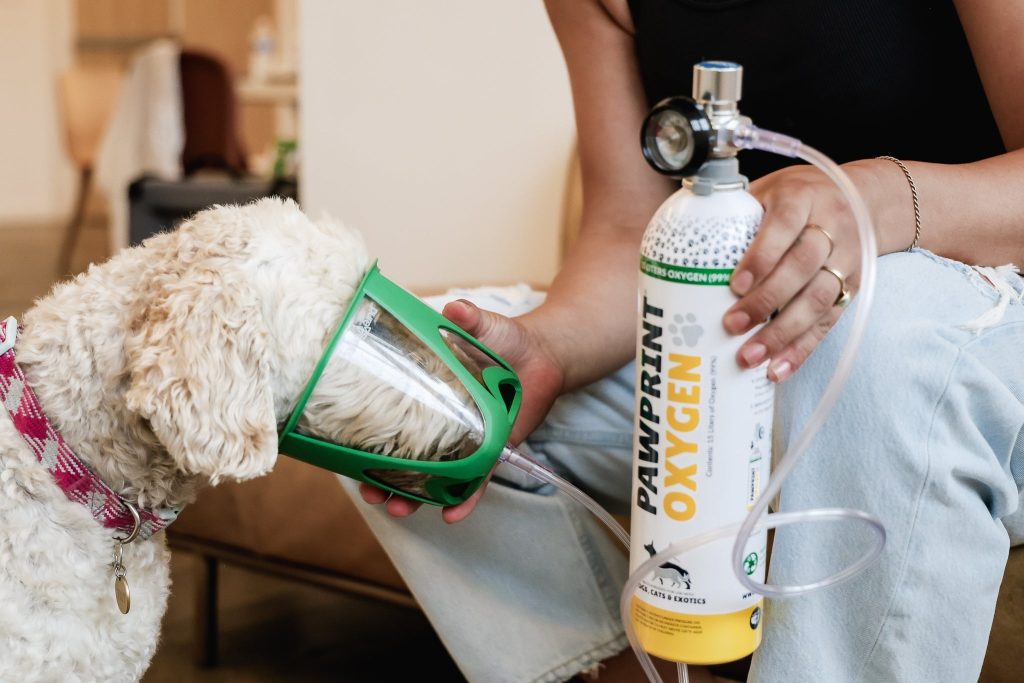
Breathing assistance devices can improve airflow and comfort for dogs with tracheal collapse. Portable oxygen concentrators provide extra oxygen during stressful moments or travel. Nebulizers deliver moisture and medication directly to the lungs to reduce irritation. These devices help keep your dog calm and reduce coughing. Always consult a vet before using any breathing aid on your dog.

Credit: www.amazon.com
Frequently Asked Questions
How Do I Safely Carry A Dog With Tracheal Collapse?
Support your dog’s chest and abdomen gently when lifting. Avoid pressure on the neck to prevent coughing or breathing issues. Use a soft harness instead of a collar for better support during carrying.
What Type Of Harness Is Best For Tracheal Collapse?
Choose a well-padded, non-restrictive harness that avoids neck pressure. Front-clip harnesses help reduce strain on the trachea. Always ensure a snug but comfortable fit to prevent choking or discomfort.
Can Carrying Methods Improve A Dog’s Breathing?
Yes, proper carrying reduces stress on the trachea. Supporting the body evenly prevents airway collapse. This helps your dog breathe easier and stay calm during transport.
Should I Avoid Collars When Carrying Dogs With Tracheal Collapse?
Yes, collars can put pressure on the fragile trachea. Use a harness instead to avoid aggravating the condition. Collars may worsen coughing and breathing difficulties in affected dogs.
Conclusion
Carrying a dog with tracheal collapse needs care and patience. Support your dog’s chest gently but firmly. Avoid pressure on the neck or throat area. Use a comfortable carrier or sling for extra help. Watch your dog’s breathing during the carry.
Stop if you notice any signs of distress. Practice often to make your dog feel safe. Taking small steps helps both you and your dog. This careful approach keeps your pet calm and protected. Caring for your dog’s health means carrying them right.

Emily Barker is the founder of ChillDogLife.com, a space dedicated to helping pup parents discover the best dog products, lifestyle tips, and cozy ideas for happier homes.
A lifelong dog lover, Emily combines her passion for pets with a knack for research to share trusted recommendations on everything from toys and furniture to health and everyday care.
Her goal is simple: to make life easier, stylish, and more joyful for dogs and the people who love them.




