
Are you passionate about dogs and ready to turn that love into a thriving business? Opening a dog daycare can be a rewarding way to spend your days while helping busy pet owners care for their furry friends.
But how do you start? What steps do you need to take to make your dog daycare a success? In this guide, you’ll discover simple, clear advice to get your business up and running quickly. Keep reading, and you’ll learn everything you need to know to create a safe, fun place where dogs—and your business—can grow.
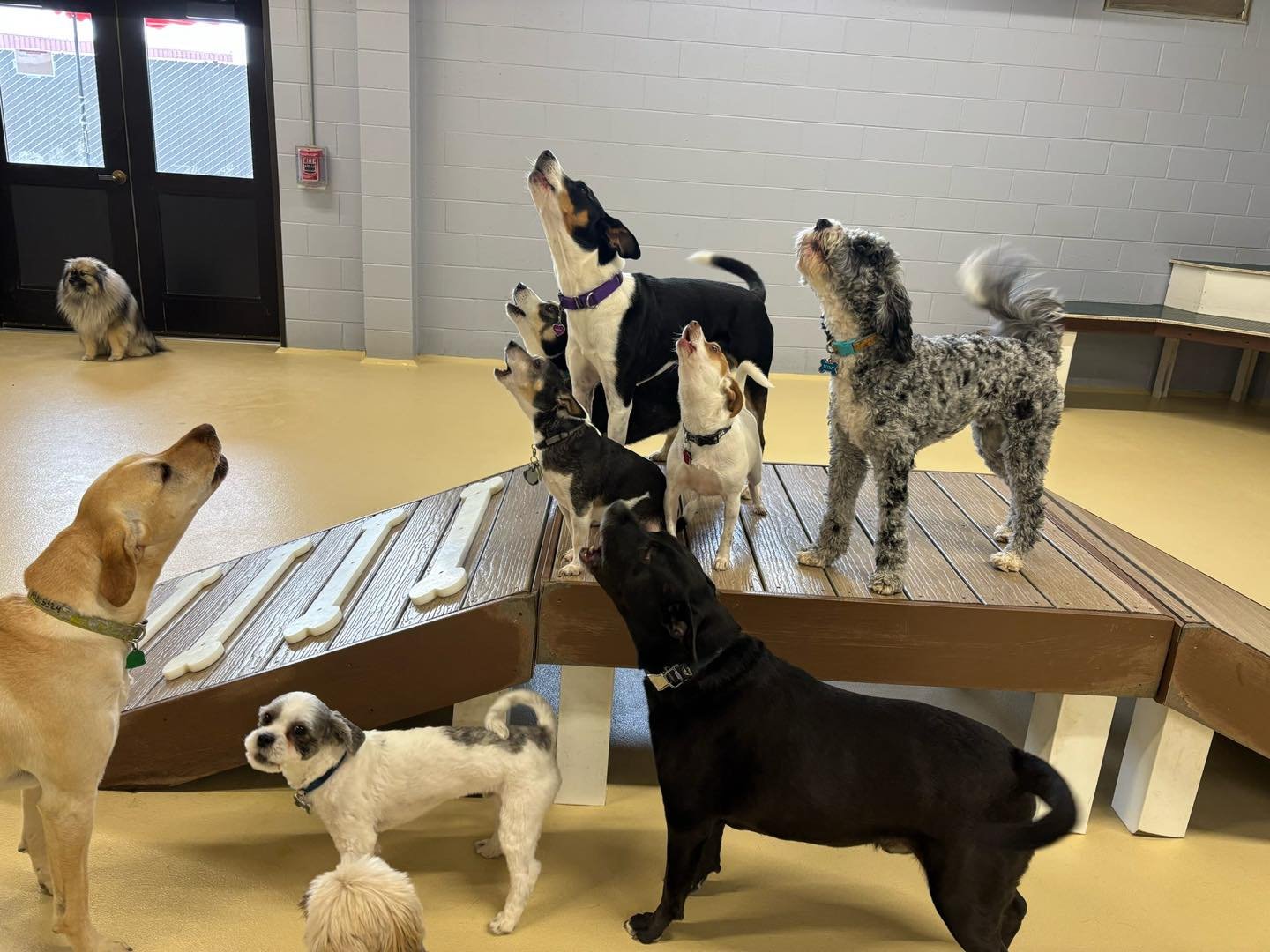
Credit: www.tailwaggersdoggydaycare.com
Research The Market
Researching the market is the foundation of opening a successful dog daycare. It helps you understand the needs of your community, what your competitors offer, and who your ideal customers are. Without this knowledge, your business might miss the mark or struggle to attract clients.
Analyze Local Demand
Start by checking how many dog owners live in your area. Use local pet registration data or community surveys to estimate the number of potential clients. Look for trends like rising pet ownership or neighborhoods with busy professionals who might need daycare services.
Ask yourself: Are there enough dog owners nearby to support your business? If the answer is yes, dig deeper into their preferences. Do they want full-day care, half-day, or just occasional drop-in services?
Study Competitors
Identify existing dog daycares in your area and list their services, prices, and customer reviews. Visit their facilities if possible to observe what they do well and where they fall short. This can help you find gaps in the market to fill.
Consider how your daycare can stand out. Maybe competitors don’t offer grooming, extended hours, or special training programs. What can you add to make your business the preferred choice?
Identify Target Customers
Your ideal customers might be busy professionals, families, or even elderly dog owners who need help caring for their pets. Each group has different needs and budgets.
Create customer profiles that include details like age, income, lifestyle, and pet care habits. This will guide your marketing and service offerings. How will you attract and retain these customers? Tailoring your approach ensures you’re speaking directly to the people most likely to use your daycare.

Credit: www.awalkintheparkoftoledo.com
Create A Business Plan
Creating a solid business plan is the foundation of your dog daycare’s success. It helps you organize your ideas, understand your market, and prepare for challenges ahead. Without a clear plan, you risk missing important details that could affect your growth and profitability.
Define Services Offered
Decide exactly what services you want to provide at your dog daycare. Will you offer full-day care, half-day sessions, or drop-in visits? Think about adding extras like grooming, training classes, or special playgroups for different dog sizes or temperaments.
Each service should solve a specific need for your target customers. You might find that busy professionals want flexible drop-off times, while families look for socialization opportunities for their dogs. Knowing this will help you shape your offerings to stand out.
Set Pricing Strategies
Pricing your services right is critical. Research what other dog daycares in your area charge and consider your costs, like rent, staff salaries, and supplies. Don’t just pick a number—think about how your pricing reflects the value you provide.
Offering packages or membership plans can encourage loyalty and steady income. For example, a monthly membership with unlimited visits might attract repeat customers. What pricing options will make your clients feel they’re getting a great deal without hurting your bottom line?
Plan Marketing Approaches
Getting the word out about your dog daycare requires a smart marketing plan. Identify where your potential customers spend time—social media, local pet stores, or community events—and focus your efforts there. Simple, consistent messaging about what makes your daycare unique will grab attention.
Consider partnerships with vets or pet supply shops for referrals. Hosting a free “doggy meet and greet” can bring in curious pet owners and build trust. How can you create a buzz that keeps your phone ringing and your daycare full?
Choose A Suitable Location
Choosing the right location is one of the most important decisions you will make when opening a dog daycare. It affects everything from the safety of the dogs to how easy it is for clients to find you. You want a spot that meets legal requirements, offers enough space, and is easy for pet owners to access.
Consider Zoning Laws
Check local zoning laws before committing to any location. Some areas do not allow commercial pet care services, while others have strict rules about noise and outdoor activities. Contact your city’s zoning office or use online resources to verify if your chosen spot complies with regulations.
Ignoring zoning laws can lead to costly fines or even forced closure. It’s better to ask questions upfront than face unexpected problems later.
Evaluate Space Requirements
Think about how much room you need for active play, rest areas, and feeding stations. Dogs require space to move freely and safely, so cramped locations can lead to stress or accidents.
Include separate zones for different dog sizes or energy levels. Outdoor space is a huge plus, but if you don’t have it, ensure your indoor area is large enough to avoid overcrowding.
Have you measured the space based on the number of dogs you plan to care for? This helps maintain comfort and safety.
Ensure Accessibility
Your location should be easy for pet owners to reach, ideally close to residential neighborhoods or major roads. Ample parking and clear signage make a big difference in attracting and retaining clients.
Consider if your clients will drop off dogs during rush hour or weekends. A spot with good traffic flow and minimal congestion saves everyone time and frustration.
Accessibility also means thinking about people with disabilities. Is the entrance wheelchair-friendly? Are walkways clear and safe?
Obtain Licenses And Permits
Getting the right licenses and permits is a crucial step to open your dog daycare legally and safely. It ensures you meet local health, safety, and animal care standards. Skipping this can lead to fines or even forced closure, so it’s worth investing time upfront.
Check Local Regulations
Every city or county has different rules for operating a dog daycare. Visit your local government’s website or office to find out which licenses you need. You might have to comply with zoning laws, animal welfare regulations, and business permits.
For example, some areas require a kennel license, while others ask for a general business license with specific animal care endorsements. Contacting the local animal control or health department can give you clear guidance.
Complete Necessary Applications
Once you know what’s required, gather all the documents needed to apply. This often includes proof of insurance, a detailed business plan, and facility layout. Filling out these applications carefully can speed up approval.
Double-check for any fees or additional paperwork. Missing information can delay your opening, so keep copies of everything you submit.
Schedule Inspections
Before you can open, expect inspections from health and safety officials. These visits check if your daycare meets cleanliness, safety, and animal welfare standards. Scheduling them early helps you fix issues before your launch day.
Think about your space from an inspector’s perspective. Are play areas secure? Is there proper ventilation? Passing inspections builds trust with clients and protects the dogs in your care.
Design A Safe Facility
Designing a safe facility is crucial when opening a dog daycare. Your space should protect every dog while giving them room to play and relax. Safety isn’t just about preventing accidents—it’s about creating an environment where dogs feel secure and happy.
Create Play Areas
Separate play areas based on dog size and temperament to avoid conflicts. Use sturdy fencing to keep dogs contained and prevent escapes. Adding soft flooring like rubber mats helps cushion jumps and falls, reducing injury risks.
Think about how dogs naturally interact. Would smaller groups feel less stressed? You might want to create quiet zones for shy dogs and active zones for energetic ones. How can you arrange the space so dogs can choose their comfort level?
Implement Safety Measures
Install secure gates with locks to control access. Use non-toxic materials for walls, floors, and toys to protect dogs from harmful substances. Make sure electrical cords and sharp objects are out of reach.
Emergency exits and fire safety equipment should be easy to access and well-marked. Do you have staff trained in pet first aid? Quick response can make a huge difference in emergencies.
Plan For Cleanliness
Design areas that are easy to clean, with waterproof surfaces and good drainage. Use separate spots for eating, drinking, and waste to avoid cross-contamination. Regular cleaning schedules reduce the spread of germs and keep odors away.
Consider how you will manage laundry for bedding and towels. Are you prepared to handle accidents without stress? Cleanliness isn’t just about appearance—it’s essential for dogs’ health and your daycare’s reputation.
Hire And Train Staff
Hiring and training staff is key to running a successful dog daycare. Your team will care for dogs daily. They must know how to handle pets safely and kindly. Well-trained staff create a happy and secure environment. This section explains how to find, teach, and guide your employees.
Recruit Qualified Employees
Find people who love dogs and understand their needs. Look for experience in pet care or animal handling. Use clear job descriptions that list duties and skills. Ask about previous work with dogs during interviews. Choose staff who are patient, calm, and attentive. Background checks help ensure safety and trustworthiness.
Provide Canine Care Training
Train employees on dog behavior and health basics. Teach how to spot signs of stress or illness. Show proper ways to feed, play, and clean up after dogs. Include safety rules to prevent bites or accidents. Use role-playing or videos for better learning. Regular refreshers keep skills sharp and knowledge current.
Establish Staff Policies
Create clear rules on work hours, breaks, and dress code. Set guidelines for handling emergencies and reporting incidents. Outline expectations for teamwork and communication. Explain how to use equipment and maintain hygiene. Write policies in simple language for easy understanding. Review and update policies as needed to keep staff aligned.
Develop Health And Safety Protocols
Developing strong health and safety protocols is key for a successful dog daycare. Clear rules protect dogs, staff, and visitors from illness and accidents. These protocols build trust with pet owners and keep your business running smoothly.
Setting detailed health and safety guidelines helps prevent disease spread. It also prepares your team to respond fast to emergencies. Clean, safe spaces reduce stress and create a happy environment for dogs.
Set Vaccination Requirements
Require all dogs to have up-to-date vaccinations before entry. This stops common diseases like parvovirus and kennel cough. Ask pet owners to provide vaccination records.
Include vaccines such as:
- Rabies
- Distemper
- Parvovirus
- Canine influenza
- Bordetella (kennel cough)
Enforce strict rules for unvaccinated or sick dogs. This keeps all dogs safe and healthy.
Plan Emergency Procedures
Create clear steps for emergencies like injuries or fire. Train staff to stay calm and act quickly. Post emergency contacts and evacuation routes in visible spots.
Include plans for:
- Medical emergencies
- Fire evacuation
- Natural disasters
- Lost dogs
Practice drills regularly. This ensures everyone knows their role in a crisis.
Maintain Hygiene Standards
Clean and disinfect all areas daily to reduce germs. Use pet-safe cleaning products. Pay special attention to play areas, food bowls, and bedding.
Set rules for:
- Handwashing for staff
- Regular waste removal
- Proper food storage
- Cleaning accidents immediately
Good hygiene protects dogs and staff from illness.
Launch Marketing Campaigns
Launching marketing campaigns is vital for your dog daycare’s success. It spreads the word and draws in clients. Strong marketing makes your business easy to find and trust. Focus on building connections and offering value. This helps create loyal customers and steady growth.
Build An Online Presence
Create a simple, clear website with your services and prices. Use easy words and pictures to explain what you offer. Make sure your site works well on phones and computers. Set up social media pages on platforms like Facebook and Instagram. Post regularly with photos of happy dogs and daycare activities. Use keywords like “dog daycare near me” to help people find you in searches.
Engage With Local Communities
Join local pet groups and community events. Attend fairs or markets where pet owners gather. Offer to give talks or demonstrations about dog care. Partner with local vets, pet stores, and trainers. Share flyers or business cards at these places. Building trust in your community brings steady customers and good word-of-mouth.
Offer Promotions And Discounts
Attract new customers with special deals. Offer a free trial day or discounted first visit. Create packages for multiple visits at a lower price. Reward loyal customers with discounts or referral bonuses. Use clear, simple offers that are easy to understand. Promotions encourage people to try your daycare and come back.
Manage Daily Operations
Managing daily operations is the backbone of running a successful dog daycare. It keeps everything running smoothly and ensures both dogs and their owners have a positive experience. Handling these tasks efficiently saves you time and reduces stress, letting you focus on what you love—caring for dogs.
Schedule Dog Activities
Creating a well-organized activity schedule helps keep dogs engaged and happy throughout the day. Mix active playtimes with rest periods to balance energy levels and prevent overstimulation.
Use tools like digital calendars or specialized daycare software to plan group play, training sessions, and individual attention. Have a backup plan for rainy days or unexpected changes, so the dogs stay safe and entertained no matter what.
Handle Customer Communications
Clear and timely communication builds trust with your clients. Respond quickly to questions about their dog’s care, schedules, or any concerns they might have.
Set up multiple channels for communication—phone, email, and even messaging apps—to make it easy for customers to reach you. Regular updates with photos or notes about their dog’s day can turn first-time visitors into loyal customers.
Track Finances And Payments
Keeping accurate financial records is crucial for your daycare’s stability. Use simple accounting software to monitor income, expenses, and outstanding payments.
Offer multiple payment options like credit cards, online transfers, and cash to make it convenient for customers. Regularly review your pricing and payment policies to ensure they align with your costs and market demand.

Credit: smallbiztrends.com
Frequently Asked Questions
What Licenses Are Needed To Open A Dog Daycare?
To open a dog daycare, you’ll typically need a business license and a kennel license. Requirements vary by location, so check local regulations. Some areas may require health department inspections or zoning permits. It’s essential to research and comply with all legal requirements to ensure your business operates smoothly.
How Much Space Is Needed For A Dog Daycare?
A dog daycare requires ample space for play, rest, and feeding areas. Generally, at least 75-100 square feet per dog is recommended. This space ensures dogs can move freely and reduces stress. Consider both indoor and outdoor areas to provide a stimulating environment for the dogs.
How Do I Attract Clients To My Dog Daycare?
Attract clients by offering exceptional services, using social media, and word-of-mouth referrals. Create a user-friendly website showcasing your services, rates, and testimonials. Consider offering promotions or loyalty programs. Partner with local pet stores or veterinarians to increase visibility and build a network within the community.
What Qualifications Should Staff Have In Dog Daycare?
Staff should have experience with dogs, strong communication skills, and basic first aid knowledge. Training in canine behavior and handling is beneficial. Look for employees who are passionate about animal care and can create a safe and nurturing environment. Continuous staff training is essential for maintaining high-quality care.
Conclusion
Starting a dog daycare takes planning and care. You need a safe place for dogs to play. Learning about pet care helps you serve clients well. Good communication with dog owners builds trust. Managing your business with clear rules keeps things smooth.
Patience and love for dogs make a big difference. Stay organized and always keep dogs’ needs first. This path can be rewarding and fun. Ready to welcome furry friends? Your dog daycare journey begins now.

Emily Barker is the founder of ChillDogLife.com, a space dedicated to helping pup parents discover the best dog products, lifestyle tips, and cozy ideas for happier homes.
A lifelong dog lover, Emily combines her passion for pets with a knack for research to share trusted recommendations on everything from toys and furniture to health and everyday care.
Her goal is simple: to make life easier, stylish, and more joyful for dogs and the people who love them.




