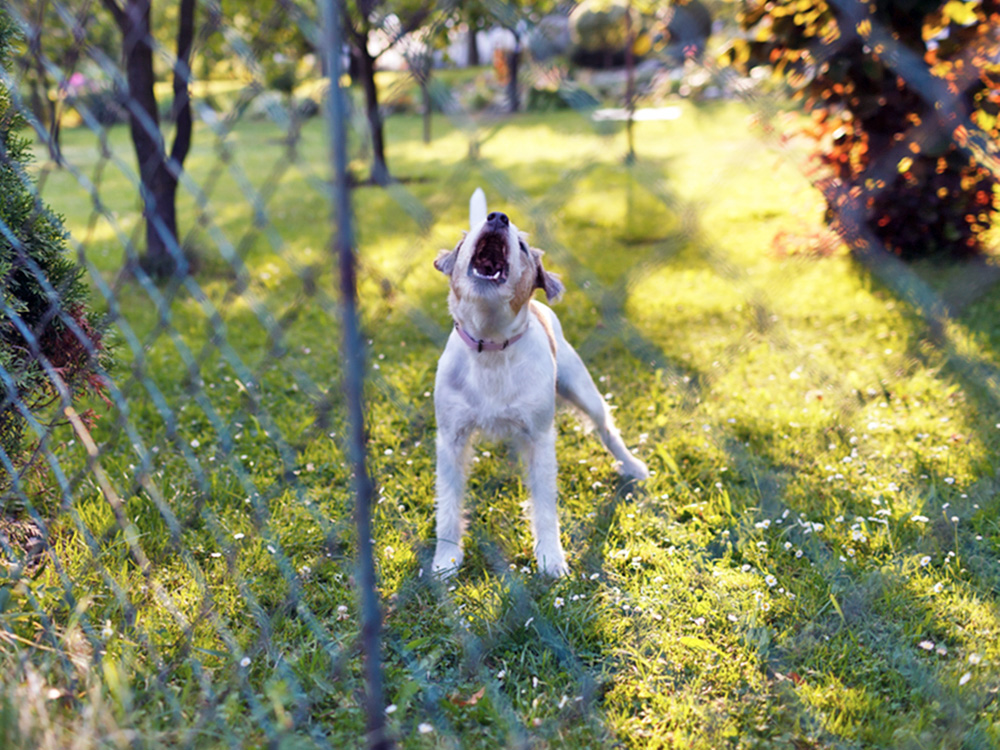
Is your neighbor’s dog barking constantly, making it hard for you to relax or concentrate? You’re not alone—many people struggle with noisy neighbors and their pets.
But what can you really do when the noise keeps you up at night or disrupts your day? You’ll discover simple and effective steps to handle the situation without creating tension. Keep reading to find out how you can bring peace back to your home and restore your quiet moments.

Credit: www.amazon.com
Identify The Barking Pattern
Identifying the barking pattern is the first step in dealing with a neighbor’s noisy dog. Understanding when and why the dog barks helps find the right solution. Observing the dog's behavior over time can reveal useful clues. This knowledge makes communication with your neighbor easier and more effective.
Frequency And Timing
Notice how often the dog barks each day. Is it constant or occasional? Pay attention to the time of day the barking happens most. Early morning or late night barking may disturb your sleep. Sometimes, barking occurs during specific hours like when the owner leaves home. Tracking these details helps to spot a clear pattern.
Possible Triggers
Try to find what causes the dog to bark. Some common triggers include:
- Strangers passing by
- Other animals nearby
- Loud noises or sudden sounds
- Loneliness or boredom
- Protecting their territory
Observing the dog's reaction to these triggers gives insight into its behavior. Knowing the triggers can guide you or your neighbor in managing the barking better.

Credit: www.amazon.com
Communicate With Your Neighbor
Dealing with a neighbor’s barking dog can be frustrating. Talking with your neighbor directly often works best. Clear communication helps solve problems quickly. It builds respect and understanding between neighbors. Approaching the issue calmly can lead to a positive outcome.
Choosing The Right Approach
Choose a good time to talk when your neighbor is not busy. Avoid moments when either of you feels upset. A face-to-face chat is better than notes or calls. Being polite opens the door to a friendly conversation. Show that you want to work together, not blame.
Expressing Your Concerns Calmly
Speak in a soft voice to keep the tone peaceful. Use “I” statements like “I have trouble sleeping” instead of “Your dog barks too much.” Explain how the barking affects your daily life. Suggest solutions like training or keeping the dog indoors during quiet hours. Listen to your neighbor’s side without interrupting. This builds trust and makes finding a fix easier.
Use Noise Management Techniques
Dealing with a neighbor’s barking dog can be stressful. Noise management techniques help reduce the sound reaching your ears. These methods create a quieter and more peaceful home environment. They focus on minimizing noise inside your space, giving you relief without conflict.
Soundproofing Your Space
Soundproofing blocks or absorbs noise to keep it outside. Use heavy curtains or thick rugs to reduce sound. Seal gaps around windows and doors to stop noise leaks. Adding bookcases or furniture against walls can absorb sound waves. You can also install acoustic panels designed for noise reduction.
These small changes help lower the barking noise inside your home. Soundproofing takes effort but improves your comfort greatly.
White Noise And Earplugs
White noise machines create a steady sound that masks barking. Fans or air purifiers can also produce white noise. These sounds help your brain focus less on the dog’s barking. Earplugs are a simple way to block noise directly from your ears.
Use soft, comfortable earplugs for sleeping or working. Combining white noise with earplugs can be very effective. These tools give you peace without needing to confront your neighbor.
Explore Mediation Services
Dealing with a neighbor’s barking dog can be frustrating, especially when it disrupts your peace at home. Instead of letting tension build, consider using mediation services to find a solution that works for both of you. This approach encourages open communication and helps maintain a friendly neighborhood atmosphere.
Community Mediation Options
Many communities offer free or low-cost mediation programs designed to resolve disputes between neighbors. These services provide a structured environment where both parties can express their concerns without fear of judgment.
You can usually find community mediation centers through local government websites or neighborhood associations. Sessions are typically held in neutral locations, making it easier to focus on the issue rather than personal emotions.
Have you checked if your area offers such support? It might be the step that turns a noisy problem into a cooperative solution.
Benefits Of Neutral Third Parties
Mediators act as neutral guides who help both sides listen and understand each other’s points. They don’t take sides or make decisions but help you discover common ground.
This impartial perspective can prevent conflicts from escalating. It also encourages creative solutions you might not have considered, such as agreeing on specific times for the dog to be outside or noise-reducing measures.
Imagine resolving the issue without damaging your relationship with your neighbor—mediators make that possible by fostering respectful dialogue and mutual respect.
Check Local Noise Regulations
Dealing with a neighbor’s barking dog can be frustrating, especially when it disrupts your peace. Before taking any action, it’s important to understand your local noise regulations. These rules set clear boundaries on what is considered acceptable noise and guide you on how to address the issue legally.
Understanding Noise Ordinances
Noise ordinances are laws that limit noise levels in residential areas during specific hours. These rules often define quiet hours, usually at night, when barking dogs must be kept to a minimum. Knowing the exact times and noise limits in your neighborhood helps you determine if the barking violates local laws.
Many cities publish their noise regulations online, making it easy for you to check. If you find the barking dog’s noise exceeds these limits, you have a stronger case when approaching your neighbor or authorities. Have you checked your city’s official website or local government office for these details yet?
Filing A Formal Complaint
If the barking persists and disrupts your daily life, filing a formal noise complaint may be necessary. This process usually involves contacting your local animal control or noise regulation department. Providing detailed information like the time, duration, and frequency of the barking helps officials act effectively.
Keep a log of the disturbances with dates and times to support your complaint. Some areas require written statements or an official form, so ask about the proper procedure. Taking this step shows you’re serious and helps ensure your concerns are handled professionally and fairly.
Consider Professional Help
Persistent barking can disrupt your peace and lower your quality of life. Sometimes, talking to your neighbor or trying simple solutions might not work. In such cases, seeking professional help is a wise choice. Experts can offer clear guidance and effective actions to handle the problem calmly and legally.
Animal Control Assistance
Animal control officers handle complaints about noisy or aggressive dogs. They visit the property to assess the situation. They check if the dog’s behavior breaks local rules or laws. Animal control can issue warnings or fines to the dog owner. Their goal is to keep the neighborhood safe and peaceful. Reporting to animal control can start an official process to solve the noise issue.
Legal Advice And Actions
Consulting a lawyer helps understand your rights about noise disturbances. Legal professionals explain local noise ordinances and property laws. They guide you on the best steps to take against the problem. Sometimes, sending a formal letter through a lawyer can motivate the dog owner to act. If the issue continues, legal action may be necessary. Courts can order the owner to stop the excessive barking. Getting legal help ensures your complaint is handled properly and fairly.
Implement Personal Coping Strategies
Dealing with a neighbor’s barking dog can feel overwhelming, especially when the noise disrupts your peace. While addressing the issue directly is important, developing personal coping strategies helps protect your mental well-being in the meantime. These strategies equip you with practical tools to manage stress and keep your daily life balanced despite the noise.
Stress Management Tips
Noise from a barking dog can trigger frustration and anxiety. Try deep breathing exercises whenever the barking starts—just a few slow breaths can calm your nervous system quickly.
Consider using white noise machines or calming music to mask the sound. This can create a buffer that helps you focus or relax.
Physical activity also reduces tension. A short walk or some stretching breaks the cycle of irritation and resets your mood.
- Practice mindfulness to stay present and avoid fixating on the noise.
- Use earplugs or noise-canceling headphones during high barking periods.
- Maintain a gratitude journal to shift your focus away from frustration.
Adjusting Your Routine
Adapting your schedule can lessen the impact of the barking. If the dog barks mostly in the morning, try adjusting your work or relaxation times to when it’s quieter.
Plan outdoor activities during times when the neighborhood is calmest. This helps you avoid unnecessary stress and enjoy your surroundings.
You might also rearrange your living space. Moving your workspace or reading nook away from shared walls can reduce noise exposure.
- Schedule breaks outside your home to recharge in peaceful environments.
- Use soundproof curtains or window inserts to block noise.
- Coordinate with neighbors for quiet hours that work for everyone.
Have you noticed how small changes in your routine affect your tolerance to noise? Your response to the barking isn’t fixed—it can improve with thoughtful adjustments that fit your lifestyle.

Credit: www.amazon.ca
Frequently Asked Questions
How To Handle A Neighbor’s Barking Dog?
Start by discussing the issue calmly with your neighbor. They may not be aware of the problem. Offer solutions like training or noise-reducing devices. If the issue persists, consider mediation or contacting local authorities for noise complaints.
What Are Legal Actions For A Barking Dog?
Check local noise ordinances or animal control laws for guidance. Document the barking incidents with dates and times. If the issue continues, you may file a formal complaint with local authorities or seek legal advice.
Can I Soundproof My Home Against Barking?
Yes, you can add soundproofing to reduce noise. Use heavy curtains, seal gaps around windows and doors, or install soundproof panels. These methods can help minimize the noise disturbance from a barking dog.
What Are Humane Ways To Stop Dog Barking?
Recommend your neighbor use positive reinforcement training. This involves rewarding quiet behavior and ignoring barking. Anti-bark collars or devices emitting high-pitched sounds can also be effective. Ensure these methods are humane and do not harm the dog.
Conclusion
Dealing with a neighbor’s barking dog can be tough. Start by talking kindly with your neighbor. Share how the noise affects you. Try to find a calm solution together. If talking does not help, consider local noise rules. Keep a record of the barking times.
This can support your case if needed. Remember, patience and respect go a long way. Peaceful neighborhoods need good communication. Small steps can lead to big changes. Stay calm and focus on solving the problem.

Emily Barker is the founder of ChillDogLife.com, a space dedicated to helping pup parents discover the best dog products, lifestyle tips, and cozy ideas for happier homes.
A lifelong dog lover, Emily combines her passion for pets with a knack for research to share trusted recommendations on everything from toys and furniture to health and everyday care.
Her goal is simple: to make life easier, stylish, and more joyful for dogs and the people who love them.




