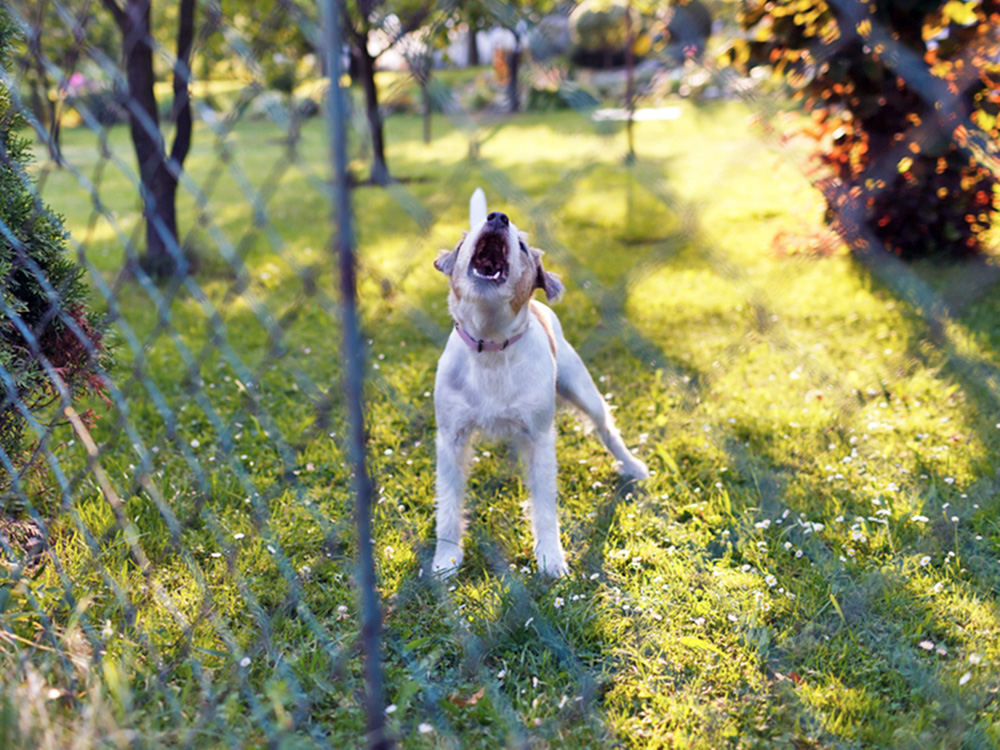
Is your neighbor’s barking dog keeping you up at night or breaking your focus during the day? You’re not alone.
Constant barking can quickly turn your peaceful home into a source of frustration. But what can you really do about it? You’ll discover simple, effective steps to handle the situation calmly and confidently. Keep reading, because your quiet, comfortable space is closer than you think.
Identify The Cause
Dealing with a neighbor’s barking dog can be frustrating, but before taking any action, it’s important to understand why the dog is barking. Identifying the cause helps you address the issue more effectively and with empathy. It also gives you a clearer path to find a solution that works for both you and your neighbor.
Common Triggers For Barking
Dogs bark for many reasons, and spotting the trigger can make a big difference. Some common causes include:
- Loneliness or boredom:Dogs left alone for long hours often bark to get attention.
- Alerting or guarding:Barking when someone approaches the property is a natural instinct.
- Fear or anxiety:Loud noises, strangers, or other animals can trigger barking out of fear.
- Excitement:Barking during playtime or when greeting people happens because the dog is happy or energized.
Think about what you’ve seen or heard. Has the dog barked after a loud noise, or when someone walks by? Understanding this can help you start a conversation with your neighbor on how to manage those specific triggers.
Patterns And Timing
Noticing when the dog barks can reveal important clues. Does the barking happen mostly at night or during certain hours? Is it continuous or in short bursts? Patterns often point to specific causes.
For example, if the dog barks early in the morning or late at night, it could indicate anxiety or discomfort. Barking during the day might suggest boredom or reaction to passersby. Keeping a simple log of barking times can help you communicate clearly with your neighbor and, if needed, with animal control authorities.
Have you tried paying attention to when the barking occurs? You might find that identifying these patterns gives you more control over how to approach the situation.

Credit: www.reddit.com
Communicate With Neighbors
Addressing a neighbor’s barking dog can be tricky, but open communication often clears the air. Talking to your neighbor shows respect and helps avoid misunderstandings. It also opens the door to finding a solution that works for both of you.
Approaching Politely
Start by choosing a good time to talk when your neighbor isn’t busy or stressed. A friendly greeting and a smile go a long way to set a positive tone. Avoid starting the conversation when you’re upset or right after a barking episode—it can make things tense.
Try saying something like, “Hi, I hope I’m not bothering you. I wanted to chat about something that’s been on my mind.” This shows you’re thoughtful and not confrontational. How might your neighbor react if you approach with kindness instead of frustration?
Sharing Concerns Effectively
Explain how the barking affects your daily life without blaming your neighbor. Use “I” statements, such as “I find it hard to focus when the dog barks frequently.” This keeps the conversation about your feelings, not their fault.
Offer specific examples like times of day when the barking is most disruptive. You could say, “The barking during early mornings makes it tough to get a good start.” This helps your neighbor understand the problem clearly.
Invite your neighbor to share their side too. They might not realize the extent of the noise or could be struggling to manage the dog themselves. What solutions could you both agree on to reduce the noise?
Use Noise Management Techniques
Dealing with a neighbor’s barking dog can be stressful, but managing the noise on your end can make a big difference. Instead of waiting for the barking to stop, you can take control by using noise management techniques. These strategies help reduce the impact of the sound and create a more peaceful environment for you.
Soundproofing Options
Soundproofing your home is a powerful way to block out the barking. You don’t need to renovate your entire house to make a difference. Simple changes like adding thick curtains, weather stripping around doors, or even placing bookshelves against shared walls can help absorb and reduce noise.
Think about which areas in your home receive the most noise and focus your soundproofing efforts there. If the barking is loudest near your living room or bedroom, try sealing gaps in windows or doors. Adding rugs or carpets can also soften sounds bouncing off hard floors.
White Noise And Earplugs
White noise machines or apps can mask the barking with a consistent, soothing sound. This noise helps your brain tune out disruptive barking without needing complete silence. You might find the hum of a fan or calming nature sounds effective to maintain focus or sleep better.
Earplugs are another simple tool you can use, especially at night. They block out high-pitched barks and allow you to rest more comfortably. Have you noticed how even small changes in your environment can improve your mood and productivity? Using these noise management tools can give you a surprising amount of relief.

Credit: www.amazon.ca
Explore Local Regulations
Dealing with a neighbor’s barking dog can be stressful. Knowing local rules helps handle the issue properly. Each area has laws about noise and pet behavior. These rules protect your peace while respecting pet owners.
Start by learning what local regulations say about noise caused by pets. This knowledge gives you a clear idea of your rights and limits. It also guides how to address the problem effectively.
Noise Ordinances
Noise ordinances set limits on loud sounds in neighborhoods. These rules often include barking dogs. They specify quiet hours, usually at night and early morning. Limits vary by city or county. Check your local government website or office for details.
Ordinances may describe:
- Maximum allowed noise levels
- Time periods when noise must be reduced
- Penalties for repeated violations
Understanding these helps determine if your neighbor’s dog breaks the rules. It also supports your case if you need to report the issue.
Reporting Procedures
Communities have set steps for reporting noise complaints. Follow these to ensure your complaint is taken seriously. Usually, start by contacting the local animal control or code enforcement office.
Prepare to provide:
- Exact address of the barking dog
- Dates and times of loud barking
- Descriptions of how the noise affects you
Some places require a written complaint or a noise log. Keep records of incidents to support your case. Officials may investigate and warn the dog owner. Persistent problems might lead to fines or other actions.
Seek Mediation Services
Dealing with a neighbor’s barking dog can be stressful. Seeking mediation services offers a peaceful way to solve this problem. Mediation helps both sides talk and find a fair solution. It avoids conflicts and builds better neighbor relationships. This approach is often faster and less costly than legal actions.
Community Mediation Programs
Many towns have community mediation programs. These programs offer free or low-cost services. They provide a safe space to discuss issues calmly. Trained mediators guide the conversation and help find common ground. Neighbors can express concerns without feeling judged. The goal is to reach an agreement everyone can accept.
Benefits Of Neutral Third Parties
Neutral third parties bring fairness to the discussion. They do not take sides or make decisions. Their role is to listen and help clarify problems. Neutral mediators reduce tension and misunderstandings. They encourage respectful communication and cooperation. This helps neighbors solve problems quickly and peacefully.

Credit: www.amazon.com
Consider Professional Help
Dealing with a neighbor’s barking dog can test your patience, especially when the noise disrupts your daily life. If friendly talks and simple solutions don’t work, it might be time to consider professional help. Professionals can offer targeted advice and interventions that you might not be aware of, making a big difference in resolving the issue.
Animal Behaviorists
Animal behaviorists specialize in understanding why dogs behave the way they do. They look beyond the barking itself and identify the root causes such as anxiety, boredom, or territorial instincts.
By consulting an animal behaviorist, you get personalized strategies tailored to your neighbor’s dog. These experts often suggest changes in the dog's environment or routines that reduce barking triggers.
Have you thought about how much the dog’s lifestyle or surroundings might be influencing its noise? A behaviorist can reveal surprising insights that even your neighbor might not realize.
Training And Intervention
Professional trainers provide practical tools to teach dogs better habits. They work with the dog and the owner to establish clear communication and consistent discipline.
Training sessions might include commands to quiet the dog or techniques to redirect its energy. Sometimes, simple interventions like more exercise or mental stimulation solve the problem quickly.
Imagine if your neighbor’s dog had a daily routine that kept it calm and satisfied. Would that reduce barking and improve your neighborhood’s peace?
Protect Your Peace
Protecting your peace is essential when a neighbor’s barking dog disrupts your quiet. Noise can quickly cause stress and frustration. Taking steps to maintain calm helps you stay balanced and focused. Peace of mind improves your well-being and daily life.
Personal Stress Management
Start by controlling your own reactions to the noise. Practice deep breathing or simple meditation. These techniques lower stress and help you stay calm.
Keep distractions handy. Listening to music or using noise-canceling headphones can block unwanted sounds. Take short breaks outside your home if the noise feels overwhelming.
Focus on positive thoughts. Remind yourself that the barking is temporary. Avoid letting frustration build up inside. Managing your feelings helps protect your mental health.
Creating A Calm Environment
Design your space to reduce noise impact. Use heavy curtains or rugs to absorb sound. These small changes make a big difference.
Play soft background sounds like white noise or nature sounds. These help cover the barking and create a peaceful atmosphere.
Arrange furniture away from windows that face the noisy area. This simple move can lower the noise level inside your home.
Frequently Asked Questions
How Can I Address A Neighbor’s Barking Dog?
Start by having a friendly conversation with your neighbor. Explain how the barking affects you. They might not be aware of the issue. Suggest solutions like training or consulting a professional dog trainer. If the problem persists, consider contacting your local authorities or a community mediation service for further assistance.
What Are Local Laws On Barking Dogs?
Local laws vary, but many areas have noise ordinances. These ordinances limit excessive noise, including dog barking. Check your local government website or contact your city hall for specific regulations. Understanding these laws can help you address the issue legally if necessary.
Can Mediation Help With A Barking Dog Issue?
Yes, mediation can be an effective solution. It involves a neutral third party facilitating a discussion between you and your neighbor. Mediation can help both parties express concerns and agree on a solution. It’s a more peaceful approach than legal action and can maintain neighborhood harmony.
What Are Humane Solutions For A Barking Dog?
Humane solutions include positive reinforcement training and increased exercise for the dog. Training can reduce barking by addressing the underlying causes. More exercise can help burn off excess energy. Encourage your neighbor to consult a professional trainer or veterinarian for advice tailored to their dog’s needs.
Conclusion
Dealing with a neighbor’s barking dog can be tough. Stay calm and polite when you talk to them. Try to find a solution that works for both of you. Use noise-canceling tools if needed to keep your peace. Remember, patience and kindness often bring the best results.
Everyone deserves a quiet and happy home. Don’t let noise ruin your comfort or your relationship with neighbors. Take small steps, and keep hope for better days ahead.

Emily Barker is the founder of ChillDogLife.com, a space dedicated to helping pup parents discover the best dog products, lifestyle tips, and cozy ideas for happier homes.
A lifelong dog lover, Emily combines her passion for pets with a knack for research to share trusted recommendations on everything from toys and furniture to health and everyday care.
Her goal is simple: to make life easier, stylish, and more joyful for dogs and the people who love them.




