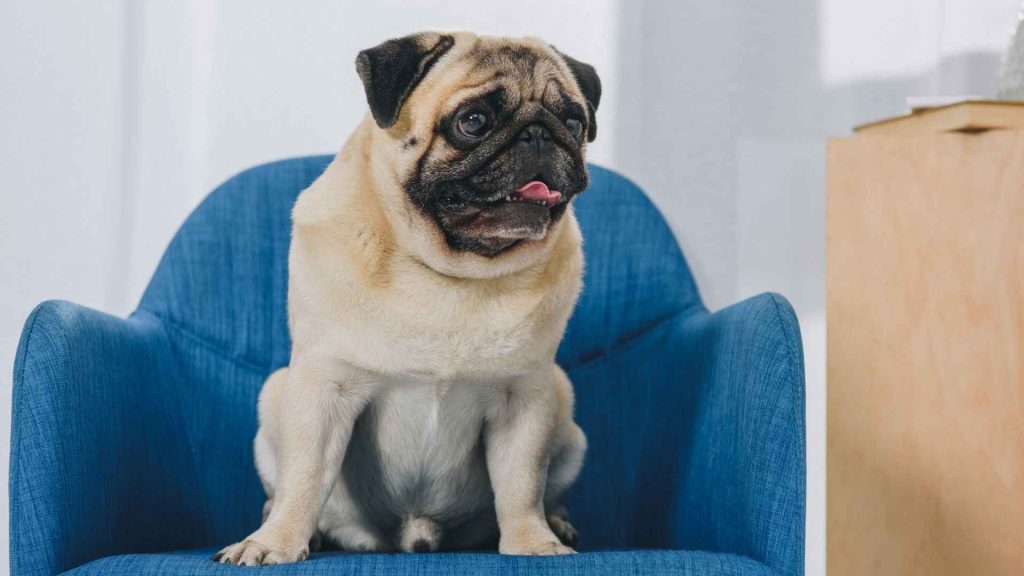
Are you curious about toy dog breeds and what makes them so special? Whether you’re thinking about adding a small, charming companion to your life or simply want to learn more, understanding what a toy dog breed is can help you make the best choice.
These tiny dogs are full of personality and can fit perfectly into your home, no matter the size. Keep reading to discover why toy dog breeds might be the perfect match for you and how they stand out from other dogs in amazing ways.
Toy Dog Breed Characteristics
Toy dog breeds are small dogs bred primarily for companionship. Their size makes them perfect for apartment living and lap cuddles. Despite their tiny frames, they often have big personalities. Understanding their characteristics helps in choosing the right toy breed for your lifestyle.
Size And Appearance
Toy dogs usually weigh under 10 pounds and stand less than 12 inches tall. Their bodies are compact and delicate. Many have soft, fine coats that need regular grooming. Popular toy breeds include the Chihuahua, Pomeranian, and Maltese. Their small size often comes with large, expressive eyes and alert ears.
Temperament Traits
Toy dogs are known for being lively and affectionate. They bond closely with their owners and enjoy attention. These dogs can be alert and sometimes bark at strangers. Despite their size, they often show bravery and confidence. Many toy breeds are intelligent and quick learners.
Common Health Concerns
Small size can lead to specific health issues in toy breeds. Dental problems are frequent due to crowded teeth. Some suffer from fragile bones and joint issues. Hypoglycemia, or low blood sugar, is common in puppies. Regular vet check-ups and proper care help maintain their health.
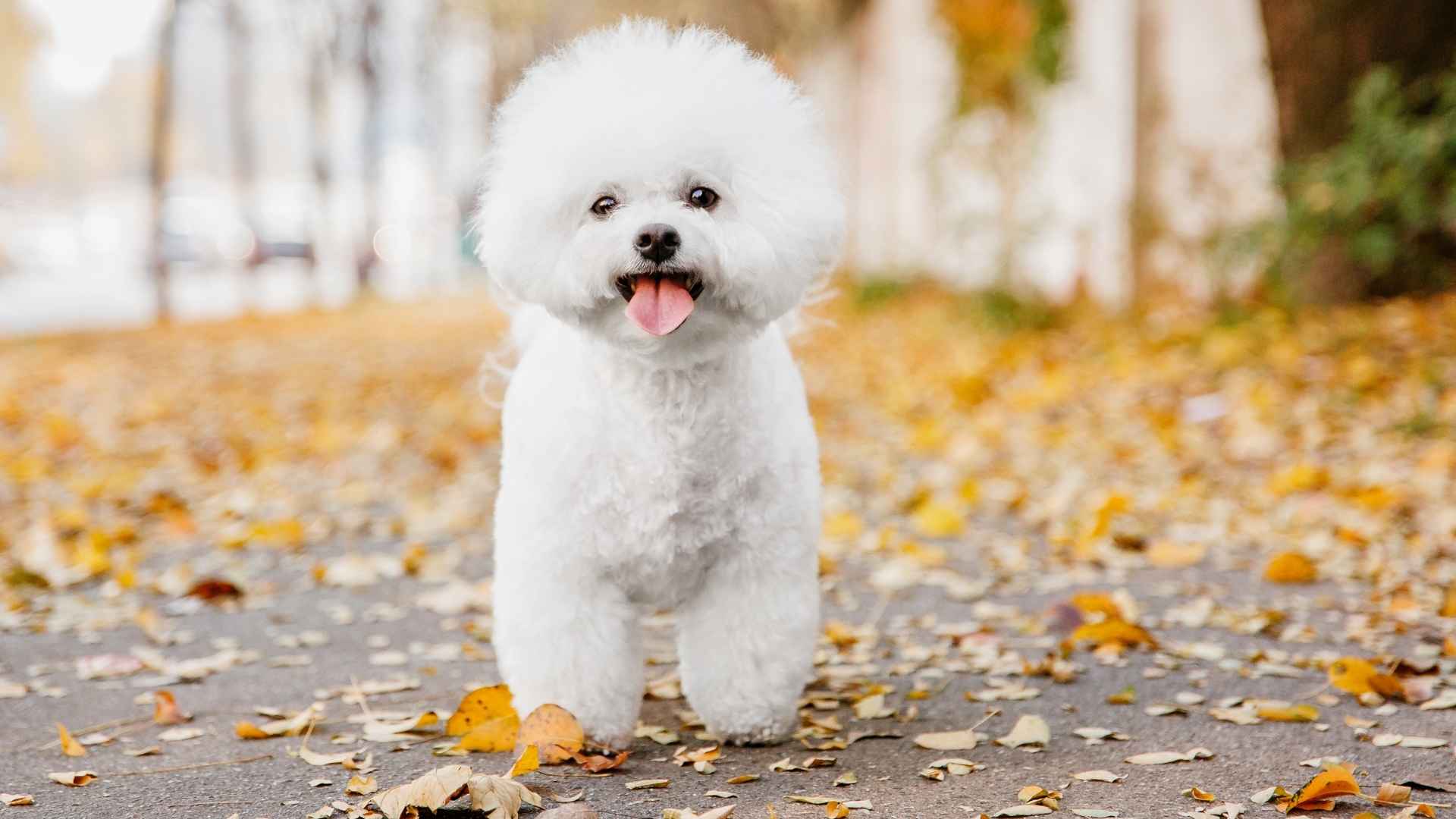
Credit: worldanimalfoundation.org
Popular Toy Dog Breeds
Popular toy dog breeds have captured the hearts of many with their small size and big personalities. These breeds are perfect for people who want a loyal companion without the space or time commitment of a larger dog. Understanding the unique traits of each can help you decide which toy dog fits your lifestyle best.
Chihuahua
The Chihuahua is famous for being the tiniest dog breed with a bold attitude. Despite their size, they are incredibly brave and often act like they’re much bigger than they really are. If you value a watchful and lively pet, a Chihuahua could be your perfect match.
Many owners appreciate how easy they are to carry around, making them great for city living. Have you ever noticed how their big eyes seem to communicate so much without a single bark?
Pomeranian
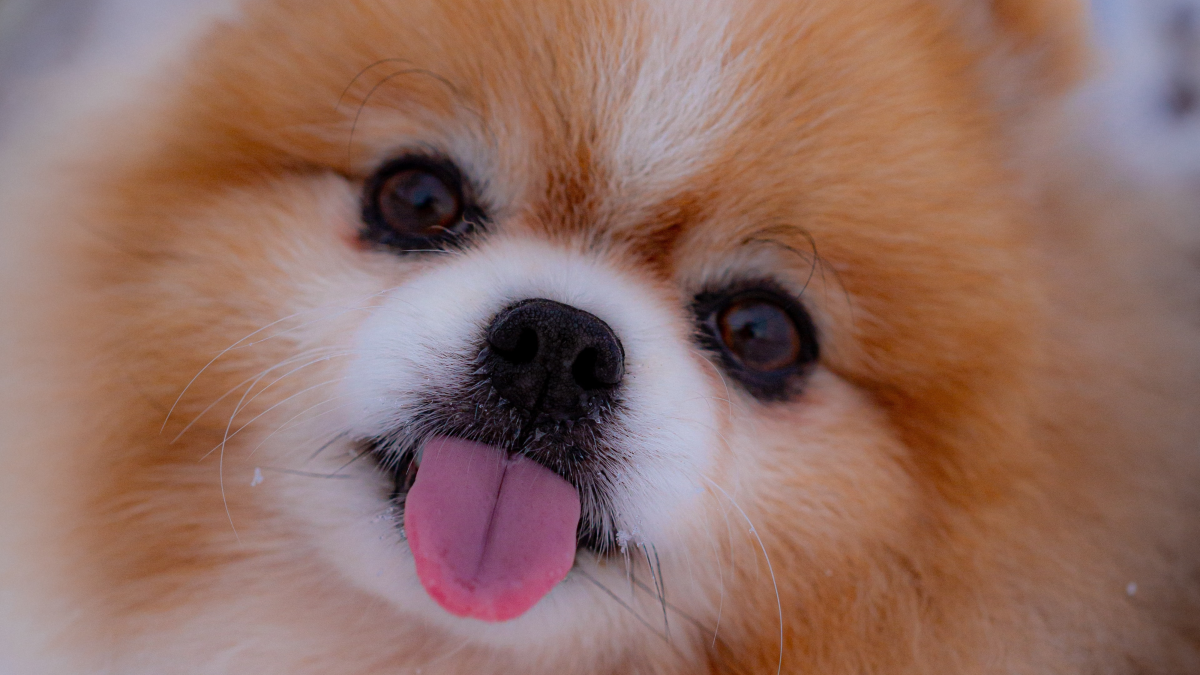
Pomeranians are known for their fluffy coats and cheerful nature. They love attention and are very social dogs, always eager to be part of the family activities. Their thick fur requires regular brushing, but it’s worth it for the cuddles and charm they offer.
Think about your daily routine—can you give a Pomeranian the grooming and playtime it needs? Their playful energy often surprises new owners.
Yorkshire Terrier
The Yorkshire Terrier, or Yorkie, is a small dog with a big personality and a gorgeous silky coat. They are intelligent and can be trained easily with patience and consistency. Yorkies enjoy being the center of attention and thrive in environments where they get plenty of interaction.
Do you enjoy teaching tricks and spending quality time with your pet? Yorkies respond well to mental stimulation and can become your energetic little buddy.
Maltese
The Maltese is gentle, affectionate, and known for its beautiful white coat. They make excellent companions for both individuals and families because of their friendly and calm demeanor. Regular grooming is essential to keep their fur looking its best.
If you want a dog that loves quiet cuddles as much as playtime, the Maltese might be the breed for you. Have you considered how a calm and loving companion could brighten your day?
Choosing The Right Toy Dog
Choosing the right toy dog requires understanding your daily routine and needs. Toy dogs vary in temperament, size, and care requirements. Matching a toy dog with your lifestyle ensures a happy pet and owner. Consider activity, grooming, and living space before deciding.
Lifestyle Compatibility
Some toy dogs enjoy quiet homes while others need more attention. Small apartments suit many toy breeds. Busy schedules may need a dog that handles alone time well. Think about family members and visitors who interact with the dog.
Activity Levels
Toy dogs differ in energy and playfulness. Some love short walks and playtime. Others prefer cuddling and resting. Choose a breed that fits your daily activity level. This helps avoid stress for both you and the dog.
Grooming Needs
Coat types vary from short and smooth to long and curly. Some toy dogs require daily brushing. Others need occasional baths and trimming. Grooming affects time and cost. Know the breed’s grooming needs before adopting.
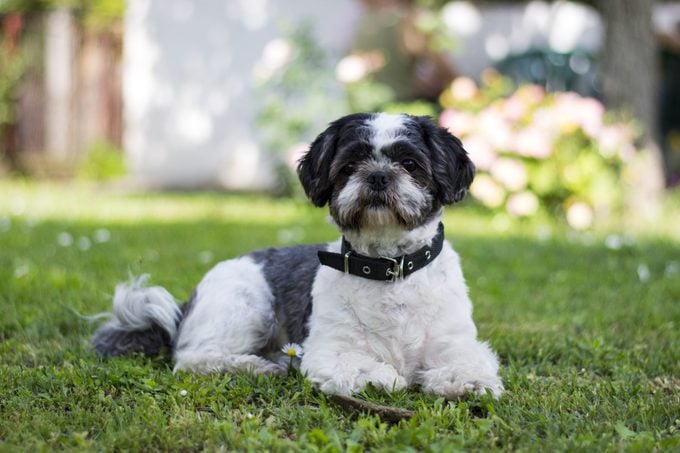
Credit: www.rd.com
Training And Socialization Tips
Training and socialization are crucial for toy dog breeds to thrive in any home environment. These tiny companions often have big personalities and unique needs that require patient and consistent guidance. By focusing on key areas like basic commands, managing separation anxiety, and introducing them to other pets, you can help your toy dog become a confident and well-mannered member of your family.
Basic Commands
Teaching basic commands such as “sit,” “stay,” and “come” sets the foundation for good behavior. Use short training sessions of about 5-10 minutes to keep your toy dog engaged without overwhelming them.
Positive reinforcement works best—reward your dog with treats or praise immediately after they follow a command. Have you noticed how quickly your toy dog picks up on consistent signals? That’s the power of clear and gentle training.
Handling Separation Anxiety
Toy dogs often form strong bonds and may struggle when left alone. To ease separation anxiety, start by leaving your dog alone for short periods and gradually increase the time.
Providing toys or safe chew items can distract them and reduce stress. Try to stay calm and avoid dramatic goodbyes; your energy affects how your dog feels. Have you observed your dog’s behavior when you prepare to leave? Small changes in your routine can make a big difference.
Introducing To Other Pets
Introducing your toy dog to other pets requires patience and careful supervision. Begin introductions in a neutral space to avoid territorial behavior.
Keep initial meetings brief and positive, rewarding calm interactions with treats. Watch body language closely—does your dog seem curious or fearful? Your awareness can prevent conflicts and build peaceful relationships between pets.
Care And Maintenance
Caring for a toy dog breed takes attention to detail and a gentle approach. These tiny companions may be small, but their needs are just as important as larger dogs. Understanding how to maintain their health and happiness will help you enjoy a strong bond with your pet.
Diet And Nutrition
Your toy dog’s diet should be rich in high-quality protein and healthy fats to support their energy and coat health. Choose foods formulated specifically for small breeds, as these have the right balance of nutrients and kibble size for tiny mouths.
Be cautious with treats—too many can easily lead to weight gain. Have you noticed how quickly a small dog can gain weight from just a few extra bites? Keep portions controlled and feed multiple small meals throughout the day.
Exercise Requirements
Though small, toy dogs need regular exercise to stay fit and mentally sharp. Short, frequent walks and play sessions are ideal. This helps avoid boredom and destructive behavior.
Think about your toy dog’s energy levels. Some breeds are surprisingly active and need more stimulation than you might expect. Tailoring exercise to their personality keeps them happy and healthy.
Regular Vet Checkups
Regular vet visits are essential for early detection of health issues common in toy breeds, like dental problems and joint issues. Schedule checkups at least once a year, or more often if recommended by your vet.
Vaccinations, dental cleanings, and parasite prevention keep your small dog protected. Have you ever skipped a vet visit only to regret it later? Staying proactive ensures your toy dog lives a longer, healthier life.
Benefits Of Toy Dog Companionship
Toy dog breeds bring many joys to their owners. Their small size and friendly nature make them perfect companions. These dogs offer comfort and happiness in daily life. Many people find their presence calming and uplifting. They fit easily into various lifestyles and living spaces. Below are some key benefits of having a toy dog as a companion.
Emotional Support
Toy dogs provide strong emotional support. Their affectionate behavior helps reduce feelings of loneliness. They respond well to human touch and love. Many owners feel calmer with a toy dog nearby. These pets offer comfort during stressful or sad times. Their loyal nature creates a deep bond with owners.
Apartment Living Suitability
Toy dogs adapt well to apartment life. Their small size means they need less space to move. They require shorter walks compared to larger breeds. These dogs are usually quiet and less disruptive. They fit easily into tight living areas. Owners can enjoy pet companionship without worrying about space.
Travel-friendly Pets
Toy dogs are great travel companions. Their compact size makes transport easier. They fit comfortably in carriers and small vehicles. Many owners take them on trips without hassle. These dogs adapt quickly to new places. Traveling with a toy dog adds joy to adventures.
Credit: pethelpful.com
Frequently Asked Questions
What Defines A Toy Dog Breed?
A toy dog breed is defined by its small size and companionable nature. These breeds are typically under 15 pounds. They are bred primarily for companionship, making them perfect lap dogs. Despite their size, they often have vibrant personalities and are known for their loyalty and affection.
Are Toy Dog Breeds Good For Apartments?
Yes, toy dog breeds are excellent for apartment living. Their small size makes them ideal for confined spaces. They generally require less exercise compared to larger breeds. However, they still need regular walks and playtime. Their adaptable nature makes them perfect companions for urban dwellers.
What Are Common Health Issues In Toy Breeds?
Common health issues in toy breeds include dental problems, patellar luxation, and tracheal collapse. Due to their small mouths, dental care is crucial. Regular vet check-ups help in early diagnosis. Proper care and a healthy diet can mitigate many health problems.
Always consult a vet for specific breed concerns.
How Much Exercise Do Toy Breeds Need?
Toy breeds typically need moderate exercise, around 20-30 minutes daily. Short walks and playtime are usually sufficient. Despite their size, they enjoy mental stimulation and interactive games. It’s essential to avoid over-exertion due to their small stature. Always tailor exercise to your dog’s specific needs and energy levels.
Conclusion
Toy dog breeds are small, friendly, and full of charm. They fit well in apartments and small homes. These dogs need love, care, and regular exercise. Their playful nature makes them great companions. Choosing the right toy dog depends on your lifestyle.
They bring joy and warmth to any family. Small size, big heart. Perfect for those who want a loyal friend. Consider a toy dog if you want a cute, loving pet.

Emily Barker is the founder of ChillDogLife.com, a space dedicated to helping pup parents discover the best dog products, lifestyle tips, and cozy ideas for happier homes.
A lifelong dog lover, Emily combines her passion for pets with a knack for research to share trusted recommendations on everything from toys and furniture to health and everyday care.
Her goal is simple: to make life easier, stylish, and more joyful for dogs and the people who love them.




