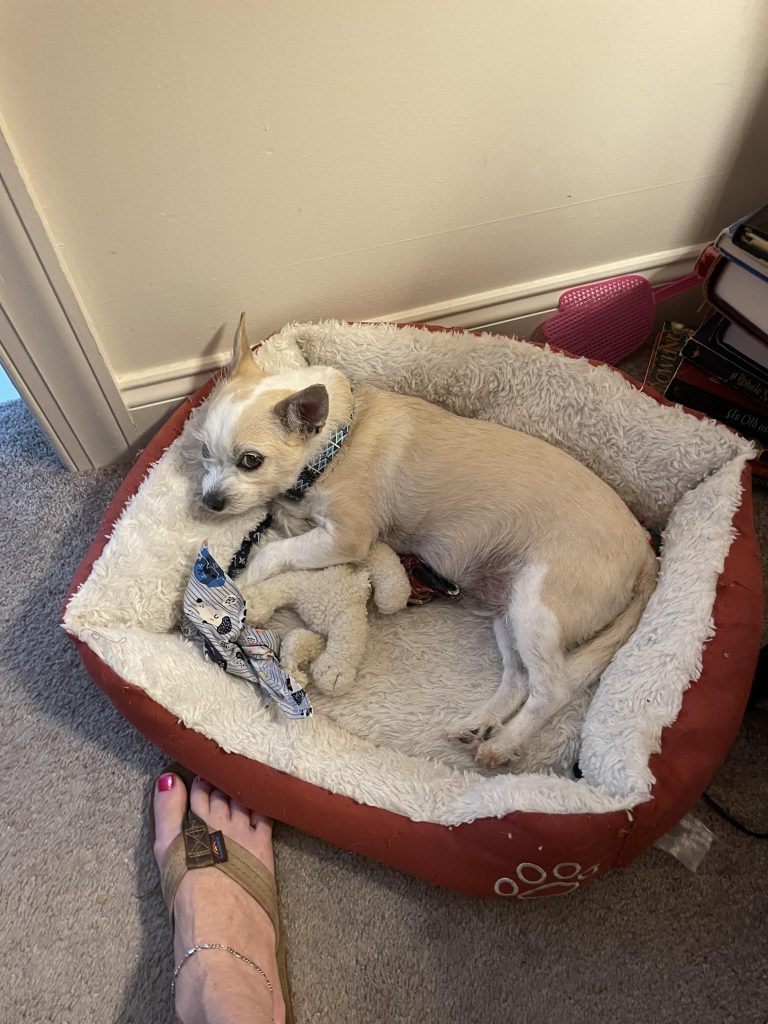
Have you ever brought home a new toy for your dog, only to watch it gather dust while your furry friend shows no interest? It can be confusing and even a little disappointing when your dog doesn’t play with toys like you expected.
You might wonder if something is wrong or if your dog just doesn’t like toys at all. Understanding why your dog isn’t playing can help you find the right way to spark their interest and strengthen your bond. Keep reading to discover the surprising reasons behind this behavior and what you can do to bring back the fun.
Common Reasons Dogs Avoid Toys
Many dog owners wonder why their pets avoid toys. Dogs may not play with toys for several reasons. Understanding these can help improve your dog’s playtime and happiness. Some dogs simply do not find toys interesting. Others may have had bad experiences or health problems. Some prefer other activities over toys. Exploring these common reasons explains why your dog might avoid toys.
Lack Of Interest Or Motivation
Some dogs do not find toys exciting. They may prefer rest or calm time. Puppies often need time to learn about toys. Older dogs might lose interest as they age. Lack of motivation can come from boredom or confusion. Toys that are too hard or too soft may not attract them. Simple, soft toys often work best.
Previous Negative Experiences
Dogs remember bad experiences with toys. A toy that hurt their teeth or scared them can cause avoidance. Rough play or accidental injuries can create fear. Loud noises from toys might also frighten some dogs. Negative memories lead to less interest in toys. Gentle, positive play helps rebuild trust.
Health Issues Affecting Play
Health problems can stop dogs from playing. Pain from arthritis or dental issues makes chewing hard. Dogs with low energy due to illness avoid toys. Vision or hearing loss can reduce interest too. If your dog avoids toys suddenly, check for health problems. A vet visit can help find the cause.
Preference For Alternative Activities
Not all dogs like toys for fun. Some prefer running, walking, or chasing things. Others enjoy sniffing and exploring outside. Social dogs may like playing with other dogs more. Toys are not the only way to keep dogs happy. Find what your dog loves and encourage those activities.

Credit: www.reddit.com
How Breed And Personality Influence Play
Understanding why your dog might not play with toys often starts with recognizing how their breed and personality shape their play behavior. Each dog brings unique instincts and preferences to the table, influenced by genetics and individual traits. This means that what excites one dog may leave another indifferent, even within the same household.
Breed-specific Play Tendencies
Different breeds have different natural drives that affect how they interact with toys. For example, retrievers often love fetch because they were bred to retrieve game, while terriers may prefer toys that let them dig or chew, tapping into their hunting instincts.
If your dog belongs to a breed known for guarding or herding, they might show less interest in typical play and more in activities that engage their mind and body differently. Have you noticed your dog’s breed traits influencing their play style?
Individual Personality Traits
Just like people, dogs have unique personalities that shape their interests and energy. Some dogs are naturally more playful and curious, while others are calm or even shy, which can reduce their desire to play with toys.
Think about your dog’s behavior in other areas—are they adventurous or cautious? This can give clues about why they might ignore toys. Sometimes, a quiet dog simply prefers cuddling or gentle interaction over active play.
Age And Energy Levels
Age plays a significant role in how much your dog wants to play. Puppies and young dogs usually have more energy and curiosity, leading to more frequent play sessions. Older dogs might slow down and prefer restful activities.
Energy levels also depend on health and lifestyle. A tired or less active dog might not be motivated to engage with toys, even if they used to enjoy them. Could adjusting your dog’s exercise routine spark new interest in play?
Choosing The Right Toys
Choosing the right toys can make a huge difference in whether your dog shows interest in playtime. Not all dogs are the same, and their toy preferences can vary widely. Finding the perfect match involves understanding your dog’s likes, physical needs, and play style.
Matching Toys To Your Dog’s Preferences
Observe what excites your dog naturally. Some dogs love to chew, while others enjoy chasing or tugging. If your dog ignores balls but perks up around squeaky toys, that tells you where to focus.
Think about your dog’s personality too. A shy dog might prefer soft, plush toys, while an energetic one could thrive with durable rubber or rope toys. Have you noticed which toys they go to first?
Material And Size Considerations
Choosing the right material is key for safety and enjoyment. Hard plastic toys might be fun for heavy chewers but could hurt a dog with sensitive teeth. Soft toys are great for gentle play but may not last long with aggressive chewers.
Size matters more than many realize. A toy too small can be a choking hazard, while one too big might discourage your dog from playing. Pick a size that your dog can comfortably carry and chew without trouble.
Interactive Vs. Solo Play Toys
Some dogs thrive on toys that engage them directly, like puzzle feeders or tug ropes you control. These interactive toys build your bond and keep their minds sharp. Others prefer solo play with balls or chew toys they can entertain themselves with.
Does your dog seem bored with toys when you’re not involved? Try introducing interactive toys that challenge them mentally. You might find that your dog needs more than just a chew toy to stay interested.
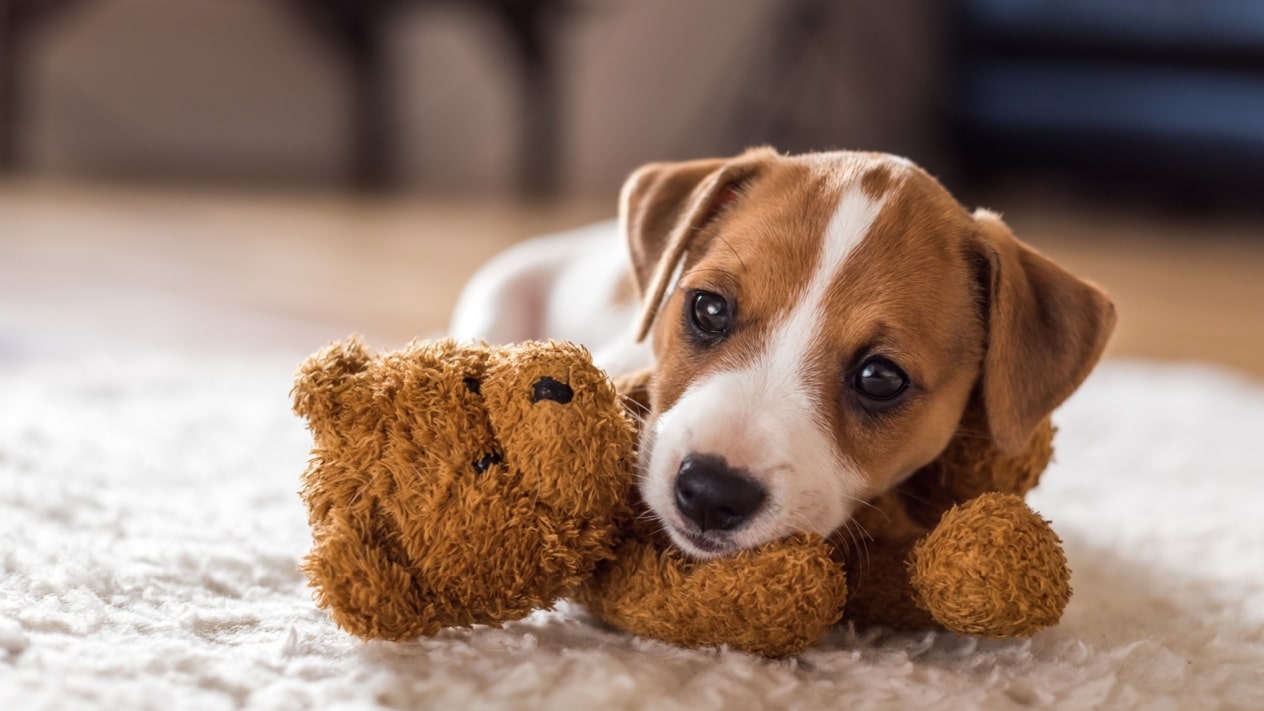
Credit: vogdog.com
Encouraging Play With Positive Reinforcement
Encouraging your dog to play with toys often requires more than just placing the toys in front of them. Positive reinforcement is a powerful way to motivate your dog and build a fun, rewarding experience around playtime. By rewarding your dog for interacting with toys, you create a connection between play and positive feelings, making them more likely to engage on their own.
Using Treats And Praise
Treats and praise act as immediate rewards that let your dog know they are doing something right. When your dog shows any interest in a toy, offer a tasty treat or enthusiastic praise to reinforce that behavior.
For example, if your dog sniffs or nudges a ball, say “Good job!” and give a small treat. This simple action teaches your dog that playing with toys brings positive attention and rewards.
Try using high-value treats that your dog loves but doesn’t get often. This keeps their motivation high and makes playtime more exciting.
Incorporating Play Into Daily Routine
Consistency helps your dog anticipate and look forward to play sessions. Set aside specific times each day for play, such as after walks or meals, so your dog starts to expect and enjoy these moments.
Short, frequent play sessions work better than long, sporadic ones. Even five minutes of focused play can boost your dog’s interest in toys over time.
Ask yourself: How can I fit play into my daily schedule without feeling like a chore? Remember, your enthusiasm sets the tone for your dog’s excitement.
Making Playtime Engaging
Different dogs prefer different types of toys and play styles. Experiment with squeaky toys, ropes, balls, or puzzle toys to find what sparks your dog’s curiosity.
Change the toys regularly to prevent boredom. Rotate them to keep your dog’s interest fresh and make playtime feel like a new adventure.
Use your voice and body language to make play interactive. Calling your dog’s name, using playful tones, and moving around can turn a simple toy into a thrilling game.
When To Consult A Veterinarian Or Trainer
Not playing with toys can signal issues beyond simple disinterest. Sometimes, expert help is needed to understand why your dog avoids toys. A veterinarian or trainer can offer insights and solutions. Knowing when to seek their advice is key to your dog’s happiness and health.
Identifying Behavioral Concerns
Some dogs may show signs of anxiety or fear around toys. They might also prefer human interaction over playing alone. Changes in behavior, such as aggression or withdrawal, can indicate deeper problems. A trainer can assess these behaviors and suggest ways to encourage play.
Ruling Out Medical Problems
Health issues can cause a lack of interest in toys. Pain, dental problems, or vision loss might stop your dog from playing. A vet checkup can detect these hidden problems. Treating medical issues often restores a dog’s playfulness.
Professional Training Techniques
Trainers use specific methods to engage dogs with toys. They teach owners how to make playtime fun and rewarding. Techniques include positive reinforcement and gradual introduction to new toys. Professionals tailor these methods to fit your dog’s unique needs.
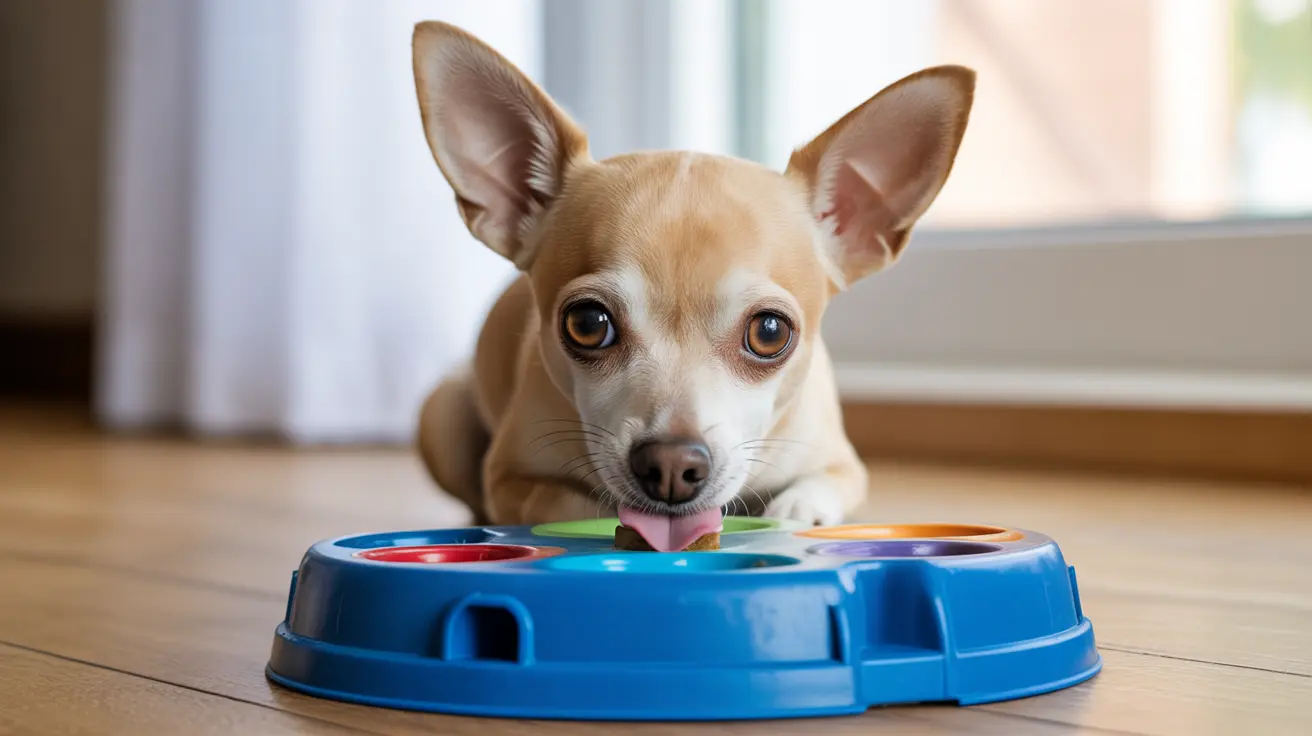
Credit: www.petscare.com
Frequently Asked Questions
Why Does My Dog Ignore Toys Completely?
Some dogs may not play with toys due to lack of interest or boredom. Health issues or past trauma can also affect their play behavior. Providing varied, interactive toys and ensuring your dog’s well-being can encourage engagement and enjoyment during playtime.
Can Age Affect My Dog’s Toy Interest?
Yes, age significantly impacts toy interest. Puppies are curious and playful, but older dogs may lose enthusiasm. Senior dogs might prefer gentle activities over vigorous play. Adjusting toy types and play methods to your dog’s age can maintain their interest and comfort.
How Can I Make Toys More Appealing To My Dog?
Enhance toys by adding treats or scents your dog loves. Rotate toys regularly to keep novelty. Engage your dog with interactive play sessions. Positive reinforcement during play encourages your dog to associate toys with fun and rewards.
Could My Dog’s Breed Influence Toy Preference?
Breed traits often dictate play style and toy preferences. Some breeds enjoy fetch, others prefer tug toys or chewables. Understanding your dog’s breed characteristics helps select toys that match their natural instincts and encourage play.
Conclusion
Dogs have different reasons for not playing with toys. Sometimes, they feel tired or scared. Other times, they prefer human attention or outdoor fun. Changing toys or spending more time together helps. Patience and care make a big difference. Watch your dog’s mood and habits closely.
Every dog is unique and learns at its own pace. Enjoy the moments you share, with or without toys. Keep trying gently, and your dog may start to play soon.

Emily Barker is the founder of ChillDogLife.com, a space dedicated to helping pup parents discover the best dog products, lifestyle tips, and cozy ideas for happier homes.
A lifelong dog lover, Emily combines her passion for pets with a knack for research to share trusted recommendations on everything from toys and furniture to health and everyday care.
Her goal is simple: to make life easier, stylish, and more joyful for dogs and the people who love them.




