
Is your dog digging under the fence again? It can be frustrating to find holes and loose soil every time you check your yard.
You want to keep your dog safe and your yard intact, but stopping this behavior feels like a constant battle. The good news is, you don’t have to give up or just patch the holes endlessly. You’ll discover simple, effective ways to stop your dog from digging under the fence for good.
Keep reading to protect your yard and enjoy peace of mind knowing your furry friend stays safe where they belong.
Credit: www.walmart.com
Reasons Dogs Dig Under Fences
Dogs dig under fences for different reasons. Understanding these reasons helps to stop the behavior. Digging can be a sign of natural instincts or unmet needs. It may also show boredom or a desire to escape. Knowing why dogs dig is the first step to solving the problem.
Instinct And Boredom
Digging is a natural instinct for many dog breeds. Some dogs dig to create a cool spot to lie down. Others dig because they feel bored and have extra energy. Without enough play or exercise, dogs may dig to entertain themselves.
Escape Attempts
Dogs often dig to escape from the yard. They may want to explore or chase animals. If the fence feels like a barrier, digging becomes a way out. This behavior can be dangerous if the dog runs into traffic or gets lost.
Attention Seeking
Some dogs dig to get attention from their owners. If digging causes a reaction, dogs may repeat it. Even negative attention can seem better than none. Dogs need regular interaction and affection to feel secure.
Hunting Behavior
Dogs have strong hunting instincts. They may dig to catch small animals hiding near the fence. The sound or smell of creatures underground triggers digging. This natural behavior is common in hunting breeds.

Credit: www.amazon.com
Signs Your Dog Is Digging
Dogs dig for many reasons, such as boredom, instinct, or escape attempts. Recognizing signs of digging helps address the problem early. Spotting these clues near your fence can save your yard and keep your dog safe.
Fresh Holes Near Fence
Look for new holes along the fence line. They often appear as loose, freshly turned soil. These holes are usually shallow but can grow deeper quickly. Check these spots daily to catch digging early.
Loose Soil And Trailing Paths
Loose dirt piles or trails of disturbed soil indicate digging activity. Your dog may create paths leading away from the fence. These trails show where your dog frequently digs and tries to escape.
Damaged Fence Areas
Damage near the base of the fence is a common sign. Look for gaps, scratches, or worn spots. Dogs often dig where the fence is weakest or where they want to get through.
Preventive Fence Solutions
Preventive fence solutions help stop dogs from digging under fences. They create strong barriers that discourage digging. These solutions protect your yard and keep your dog safe. Easy to install and maintain, they save time and stress.
Installing Dig-proof Barriers
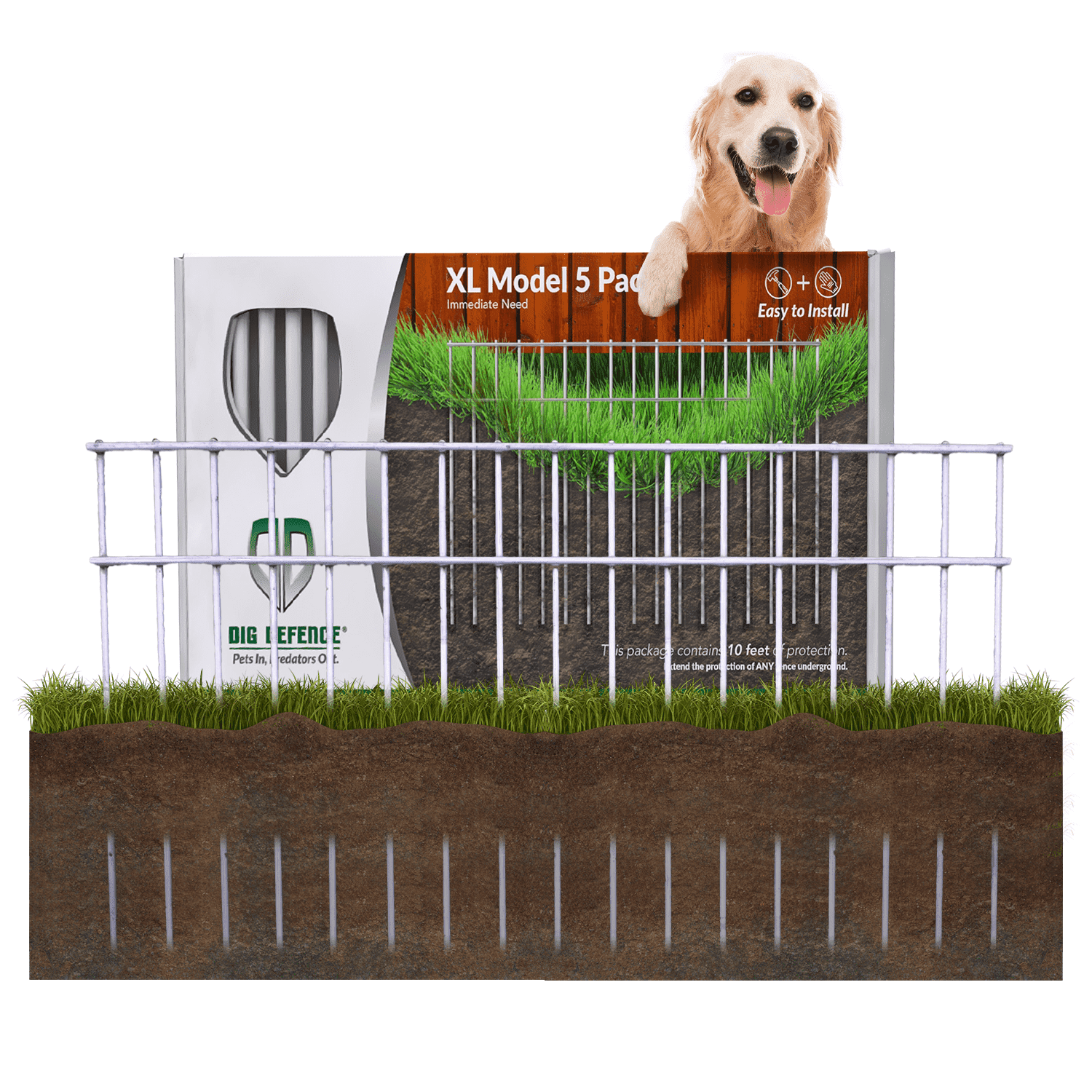
Dig-proof barriers block dogs from digging near the fence base. Use heavy-duty wire mesh or hardware cloth. Attach the mesh securely along the fence bottom. Extend it out horizontally, buried or on the ground. Dogs meet resistance and lose interest in digging.
Burying Fencing Material
Bury part of the fence underground to stop digging. Dig a trench about 12 inches deep along the fence line. Place fencing material like chicken wire or hardware cloth inside. Cover it with soil to hide the barrier. Dogs cannot dig past the buried fence section.
Adding Gravel Or Concrete
Gravel or concrete beneath the fence creates a tough digging surface. Lay a layer of gravel or pour concrete along the fence base. This makes digging uncomfortable and difficult. Choose gravel for better drainage or concrete for a solid barrier. Both options keep your dog away from digging spots.

Credit: www.reddit.com
Training Techniques To Stop Digging
Training your dog to stop digging under the fence takes patience and consistency. You need to focus on teaching your dog what behavior you expect and rewarding them for following those rules. Here are some effective training techniques that can help you turn your dog’s digging habit around.
Positive Reinforcement
Dogs respond best to rewards rather than punishment. Whenever your dog stops digging or chooses to play in a different spot, immediately praise them or give a treat. This creates a clear connection between good behavior and positive outcomes.
Try to catch your dog in the act and redirect their attention. If they pause or stop digging, say “good job” and reward. Over time, they’ll start understanding that digging under the fence leads to no rewards.
Redirecting Energy
Digging often comes from boredom or excess energy. Instead of trying to stop digging directly, give your dog an alternative way to release that energy. Play fetch, take longer walks, or introduce puzzle toys.
Set up a digging pit in another part of your yard where it’s okay to dig. Show your dog this new spot and encourage them to use it. This way, they satisfy their digging instincts without damaging your fence.
Using Commands And Boundaries
Teach your dog specific commands like “leave it” or “no dig.” Use these words firmly when you see them starting to dig near the fence. Consistency is key—always respond the same way.
Mark physical boundaries if needed. You can place a row of rocks or install chicken wire along the base of the fence. Combine these physical barriers with your commands to reinforce the message that digging there is off-limits.
Enrichment To Reduce Digging
Dogs often dig under fences out of boredom or stress. Enriching their environment helps reduce this digging behavior. Enrichment keeps your dog busy and mentally satisfied. It also lowers the chance of destructive digging. Here are some ways to enrich your dog's life and stop fence digging.
Regular Exercise
Exercise burns your dog’s energy and calms their mind. Walks, runs, and playtime help reduce restlessness. A tired dog is less likely to dig out of boredom. Exercise also strengthens your bond and improves behavior. Aim for daily activity suitable for your dog’s breed and age.
Interactive Toys
Toys that challenge your dog keep them mentally active. Puzzle feeders and treat-dispensing toys hold their attention. These toys make your dog think and solve problems. Mental exercise can be just as tiring as physical play. Rotate toys often to keep your dog interested and engaged.
Designated Digging Areas
Create a special spot where your dog can dig freely. Use a sandbox or a loose soil patch in your yard. Encourage your dog to dig there by hiding toys or treats. Praise your dog when they dig in the right place. This helps redirect their natural digging urge safely.
Addressing Anxiety And Stress
Dogs often dig under fences due to anxiety and stress. This behavior can be a way to escape a stressful environment or cope with loneliness. Understanding and addressing your dog’s emotional needs can help reduce digging and create a calmer home for both of you.
Recognizing Separation Anxiety
Separation anxiety can cause dogs to dig as they try to find a way out or express their distress. Signs include whining, pacing, excessive barking, and destructive behavior when you leave. Watch your dog closely—do they start digging shortly after you walk away?
If your dog shows these signs, try to observe what triggers their anxiety. It might be the sound of your car, a specific time of day, or even the way you say goodbye.
Calming Products And Methods
You can use several tools to help your dog feel more secure. Items like calming collars, anxiety wraps, or pheromone diffusers can reduce stress levels. These products often work by mimicking comforting scents or applying gentle pressure to soothe your pet.
In addition, simple changes in your routine may help. Leaving a TV or radio on, providing interactive toys, or using treat puzzles can distract your dog and reduce their urge to dig.
Seeking Professional Help
If anxiety persists, consulting a professional is a smart choice. A veterinarian can rule out medical issues and recommend medication if needed. Meanwhile, a certified dog trainer or animal behaviorist can teach you techniques to manage your dog’s stress effectively.
Have you considered how much your dog’s digging might be a call for help? Taking the step to get professional advice could be the key to peace for your pet and your yard.
When To Consult A Veterinarian
Knowing when to consult a veterinarian about your dog’s fence digging can save you a lot of frustration and your dog from potential harm. Not all digging is just a bad habit; sometimes, it signals deeper problems. Recognizing the signs that require professional advice helps you act in your dog’s best interest promptly.
Excessive Or Compulsive Digging
If your dog is digging constantly, even after you’ve tried training and provided plenty of exercise, it might be more than just a bad habit. Dogs can develop compulsive behaviors that are similar to human anxiety disorders. This kind of digging doesn’t stop with commands or distractions—it often becomes a repetitive, uncontrollable action.
Ask yourself: Does your dog dig at odd hours or in stressful situations? Do they seem anxious or restless while digging? A vet can help identify if this behavior is linked to anxiety or another mental health issue and suggest treatment options like behavior modification or medication.
Underlying Medical Issues
Sometimes digging under the fence is a sign of physical discomfort or illness. Conditions like skin allergies, parasites, or even pain in the paws can make your dog dig compulsively to relieve irritation or discomfort. Have you noticed your dog licking or biting their paws excessively alongside the digging?
Veterinarians can perform a thorough examination and run tests to uncover hidden health problems. Addressing these issues often stops the digging and improves your dog’s overall well-being. Don’t ignore sudden changes in behavior; they might be your dog’s way of telling you something is wrong.
Frequently Asked Questions
Why Does My Dog Dig Under The Fence?
Dogs dig under fences often due to boredom or anxiety. They may be trying to escape or explore. Provide plenty of toys and mental stimulation. Regular exercise can also help reduce this behavior. Ensure your dog feels secure and has enough physical and mental activities.
How Can I Stop My Dog From Digging?
To stop your dog from digging, create barriers like chicken wire or stones. Use deterrents such as citrus scents or commercial sprays. Train your dog with positive reinforcement. Provide a designated digging area to satisfy their natural instincts. Consistency and patience are key.
Are Certain Dog Breeds More Prone To Digging?
Yes, some breeds are more prone to digging. Terriers, Beagles, and Dachshunds are known diggers. These breeds were historically bred for hunting and burrowing. Understanding your dog’s breed tendencies can help in managing their digging behavior. Tailor your approach based on their natural instincts.
What Tools Can Prevent Digging?
Tools like dig-proof barriers or underground fencing can prevent digging. Use chicken wire or stones to reinforce fence bases. Motion-activated water sprays can deter digging. Training tools and positive reinforcement can also be effective. Consistent application of these tools helps in preventing digging.
Conclusion
Stopping your dog from digging under the fence takes patience and care. Try different methods to see what works best. Keep your dog busy with toys and exercise. Fix weak spots in the fence quickly. Reward good behavior to encourage it more.
Remember, dogs dig for many reasons. Understanding why helps you find the right solution. Stay consistent and calm throughout the process. Soon, your yard will be safe and your dog happy. Small changes can make a big difference.

Emily Barker is the founder of ChillDogLife.com, a space dedicated to helping pup parents discover the best dog products, lifestyle tips, and cozy ideas for happier homes.
A lifelong dog lover, Emily combines her passion for pets with a knack for research to share trusted recommendations on everything from toys and furniture to health and everyday care.
Her goal is simple: to make life easier, stylish, and more joyful for dogs and the people who love them.




