Is your dog constantly digging under the fence, escaping your yard and causing you endless frustration? You’re not alone.
Many dog owners face this tricky problem and wonder how to stop it for good. The good news is, you can take simple, effective steps to keep your furry friend safe and your yard intact. You’ll discover practical tips and easy solutions that work.
Keep reading to find out exactly how to get your dog to stop digging under the fence—so you can enjoy peace of mind and a happy pet.

Credit: www.reddit.com
Why Dogs Dig Under Fences
Understanding why your dog digs under the fence is the key to stopping the behavior. Dogs don’t dig just to be naughty; there are clear reasons behind their actions. Identifying these reasons helps you address the root cause and keep your yard safe and secure.
Natural Instincts
Digging is a natural behavior for many dogs. Their ancestors dug to find food, create shelter, or hide valuables. Even if your dog is well-fed and comfortable, this instinct can still drive them to dig.
Some breeds, like terriers and hounds, have stronger digging instincts. Recognizing your dog’s breed tendencies can help you manage this behavior better. Have you noticed if your dog digs more in certain spots? Those might be spots where their instincts are triggered.
Boredom And Anxiety
Your dog might dig under the fence because they’re bored or anxious. Dogs need mental and physical stimulation; without it, they find their own entertainment. Digging becomes a way to release pent-up energy or stress.
If your dog spends long hours alone or lacks enough exercise, they may dig to cope. Adding interactive toys or daily walks can reduce this urge. Think about your dog’s daily routine—could they need more mental or physical activity?
Escape Motivation
Some dogs dig under fences because they want to escape. They may be chasing something, looking for company, or trying to explore beyond their yard. If your dog has successfully escaped before, they’ll keep trying.
Check if something outside the fence attracts your dog’s attention. Maybe a neighbor’s pet or a favorite walk route. Blocking their view or strengthening the fence base can help stop these escape attempts.
Signs Your Dog Is Digging
Dogs dig for many reasons. Boredom, hunting instincts, or trying to escape are common causes. Knowing the signs your dog is digging helps you stop the behavior early. Watch for physical clues around your yard and changes in your dog’s actions.
Visible Holes And Loose Soil
Check your yard for fresh holes near the fence line. Loose soil piled up is a clear sign of digging. Holes may vary in size depending on your dog’s breed and energy level. Look for dirt clumps or disturbed grass as well.
Behavioral Clues
Your dog may show restlessness or dig when left alone. They might paw at the fence or scratch the ground repeatedly. Some dogs dig to hide toys or food. Notice if your pet spends more time near the fence than usual.
Fence Damage Indicators
Look for scratches or gaps at the bottom of the fence. Loose or bent panels can mean your dog has been digging underneath. Check for dirt build-up against the fence base. These signs suggest your dog is trying to escape or explore.
Preventing Fence Digging
Stopping your dog from digging under the fence often begins with prevention. Instead of just reacting to the behavior, you can make it harder or less appealing for your dog to dig in the first place. This approach saves time, reduces frustration, and protects your yard.
Reinforcing The Fence Base
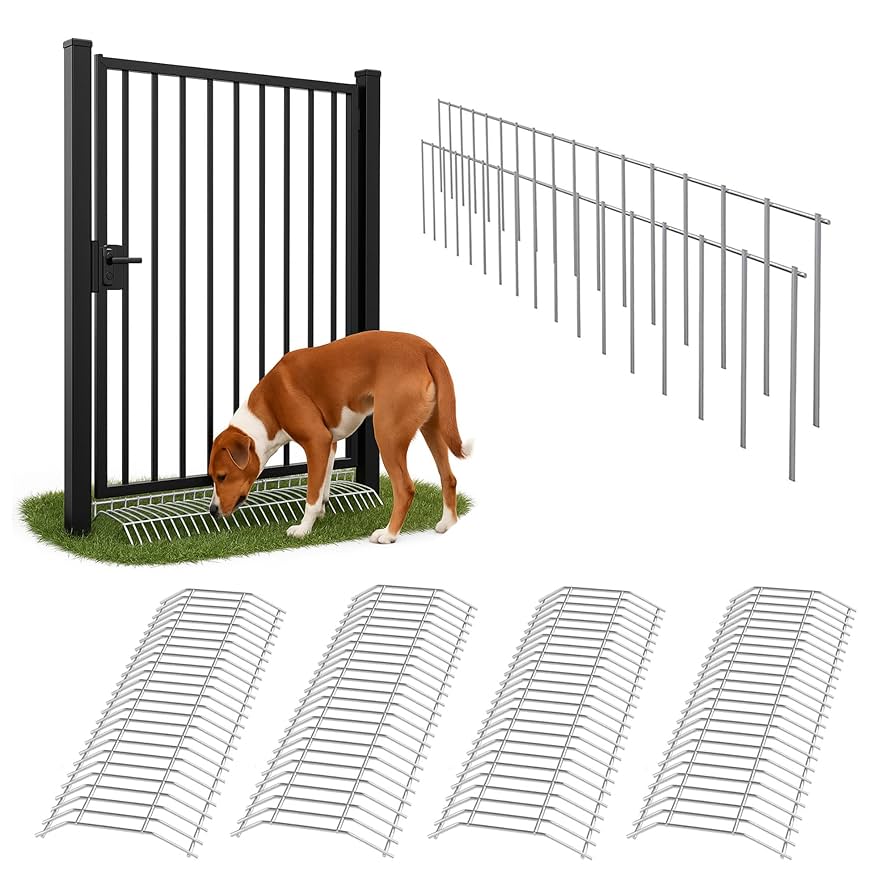
Strengthening the bottom of your fence is a smart way to block digging spots. You can use heavy-duty materials like concrete or metal mesh to secure the base.
For example, burying a galvanized wire mesh about 12 inches deep along the fence line creates a barrier your dog can’t easily dig through. It’s a simple fix that many dog owners swear by.
Using Physical Barriers
Physical barriers add an extra layer of defense that discourages your dog from digging. Items like large rocks, bricks, or pavers placed right against the fence can stop paws from getting underneath.
Think about placing a row of flat stones or wooden planks along the inside edge of the fence. Not only does this block digging, but it also signals a clear boundary to your dog.
Landscaping Solutions
Landscaping can play a surprising role in preventing fence digging. Planting dense shrubs or thorny bushes along the fence line creates a natural barrier your dog will avoid.
Consider plants like boxwood or holly, which are tough and fill in quickly. They add beauty to your yard while keeping your dog’s digging urges in check.

Credit: www.reddit.com
Training Techniques
Training your dog to stop digging under the fence takes patience and clear communication. Teaching new habits helps redirect your dog’s energy and focus. Training techniques build trust and make your dog understand what is allowed. Consistency is key to changing unwanted digging behavior. Use positive and firm methods to guide your dog.
Positive Reinforcement
Reward your dog for good behavior around the fence. Use treats, praise, or playtime as rewards. Catch your dog not digging and give immediate positive feedback. This encourages your dog to repeat good actions. Avoid punishment, as it can create fear and confusion.
Redirecting Digging Behavior
Provide a special digging spot in your yard. Make it fun and easy for your dog to access. Bury toys or treats in this area to attract digging. Guide your dog to this spot whenever digging near the fence begins. This teaches your dog where digging is allowed.
Command And Boundary Training
Use clear commands like “No dig” or “Leave it” to stop digging. Teach your dog to respond quickly to these words. Mark the fence boundary with a physical marker, like flags or stones. Train your dog to respect this boundary through regular practice. Repeat commands calmly and firmly to build understanding.
Providing Alternative Outlets
Helping your dog stop digging under the fence often means giving them other ways to use their energy and satisfy their natural instincts. Instead of just telling your dog “no,” you can guide that digging behavior into something positive. Providing alternative outlets not only protects your yard but also keeps your dog happy and mentally healthy.
Designated Digging Areas
Create a specific spot in your yard where your dog is allowed to dig freely. This space can be filled with loose soil or sand, making it easy for your dog to dig without damaging your fence or garden. You can even bury toys or treats there to encourage your dog to use this area instead.
Have you noticed how your dog’s digging often follows a pattern? By offering a designated area, you give them permission to express this natural behavior safely. Over time, your dog will learn that digging in the right place brings rewards, while digging under the fence does not.
Mental And Physical Stimulation
Dogs often dig out of boredom or excess energy. You can reduce this by giving your dog more ways to stay active and engaged throughout the day. Try daily walks, runs, or play sessions to tire them out physically.
Don’t forget mental exercise—training sessions, puzzle feeders, and scent games challenge your dog’s brain. Have you tried teaching your dog new tricks or commands? These activities can keep their mind sharp and reduce unwanted digging.
Interactive Toys And Games
Interactive toys can keep your dog busy and distracted from digging under the fence. Toys that dispense treats, like Kongs or puzzle balls, provide a fun challenge and reward your dog for focus and patience.
Games like hide-and-seek or fetch also help redirect your dog’s energy. What toys does your dog love the most? Rotate these toys regularly to keep their interest high and prevent boredom-driven digging.
Addressing Anxiety And Boredom
When your dog digs under the fence, it’s often more than just mischief. Anxiety and boredom are common reasons behind this behavior. Addressing these emotional needs can help reduce digging and keep your dog happier and safer.
Increasing Exercise
Dogs with excess energy tend to dig as a way to release it. Adding more physical activity to your dog’s day can lessen this urge. Try longer walks, playing fetch, or agility training to tire your dog out.
Think about how your dog behaves after a good run. Are they calmer and less likely to dig? Regular exercise not only improves their health but also decreases anxiety-driven behaviors.
Creating A Safe Environment
Your dog may dig because they feel unsafe or stressed near the fence. Make the area more comfortable by adding a cozy shelter or shaded spot. This can reduce the need to escape or dig for a hidden refuge.
Consider blocking access to tempting digging spots with rocks or garden edging. Sometimes, simple changes in the environment can stop digging without harsh corrections.
Social Interaction
Loneliness can lead your dog to dig for attention or to find companionship. Spending quality time playing or training together helps fulfill their social needs. Dogs are pack animals and thrive on connection.
Do you notice your dog digs more when left alone? Increasing social interaction can ease separation anxiety and reduce digging. Invite friends over or arrange playdates to keep your dog engaged.
When To Seek Professional Help
Sometimes, despite your best efforts, your dog’s digging problem doesn’t improve. Knowing when to get professional help can save your sanity and your yard. It’s important to recognize the signs that digging has become more than just a bad habit.
Persistent Digging Issues
If your dog keeps digging under the fence even after trying different training methods, it’s a clear sign to seek help. Persistent digging can indicate boredom, anxiety, or even a health issue. When the problem feels out of control, professional advice can provide new strategies tailored to your dog’s needs.
Consulting Trainers And Vets
Trainers can observe your dog’s behavior and offer targeted techniques to reduce digging. They might suggest activities that keep your dog mentally and physically engaged. Meanwhile, vets can check for medical problems like allergies or parasites that cause discomfort and lead to digging.
Behavioral Therapy Options
If your dog’s digging is linked to anxiety or stress, behavioral therapy might be necessary. Professionals can help identify triggers and teach your dog how to cope without resorting to digging. This approach often includes gradual desensitization and positive reinforcement, which you can continue at home.

Credit: www.amazon.com
Frequently Asked Questions
Why Do Dogs Dig Under Fences?
Dogs dig under fences for several reasons, including boredom, anxiety, or the desire to escape and explore. Providing enough exercise, mental stimulation, and a secure environment can help reduce their urge to dig.
How Can I Stop My Dog From Digging?
To stop your dog from digging, provide plenty of exercise and mental stimulation. Use deterrents like chicken wire or rocks along the fence line. Consistent training and supervision can also help discourage digging behavior.
What Are Effective Deterrents For Digging?
Effective deterrents for digging include burying chicken wire or large rocks along the fence line. Citrus peels or commercial dog-safe deterrent sprays can also help. Ensure your dog has plenty of toys and activities to keep them occupied.
Is Digging A Sign Of Anxiety In Dogs?
Yes, digging can be a sign of anxiety in dogs. It may indicate stress, frustration, or the need for more mental and physical stimulation. Addressing the root cause can help alleviate this behavior.
Conclusion
Stopping your dog from digging under the fence takes patience and care. Provide enough exercise and toys to keep your dog busy. Try adding barriers like rocks or chicken wire near the fence. Teach your dog new commands to help change this habit.
Watch your dog closely and reward good behavior. Small steps lead to big changes. Your dog will learn to stay safe and happy in the yard. Keep trying and stay consistent. Success will come with time.

Emily Barker is the founder of ChillDogLife.com, a space dedicated to helping pup parents discover the best dog products, lifestyle tips, and cozy ideas for happier homes.
A lifelong dog lover, Emily combines her passion for pets with a knack for research to share trusted recommendations on everything from toys and furniture to health and everyday care.
Her goal is simple: to make life easier, stylish, and more joyful for dogs and the people who love them.




