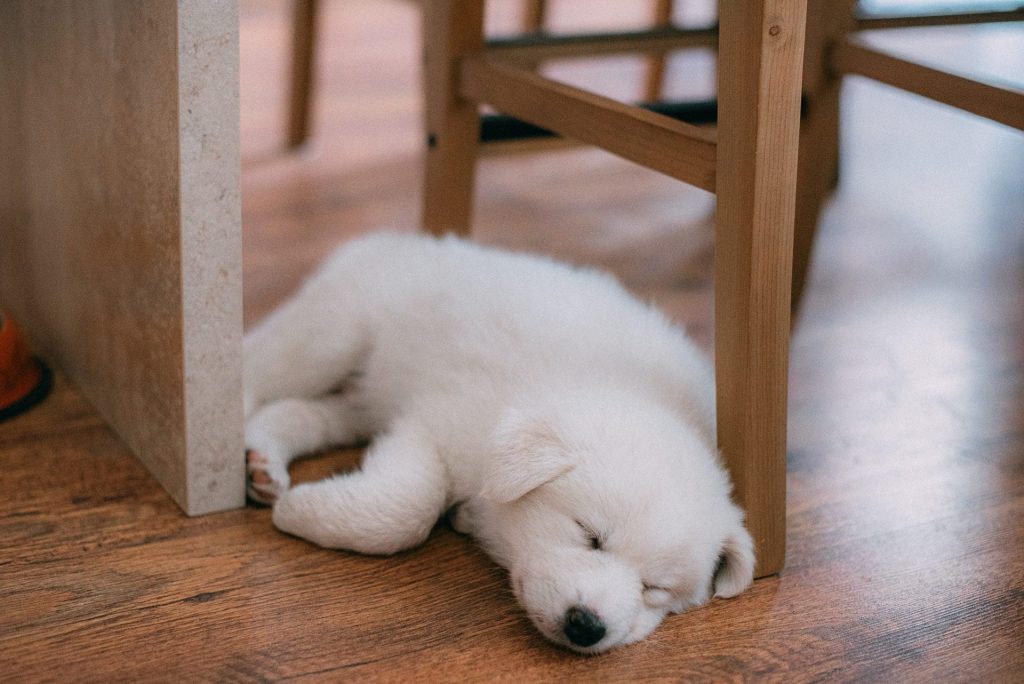
Are you tired of finding unexpected puddles or stains around your home? Dealing with dog accidents inside can be frustrating and stressful, but you’re not alone—and there is a way to fix it.
Imagine a clean house where your furry friend knows exactly where to go. You’ll discover simple, effective steps to stop those accidents for good. Keep reading, and you’ll learn how to create a happier, cleaner space for both you and your dog.

Credit: luxeweavers.com
Causes Of Indoor Accidents
Indoor accidents can frustrate any dog owner. Understanding why your dog has accidents inside helps solve the problem. Several causes can lead to these unwanted messes. Identifying the root cause is key to stopping them.
Health Issues
Illness or health problems often cause indoor accidents. Urinary tract infections, kidney issues, or digestive troubles make it hard for dogs to control their bladder or bowels. Older dogs may suffer from incontinence due to age. Regular vet visits can catch these problems early.
Lack Of Training
Puppies or new dogs may not know where to go. Without clear training, dogs might not understand house rules. Consistent potty training teaches dogs where it is okay to relieve themselves. Skipping this step often results in accidents inside.
Anxiety And Stress
Stress causes dogs to act differently, including accidents. Changes in routine, loud noises, or separation anxiety can upset dogs. This stress can lead to indoor accidents as a way to cope. Creating a calm, safe space helps reduce anxiety.
Environmental Factors
The home environment plays a role too. Limited outdoor access or a dirty yard discourages dogs from going outside. Harsh weather or unsafe areas can keep dogs indoors longer. Making outdoor trips easy and pleasant encourages proper bathroom habits.

Credit: www.amazon.ca
Effective House Training Techniques
Stopping dog accidents in the house takes patience and clear techniques. Effective house training helps your dog learn where to go. It builds good habits and reduces indoor messes. Here are some simple, proven ways to train your dog well.
Consistent Schedule
Set regular times for feeding and bathroom breaks. Dogs learn best with routine. Take your dog outside first thing in the morning, after meals, and before bedtime. Keeping a strict schedule helps your dog know when and where to go.
Positive Reinforcement
Reward your dog for going outside. Use treats, praise, or playtime as rewards. Positive reinforcement encourages good behavior. Avoid punishment because it can cause fear and confusion. Celebrate every success to build confidence.
Crate Training
Use a crate as a safe space for your dog. Dogs naturally avoid soiling their sleeping area. Keep the crate just big enough for your dog to stand and turn around. Crate training helps teach bladder control and reduces accidents.
Supervision And Confinement
Watch your dog closely inside the house. Use baby gates or playpens to limit access to certain areas. Supervision prevents accidents and lets you catch signs your dog needs to go out. Gradually give more freedom as your dog improves.
Managing Dog’s Environment
Managing a dog’s environment plays a key role in stopping house accidents. Dogs need clear signals and a safe space to learn proper bathroom habits. Setting up their surroundings carefully helps reduce stress and confusion.
Control and organization can guide your dog to the right bathroom spot. It also prevents accidents by limiting chances to go in the wrong places. This approach supports training and builds good habits over time.
Designated Bathroom Area
Create a specific spot for your dog to relieve itself. Choose an easy-to-clean area outside or indoors with pee pads. Take your dog there often to build a routine.
- Use the same spot every time.
- Reward your dog after they go there.
- Keep the area clean and inviting.
Consistency helps your dog understand where to go. This reduces accidents and makes training faster.
Cleaning And Odor Removal
Remove all traces of accidents immediately. Use pet-safe cleaners that eliminate smells, not just stains. Lingering odors can attract dogs back to the same spot.
- Blot up urine with paper towels first.
- Apply an enzymatic cleaner for deep odor removal.
- Allow the area to dry completely before allowing access.
Proper cleaning discourages repeat accidents. It keeps your home fresh and your dog’s habits on track.
Limiting Access To Certain Rooms
Block off rooms where accidents often happen. Use baby gates or close doors to restrict your dog’s movement. This helps control where your dog can go inside.
- Limit access to carpets and furniture initially.
- Supervise your dog closely in open areas.
- Gradually increase allowed space as training improves.
Restricting access prevents accidents in problem spots. It guides your dog to safer, cleaner areas.
Addressing Behavioral Issues
Addressing behavioral issues is key to stopping dog accidents in the house. Sometimes, your dog isn’t just being stubborn—they might be reacting to stress, boredom, or confusion. Understanding and managing these behaviors can make a big difference in keeping your home clean and your dog happy.
Reducing Anxiety
Many dogs have accidents because they feel anxious. Changes in routine, loud noises, or being left alone can cause stress that leads to accidents. You can help by creating a calm environment with familiar toys and soothing sounds.
Try using calming aids like anxiety wraps or pheromone diffusers. These tools helped my dog feel secure during thunderstorms, and the accidents stopped almost immediately. Have you noticed if your dog’s accidents happen during specific stressful events?
Exercise And Mental Stimulation
A tired dog is less likely to have accidents. Regular exercise helps burn off excess energy that might otherwise turn into unwanted indoor messes. Aim for daily walks, playtime, or training sessions to keep your dog physically and mentally engaged.
Interactive toys and puzzle feeders challenge your dog’s mind and reduce boredom. I once struggled with a dog who had frequent accidents until I added 20 minutes of fetch and a puzzle toy each day—accidents dropped drastically. Could your dog use more stimulation to stay focused and calm?
Seeking Professional Help
If accidents continue despite your efforts, a professional trainer or behaviorist can offer personalized advice. They can identify underlying issues you might miss and create a tailored plan to improve your dog’s habits.
Consulting a vet is also important if behavior changes suddenly, as medical problems can cause accidents. Don’t hesitate to reach out; sometimes expert guidance is the missing piece to solving your dog’s house training challenges.
Health And Veterinary Care
Health and veterinary care play a crucial role in preventing dog accidents inside your home. Sometimes, accidents are a sign that your dog isn’t feeling well or needs medical attention. By paying close attention to your dog’s health and seeking professional advice, you can reduce these incidents significantly.
Regular Vet Check-ups
Regular vet visits help catch underlying health problems that may cause accidents. Conditions like urinary tract infections, diabetes, or kidney issues often lead to sudden accidents. Scheduling routine check-ups ensures your dog stays healthy and any problems get treated early.
Have you noticed a sudden change in your dog’s bathroom habits? Don’t ignore it. A quick vet visit might save you from a bigger mess later.
Medication And Treatment Options
If your dog has a diagnosed medical condition, medication might be necessary to control symptoms. Your vet can prescribe treatments that help manage bladder control or digestive issues. Following the medication schedule strictly can keep accidents at bay.
Sometimes, simple medication adjustments can make a huge difference. Are you sure your dog’s current treatment is optimized? Regularly review with your vet to keep your dog comfortable and accident-free.
Diet And Hydration
Your dog’s diet impacts their bathroom habits more than you might think. Foods high in fillers or poor-quality ingredients can upset their digestion and cause accidents. Feeding a balanced, high-quality diet supports regular and healthy elimination.
Hydration is equally important. Too little water can lead to constipation, while too much might increase the need for bathroom breaks. Finding the right balance can reduce indoor accidents and keep your dog feeling great.
Credit: theonlinedogtrainer.com
Frequently Asked Questions
Why Do Dogs Have Accidents In The House?
Dogs may have accidents due to incomplete house training, anxiety, or medical issues. It’s essential to identify the root cause. Observing your dog’s behavior and consulting a vet can help. Addressing these issues promptly can prevent further accidents and promote a healthier environment for your pet.
How Can I Prevent Dog Accidents Indoors?
Establish a consistent routine for feeding, walking, and bathroom breaks. Reward your dog for eliminating outside. Crate training can also be effective. Ensure your dog has ample opportunities to relieve itself outdoors. Patience and consistency are key to successfully preventing indoor accidents.
What Age Should Dogs Be House-trained?
Most puppies can be house-trained by six months, but some may take longer. It’s crucial to start training early. Consistent routines and positive reinforcement are effective. Remember, every dog is different, so patience and understanding are vital throughout the training process.
Do Anxiety Disorders Cause Indoor Accidents?
Yes, anxiety can lead to indoor accidents in dogs. Stress or separation anxiety might trigger such behavior. Identifying triggers and providing comfort can help. Consult a veterinarian or pet behaviorist for effective solutions to manage your dog’s anxiety.
Conclusion
Stopping dog accidents in the house takes patience and care. Consistent training helps your dog learn good habits. Clean accidents quickly to avoid repeat spots. Give your dog plenty of chances to go outside. Praise your dog when they do well.
Watch for signs your dog needs a bathroom break. Small steps each day lead to big improvements. Your home stays clean, and your dog stays happy. Keep trying, and soon accidents will be rare. Everyone wins with a little effort and love.

Emily Barker is the founder of ChillDogLife.com, a space dedicated to helping pup parents discover the best dog products, lifestyle tips, and cozy ideas for happier homes.
A lifelong dog lover, Emily combines her passion for pets with a knack for research to share trusted recommendations on everything from toys and furniture to health and everyday care.
Her goal is simple: to make life easier, stylish, and more joyful for dogs and the people who love them.




