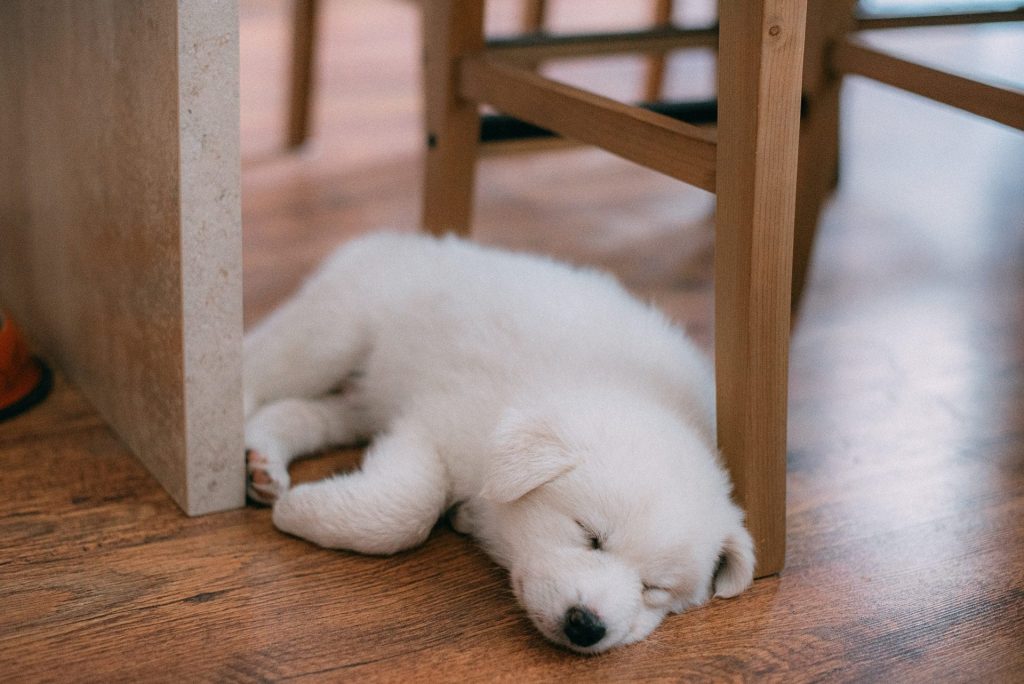
Are you tired of cleaning up unexpected messes from your furry friend? Having accidents in the house can be frustrating for both you and your dog.
But don’t worry—there are simple, effective ways to stop this problem for good. You’ll discover easy steps to help your dog learn where to go, so your home stays clean and stress-free. Keep reading, and you’ll soon enjoy a happier dog and a cleaner house.
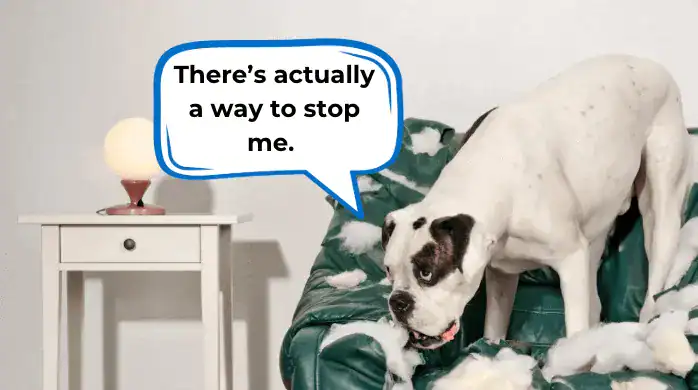
Credit: theonlinedogtrainer.com
Common Causes Of Indoor Accidents
Indoor accidents can be frustrating for both dogs and owners. Understanding the common causes helps in reducing these incidents. Dogs may have accidents due to health, training, stress, or changes around them. Knowing these reasons allows for better care and faster solutions.
Health Issues
Many dogs have accidents because of health problems. Urinary tract infections, bladder stones, or kidney issues can cause frequent urination. Older dogs may lose control due to age-related conditions. Some dogs have digestive problems that cause sudden urges. A vet checkup can rule out or treat these conditions early.
Lack Of Training
Improper or no training often leads to indoor accidents. Puppies need time and guidance to learn where to go. Some dogs do not get consistent routines for bathroom breaks. Owners may miss signals when dogs need to go out. Teaching your dog with patience and rewards helps prevent accidents.
Anxiety And Stress
Stress affects dogs just like people. Changes in environment, loud noises, or separation from owners can cause anxiety. Dogs may urinate indoors as a stress response. Fear or nervousness can disrupt their normal habits. Creating a calm and safe space helps reduce stress accidents.
Changes In Routine
Dogs thrive on routine and predictability. Sudden changes in schedule or environment confuse them. Moving houses, new family members, or altered walk times can trigger accidents. Dogs may not know when or where to relieve themselves. Keeping a steady routine supports better bathroom habits.
Effective House Training Techniques
Effective house training techniques help your dog learn where to go. They reduce accidents and create a happy home. Consistency and patience are key. These techniques work best when used together. Teaching your dog takes time. Stay calm and positive to get good results.
Consistent Schedule
Keep feeding and potty times the same every day. Dogs learn faster with routine. Take your dog outside after eating, drinking, or waking up. Regular bathroom breaks prevent accidents. A steady schedule helps your dog understand expectations.
Positive Reinforcement
Reward your dog for going outside. Use treats, praise, or play as rewards. Positive feedback makes your dog want to repeat good behavior. Avoid punishment. It can cause fear and confusion. Celebrate every success to build good habits.
Crate Training
Use a crate to give your dog a safe space. Dogs avoid soiling their sleeping area. Keep the crate comfortable and just the right size. Let your dog out regularly for bathroom breaks. Crate training teaches bladder control and reduces accidents.
Supervision And Confinement
Watch your dog closely inside the house. Use baby gates or playpens to limit access. Confine your dog to one room when you cannot supervise. This prevents accidents and helps you notice signs. Early intervention stops mistakes before they happen.
Managing Environmental Factors
Managing environmental factors plays a key role in stopping your dog from having accidents inside. Dogs respond well to clear, consistent surroundings that guide their bathroom habits. Changing the environment can reduce confusion and help your dog learn better habits quickly.
Small adjustments to your home setup can make a big difference. Creating a safe space for your dog to relieve itself and keeping problem areas clean will encourage good behavior. Controlling your dog’s access to certain rooms also lowers the chance of accidents.
Safe And Accessible Potty Area
Set up a special potty spot where your dog feels comfortable. Choose a quiet, easy-to-reach place outdoors or use a potty pad inside. Make sure it is always clean and free of distractions. This helps your dog know exactly where to go.
Cleaning Up Accidents Properly
Clean accidents quickly to remove smells that attract dogs back. Use paper towels or cloths to soak up urine or feces. Avoid harsh chemicals that can irritate your dog’s nose. Proper cleaning breaks the cycle of repeated accidents.
Using Enzyme Cleaners
Enzyme cleaners are powerful for removing pet stains and odors. They break down urine and waste completely. This stops your dog from smelling old spots and returning there. Apply enzyme cleaners according to the instructions for best results.
Limiting Access To Problem Areas
Block off rooms or corners where your dog often has accidents. Use baby gates or close doors to keep your dog away. This reduces chances of accidents and teaches your dog to use the designated potty area. Gradually increase access as your dog improves.
Credit: theonlinedogtrainer.com
Addressing Medical Concerns
Accidents inside the house can signal health issues in your dog. Ignoring these signs might worsen the problem. Addressing medical concerns is crucial to stop these accidents and keep your dog healthy.
Some medical conditions cause frequent urination or loss of bladder control. Catching these early helps your dog feel better and prevents messes at home.
When To Visit The Vet
Take your dog to the vet if accidents happen suddenly and often. Watch for signs like:
- Straining to urinate
- Blood in urine
- Increased thirst
- Changes in appetite or energy
- Accidents despite training
These signs suggest a medical problem. Early vet visits can find the cause fast.
Common Medical Conditions
Several health issues cause indoor accidents in dogs:
- Urinary Tract Infection (UTI):Bacteria cause pain and frequent urination.
- Bladder Stones:Hard mineral deposits irritate the bladder.
- Diabetes:High blood sugar leads to more drinking and urination.
- Kidney Disease:Kidneys fail to filter waste properly.
- Incontinence:Loss of bladder control, often in older dogs.
Each condition needs proper diagnosis and care.
Medication And Treatment Options
Treatment depends on the cause. Vets may prescribe:
- Antibiotics for infections
- Special diets for bladder health
- Medication to control diabetes or kidney problems
- Drugs to improve bladder control
Follow the vet’s advice closely. Proper treatment reduces accidents and improves your dog’s quality of life.
Behavioral Solutions For Anxiety
Dogs often urinate indoors due to anxiety. Behavioral solutions help reduce this stress. Understanding and addressing anxiety can stop accidents inside the house.
Identifying Stress Triggers
Watch your dog’s behavior closely. Notice when accidents happen more often. Common stress triggers include:
- Strangers or loud noises
- Changes in routine or environment
- Separation from family members
- Other pets causing fear or competition
Recognizing these triggers helps in managing your dog’s anxiety better.
Calming Techniques
Use simple methods to soothe your dog’s nerves. Try these calming techniques:
- Provide a quiet, safe space for your dog
- Offer regular exercise to reduce stress
- Use gentle, consistent praise and touch
- Play soft music or white noise to relax
- Maintain a daily routine to create security
These actions create comfort and lower anxiety levels.
Professional Behavioral Help
Sometimes, anxiety needs expert support. A professional trainer or behaviorist can:
- Assess your dog’s specific anxiety causes
- Design a behavior modification plan
- Teach you techniques to manage stress effectively
- Suggest medical options if needed
Getting professional help improves your dog’s well-being and stops accidents.
Preventing Future Accidents
Stopping your dog from having accidents inside the house doesn’t end with cleaning up messes or scolding them. Preventing future accidents requires a proactive approach that focuses on understanding your dog’s needs and habits. It’s about setting up a lifestyle where your dog naturally wants to go outside to relieve themselves.
Regular Bathroom Breaks
Dogs thrive on routine. Taking your dog outside frequently, especially after meals, naps, or playtime, helps them learn when and where to go.
Try setting alarms or reminders if you find yourself forgetting these bathroom breaks. Consistency here builds a strong habit for your dog. I noticed a huge difference when I started taking my dog out every two hours during the first few weeks of training.
Training Reinforcement
Positive reinforcement is key to encouraging good bathroom behavior. Praise your dog immediately after they go outside, and offer treats or affection.
Ignoring accidents calmly without punishment prevents fear or confusion. Have you tried using a specific command like “go potty” and rewarding your dog when they respond? Repeating this builds a clear connection between the command and the action.
Monitoring And Adjusting Routine
Observe your dog’s signals and habits closely. Are they sniffing around or circling before an accident? These clues help you anticipate when they need a break.
Be ready to adjust your schedule as your dog grows or their needs change. For example, puppies need more frequent breaks than adult dogs. Are you flexible enough to adapt your routine to keep accidents at bay?

Credit: luxeweavers.com
Frequently Asked Questions
How Can I Train My Dog To Stop Accidents?
Training your dog involves consistency and patience. Establish a routine for feeding and bathroom breaks. Use positive reinforcement like treats and praise when they relieve outside. Clean accidents thoroughly to remove scents. Avoid punishment as it may cause fear. Consider crate training for better control and supervision.
What Causes A Dog To Have Indoor Accidents?
Indoor accidents can result from various factors like incomplete house training, anxiety, or medical issues. Puppies and older dogs may have weaker bladder control. Changes in routine or environment can also lead to accidents. Always consult a veterinarian if frequent accidents persist, as it might indicate a health problem.
How Often Should I Take My Dog Outside?
Take your dog outside every two to four hours, especially after meals, playtime, and naps. Puppies and senior dogs may need more frequent trips. Consistency helps reinforce training. Monitor your dog’s behavior for signs they need to go, like sniffing or circling, and respond promptly.
Can Diet Impact My Dog’s Bathroom Habits?
Yes, diet can affect bathroom habits. High-quality dog food with balanced nutrients promotes healthy digestion. Avoid sudden diet changes, as they may upset your dog’s stomach. Always provide fresh water, as dehydration can lead to infrequent urination. Consult your vet for dietary recommendations tailored to your dog’s needs.
Conclusion
Stopping your dog from having accidents inside takes time and patience. Keep a regular schedule for bathroom breaks. Praise your dog each time they go outside. Clean accidents quickly to remove smells that attract pets back. Watch for signs your dog needs to go.
Consistency helps your dog learn good habits. Soon, your home will stay clean and your dog happy. Small steps every day make a big difference. Keep trying—you can do this!

Emily Barker is the founder of ChillDogLife.com, a space dedicated to helping pup parents discover the best dog products, lifestyle tips, and cozy ideas for happier homes.
A lifelong dog lover, Emily combines her passion for pets with a knack for research to share trusted recommendations on everything from toys and furniture to health and everyday care.
Her goal is simple: to make life easier, stylish, and more joyful for dogs and the people who love them.




