
Are you wondering if you can toss your dog’s toys into the washing machine without ruining them? Keeping your furry friend’s toys clean is important for their health and happiness.
But how do you do it safely and effectively? You’ll discover the best tips and tricks to wash dog toys in the washing machine, so your pup can enjoy fresh, clean toys every day. Keep reading to find out how to protect your pet and your washer at the same time!

Credit: www.reddit.com
Safety Of Machine Washing Dog Toys
Washing dog toys in the machine can be a safe and effective way to keep them clean. It removes dirt, saliva, and germs that build up over time. But not all dog toys are fit for machine washing. Some materials can get damaged or harm your washing machine.
Knowing which toys are safe to wash and which to avoid helps protect your pet and your appliances. Always check the toy’s label or manufacturer’s advice before washing. Choose gentle cycles and mild detergents for the best results.
Types Of Toys Suitable For Washing
- Soft plush toys made with durable fabric
- Rubber toys without electronic parts
- Rope toys that are tightly woven and not frayed
- Non-toxic, machine-washable squeaky toys
These toys usually withstand the wash cycle without losing shape or color. They clean well and dry quickly. Using a laundry bag can protect plush and rope toys further.
Materials To Avoid In Washing Machine
- Toys with electronic or battery components
- Foam-filled toys that can absorb water
- Leather or suede toys that may crack or shrink
- Fragile plastic toys that can break or deform
- Toys with glued parts that may come loose
Machine washing these materials can damage the toy and the machine. Hand washing or wiping with a damp cloth is safer for these types.
Preparing Dog Toys For The Wash
Preparing dog toys before washing helps keep them clean and safe. Proper preparation protects your washing machine and ensures a thorough clean. It also helps maintain the toys’ quality and lifespan.
Removing Excess Dirt And Debris
Start by brushing off loose dirt and hair from the toys. Use a soft brush or a cloth to wipe away mud and dust. Check for stuck debris in small crevices and remove it carefully. Rinse toys under running water to clear away sticky substances. This step prevents dirt from clogging your washing machine.
Separating Toys By Material And Size
Sort toys into groups based on their material and size. Soft plush toys need gentle washing cycles. Hard rubber or plastic toys can handle stronger wash settings. Keep small toys in a mesh laundry bag to avoid losing them. Separate large toys to avoid crowding and damage during the wash.
Best Washing Machine Settings
Choosing the best washing machine settings is key to keeping your dog’s toys clean without damaging them. Different toys require different care, so understanding your machine’s options can save you time and hassle. Let’s look at how to pick the right cycle and detergents for a safe, thorough wash.
Choosing The Right Cycle
Not all washing cycles are created equal when it comes to dog toys. You want a gentle cycle to avoid tearing or wearing out the fabric or stuffing. Delicate or hand-wash cycles work well for plush toys, while sturdier rubber or nylon toys can handle a normal cycle.
Cold water is usually best. Hot water may shrink or melt some materials. If your dog’s toys have dirt or grime buildup, you can pre-soak them before washing. Have you noticed how some toys come out looking almost new after a gentle wash?
Selecting Safe Detergents
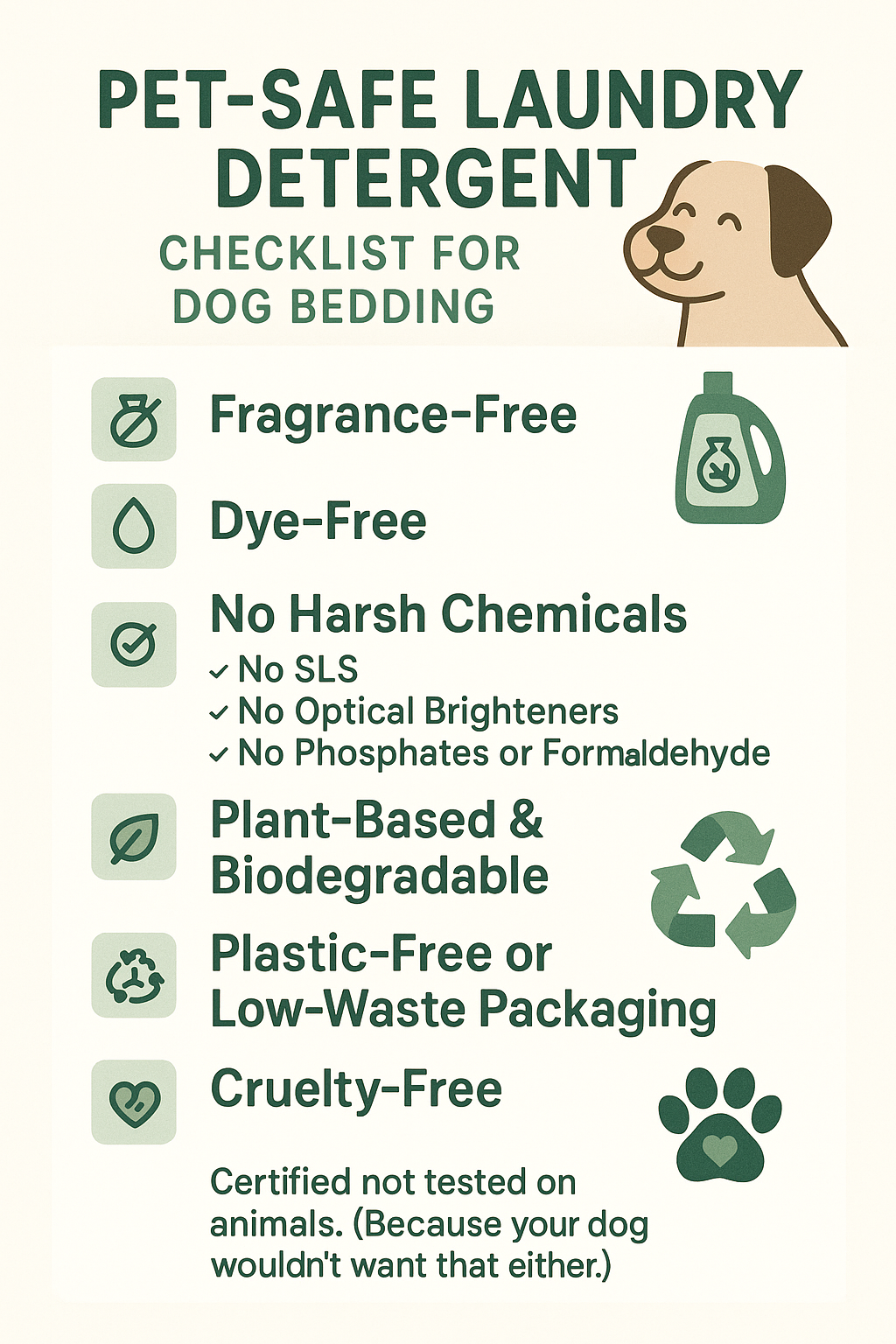
Detergent choice matters more than many realize. Harsh chemicals can irritate your pet’s skin or cause allergic reactions. Opt for mild, fragrance-free detergents labeled as safe for sensitive skin.
Avoid fabric softeners and bleach—they can leave harmful residues. If you want extra freshness, try adding a cup of white vinegar to the rinse cycle instead. Have you tested different detergents to see which one works best for your pup’s toys?
Credit: www.heysunday.com
Drying Dog Toys After Washing
Drying dog toys after washing is important to keep them safe and durable. Proper drying stops mold and bacteria from growing. It also helps toys keep their shape and texture. Choosing the right drying method depends on the toy material and your dog’s safety.
Air Drying Vs Machine Drying
Air drying is gentle and keeps toys intact longer. It uses natural air to dry toys slowly. This method prevents shrinking and damage from heat. Place toys in a clean, dry area with good airflow. Avoid direct sunlight to stop colors from fading.
Machine drying is faster but can harm some toys. High heat may melt plastic or weaken fabric. Use low heat settings or a delicate cycle if you choose machine drying. Check the toy’s label for drying instructions to avoid damage.
Tips To Maintain Toy Shape And Integrity
- Remove stuffing from plush toys before washing and drying.
- Reshape toys while damp to keep their form.
- Use a mesh laundry bag to protect toys during machine drying.
- Dry toys flat on a towel to avoid stretching.
- Inspect toys regularly for wear and tear after drying.
Alternative Cleaning Methods
Cleaning dog toys safely keeps your pet healthy and happy. Some toys may not suit the washing machine. Alternative cleaning methods can be gentle and effective. These methods help remove dirt, germs, and odors without damaging toys.
Hand Washing Techniques
Hand washing is a simple way to clean many dog toys. Use warm water and mild soap. Scrub the toy with a soft brush or cloth. Pay special attention to crevices where dirt hides.
- Fill a basin with warm water and soap
- Soak the toy for a few minutes
- Gently scrub all surfaces
- Rinse thoroughly to remove soap
- Air dry completely before giving it back to your dog
This method works well for soft and delicate toys. It avoids harsh machine washing that may cause tears or fading.
Using Natural Cleaning Solutions
Natural cleaners offer a safe option for sanitizing dog toys. Vinegar and baking soda are gentle but effective. These ingredients kill bacteria and remove odors without chemicals.
- Mix equal parts water and white vinegar in a spray bottle
- Spray the toy and let it sit for 10 minutes
- Rinse with warm water and dry
- For tough stains, make a paste of baking soda and water
- Apply the paste, scrub lightly, then rinse off
Natural solutions reduce the risk of allergic reactions. They keep toys fresh and safe for your dog to chew.
Frequency Of Cleaning Dog Toys
Keeping dog toys clean is important for your pet’s health. Dirt, germs, and saliva build up over time. This can cause bad smells and bacteria growth. Washing toys often helps keep them safe and fresh. But how often should you clean them? Let’s explore the signs that show it’s time to wash your dog’s toys and the best cleaning schedule to follow.
Signs When Toys Need Washing
- Visible dirt or mud on the toy’s surface
- Unpleasant or strong odors coming from the toy
- Tears or damage that trap dirt inside
- Sticky or slimy feel from saliva or food
- Your dog loses interest or avoids the toy
These signs mean bacteria or germs may be growing. Washing the toys can help avoid infections or stomach issues.
Recommended Cleaning Schedule
- Soft plush toys: wash every 1 to 2 weeks
- Rubber and hard toys: clean every 2 to 4 weeks
- Chew toys used daily: wash once a week
- Outdoor toys: clean more often, especially after muddy play
Adjust cleaning based on how often your dog uses the toy. Frequent washing prevents buildup and keeps toys safe.

Credit: www.amazon.in
Frequently Asked Questions
Can All Dog Toys Go In The Washing Machine?
Not all dog toys are machine washable. Check the toy’s label for washing instructions. Generally, soft, fabric-based toys can be machine washed. Hard plastic or electronic toys should be cleaned manually. Always use a gentle cycle and mild detergent to avoid damage.
Proper washing keeps toys safe and extends their lifespan.
How Often Should You Wash Dog Toys?
Wash dog toys every two weeks to maintain hygiene. If your dog plays outside frequently, consider washing more often. Regular cleaning prevents bacteria and dirt buildup. Always inspect toys for damage before washing. Clean toys not only keep your home tidy but also ensure your pet’s health.
Is It Safe To Machine Wash Squeaky Toys?
Machine washing squeaky toys can be risky. The squeaker may get damaged or stop working. It’s best to hand wash squeaky toys to preserve their function. Use mild soap and warm water. Rinse thoroughly to remove any soap residue. This helps maintain the toy’s appeal to your pet.
What Detergent Is Best For Washing Dog Toys?
Use a mild, fragrance-free detergent when washing dog toys. Harsh chemicals and fragrances can harm your pet. Natural detergents are a safer alternative. Always rinse toys thoroughly to remove any detergent residue. This ensures your pet’s toys are clean and safe to play with.
Conclusion
Washing dog toys in the machine can save you time and effort. Use a gentle cycle and mild detergent to protect the toys. Check the label to see if the toy is machine washable. Hard or electronic toys may not be safe for the washer.
Clean toys help keep your dog healthy and happy. Regular washing removes dirt, germs, and bad smells. Simple steps make washing easy and effective. Keep your dog’s playthings fresh with proper care. Safe cleaning means more fun for your furry friend.

Emily Barker is the founder of ChillDogLife.com, a space dedicated to helping pup parents discover the best dog products, lifestyle tips, and cozy ideas for happier homes.
A lifelong dog lover, Emily combines her passion for pets with a knack for research to share trusted recommendations on everything from toys and furniture to health and everyday care.
Her goal is simple: to make life easier, stylish, and more joyful for dogs and the people who love them.




