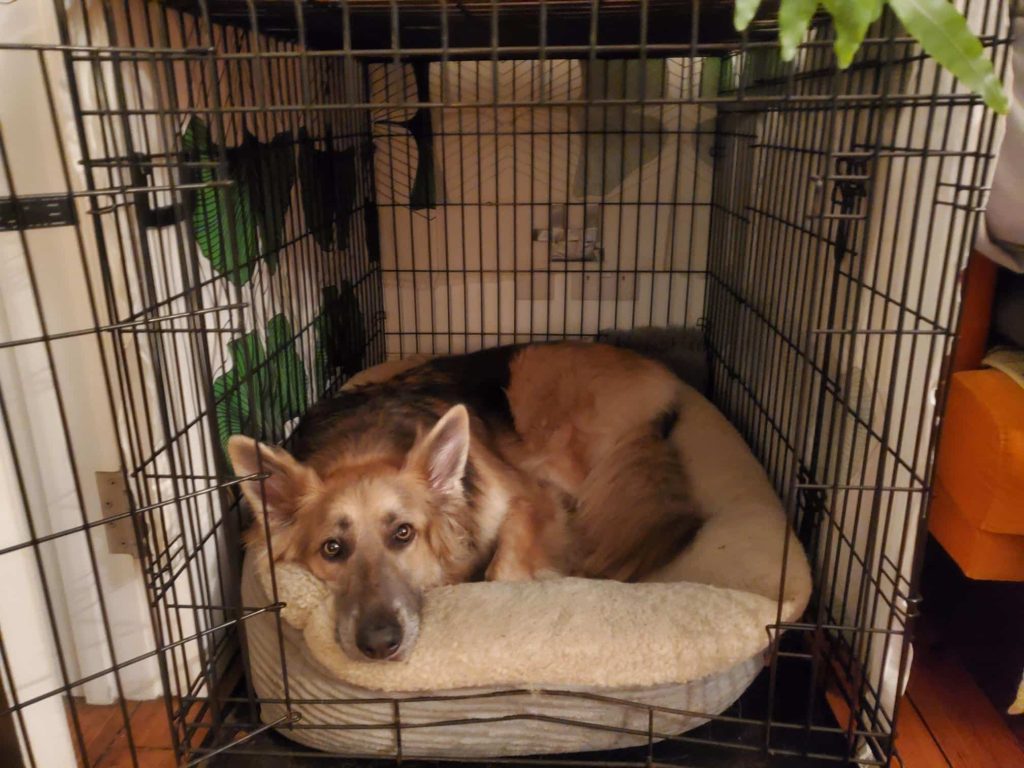
If your older dog struggles with separation anxiety, crate training might seem like a challenge. But it doesn’t have to be.
You can help your furry friend feel safe and calm when alone by using the right steps. Imagine your dog waiting quietly and comfortably in their crate, even when you’re not home. This guide will show you exactly how to make that happen.
Keep reading, because the peace of mind for both you and your dog starts here.
Why Crate Training Helps
Crate training offers a safe space for older dogs. It creates a calm environment that helps reduce stress. The crate becomes their personal den, giving them comfort and security. This approach supports both physical and emotional well-being. It also helps manage separation anxiety by providing a consistent routine.
Benefits For Older Dogs
- Creates a quiet, secure area for rest
- Reduces chances of destructive behavior
- Supports better sleep patterns and relaxation
- Makes vet visits and travel less stressful
- Helps maintain a daily routine and structure
Impact On Separation Anxiety
Crate training builds a positive association with being alone. The dog learns the crate is a safe place during absence. This reduces panic and distress signs like barking or chewing. It also lowers the risk of injury from trying to escape. Gradual crate time helps dogs adjust to short separations.
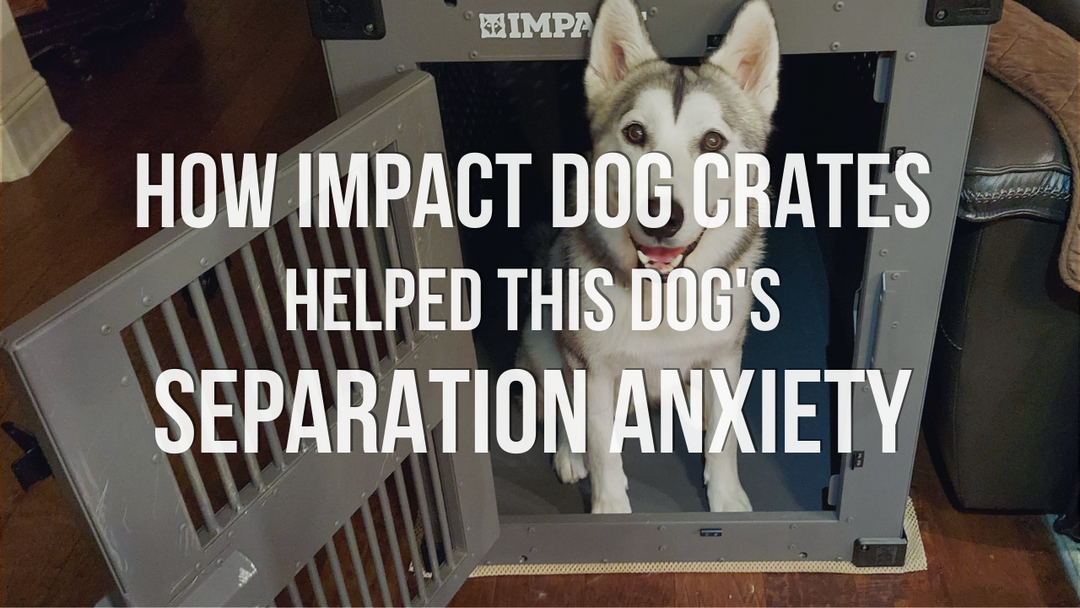
Credit: www.impactdogcrates.com
Choosing The Right Crate
Choosing the right crate is essential for successful crate training. The crate should feel like a safe space for your older dog. Comfort and proper sizing make the crate inviting. The type of crate also matters. It can affect your dog’s ease in adjusting to the new space. This section explores how to pick the ideal crate to help ease separation anxiety.
Size And Comfort
The crate must be big enough for your dog to stand, turn, and lie down comfortably. Too small makes your dog feel trapped. Too large may reduce the cozy feeling. Use soft bedding or a cushioned mat for comfort. Place a favorite blanket or toy inside for familiarity. Good ventilation keeps the crate fresh. Ensure the crate is quiet and away from direct sunlight or drafts.
Types Of Crates
- Wire Crates:Provide good airflow and visibility. They offer a sense of security but might feel less cozy.
- Plastic Crates:More enclosed and darker inside. They can help anxious dogs feel safer.
- Soft-sided Crates:Lightweight and portable. Best for calm dogs who do not chew.
- Heavy-duty Crates:Durable and secure. Suitable for dogs who try to escape or chew aggressively.
Choose a crate type that matches your dog’s personality and anxiety level. The right crate feels like a personal den for your dog. This makes crate training easier and reduces stress during alone time.
Preparing Your Dog For The Crate
Preparing your older dog for crate training, especially when separation anxiety is involved, requires patience and a gentle approach. The crate should feel like a safe retreat, not a punishment. Setting the right tone early on can make a huge difference in how your dog adapts.
Creating A Positive Space
Start by placing the crate in a quiet, comfortable area of your home where your dog already likes to rest. Add soft bedding that smells familiar to your dog—this helps create a sense of security. Avoid forcing your dog inside; instead, leave the door open and let them explore at their own pace.
Have you noticed how your dog reacts to new spaces? Watch for signs of curiosity or hesitation and adjust accordingly. Sometimes, gently tossing a favorite blanket inside can encourage your dog to enter voluntarily.
Using Treats And Toys
Treats and toys are powerful tools to build a positive association with the crate. Start by feeding your dog meals near the crate, gradually moving the bowl inside once they seem comfortable. This simple step can turn the crate into a place linked with good things.
Introduce special toys that your dog only gets when inside the crate. Puzzle toys or long-lasting chews can keep their mind occupied and reduce anxiety. Have you tried hiding treats in a toy to spark your dog’s interest? Small, frequent rewards make the crate a place your dog looks forward to visiting.
Step-by-step Crate Training
Crate training an older dog with separation anxiety requires patience and a gentle approach. The goal is to create a safe space where your dog feels comfortable and secure. Taking it one step at a time helps avoid overwhelming your dog and builds trust in the crate as a positive place.
Introducing The Crate Gradually
Start by placing the crate in a quiet area where your dog spends time. Leave the door open and add soft bedding and some of your dog’s favorite toys inside. Let your dog explore the crate at their own pace without pressure.
Offer treats near and inside the crate to encourage curiosity. You might sit nearby and read or talk softly to create a calm atmosphere. Notice your dog’s body language—if they seem stressed, give them space and try again later.
Try feeding your dog meals inside the crate to build positive associations. If your dog is hesitant, place the food just inside the entrance and gradually move it further in over several days. This small step can turn the crate into a welcome spot rather than a place of isolation.
Extending Crate Time Slowly
Once your dog enters the crate comfortably, start closing the door for short periods. Begin with just a few minutes while you stay nearby. Speak softly or toss treats through the bars to reassure your dog.
Gradually increase the time your dog spends inside the crate. Watch for signs of anxiety, like whining or scratching, and pause the progress if needed. It’s better to move slowly than push your dog too fast and risk setbacks.
Try leaving the room briefly while your dog is crated, then come back calmly and reward calm behavior. This helps your dog learn that being alone in the crate is temporary and safe. Have you noticed how your dog reacts when you leave and return? Use those cues to guide your timing.
Managing Separation Anxiety
Managing separation anxiety is key to successful crate training for older dogs. These dogs may feel scared or stressed when left alone. Helping them stay calm and comfortable makes crate training easier. Patience and small steps work best to build their trust in the crate.
Calming Techniques
Use gentle methods to soothe your dog before crate time. Soft music or white noise can create a peaceful environment. Give your dog a favorite blanket or toy inside the crate. Try a calm voice and slow movements to ease stress.
- Practice short separations to build confidence.
- Use treats to reward calm behavior near the crate.
- Keep departures and arrivals low-key to avoid excitement.
- Consider natural calming aids like lavender or pheromone sprays.
Avoiding Common Mistakes
Avoid rushing the crate training process with an anxious dog. Forcing a dog into the crate can increase fear. Do not use the crate as punishment. This makes the dog associate the crate with bad things.
- Never leave the dog in the crate for too long at first.
- Avoid loud goodbyes or dramatic returns home.
- Do not ignore signs of extreme stress or panic.
- Steer clear of inconsistent training routines.
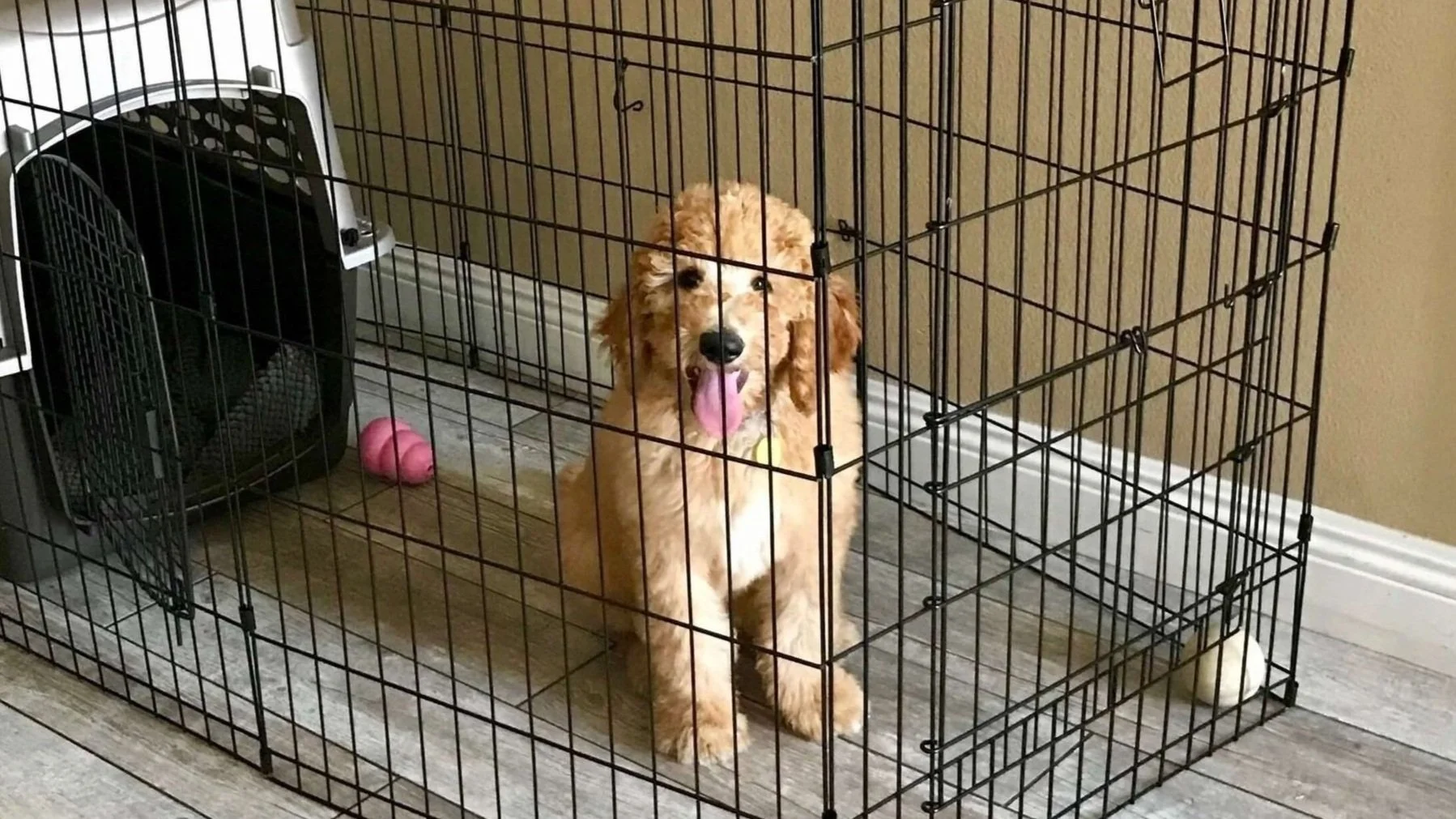
Credit: www.dogsavvylosangeles.com
Building Independence
Building independence is a crucial part of crate training an older dog with separation anxiety. It helps your dog feel more secure and less stressed when left alone. By encouraging your dog to enjoy alone time and rewarding calm behavior, you create a positive connection with their crate and reduce anxious reactions.
Encouraging Alone Time
Start by letting your dog spend short periods alone, even if you are nearby. You might sit in another room or quietly engage in a solo activity while your dog stays in the crate. This helps your dog get used to being alone without feeling abandoned.
Gradually increase the time your dog spends alone. Pay attention to their reactions—if they get upset, shorten the time and try again later. Think about how you feel when left alone unexpectedly; your dog experiences similar emotions, so patience is key.
Try adding comforting items like a favorite toy or a soft blanket inside the crate. These familiar scents and textures can make alone time feel safer. Have you noticed your dog relax around certain objects? Use those to your advantage.
Reinforcing Positive Behavior
Reward your dog immediately when they stay calm in the crate. Use treats, praise, or gentle petting to show that being alone is a good thing. This positive feedback encourages your dog to repeat the behavior.
Avoid rushing to comfort your dog every time they whine or bark. Instead, wait for a moment of quiet before opening the crate. This teaches your dog that calmness, not noise, brings your attention.
Keep training sessions short but consistent. Over time, your dog will associate the crate with positive experiences. Have you tried timing your rewards to match your dog’s calm moments? It can make a significant difference.
When To Seek Professional Help
Knowing when to seek professional help is crucial when crate training an older dog with separation anxiety. Sometimes, despite your best efforts, the anxiety may not improve or could even worsen. Recognizing these signs early can save both you and your dog from prolonged stress and frustration.
Recognizing Persistent Anxiety
If your dog continues to show intense signs of distress—such as nonstop barking, destructive behavior, or attempts to escape the crate—even after consistent training, it’s a red flag. Anxiety that lasts for weeks without any improvement means your dog might need more than basic crate training.
Ask yourself: Is your dog’s anxiety affecting their overall well-being? Are they losing weight, refusing to eat, or showing signs of depression? These symptoms suggest that professional intervention could provide the support your dog needs.
Finding A Trainer Or Behaviorist
Look for a certified dog trainer or a veterinary behaviorist who specializes in anxiety and older dogs. A good professional will assess your dog’s unique situation and tailor a plan that fits both your lifestyle and your dog’s needs.
- Check credentials and ask for references.
- Discuss previous experience with separation anxiety cases.
- Ensure their approach aligns with positive reinforcement techniques.
Remember, working with a professional isn’t a sign of failure but a smart step toward helping your dog feel safe and happy. What could you learn from an expert that you haven’t tried yet?

Credit: cincinnatianimalcare.org
Frequently Asked Questions
How Do I Start Crate Training An Older Dog?
Begin by introducing the crate as a comfortable and safe space. Use positive reinforcement with treats and praise. Gradually increase the time your dog spends inside. Ensure the crate is comfortable and placed in a familiar environment. Patience and consistency are key in helping your older dog adjust.
Can Crate Training Help With Separation Anxiety?
Yes, crate training can help alleviate separation anxiety. It provides a secure and familiar environment. Ensure the crate is associated with positive experiences. This can help reduce your dog’s stress when left alone. Over time, your dog will feel more comfortable and less anxious.
How Long Does Crate Training Take For Older Dogs?
Crate training duration varies for each dog. It can take several weeks for older dogs to adjust. Consistency, patience, and positive reinforcement are essential. Gradually increase crate time to build comfort and security. Monitor your dog’s progress and adjust the pace as needed.
What If My Dog Dislikes The Crate?
If your dog dislikes the crate, try making it more inviting. Use soft bedding and favorite toys inside. Gradually introduce the crate with treats and positive reinforcement. Be patient and consistent in your approach. Over time, your dog will likely become more comfortable.
Conclusion
Crate training an older dog with separation anxiety takes time and patience. Start slow and keep sessions short. Use treats and praise to make the crate a happy place. Watch your dog’s reactions closely and adjust as needed. Remember, consistency helps build trust and comfort.
Every dog learns at its own pace. Stay calm and positive throughout the process. Soon, your dog will feel safe and relaxed in the crate. This simple step can ease anxiety and improve your dog’s well-being. Keep trying—you both will benefit in the end.

Emily Barker is the founder of ChillDogLife.com, a space dedicated to helping pup parents discover the best dog products, lifestyle tips, and cozy ideas for happier homes.
A lifelong dog lover, Emily combines her passion for pets with a knack for research to share trusted recommendations on everything from toys and furniture to health and everyday care.
Her goal is simple: to make life easier, stylish, and more joyful for dogs and the people who love them.




