Have you ever noticed your dog suddenly start coughing or acting a bit off after a trip to the park or a visit to the dog daycare? You might wonder, “How does my dog catch kennel cough?” Understanding how this common but contagious illness spreads can help you protect your furry friend.
You’ll discover what causes kennel cough, how it travels from dog to dog, and simple steps you can take to keep your pet safe and healthy. Keep reading to learn everything you need to know to spot the signs early and prevent your dog from catching this annoying cough.
What Is Kennel Cough
Kennel cough is a highly contagious respiratory infection that affects dogs. It’s similar to a chest cold in humans and causes a persistent cough that can last for weeks. Understanding what kennel cough is can help you protect your furry friend and recognize the signs early.
Symptoms To Watch For
The most obvious symptom of kennel cough is a strong, hacking cough that sounds like your dog is trying to clear its throat. You might also notice:
- A runny nose or sneezing
- Low energy or lethargy
- Loss of appetite
- Occasional gagging or retching
Sometimes dogs may develop a mild fever or swollen lymph nodes. If your dog’s cough worsens or they start having trouble breathing, it’s time to see a vet immediately.
Common Causes
Kennel cough spreads easily in places where dogs gather close together. Think about dog parks, boarding kennels, grooming salons, or training classes.
The infection is usually caused by a mix of bacteria and viruses, with Bordetella bronchisepticabeing the most common bacterial culprit.
Dogs catch kennel cough through:
- Airborne droplets when an infected dog coughs or sneezes
- Direct nose-to-nose contact
- Shared water bowls or toys
Have you ever noticed your dog catching a cough after visiting a busy dog park? That’s a red flag. Keeping your dog away from high-risk areas when outbreaks are common can reduce the chance of infection.
.png)
Credit: drfrommdvm.com
How Kennel Cough Spreads
Understanding how kennel cough spreads is crucial for dog owners. This contagious disease can affect many dogs quickly. Below, we explore the primary ways it spreads.
Airborne Transmission
Dogs can catch kennel cough through the air. When an infected dog coughs, it releases tiny droplets. These droplets contain the virus or bacteria. Other dogs inhale these droplets and become infected. This makes crowded places risky.
Direct Contact
Direct contact is another way kennel cough spreads. Dogs greet each other by sniffing or licking. An infected dog passes germs through saliva. Close interactions make it easy for the disease to spread.
Contaminated Surfaces
Contaminated surfaces also pose a risk. Dogs touch surfaces with their nose or mouth. If a surface has germs, a dog can get infected. Objects like toys, food bowls, and bedding can carry the virus. Regular cleaning helps reduce this risk.
Why Dogs Are Vulnerable
Dogs can catch kennel cough more easily due to certain vulnerabilities. These weaknesses make it simpler for the infection to spread and take hold. Understanding why dogs are vulnerable helps protect them better.
Weakened Immune Systems
Dogs with weak immune systems cannot fight infections well. Puppies and older dogs have less resistance to germs. Illness or poor nutrition also lower immunity. When the immune system is weak, kennel cough bacteria invade quickly.
Close Quarters
Kennel cough spreads fast where dogs stay close together. Places like kennels, dog parks, and shelters have many dogs packed in small spaces. Airborne germs pass easily through coughs and sneezes. Close contact increases the chance of catching the infection.
Stress Factors
Stress lowers a dog’s ability to resist illness. Moving to a new home, loud noises, or travel can cause stress. Stress weakens the immune system and makes dogs more vulnerable. In stressful environments, kennel cough germs find easy targets.

Credit: www.youtube.com
High-risk Places For Kennel Cough
Kennel cough spreads easily in places where many dogs gather. Crowded areas increase the risk of infection. Dogs breathe near each other, sharing germs quickly. Understanding these high-risk places helps protect your pet from illness.
Dog Parks
Dog parks are popular spots for dogs to play and socialize. Many dogs from different homes meet here. They share toys, water bowls, and sometimes cough or sneeze. This close contact makes it easy for kennel cough to spread.
Kennels And Boarding Facilities
Kennels house many dogs in a small space. Dogs stay close to each other for days or weeks. This shared environment allows germs to travel fast. Even a healthy dog can catch kennel cough in these places.
Training Classes
Training classes bring dogs together in a confined space. Dogs often stay close while learning commands. They may sniff or lick each other’s faces. This close interaction helps kennel cough spread among dogs quickly.
Preventing Kennel Cough
Preventing kennel cough is key to keeping dogs healthy. This contagious illness spreads quickly in places where many dogs meet. Taking the right steps can lower the risk of infection. Owners must focus on vaccination, cleanliness, and reducing contact with sick dogs.
Vaccination Options
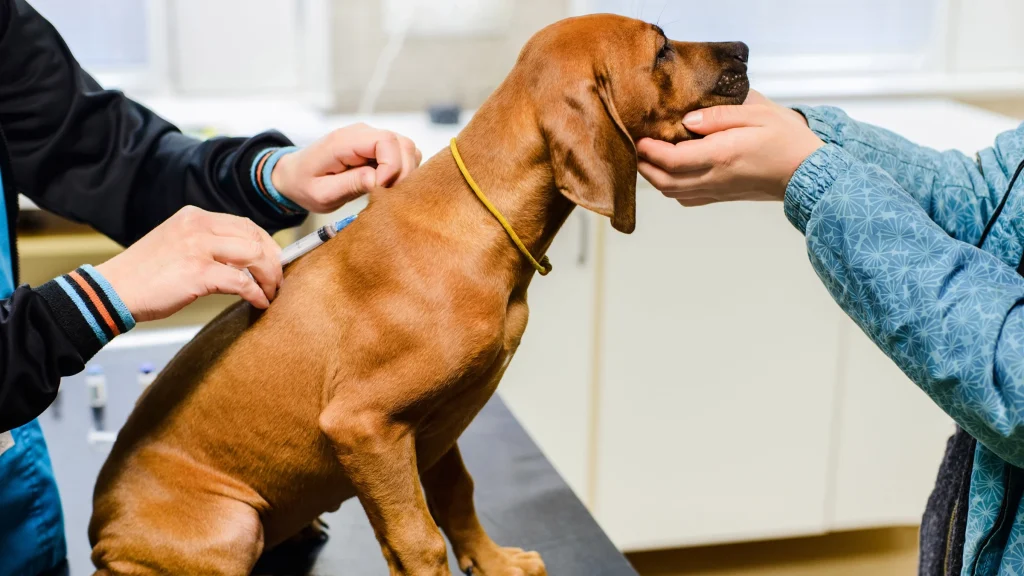
Vaccines help protect dogs from kennel cough. There are different types, including injectable and nasal vaccines. Nasal vaccines often work faster and help stop the infection early. Consult a vet to choose the best vaccine for your dog. Vaccination is not 100% effective but greatly reduces chances of illness.
Hygiene Practices
Clean surroundings reduce germs that cause kennel cough. Wash dog bedding and toys regularly. Disinfect bowls and floors often. Avoid sharing items between dogs to prevent spreading germs. Keep your dog’s nose and mouth clean after walks or playtime. Good hygiene supports a strong immune system.
Limiting Exposure
Avoid crowded dog parks or kennels during outbreaks. Keep your dog away from coughing or sneezing dogs. Watch for signs of illness in other dogs you meet. Quarantine new dogs before introducing them to others. Small steps limit contact with the kennel cough virus. This lowers the chance of catching the illness.
Treatment And Care
Knowing how to properly treat and care for your dog when they catch kennel cough is crucial. The right approach not only speeds up recovery but also prevents the illness from spreading to other pets. Treatment often combines professional veterinary care with attentive home management.
Veterinary Diagnosis
Accurate diagnosis starts with a visit to your vet. They will perform a physical exam and may recommend tests to rule out other respiratory issues. Pinpointing kennel cough early helps tailor the right treatment plan for your dog’s specific condition.
Medications
Your vet might prescribe medications based on your dog’s symptoms and health status. Antibiotics are common, especially if a bacterial infection is involved. Sometimes, cough suppressants or anti-inflammatory drugs are given to ease discomfort.
Remember, never give your dog human medicines without veterinary approval. Some drugs safe for people can be harmful to pets.
Home Care Tips
- Keep your dog in a calm, stress-free environment to help recovery.
- Provide plenty of fresh water to stay hydrated and soothe their throat.
- Use a humidifier or take your dog into a steamy bathroom to ease coughing.
- Avoid exposing your dog to smoke, dust, or strong scents that could irritate their airways.
- Limit exercise and outdoor exposure until your vet confirms your dog is no longer contagious.
Have you noticed how small changes in your dog’s routine can make a big difference in their healing? Paying close attention to these details can turn a tough situation into a manageable one.
Myths About Kennel Cough
Kennel cough often comes with many myths and false ideas. These myths can confuse dog owners. Knowing the truth helps keep dogs healthy and safe. Understanding what kennel cough really is stops wrong actions and worries.
Common Misconceptions
- Kennel cough only happens in kennels. Not true. Dogs can catch it anywhere dogs meet.
- Only puppies get kennel cough. Dogs of all ages can catch it.
- Kennel cough is always serious. Usually, it is mild and goes away quickly.
- Antibiotics always cure kennel cough. Sometimes, rest and care are enough.
- Dogs must be isolated forever if they have kennel cough. Short rest is enough to stop spread.
Separating Fact From Fiction
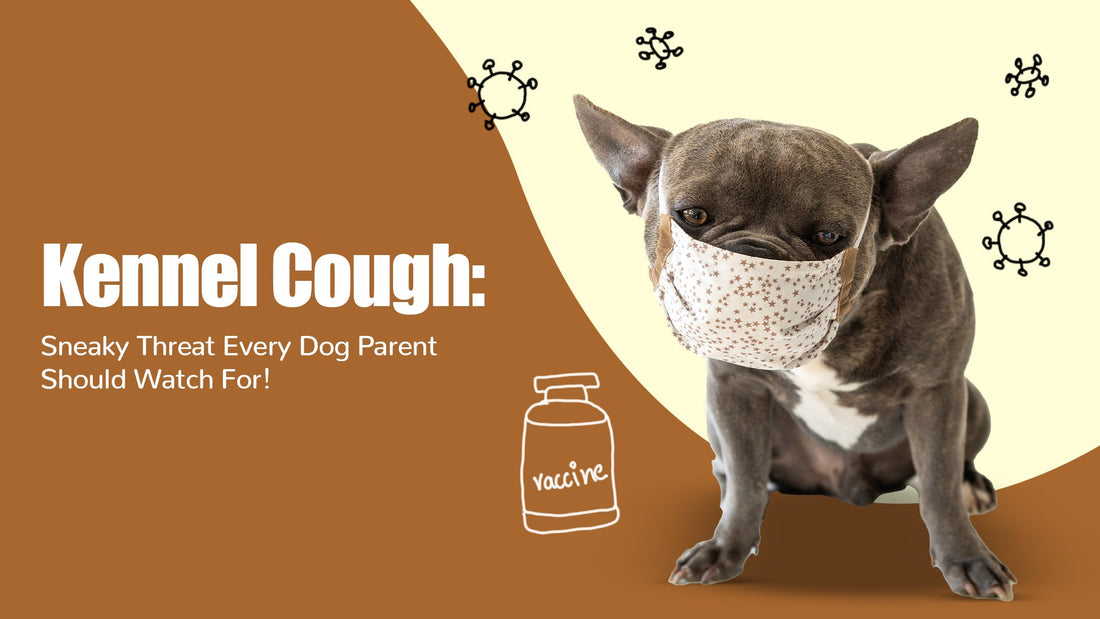
Kennel cough spreads through air and close contact. Dogs breathe in droplets from coughs or sneezes. They can also get it by sharing water bowls or toys. Vaccines reduce risk but do not fully prevent it.
Good hygiene and avoiding crowded dog places help stop the spread. Early vet care ensures quick recovery. Knowing facts helps owners protect pets better.
Credit: zigly.com
Frequently Asked Questions
What Causes Kennel Cough In Dogs?
Kennel cough is caused by bacteria and viruses like Bordetella bronchiseptica. It spreads easily in places where dogs gather.
How Does Kennel Cough Spread Among Dogs?
Kennel cough spreads through airborne droplets when infected dogs cough or sneeze. It also spreads via direct contact or shared objects.
Can Dogs Catch Kennel Cough From Other Animals?
Yes, kennel cough primarily affects dogs but can occasionally spread from other animals carrying the bacteria or viruses.
How Long Is A Dog Contagious With Kennel Cough?
Dogs are contagious for about 2 to 3 weeks after symptoms start, even if they seem healthy.
Conclusion
Dogs catch kennel cough mainly through close contact with infected dogs. The germs spread in places like kennels, parks, or shelters. Coughing, sneezing, and shared water bowls help the infection travel. Keeping your dog away from sick dogs lowers the risk.
Vaccines and good hygiene also protect your pet. Watch for signs like coughing or a runny nose. Early care helps dogs recover faster and stay healthy. Understanding how kennel cough spreads helps you keep your dog safe and happy.

Emily Barker is the founder of ChillDogLife.com, a space dedicated to helping pup parents discover the best dog products, lifestyle tips, and cozy ideas for happier homes.
A lifelong dog lover, Emily combines her passion for pets with a knack for research to share trusted recommendations on everything from toys and furniture to health and everyday care.
Her goal is simple: to make life easier, stylish, and more joyful for dogs and the people who love them.




