
Thinking about bringing a furry friend into your life? You’re probably wondering, “How much will it actually cost to adopt a dog?” It’s a big decision that goes beyond just love and companionship.
Knowing the true expenses upfront helps you prepare better and avoid surprises later. You’ll discover all the costs involved in adopting a dog—so you can make the best choice for both your heart and your wallet. Keep reading to find out what to expect and how to plan smartly for your new best friend.
Initial Adoption Fees
Initial adoption fees are the first financial step in bringing a dog into your life. These fees cover essential services like vaccinations, spaying or neutering, and microchipping. Understanding what influences these costs can help you budget better and avoid surprises.
Shelter Vs. Rescue Costs
Shelters often charge lower adoption fees compared to rescue groups. This is because shelters typically receive government funding or donations that offset their expenses. Rescue groups, on the other hand, may invest more in medical care and rehabilitation, which reflects in higher fees.
For example, I once adopted from a local shelter for $75, which included all vaccinations and a health check. A friend who chose a breed-specific rescue paid around $250, but the dog received specialized care before adoption. What matters most to you—cost or specific care?
Breed-specific Fees
Some breeds come with higher adoption fees due to their popularity or special needs. Purebreds or designer mixes often cost more because of their demand and the expenses involved in their care. Mixed breeds usually have lower fees but can be just as loving and healthy.
Think about whether you’re set on a specific breed or open to any dog. Higher fees might also mean the dog has had more thorough health screenings. Are you ready to pay more for that peace of mind?
Age And Size Impact
Puppies usually carry higher adoption fees than adult or senior dogs. This reflects the vaccinations, deworming, and initial vet visits puppies require. Larger dogs might also cost more due to their food and medical needs, but their adoption fees don’t always reflect this.
When I adopted an older dog, the fee was just $50, yet the dog’s love was priceless. Would you rather invest more upfront for a puppy or save on fees with an older companion?
Pre-adoption Expenses
Pre-adoption expenses include costs like vaccinations, microchipping, and health checks. These fees help ensure the dog is healthy and ready for a new home. Budgeting for these upfront costs is important before adopting a dog.
Adopting a dog brings joy and companionship. But, it also involves costs. Before bringing your new furry friend home, consider pre-adoption expenses. These initial costs ensure a smooth transition for your pet. They also help you prepare your home and lifestyle.Home Preparation
Creating a safe and welcoming space is crucial. Start by pet-proofing your home. Remove small objects that dogs might swallow. Secure electrical cords to prevent chewing. Block access to hazardous areas like staircases. Consider installing gates if needed. Ensure your home is ready for a curious, energetic dog.Supplies To Buy
You’ll need several supplies for your new dog. Here’s a list to get you started:- Dog bed for a cozy resting place.
- Food and water bowls.
- High-quality dog food and treats.
- Collar, leash, and ID tag.
- Toys for mental and physical stimulation.
- Grooming tools like brushes and nail clippers.
Pet Insurance Options
Consider pet insurance to cover unexpected health costs. Research different plans and providers. Some plans cover only accidents, while others include wellness visits. Compare premiums, coverage limits, and deductibles. Choose a plan that suits your budget and your dog’s needs. Pet insurance can provide peace of mind and financial security.Healthcare Costs
Healthcare costs form a major part of dog adoption expenses. These costs cover essential medical care to keep your new pet healthy and happy. Understanding these expenses helps prepare for the financial commitment of dog ownership.
Vaccinations And Vet Visits
Vaccinations protect dogs from dangerous diseases. Puppies need a series of shots over several weeks. Adult dogs require yearly boosters to stay protected. Regular vet visits also check your dog’s overall health. These visits help catch problems early, saving money later.
Spaying And Neutering
Spaying or neutering your dog prevents unwanted puppies. This surgery also reduces some health risks and behavioral issues. The cost varies by location and dog size. Many shelters include this surgery in the adoption fee. If not, plan for a few hundred dollars.
Routine Preventatives
Routine preventatives protect dogs from fleas, ticks, and heartworms. These include monthly pills or topical treatments. Preventative care costs around $100 to $200 yearly. Skipping these can lead to expensive health problems. Regular use keeps your dog safe and comfortable.
Credit: pasadenahumane.org
Training And Socialization
Training and socialization are key to helping your new dog become a happy, well-behaved member of your family. These efforts improve communication between you and your pet, reduce stress, and prevent future behavioral problems. Understanding the costs and benefits of different training options can help you decide what fits your budget and lifestyle.
Basic Obedience Classes
Basic obedience classes often cover essential commands like sit, stay, come, and leash walking. These group sessions usually last 6 to 8 weeks and cost between $100 and $200, depending on your location. Attending classes gives your dog a structured environment to learn, while you gain skills to reinforce good behavior at home.
Many owners find these classes a great way to bond with their dog and meet other pet parents. Have you considered how learning in a group might help your dog stay calm around other dogs and people?
Behavioral Training
Behavioral training targets specific issues such as excessive barking, aggression, or separation anxiety. This type of training often requires a professional trainer and can cost anywhere from $50 to $120 per session. You may need several sessions depending on the severity of the problem.
Investing in behavioral training early can save money and frustration later. Think about the peace of mind you’ll have when your dog behaves well in challenging situations.
Socialization Activities
Socialization helps your dog feel comfortable with new people, animals, and environments. Activities like puppy playgroups, dog park visits, and supervised meetups usually have little to no cost but require your time and consistency. Regular socialization reduces fear and aggression, making daily life more enjoyable for both of you.
Have you planned ways to expose your dog safely to different settings? Small, positive experiences can make a big difference in your dog’s confidence and happiness.
Ongoing Monthly Expenses
Adopting a dog means more than just a one-time fee. Ongoing monthly expenses play a big role in pet care. These costs keep your dog healthy, happy, and comfortable every day.
Understanding these expenses helps plan your budget better. Regular spending includes food, grooming, and fun items. Each area has different costs depending on your dog’s size and needs.
Food And Treats
Food is the biggest monthly expense. Dogs need a balanced diet to stay healthy and active. Larger dogs eat more, which raises the cost. Quality dog food supports good digestion and energy levels.
Treats add up too. Use them for training or rewards. Choose healthy options to avoid weight gain. Monthly food and treats cost around $30 to $70 on average.
Grooming And Maintenance
Grooming keeps your dog clean and comfortable. Costs vary by breed and hair type. Some dogs need regular haircuts, baths, and nail trims. Grooming tools or professional services both add to expenses.
Dental care and flea prevention also count here. Regular grooming helps prevent health problems. Monthly grooming costs range from $20 to $60, depending on needs.
Toys And Accessories
Toys keep dogs mentally and physically active. Rotate toys to maintain interest and avoid boredom. Chew toys, balls, and puzzle toys all help with stimulation.
Accessories include collars, leashes, and beds. These items wear out and need replacement over time. Budget $10 to $30 monthly for toys and accessories to keep your dog entertained and safe.

Credit: www.harkerheights.gov
Emergency And Unexpected Costs
Adopting a dog brings joy and companionship. Yet, emergencies and unexpected costs can arise. These costs may impact your budget more than regular expenses. Planning ahead helps manage these sudden financial needs. Understanding common emergency costs prepares you for surprises.
Medical Emergencies
Illness or injury can happen anytime. Emergency vet visits often cost hundreds of dollars. Common emergencies include:
- Accidents like broken bones or cuts
- Sudden illnesses such as infections or poisoning
- Urgent surgeries or treatments
Pet insurance may reduce some costs. Keeping an emergency fund for your dog is wise.
Lost Pet Expenses
Dogs can escape or get lost. Searching and recovering your pet can be costly. Expenses may include:
- Flyers and posters for neighborhood distribution
- Online ads on local lost and found sites
- Microchip registration updates or replacement
- Travel or transport to retrieve your dog
Investing in a microchip and ID tags lowers risks and costs.
Travel And Boarding
Unexpected trips may require boarding your dog. Costs vary by facility and length of stay. Options include:
- Professional boarding kennels
- Pet sitters or dog walkers
- Friends or family who can care for your dog
Advance planning reduces stress and unexpected fees during travel.
Cost-saving Tips
Adopting a dog can be a rewarding experience without breaking the bank. Smart choices help reduce the overall cost. Small efforts save money on adoption and care.
Explore ways to lower expenses while giving a dog a loving home. These tips cover adoption deals, training, grooming, and healthcare.
Adopting During Promotions
Many shelters offer discounts or waive fees during special events. These promotions happen on holidays or awareness days.
Follow local shelters on social media or join mailing lists. This way, you hear about promotions early.
Adopting during these times saves money on initial costs. It also helps pets find homes faster.
Diy Training And Grooming
Training your dog at home cuts down on expensive classes. Use online videos and books designed for beginners.
Basic grooming tasks like bathing, brushing, and nail trimming can be done yourself. This reduces visits to professional groomers.
Simple tools like brushes and nail clippers cost little but last long. Regular care keeps your dog healthy and happy.
Affordable Healthcare Options
Pet healthcare can be costly, but options exist to ease expenses. Some clinics offer low-cost vaccinations and check-ups.
Look for local animal welfare groups that provide affordable vet services. They often have sliding scale fees based on income.
Pet insurance helps manage unexpected medical bills. Choose plans with low premiums and good coverage for common illnesses.

Credit: www.green-hill.org
Frequently Asked Questions
How Much Does It Cost To Adopt A Dog?
Adoption fees typically range from $50 to $350. This covers vaccinations, spaying/neutering, and microchipping. Prices vary by shelter and dog breed.
What Factors Affect Dog Adoption Fees?
Age, breed, size, and health influence adoption fees. Purebred or younger dogs often cost more. Some shelters also include initial vet care in the fee.
Are There Additional Costs After Adopting A Dog?
Yes, expect expenses like food, grooming, toys, and vet visits. Initial supplies and ongoing care can add several hundred dollars yearly.
Can I Adopt A Dog For Free?
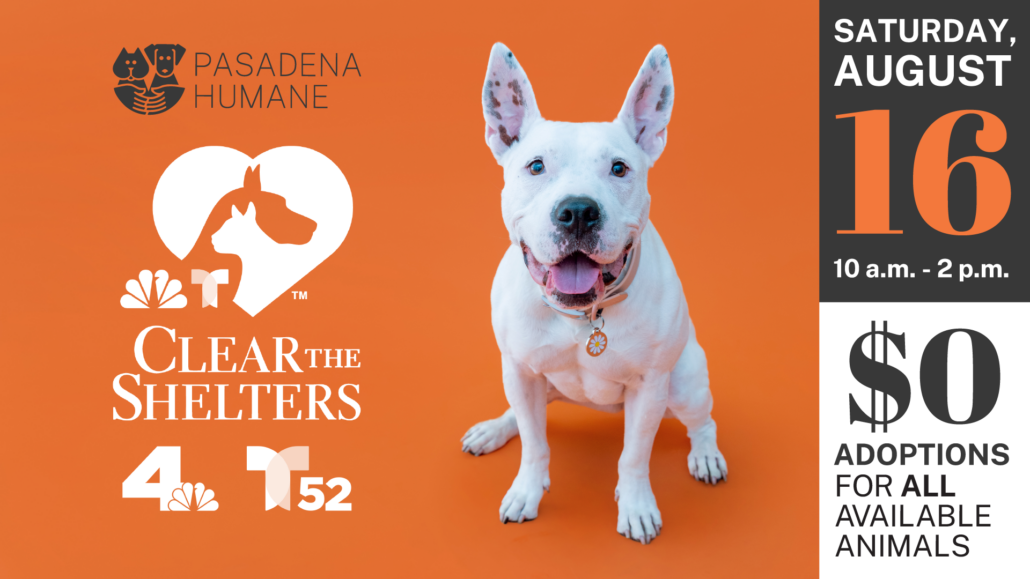
Some shelters offer fee-waived adoption events occasionally. However, free adoptions are rare and may not include medical care or vaccinations.
Conclusion
Adopting a dog costs vary by shelter and dog type. Fees usually cover vaccinations, spaying, and health checks. Budget for food, toys, and vet visits too. A dog brings joy and needs care and love. Think carefully about your budget before adopting.
A happy dog makes a happy home. Choose adoption to save a life and gain a loyal friend.

Emily Barker is the founder of ChillDogLife.com, a space dedicated to helping pup parents discover the best dog products, lifestyle tips, and cozy ideas for happier homes.
A lifelong dog lover, Emily combines her passion for pets with a knack for research to share trusted recommendations on everything from toys and furniture to health and everyday care.
Her goal is simple: to make life easier, stylish, and more joyful for dogs and the people who love them.




