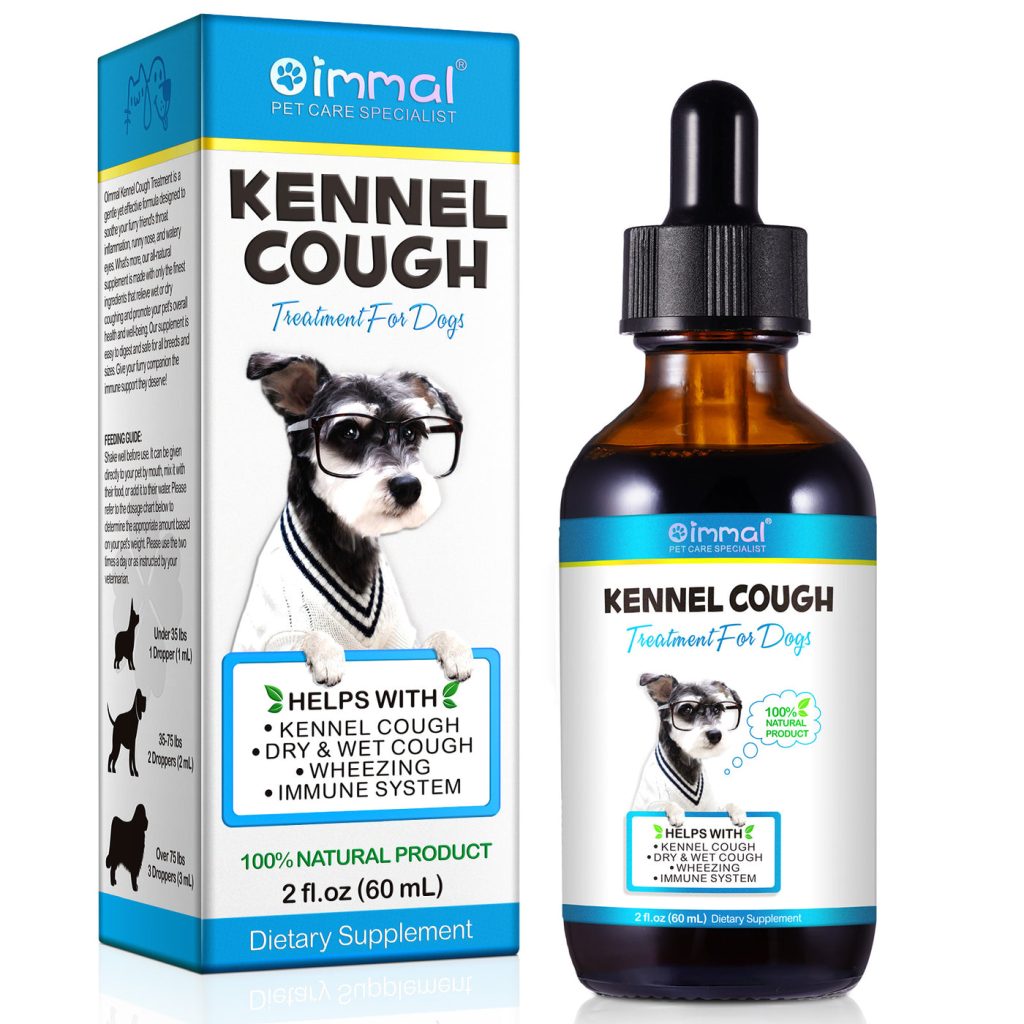
If your dog has a harsh, persistent cough, you might be worried about kennel cough. You want to help your furry friend feel better as quickly as possible.
The good news is, kennel cough is treatable, and with the right care, your dog can recover comfortably at home. You’ll discover clear, simple steps to cure kennel cough and ease your dog’s discomfort. Keep reading to learn exactly what you need to do to protect your pet’s health and happiness.
Symptoms Of Kennel Cough
Kennel cough is a common respiratory infection in dogs. Its symptoms can be mild or severe. Knowing the signs helps you act fast. Early detection can protect your dog and others.
Common Signs To Watch For
- A harsh, dry cough that sounds like a honk
- Gagging or retching after coughing
- Runny nose and sneezing
- Low energy or lethargy
- Loss of appetite or mild fever
- Watery or red eyes
- Difficulty breathing in rare cases
When To See A Vet
Visit a vet if the cough lasts more than two weeks. Seek help if your dog has trouble breathing or stops eating. Immediate care is needed for high fever or weakness. Puppies, older dogs, and pets with weak immunity need quick attention.
Causes Of Kennel Cough
Kennel cough spreads easily through close contact with infected dogs or contaminated surfaces. Dry air, stress, and weakened immunity also increase the risk of catching it. Understanding these causes helps in preventing and treating kennel cough effectively.
Understanding the causes of kennel cough is crucial if you want to protect your furry friend from this common ailment. Kennel cough, or canine infectious tracheobronchitis, is not just a simple cold for dogs; it can lead to more serious respiratory issues. Knowing what triggers it can help you take preventative measures and ensure your dog’s health.Bacterial And Viral Origins
Kennel cough can be caused by a variety of pathogens, with the most common being the Bordetella bronchiseptica bacterium. This bacterium often works hand-in-hand with viruses such as canine parainfluenza virus and canine adenovirus to trigger symptoms. Have you ever thought about how many germs your dog encounters daily? This combination of bacteria and viruses makes it easy for kennel cough to spread, especially in environments with lots of dogs.How It Spreads
Kennel cough is highly contagious and spreads quickly through airborne droplets. When an infected dog coughs, sneezes, or barks, they release tiny droplets filled with bacteria and viruses into the air. If your dog is around such an infected dog, it can easily inhale these droplets, contracting the illness. Additionally, contaminated surfaces like shared water bowls, toys, or even a friendly pat from someone who handled an infected dog can transmit the illness. This means that even a brief encounter at a dog park or kennel can be enough to catch kennel cough. Are you mindful of where your dog socializes? Taking simple precautions can significantly reduce the risk of your dog catching this cough.Home Remedies For Kennel Cough
Home remedies can ease your dog's kennel cough symptoms safely at home. These treatments focus on comfort and support. They help reduce coughing and soothe the throat. Simple care and natural methods often improve your pet’s well-being quickly.
Natural Soothing Treatments
Honey is a gentle way to calm your dog’s throat. A small spoon of honey can coat the throat and reduce irritation. Use raw, natural honey for best results. Avoid giving honey to puppies under one year.
Steam helps loosen mucus and soothe airways. Sit with your dog in a warm, steamy bathroom for 10 to 15 minutes. This moist air eases coughing and helps breathing.
Herbal teas like chamomile, cooled to room temperature, can calm your dog. Use small amounts and check for any allergies first. Avoid teas with caffeine or added sugars.
Rest And Hydration Tips
- Provide a quiet, comfortable place for your dog to rest.
- Limit physical activity to reduce coughing and stress.
- Make sure fresh water is always available and encourage drinking.
- Offer wet food or add water to dry food to increase fluid intake.
- Keep your dog away from smoke, dust, and strong smells.
Proper rest and hydration support the immune system. They help your dog heal faster from kennel cough. Always watch for signs of worsening symptoms. Contact your vet if cough lasts more than two weeks.

Credit: infrakraft.com
Medical Treatments
Medical treatments play a vital role in curing kennel cough in dogs. These treatments help reduce symptoms and speed up recovery. Early care can prevent complications and keep your dog comfortable.
Antibiotics And Cough Suppressants
Antibiotics target bacterial infections causing kennel cough. Your vet may prescribe them if bacteria are present or suspected. It’s important to complete the full course to avoid resistance.
Cough suppressants help ease persistent coughing. They reduce irritation in the throat and improve rest. Use only medications approved by your veterinarian to ensure safety.
Vaccination Options
Vaccines protect dogs from kennel cough bacteria and viruses. They reduce the chance of infection and lessen symptoms if your dog gets sick. Vaccination is recommended for dogs in group settings or frequent public places.
Different vaccines cover various strains of the kennel cough complex. Consult your vet about the best option for your dog’s lifestyle. Regular boosters keep immunity strong and effective.
Preventing Kennel Cough
Preventing kennel cough is key to keeping your dog healthy and happy. This contagious respiratory illness spreads easily, especially in places where dogs gather. Taking simple, proactive steps can protect your pet before any symptoms appear.
Hygiene Practices
Good hygiene is your first line of defense against kennel cough. Regularly clean your dog’s bedding, toys, and food bowls to reduce bacteria and viruses. After walks or visits to dog parks, wipe your dog’s paws and coat to remove germs they might have picked up.
Did you know that washing your hands before and after handling your dog can also help? It prevents you from transferring germs to your pet or picking them up yourself. Small actions like these build a strong barrier against infection.
Avoiding High-risk Environments
Places like dog parks, boarding kennels, and grooming salons are hotspots for kennel cough. Try to limit your dog’s time in crowded areas, especially during outbreaks or cold seasons. If you must visit these places, ask about their vaccination and cleaning policies beforehand.
Think about your dog’s personality and health condition—some dogs are more vulnerable than others. Would you risk taking a puppy or an older dog into a busy kennel? Sometimes, choosing quieter walks or private playdates can make a big difference in avoiding illness.

Credit: www.amazon.com
When To Seek Emergency Care
Knowing when to seek emergency care for kennel cough is critical. Most cases improve with rest and simple treatments. Some dogs may develop serious problems that need quick medical help.
Recognizing danger signs early can save your dog’s life. Acting fast prevents complications from worsening. Keep a close eye on your pet’s behavior and symptoms.
Warning Signs Of Complications
- Persistent coughing that worsens over time
- Difficulty breathing or rapid breathing
- Blue or pale gums and tongue
- High fever above 103°F (39.4°C)
- Weakness or collapse
- Excessive nasal discharge or bleeding
- Loss of appetite and severe lethargy
These signs indicate your dog may have pneumonia or another serious infection. Immediate veterinary care is essential. Delay can lead to severe health risks.
Supportive Care Measures
- Keep your dog in a quiet, warm space
- Provide plenty of fresh water to prevent dehydration
- Use a humidifier or steam to ease coughing
- Avoid exposure to smoke and strong scents
- Follow your vet’s instructions on medications
- Limit physical activity until your dog recovers
Supportive care helps reduce symptoms and speeds recovery. Monitor your dog closely and contact your vet if symptoms change.

Credit: www.amazon.com
Frequently Asked Questions
What Are The Common Symptoms Of Kennel Cough In Dogs?
Kennel cough symptoms include a persistent dry cough, gagging, sneezing, and mild fever. Dogs may also show reduced appetite and lethargy. Early detection helps in faster treatment and prevents spread to other dogs.
How Long Does Kennel Cough Last In Dogs?
Kennel cough usually lasts 1 to 3 weeks without treatment. With proper care and medication, symptoms improve within 7 to 10 days. Severe cases might take longer and require veterinary attention.
Can Kennel Cough Be Treated At Home Effectively?
Mild kennel cough cases can be managed at home with rest, hydration, and cough suppressants. However, consult a vet if symptoms worsen or persist beyond two weeks for proper diagnosis and treatment.
Is Kennel Cough Contagious To Other Dogs?
Yes, kennel cough is highly contagious among dogs through airborne droplets and direct contact. Isolate infected dogs and maintain hygiene to prevent spreading the infection to other pets.
Conclusion
Caring for a dog with kennel cough takes patience and attention. Keep your pet calm and give plenty of rest. Follow the vet’s advice for medicine and care. Watch for signs if the cough gets worse. Clean your dog’s living area to stop germs.
Good food and water help your dog heal faster. With care and time, your dog will feel better soon. Stay calm, act quickly, and your dog will recover well.

Emily Barker is the founder of ChillDogLife.com, a space dedicated to helping pup parents discover the best dog products, lifestyle tips, and cozy ideas for happier homes.
A lifelong dog lover, Emily combines her passion for pets with a knack for research to share trusted recommendations on everything from toys and furniture to health and everyday care.
Her goal is simple: to make life easier, stylish, and more joyful for dogs and the people who love them.




