If your dog has kennel cough, you want to help them feel better fast. Kennel cough can make your furry friend cough, gag, and feel uncomfortable.
You might be wondering, “What can I give my dog to ease this? ” Knowing the right treatment can make a big difference in your dog’s recovery and comfort. You’ll discover simple, effective options to help your dog heal quickly.
Keep reading to find out how you can support your dog through kennel cough and bring back their happy, healthy self.

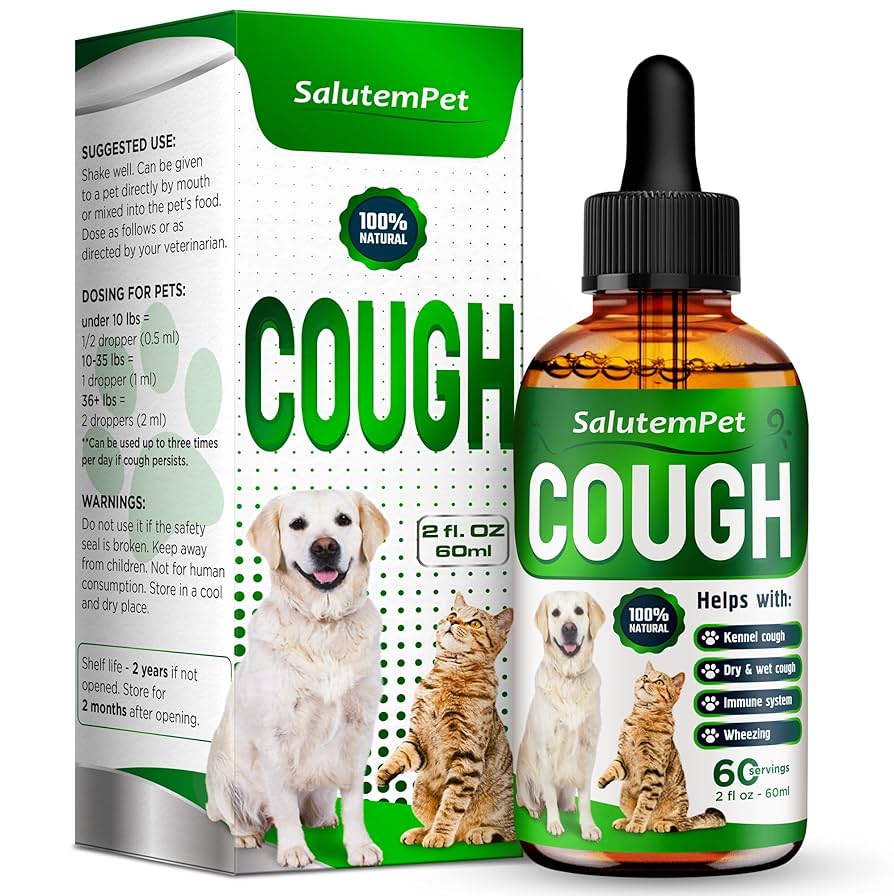
Credit: www.amazon.com
Symptoms Of Kennel Cough
Kennel cough is a common respiratory infection in dogs. It spreads quickly, especially in places where many dogs gather. Recognizing the symptoms early helps protect your dog’s health. The signs often resemble a cold or mild flu but can sometimes worsen. Knowing what to watch for is important for timely care.
Common Signs To Watch For
- A strong, dry cough that sounds like a honk
- Gagging or retching after coughing
- Runny nose or sneezing
- Low energy and less interest in playing
- Mild fever or reduced appetite
- Occasional eye discharge
When To See A Veterinarian
Visit the vet if your dog’s cough lasts more than two weeks. Seek help if coughing worsens or becomes wet and heavy. Difficulty breathing or blue gums require immediate care. Puppies, older dogs, and those with weak immune systems need prompt attention. A vet can confirm the diagnosis and suggest proper treatment.
Causes Of Kennel Cough
Understanding the causes of kennel cough is important for dog owners. This contagious respiratory illness affects many dogs worldwide. It spreads easily in environments where dogs gather. Knowing the triggers helps in prevention and care.
Bacterial And Viral Triggers
Kennel cough often results from bacterial and viral infections. The main bacterial cause is Bordetella bronchiseptica. This bacteria weakens the dog’s respiratory system. Viruses like canine parainfluenza and canine adenovirus also play a role. These viruses damage the respiratory tract, making it easier for bacteria to infect.
Risk Factors And Transmission
Certain factors increase the risk of kennel cough in dogs. Crowded places like kennels, dog parks, or grooming salons are common transmission sites. Dogs in these places are more exposed to the germs. Puppies and older dogs are more susceptible due to weaker immune systems. Stress and poor ventilation can also increase the risk.
Home Remedies For Kennel Cough
Dealing with kennel cough in your dog can be stressful, but there are simple home remedies that might ease your pet’s discomfort. These remedies focus on soothing the throat, reducing coughing, and supporting recovery without immediate reliance on medications. You can try these gentle approaches alongside advice from your vet to help your dog feel better faster.
Honey And Natural Soothers
Honey can be a surprisingly effective natural remedy for kennel cough. It coats the throat and helps reduce irritation, which can calm your dog’s cough. Just give a small amount—about half a teaspoon for small dogs and a teaspoon for larger ones—once or twice a day.
Besides honey, you can also use natural soothers like slippery elm or marshmallow root, which are known to ease throat discomfort. These come in powder or capsule form and can be mixed with your dog’s food. Have you noticed how certain flavors or textures can comfort your dog during illness?
Steam Therapy And Humidifiers
Steam therapy can help loosen mucus and soothe your dog’s airways. Sitting with your dog in a steamy bathroom for 10-15 minutes a couple of times a day may ease breathing and reduce coughing fits. Make sure the room is comfortably warm but not too hot.
Using a humidifier in your home adds moisture to dry air, which can prevent your dog’s throat from becoming too dry and irritated. This simple step might improve your dog’s comfort, especially in dry or heated environments. Have you tried adjusting your home’s humidity during your dog’s sickness?
Rest And Hydration Tips
Rest is essential for your dog to recover from kennel cough. Limit vigorous activity and provide a quiet, cozy space where your dog feels safe and calm. Avoid exposing your dog to cold or windy areas during recovery.
Hydration plays a big role in healing. Fresh water should always be available, and you might encourage your dog to drink more by offering ice cubes or adding a bit of low-sodium broth to their water bowl. Have you noticed how hydration can change your dog’s energy and cough symptoms?

Credit: oimmal.com
Over-the-counter Treatments
Over-the-counter treatments offer simple ways to ease kennel cough symptoms in dogs. These options can help reduce coughing and support the immune system. They are easy to find and use at home. Always check with a vet before giving any treatment.
Cough Suppressants For Dogs
Cough suppressants help calm the cough reflex. They make your dog more comfortable and help them rest. Common ingredients include dextromethorphan or hydrocodone, but only use those approved for dogs. Follow dosage instructions carefully to avoid side effects.
- Reduces frequent coughing
- Helps dogs relax and sleep
- Available in syrup or tablet form
Do not give human cough medicine without vet advice. Some ingredients can be harmful to dogs.
Supplements To Boost Immunity
Supplements can support your dog’s immune system. Strong immunity helps fight the infection faster. Look for supplements with natural ingredients like:
- Vitamin C
- Zinc
- Probiotics
- Herbal extracts such as echinacea
These supplements are safe and can improve overall health. Use them alongside other treatments for better results. Always choose products made for dogs and follow recommended doses.
Veterinary Treatments
Veterinary treatments play a key role in managing kennel cough effectively. A vet can diagnose the condition and suggest the best care plan. Proper treatment helps your dog recover faster and avoid complications.
Antibiotics And When They Are Needed
Antibiotics treat bacterial infections linked to kennel cough. Vets prescribe them if your dog shows severe symptoms. Signs include persistent coughing, fever, and difficulty breathing. Antibiotics do not work for viral causes but help prevent secondary infections. Always follow the vet’s instructions for dosage and duration. Overuse of antibiotics can cause resistance and harm your dog’s health.
Vaccines And Prevention
Vaccines reduce the risk of kennel cough. They protect against common bacteria and viruses causing the illness. Puppies and dogs in crowded places should get vaccinated regularly. Vaccination helps control outbreaks in shelters and dog parks. It does not guarantee full immunity but lowers the chance of severe symptoms. Consult your vet about the right vaccination schedule for your dog.
Preventing Kennel Cough
Preventing kennel cough is key to keeping your dog healthy and happy. This contagious infection spreads easily in places where many dogs gather. Taking simple steps can lower the risk and protect your pet from catching kennel cough.
Avoiding High-risk Environments
Places like dog parks, boarding kennels, and grooming salons can expose dogs to kennel cough. Avoid these spots during outbreaks or if your dog’s immune system is weak. Limit visits to crowded areas, especially with unfamiliar dogs.
Keep your dog away from sick animals. Watch for coughing or sneezing dogs and steer clear. Choose quieter, less busy locations for walks and playtime.
Maintaining Good Hygiene
Cleanliness helps stop the spread of kennel cough bacteria and viruses. Wash your dog’s bedding, toys, and bowls often with hot water and soap. Disinfect areas where your dog spends time, like crates or floors.
Regular hand washing after handling dogs prevents germs from spreading. Use pet-safe cleaning products to keep your dog’s environment safe and healthy.
When To Seek Emergency Care
Recognizing when your dog needs emergency care for kennel cough is crucial. Most cases improve with rest and simple treatment. Some signs, though, mean your dog must see a vet immediately. Acting fast can save your dog’s life and prevent serious problems. Watch your dog closely for unusual symptoms or changes.
Signs Of Severe Infection
- High fever above 103°F (39.4°C)
- Persistent coughing lasting more than two weeks
- Thick, green or yellow nasal discharge
- Loss of appetite and extreme tiredness
- Swollen lymph nodes around the neck
These signs show the infection may have worsened or spread. Immediate veterinary attention is essential to avoid complications.
Breathing Difficulties And Other Concerns
- Rapid or labored breathing
- Wheezing or gasping for air
- Blue or pale gums and tongue
- Collapse or fainting episodes
- Excessive drooling or choking sounds
Breathing problems require urgent care. They can indicate pneumonia or airway blockage. Do not delay in seeking emergency help for these symptoms.
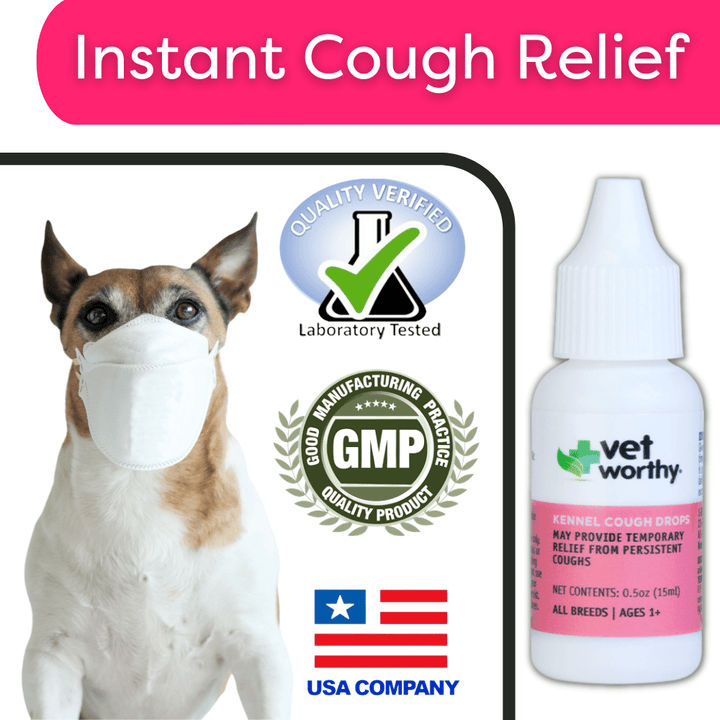
Credit: vetworthy.com
Frequently Asked Questions
What Medications Help Treat Kennel Cough In Dogs?
Common medications include antibiotics, cough suppressants, and anti-inflammatories. Always consult your vet before giving any medicine to your dog. Proper medication can reduce symptoms and speed up recovery.
Can I Give My Dog Cough Syrup For Kennel Cough?
Only use vet-approved cough syrups. Human cough medicines can be harmful to dogs. Always ask your veterinarian for safe options tailored to your pet’s needs.
How Can I Naturally Relieve My Dog’s Kennel Cough?
Natural remedies include humidifiers, honey (in small amounts), and plenty of rest. These methods can soothe your dog’s throat and improve comfort but do not replace veterinary care.
When Should I See A Vet For Kennel Cough?
If your dog shows persistent coughing, difficulty breathing, or lethargy, visit a vet immediately. Early professional care prevents complications and ensures proper treatment.
Conclusion
Treating kennel cough starts with care and patience. Offer your dog plenty of rest and fresh water. Use vet-approved medicines to ease coughing and fight infection. Keep your dog away from other pets to stop spreading. Watch for signs that need a vet’s attention.
A healthy home helps your dog recover faster. Small steps make a big difference. Stay calm and supportive. Your dog will feel better soon.

Emily Barker is the founder of ChillDogLife.com, a space dedicated to helping pup parents discover the best dog products, lifestyle tips, and cozy ideas for happier homes.
A lifelong dog lover, Emily combines her passion for pets with a knack for research to share trusted recommendations on everything from toys and furniture to health and everyday care.
Her goal is simple: to make life easier, stylish, and more joyful for dogs and the people who love them.




