Are you looking for a cozy, safe space for your dog right inside your home? Building your own indoor dog kennel can be easier and more affordable than you think.
Imagine giving your furry friend a special spot to relax, play, and feel secure—without spending a fortune or waiting for delivery. You’ll discover simple steps and smart tips to create a comfortable kennel that fits your style and your dog’s needs.
Ready to make your pet’s comfort a priority? Let’s get started!
Credit: gagejohnson19.medium.com
Choosing The Right Spot
Choosing the right spot for your indoor dog kennel is key to your pet’s comfort. The location affects your dog’s health and happiness. Careful thought helps create a safe, cozy space where your dog feels relaxed and secure.
Consider Temperature And Ventilation
Select a spot with stable temperature. Avoid places near heaters or air conditioners. Good airflow prevents stuffiness. Proper ventilation keeps the kennel fresh and dry. It helps your dog breathe easily and stay cool or warm as needed.
Find A Quiet Area
Pick a calm and quiet corner. Loud noises can stress your dog. Avoid busy hallways or rooms with heavy foot traffic. A peaceful area lets your dog rest without disturbance. It makes the kennel a safe retreat.
Measure Available Space
Check the space before placing the kennel. Measure width, length, and height carefully. Leave enough room for the kennel and some extra space around it. Your dog needs room to move freely inside. Proper sizing keeps your dog comfortable and happy.
Credit: www.msn.com
Selecting Materials
Choose sturdy, non-toxic wood or plastic for safety and durability. Soft bedding or mats add comfort inside the kennel. Ensure materials are easy to clean and pet-friendly.
Selecting the right materials for your DIY indoor dog kennel is crucial. The materials you choose ensure safety, comfort, and longevity for your furry friend. Think about durability and how easy it is to clean. This will make maintaining the kennel a breeze.Safe And Durable Options
Safety is the top priority. Opt for non-toxic materials. Metal wire or wood are great choices. Metal wire is strong and hard for dogs to chew through. Wood is sturdy and can be sanded smooth. Avoid sharp edges or splinters. Use smooth finishes for protection.Comfortable Bedding Choices
Comfort is key for your dog’s happiness. Choose soft, washable bedding. Memory foam mats provide support. Fleece blankets are cozy and warm. Make sure the bedding fits well in the kennel space. Easy-to-clean materials are a must.Tools You’ll Need
Gather the right tools for building. A measuring tape ensures accuracy. A saw helps cut wood to size. A drill and screws are essential for assembly. Sandpaper smooths rough edges. Having these tools makes the process easier.Designing The Kennel
Designing your indoor dog kennel is where functionality meets comfort. The goal is to create a space that feels like a safe haven for your dog while fitting seamlessly into your home environment. Thoughtful design choices can improve your dog’s well-being and make your daily routine easier.
Size And Shape Tips
Start by measuring your dog from nose to tail and from floor to head. Your kennel should be large enough for your dog to stand, turn, and lie down comfortably.
Consider the shape based on the space you have available. Rectangular kennels fit well against walls, while square or circular designs can work in corners or open areas.
Don’t forget to leave room for bedding and toys. A cramped kennel can make your dog anxious, so prioritize comfort over compactness.
Adding Doors And Windows
Doors provide easy access and proper ventilation. A front-facing door with a secure latch helps you enter quickly while keeping your dog safe inside.
Windows let in light and allow your dog to see outside, reducing feelings of isolation. Mesh or plexiglass windows work well for visibility and airflow without compromising safety.
Think about the height of the door and windows so your dog can easily look out or come in and out without stress.
Incorporating Storage
Adding storage near or within the kennel keeps your dog’s essentials organized and handy. Use shelves, hooks, or small cabinets to store leashes, toys, and grooming supplies.
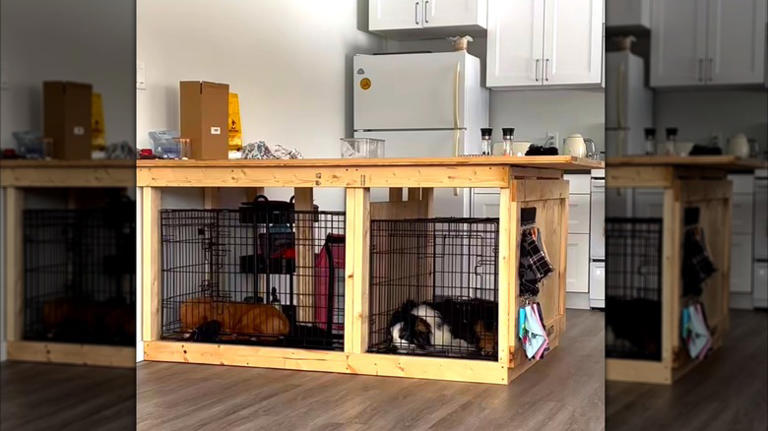
Built-in storage under the kennel can maximize space, especially in smaller rooms. This keeps the area tidy and prevents clutter from piling up.
Ask yourself: what items do you reach for most during your dog’s daily care? Design storage that makes those items accessible without hassle.

Credit: www.731woodworks.com
Building Process
Building an indoor dog kennel yourself is a rewarding task. It gives your dog a cozy space inside your home. The process requires simple tools and materials. Careful planning ensures the kennel is safe and comfortable. Follow these steps to create a sturdy and functional indoor kennel.
Step-by-step Assembly
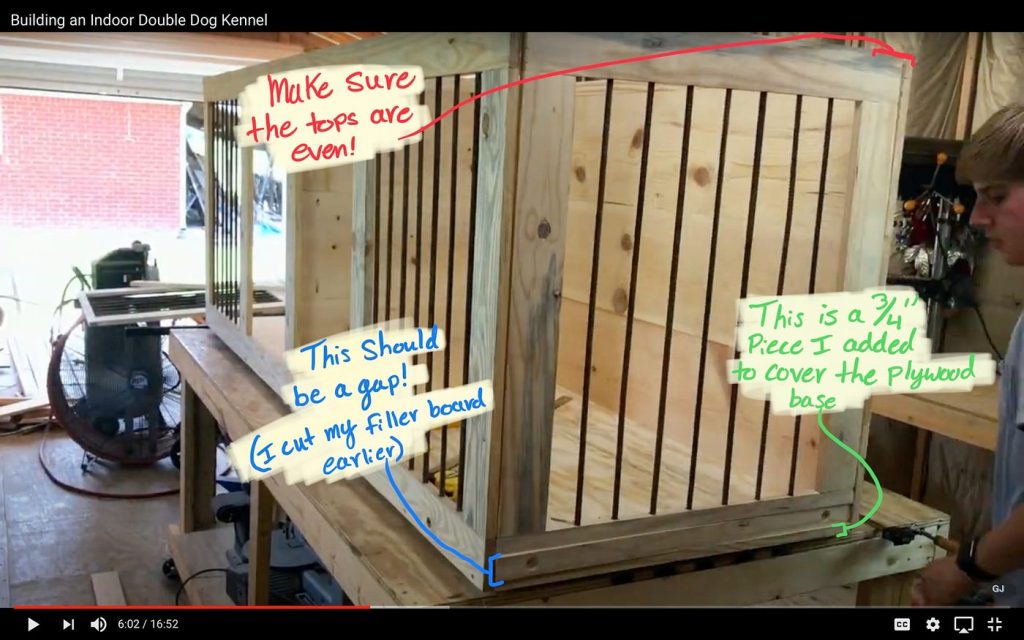
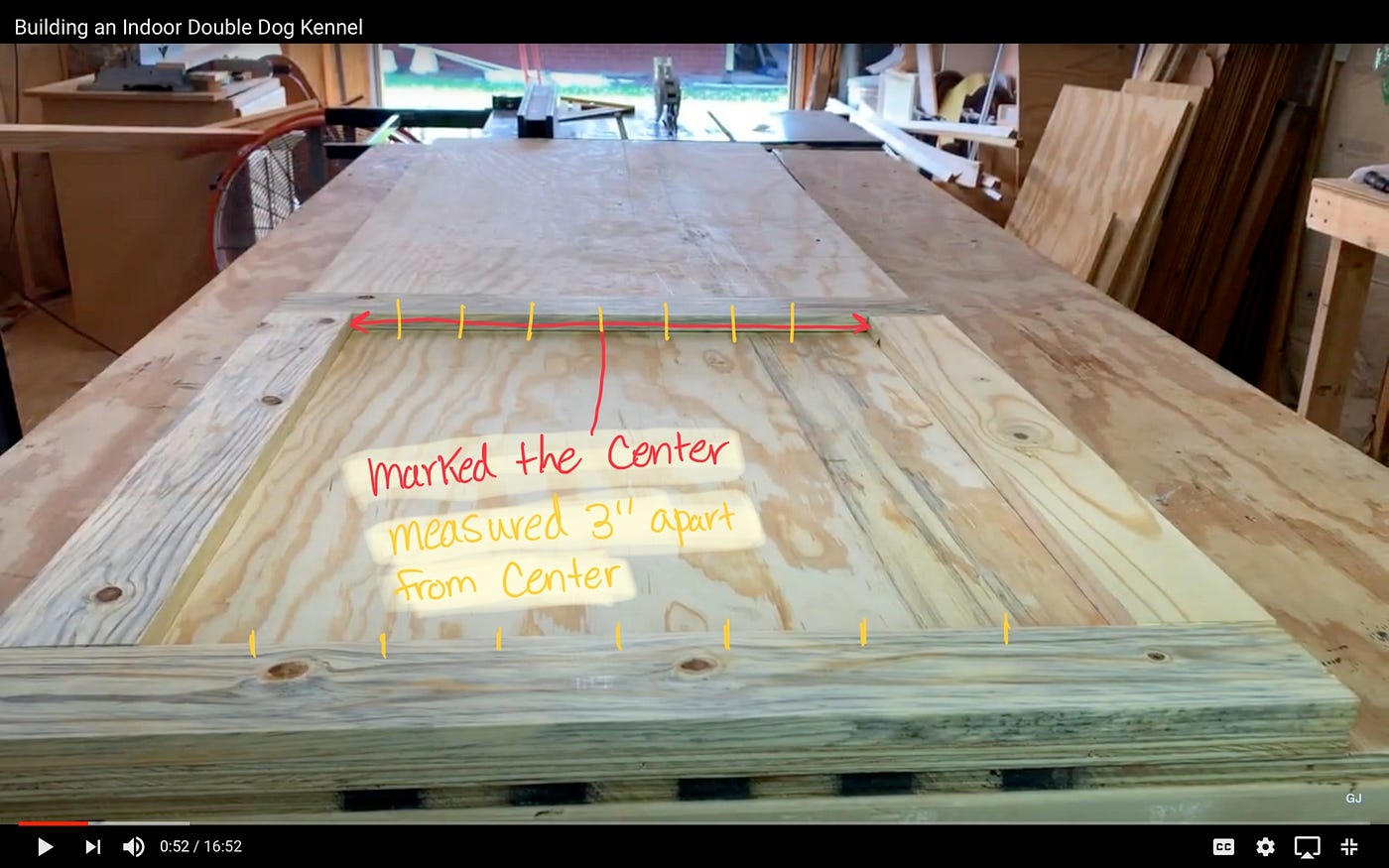
Start by measuring the space where the kennel will go. Cut wood panels or use pre-made crates as the base. Assemble the frame using screws or nails. Make sure all corners are square and secure. Attach walls firmly to avoid gaps or sharp edges. Add a door or gate that swings open easily. Keep the door size large enough for your dog to enter comfortably.
Securing The Structure
Check the kennel for stability by gently pushing it. Reinforce weak areas with extra screws or brackets. Use corner braces to strengthen joints. Attach the kennel to a wall or floor if needed. This prevents tipping or sliding. Ensure no nails or screws stick out. Sand down rough edges for safety. Proper securing protects your dog and your home.
Finishing Touches
Line the kennel floor with soft bedding or a mat. Add chew-proof toys for comfort and entertainment. Paint or stain wood with non-toxic, pet-safe products. Place the kennel in a quiet, warm spot. Keep the area clean and dry. Check the kennel regularly for wear and tear. Small details make the kennel a happy place for your dog.
Decorating And Personalizing
Decorating and personalizing your indoor dog kennel makes it a special space for your pet. A kennel that feels warm and inviting helps your dog relax and enjoy their time inside. Adding personal touches also shows your dog that this area is their own safe place.
Adding Cozy Elements
Soft bedding is a must for comfort. Choose a mattress or cushion that fits well inside the kennel. Include a blanket for extra warmth, especially in colder months. You can also add small pillows or stuffed toys for a cozy feel. These elements create a snug, inviting space your dog will love.
Choosing Colors And Patterns
Pick colors that match your home or your dog’s personality. Calm colors like blues and greens help create a peaceful environment. Bright colors add energy and fun. Patterns such as stripes or polka dots make the kennel visually interesting. Use washable fabrics for easy cleaning.
Including Toys And Accessories
Place your dog's favorite toys inside the kennel to keep them entertained. Chew toys, balls, and plush toys are great options. Consider adding a water bowl or treat dispenser nearby. Personal accessories like name tags or small signs can make the kennel feel unique. Keep the space tidy by using storage baskets for toys.
Maintenance And Cleaning
Maintaining and cleaning your indoor dog kennel keeps it safe and comfortable for your pet. Regular care prevents dirt and germs from building up. It also extends the kennel’s life and saves money on repairs. Simple routines make a big difference. Let’s explore easy ways to keep your dog’s space fresh and tidy.
Regular Cleaning Tips
- Remove bedding and wash it weekly in warm water.
- Wipe down hard surfaces with pet-safe cleaners daily.
- Vacuum or sweep the kennel floor to remove hair and dirt.
- Clean food and water bowls every day to avoid bacteria.
- Air out the kennel by opening windows or doors nearby.
Preventing Odors
- Use baking soda on bedding or kennel floor to absorb smells.
- Keep the kennel dry to prevent mold and mildew growth.
- Change bedding regularly and replace worn materials.
- Ensure good ventilation to let fresh air circulate.
- Use natural odor neutralizers like activated charcoal or cedar chips.
Repairing Wear And Tear
- Inspect the kennel weekly for loose screws or broken parts.
- Tighten bolts and hinges to keep the structure stable.
- Patch or replace torn bedding to avoid discomfort.
- Fix scratches or chips on wood or plastic surfaces.
- Replace damaged flooring to maintain a safe area.
Benefits Of Diy Kennels
Building your own indoor dog kennel offers several advantages that go beyond just providing a safe space for your pet. It’s a rewarding project that saves money, lets you tailor the design to your exact needs, and even strengthens your bond with your dog. Here’s a closer look at what you gain by choosing a DIY kennel.
Cost Savings
One of the biggest perks of a DIY indoor dog kennel is the money you keep in your pocket. Store-bought kennels often come with a hefty price tag, especially if you want something durable and stylish. By making your own, you can select affordable materials and avoid unnecessary features that inflate costs.
Think about how much you spend on convenience versus what you truly need. Could you use reclaimed wood or leftover fabric from other projects? These choices can drastically cut expenses without sacrificing quality.
Customization
When you build your own kennel, you control every detail. You decide the size, shape, and even the color to fit your living space perfectly. This means the kennel can blend in with your home décor rather than standing out awkwardly.
Customization also lets you add features tailored to your dog’s habits. Need extra ventilation? Want a cozy nook with soft bedding? You can design these elements easily when you’re the creator. How often do you get to make something exactly as you want it?
Bonding Experience
Working on a project for your dog creates a unique connection. As you build, you think about your pet’s comfort and needs, which deepens your understanding of them. This hands-on effort shows your dog that you care in a very tangible way.
Many pet owners find that the time spent crafting the kennel becomes a shared experience. Your dog may watch you build, sniff new materials, and get excited about their new space. This involvement can make the kennel feel like a true home for them.
Frequently Asked Questions
What Materials Are Best For A Diy Indoor Dog Kennel?
Use durable materials like plywood, PVC pipes, or wire mesh. These provide strength and safety. Ensure materials are non-toxic and easy to clean.
How Big Should An Indoor Dog Kennel Be?
Size depends on your dog’s breed and comfort. The kennel must allow your dog to stand, turn, and lie down comfortably.
Can I Build A Portable Indoor Dog Kennel?
Yes, lightweight materials and foldable designs make kennels portable. This helps in easy relocation and storage.
How To Ensure Proper Ventilation In Indoor Kennels?
Include mesh panels or ventilation holes. Proper airflow prevents odors and keeps your dog comfortable.
Conclusion
Building your own indoor dog kennel saves money and fits your space. It gives your dog a cozy, safe place to rest. You control the size, materials, and design easily. Plus, it can be a fun project to do at home.
Your dog will enjoy having a special spot to relax. Start small and adjust as needed. A simple kennel helps keep your home tidy too. Enjoy the comfort and joy it brings to both you and your pet.

Emily Barker is the founder of ChillDogLife.com, a space dedicated to helping pup parents discover the best dog products, lifestyle tips, and cozy ideas for happier homes.
A lifelong dog lover, Emily combines her passion for pets with a knack for research to share trusted recommendations on everything from toys and furniture to health and everyday care.
Her goal is simple: to make life easier, stylish, and more joyful for dogs and the people who love them.




