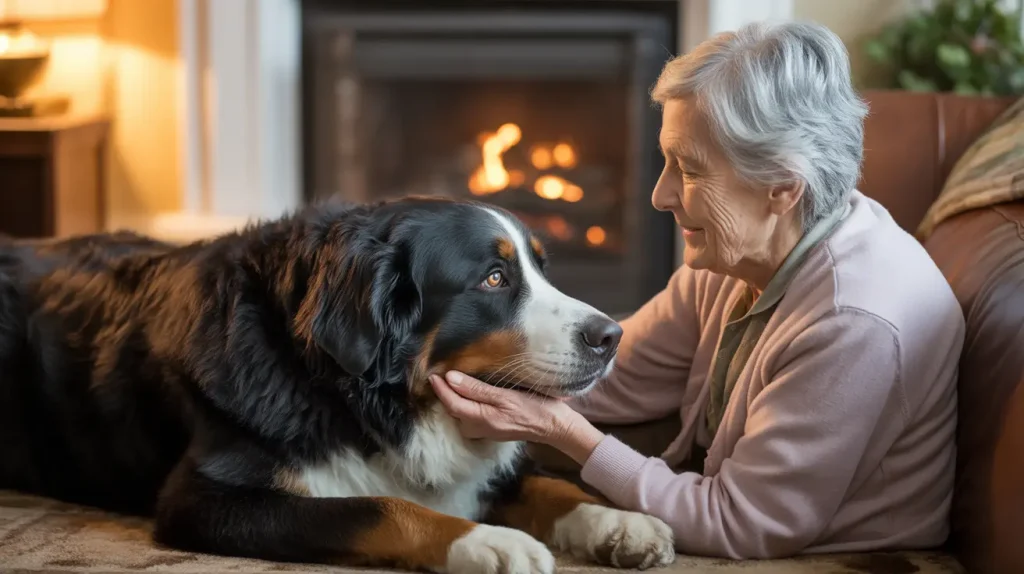
When your dog starts showing changes in behavior, it can be confusing and heartbreaking. You want to understand what your furry friend is going through and how to help them feel comfortable.
Knowing the signs of end-of-life behavior in dogs isn’t just important—it can make a big difference in the quality of your dog’s final days. You’ll learn what to watch for, how to interpret these behaviors, and what steps you can take to support your loyal companion.
Keep reading to find out how to be there for your dog when they need you most.

Credit: pethelpful.com
Recognizing Behavioral Changes
As dogs near the end of their life, they show changes in behavior. These changes help owners understand their dog's needs.
Watching closely can make it easier to provide comfort and care during this time.
Physical Signs To Watch
Physical signs show how a dog’s body is changing. These signs often appear before emotional changes.
Look for these common physical signs that your dog may be nearing the end of life.
- Weakness or difficulty standing
- Slow or labored breathing
- Loss of bladder or bowel control
- Unusual stiffness or pain
- Changes in eye appearance or cloudiness
Emotional Shifts In Dogs
Dogs may show sadness or confusion near the end of life. They might seek more comfort or become withdrawn.
Some dogs may act anxious or restless. Others may seem tired and less interested in surroundings.
- Increased clinginess or need for attention
- Withdrawal from family or favorite activities
- Signs of anxiety or restlessness
- Less response to sounds or touch
Changes In Appetite And Sleep
End of life often brings changes in how much a dog eats and sleeps. Appetite may drop or change.
Sleep patterns also shift. Dogs may sleep more or have trouble settling down.
- Eating less or refusing food
- Drinking less water than usual
- Sleeping longer hours
- Frequent waking or restlessness at night
Common End Of Life Behaviors
As dogs approach the end of their lives, their behavior may change. Understanding these changes can help pet owners support their furry friends during this time.
Recognizing common end-of-life behaviors can make the process less stressful. It also allows owners to provide comfort and care.
Seeking Comfort And Solitude
Dogs nearing the end of their lives often seek comfort. They might want to be close to their owners or favorite toys.
Some dogs prefer solitude. They may find quiet spots in the house to rest.
- Cuddling with owners
- Sleeping in favorite spots
- Avoiding loud noises
Restlessness And Anxiety
Restlessness is common as dogs age. They may pace or seem unable to settle down.
Anxiety might increase, causing dogs to whine or bark more. This is a normal part of aging.
- Pacing around the house
- Increased vocalizations
- Difficulty relaxing
Decreased Mobility
Older dogs often face mobility issues. They may have trouble climbing stairs or jumping onto furniture.
This decline in mobility can lead to accidents in the house. Regular vet visits can help manage these issues.
- Struggling with stairs
- Difficulty standing up
- Frequent slips or falls
Communicating With Your Dog
When a dog reaches the end of life, communication becomes very important. You need to understand what your dog is feeling and needing.
Talking and watching your dog closely helps keep your bond strong during this time.
Reading Body Language
Dogs show feelings through their bodies. Look at their eyes, ears, and tail to see how they feel. Changes in posture can tell you if they are comfortable or in pain.
Recognizing these signs helps you respond with care and respect.
- Slow tail wagging can mean calmness or tiredness
- Whining or whimpering shows discomfort or fear
- Flattened ears may mean anxiety or sadness
- Closed eyes can show they want to rest
Responding To Needs
Your dog may need extra help with eating, drinking, or moving. Watch closely for signs of pain or confusion. Give your dog gentle touches and speak softly to comfort them.
Make changes to their space to keep them safe and warm. Offer food and water often, but don’t force them to eat.
- Provide soft bedding for comfort
- Keep their water bowl close
- Help them with gentle grooming
- Offer favorite foods in small amounts
Maintaining Bond And Trust
Stay close to your dog and keep your voice calm and kind. Touch them gently to show love. Your presence helps your dog feel safe and loved.
Even if your dog seems tired, spending quiet time together keeps your bond strong.
- Hold their paw or stroke their fur softly
- Speak in a gentle, soothing tone
- Spend quiet moments sitting nearby
- Be patient and give your dog space when needed
Providing Comfort And Care
When a dog reaches the end of life, comfort and care are very important. Owners can help their pets feel safe and loved during this time.
Understanding your dog’s needs helps you offer the best support. Small changes can make a big difference in their quality of life.
Creating A Peaceful Environment
Make a calm space where your dog can rest quietly. Keep noise low and avoid sudden movements. Soft bedding and a warm place help your dog relax.
- Choose a quiet room away from busy areas
- Use soft blankets or cushions for comfort
- Keep the lighting gentle, not too bright
- Limit visitors to reduce stress
- Maintain a steady temperature, not too hot or cold
Managing Pain And Discomfort
Watch for signs of pain like whimpering or restlessness. Speak with your vet about medicines that ease pain. Proper pain control helps your dog enjoy peaceful moments.
| Symptom | Possible Cause | Care Tip |
| Whining or crying | Pain or anxiety | Use vet-approved pain relief |
| Restlessness | Discomfort or needing bathroom | Offer gentle walks and comfort |
| Loss of appetite | Illness or medication side effect | Try soft, tasty foods |
| Limping or stiffness | Joint pain | Provide soft bedding and limit jumping |
Emotional Support For Your Dog
Your dog needs love and gentle attention. Spend quiet time together and offer soft pets and calm words. Keep their favorite toys nearby for comfort.
- Speak in a soothing, soft voice
- Hold or touch your dog if they want
- Stay close to reduce anxiety
- Keep routines simple and consistent
- Watch for signs your dog wants space
Supporting Yourself During This Time
Facing the end of life for your dog is very hard. It is important to take care of yourself while you care for your pet.
Support and understanding can help you through this emotional time. You are not alone in feeling sadness and worry.
Coping With Anticipatory Grief
Anticipatory grief is the sadness felt before losing your dog. It is normal to feel upset or scared.
- Allow yourself to feel your emotions without guilt.
- Write down your thoughts in a journal.
- Spend quiet time with your dog doing things you both enjoy.
- Take breaks when you feel overwhelmed.
- Practice deep breathing or meditation to calm your mind.
Seeking Support Networks
Talking to others can ease the burden. Support groups and friends can listen and understand your feelings.
| Support Type | How It Helps |
| Family and Friends | Offer comfort and company |
| Pet Loss Support Groups | Connect with people who share your experience |
| Online Forums | Share stories and advice anytime |
| Professional Counselors | Provide expert guidance and coping strategies |
Honoring Your Dog’s Life
Celebrating your dog’s life can bring peace. It shows how much you value your time together.
- Create a photo album or scrapbook.
- Plant a tree or flower in your dog’s memory.
- Write a letter to your dog to express your feelings.
- Share stories about your dog with friends or family.
- Hold a small ceremony or gathering if you wish.

Credit: www.carecredit.com
Credit: decodingdog.medium.com
Frequently Asked Questions
What Are Common End-of-life Behaviors In Dogs?
Dogs nearing end of life often show reduced appetite, lethargy, and withdrawal. They may seek more comfort and rest. Changes in breathing and confusion are also common. Recognizing these signs helps owners provide better care and emotional support.
How Can I Comfort My Dog At End Of Life?
Comfort your dog with gentle petting, a quiet space, and familiar scents. Keep their environment calm and maintain a routine. Offer favorite foods if possible. Being present and patient helps ease their anxiety and pain during this time.
When Should I Consult A Vet About End-of-life Signs?
Consult a vet if your dog shows persistent pain, difficulty breathing, or confusion. Sudden behavioral changes or loss of mobility also warrant professional advice. Early veterinary support ensures proper pain management and decision-making guidance.
Why Do Dogs Become Withdrawn Near End Of Life?
Dogs often withdraw to conserve energy and cope with discomfort. Withdrawal can also signal confusion or fear. This behavior is a natural response to their declining health and need for rest and peace.
Conclusion
Caring for a dog near the end of life takes patience and love. Watch for changes in behavior and comfort them gently. Small actions can make a big difference in their final days. Remember, your dog feels your care and support deeply.
Cherish every moment and create peaceful memories together. This time is hard but full of meaning. Stay calm, kind, and present with your loyal friend.

Emily Barker is the founder of ChillDogLife.com, a space dedicated to helping pup parents discover the best dog products, lifestyle tips, and cozy ideas for happier homes.
A lifelong dog lover, Emily combines her passion for pets with a knack for research to share trusted recommendations on everything from toys and furniture to health and everyday care.
Her goal is simple: to make life easier, stylish, and more joyful for dogs and the people who love them.




