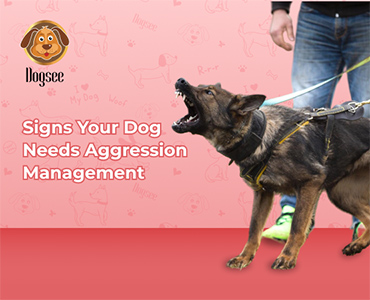
Have you ever noticed your dog avoiding other dogs or acting withdrawn around people? Antisocial behavior in dogs can be confusing and worrying for any pet owner.
You might wonder why your furry friend seems distant or even aggressive at times. Understanding what causes these behaviors and how you can help your dog feel more comfortable is key to improving your bond. Keep reading to discover practical tips and insights that will make a real difference in your dog’s social life—and yours.
Causes Of Antisocial Behavior
Antisocial behavior in dogs can be a serious problem. It affects how dogs interact with people and other animals.
Understanding the causes helps owners manage and prevent these behaviors. Many factors play a role in shaping a dog’s social nature.
Genetic Factors
Some dogs inherit traits that make them more prone to antisocial behavior. Breeds may differ in their natural friendliness or wariness.
Genes influence temperament, fear, and aggression. These traits can make a dog less social if not managed well.
Early Life Experiences
The first weeks after birth are very important. Puppies learn how to behave by watching their mother and siblings.
Puppies that miss good experiences may grow up fearful or shy. Early social skills form during this time.
Lack Of Socialization
Dogs need to meet many people, animals, and environments. Without this, they may not know how to act well.
- Limited contact with strangers
- No exposure to other dogs
- Rare visits to new places
- Little handling by humans
These limits can cause fear or aggression in unknown situations.
Trauma And Abuse
Dogs that face abuse or harsh treatment may develop antisocial habits. Fear and mistrust grow after bad experiences.
| Type of Trauma | Possible Effects |
|---|---|
| Physical abuse | Fear of humans, aggression |
| Neglect | Social withdrawal, anxiety |
| Loud noises or accidents | Startle responses, avoidance |
Health Issues
Some illnesses or pain can make dogs irritable or avoid others. Health problems may cause changes in behavior.
Checking a dog’s health is important when antisocial behavior appears suddenly.
Common Signs
Dogs can show antisocial behavior in different ways. Understanding these signs helps in managing them better.
Recognizing these behaviors early can make a big difference in your dog’s social skills.
Aggression Toward People
Some dogs may growl or snap at people. This is a sign of aggression. They might do this if they feel threatened or scared.
It’s important to address this behavior with training and patience. A professional trainer might be needed.
Fear And Avoidance
Fearful dogs may hide or run away from people or other animals. They might also tremble or whimper.
This behavior can be due to past trauma or lack of socialization. Gentle exposure to new things can help.
Excessive Barking Or Growling
Dogs may bark or growl a lot when they feel anxious. This can happen when they meet new people or hear loud noises.
Teaching your dog to be calm in these situations is key. Consistency is important in training.
Destructive Actions
Chewing furniture or digging holes are signs of destructive behavior. This often happens when dogs are bored or stressed.
Providing toys and regular exercise can reduce this behavior. Keep them engaged with fun activities.
Body Language Indicators
Dogs communicate a lot through their body language. Watch for signs like flattened ears or a tucked tail.
Understanding these signals can help you respond appropriately. This builds trust between you and your dog.
- Flattened ears indicate fear
- Tucked tail shows insecurity
- Baring teeth can mean aggression
Behavioral Solutions
Antisocial behavior in dogs can cause stress for both pets and owners. Understanding ways to improve your dog’s social skills helps create a peaceful home.
Training and patience are key. Using gentle methods helps dogs learn positive habits that last.
Positive Reinforcement Training
Reward good behavior with treats, praise, or playtime. This encourages dogs to repeat actions you want to see. Avoid harsh tones or punishments.
Gradual Social Exposure
Introduce your dog to new people and animals slowly. Short, calm meetings help your dog feel safe. Increase exposure time as your dog grows more comfortable.
- Start with quiet settings
- Use calm voices and gentle gestures
- Keep initial meetings short
- Give your dog space to move away
- Reward calm behavior during exposure
Consistency And Routine
Dogs feel secure with a steady daily plan. Feeding, walks, and playtime should happen at the same times each day. Consistency reduces anxiety and unwanted actions.
| Time of Day | Activity |
| 7:00 AM | Morning walk |
| 12:00 PM | Lunch and rest |
| 5:00 PM | Training and play |
| 9:00 PM | Quiet time and bedtime |
Professional Behavior Therapy
Consult a certified trainer or behaviorist for serious issues. They can create a plan tailored to your dog’s needs. Expert help speeds progress and avoids setbacks.
Avoiding Punishment
Punishing a dog can increase fear and aggression. Use calm corrections like redirecting attention or removing rewards. Positive methods build trust and lasting change.
Tips to avoid punishment:
- Ignore minor bad behavior
- Redirect focus to a toy or command
- Use gentle voice cues
- Reward good choices quickly
- Stay calm and patient

Credit: www.youtube.com
Environmental Adjustments
Dogs with antisocial behavior need a calm and safe environment. Adjusting their surroundings helps reduce fear and aggression. It also supports better behavior over time.
Simple changes in a dog’s space and routine can make a big difference. These changes create comfort and reduce triggers that cause stress.
Safe And Comfortable Spaces
Provide a quiet, cozy area for your dog to relax. Use soft bedding and keep the space free from loud noises. This helps your dog feel secure.
- Choose a low-traffic room for the resting area
- Place the bed away from doors and windows
- Use calming scents like lavender nearby
- Keep the area clean and free from clutter
Enrichment Activities
Enrichment activities keep your dog mentally active. They reduce boredom and help lower antisocial behaviors. Activities should be safe and fun.
- Use puzzle toys to challenge your dog
- Offer chew toys to relieve stress
- Teach new simple commands regularly
- Rotate toys to keep interest high
Regular Exercise
Exercise helps dogs release energy and feel calmer. Regular walks and playtime improve mood and reduce anxiety. Tailor exercise to your dog’s needs.
| Type of Exercise | Benefits |
| Leashed Walks | Improves social skills and burns energy |
| Fetch Games | Encourages focus and physical activity |
| Swimming | Low-impact exercise for all ages |
| Training Sessions | Builds confidence and obedience |
Reducing Stress Triggers
Identify what causes stress in your dog. Removing or reducing these triggers helps calm your dog. Use a calm voice and slow movements around them.
Common triggers include:
- Loud noises like fireworks or vacuum cleaners
- Strange people or animals nearby
- Sudden changes in routine or environment
- Strong smells or bright lights
Try to limit your dog’s exposure to these triggers. Create a predictable daily schedule for your dog.
When To Seek Professional Help
Antisocial behavior in dogs can be worrying for pet owners. Some behaviors may need professional help to keep everyone safe.
Recognizing when to get help is important. This guide covers key signs and the best steps to take.
Signs Of Severe Aggression
Severe aggression can include biting, growling, or lunging without warning. These actions can harm people or other animals.
Watch for sudden attacks or repeated aggressive behavior. This is a clear sign to seek expert advice quickly.
- Frequent biting or snapping
- Unprovoked growling or lunging
- Stiff body and intense staring
- Protecting food, toys, or space aggressively
Persistent Behavioral Issues
Some dogs show ongoing antisocial behaviors like fear, avoidance, or destructive habits. These do not improve over time.
If your dog’s behavior does not get better with basic training, it is time to get help from a professional.
- Fear of people or other dogs
- Excessive barking or whining
- Destruction of household items
- Refusing to follow commands
Veterinary Consultation
Health problems can cause changes in behavior. A vet checkup can find pain or illness that makes a dog act out.
Always rule out medical causes before starting behavior training. A vet may suggest treatments or medications.
- Sudden aggression or irritability
- Changes in eating or sleeping habits
- Signs of pain or discomfort
- Unexplained changes in behavior
Choosing A Qualified Trainer
Select a trainer with experience in antisocial or aggressive dogs. Look for certified professionals who use positive methods.
A good trainer will assess your dog and create a safe plan. Avoid trainers who use harsh punishments or quick fixes.
- Check certifications and experience
- Ask about training methods used
- Read reviews from other dog owners
- Ensure the trainer focuses on safety

Credit: www.youtube.com

Credit: www.dwdogtraining.com
Frequently Asked Questions
What Causes Antisocial Behavior In Dogs?
Antisocial behavior in dogs can stem from genetics, lack of socialization, trauma, or fear. Early experiences shape their social skills. Identifying the cause helps in effective behavior correction and training.
How Can I Recognize Antisocial Behavior In My Dog?
Signs include aggression, fearfulness, avoidance, and refusal to interact with other dogs or people. Observing these behaviors early allows timely intervention and improved social skills.
Can Antisocial Behavior In Dogs Be Corrected?
Yes, with consistent training, socialization, and positive reinforcement, many dogs improve. Professional help may be needed for severe cases. Patience and understanding are key to success.
Why Is Early Socialization Important For Dogs?
Early socialization helps dogs learn positive interactions with others. It reduces fear, aggression, and antisocial tendencies. Puppies exposed to varied experiences develop confidence and better behavior as adults.
Conclusion
Antisocial behavior in dogs can cause stress for both pets and owners. Understanding the reasons helps in managing these behaviors. Training and patience play key roles in improving your dog’s social skills. Small, consistent steps can build trust and confidence.
Every dog is different; some need more time to adjust. With care and attention, most dogs learn to feel safe around others. Remember, your calm presence makes a big difference. Helping your dog become friendlier leads to a happier home for everyone.
Keep trying, and progress will come.

Emily Barker is the founder of ChillDogLife.com, a space dedicated to helping pup parents discover the best dog products, lifestyle tips, and cozy ideas for happier homes.
A lifelong dog lover, Emily combines her passion for pets with a knack for research to share trusted recommendations on everything from toys and furniture to health and everyday care.
Her goal is simple: to make life easier, stylish, and more joyful for dogs and the people who love them.




