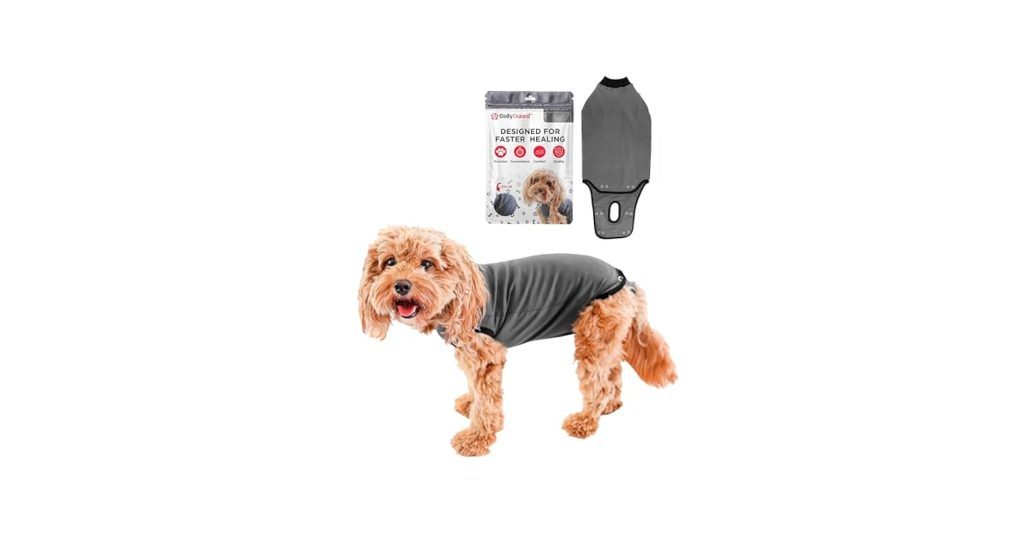
If your dog has just been spayed, you’re probably wondering how to help her feel comfortable and safe. One question many pet owners ask is, “Can I carry my dog after being spayed?” You want to protect her, but you also don’t want to cause any harm or slow down her healing.
Understanding the right way to support your furry friend during this time is key to a smooth recovery. Keep reading, and you’ll discover what you should do — and what you should avoid — to make sure your dog stays happy and healthy after her surgery.
Post-spay Recovery Basics
Understanding the basics of your dog’s recovery after being spayed is essential to help her heal safely and comfortably. The days following surgery are critical, and your care can make a big difference in how quickly she bounces back. Knowing what to expect and recognizing normal healing signs will guide you in providing the best support during this sensitive time.
What To Expect After Surgery
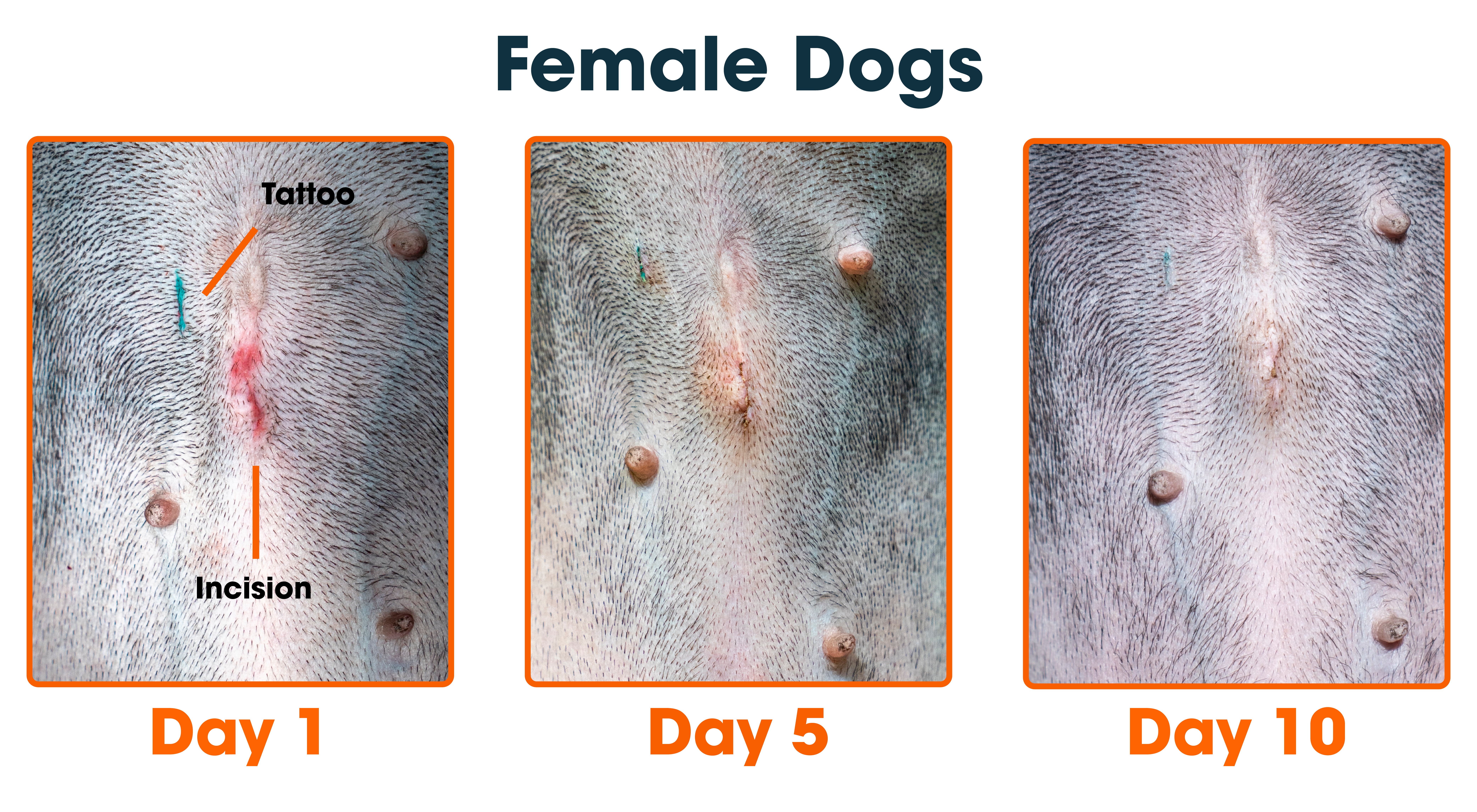
Your dog may seem tired and a bit confused right after the surgery due to the anesthesia. This is completely normal and usually lasts for a few hours to a day. You might notice some swelling or redness around the incision site, but it shouldn’t be excessive.
She may also be less active and reluctant to eat initially. Keep her in a quiet, comfortable space where she can rest without interruptions. You should limit her movements to prevent strain on the incision—this means no jumping, running, or rough play.
Many pet owners find it helpful to use an Elizabethan collar (cone) to stop their dog from licking or biting the wound. Have you prepared a cozy, quiet corner for your dog to recover? This small step can really reduce her stress and speed healing.
Signs Of Normal Healing
Some common signs of normal healing include mild swelling, slight bruising, and a scab forming over the incision. The area should not have any strong odor or discharge. Your dog’s temperature might be a bit elevated, but it shouldn’t reach a fever.
Observe her appetite and energy levels—they should gradually improve each day. She may lick the area occasionally, but frequent or aggressive licking can signal discomfort or infection. If you notice redness spreading or the incision opening, contact your vet immediately.
Remember, recovery is a process. Your dog needs your patience and careful attention to get back to her lively self. How closely you watch for these signs can determine how smooth her healing journey will be.
Credit: www.aspca.org
Carrying Your Dog Safely
Carrying your dog safely after spaying is crucial for her recovery. She will need extra care and support to avoid any strain or injury. Understanding the right times and methods to carry her ensures a smooth healing process.
When To Carry Your Dog
Only carry your dog when necessary during the first few weeks. She might need help navigating stairs or getting into the car. If she seems too active or tries to jump, carrying can prevent injuries. Pay attention to her energy levels and any signs of discomfort.
Proper Techniques For Carrying
Support her entire body by placing one arm under her chest. Use the other arm under her hindquarters. Keep her body level to avoid putting pressure on the incision. Hold her close to your body for added security.
Avoid lifting her by the front legs or under the belly. This can cause pain and stress on the incision site. If she’s small enough, a pet sling can offer comfort and support. Always move slowly and talk to her softly to keep her calm.
Comfort And Support
Providing comfort and support to your dog after being spayed is crucial for a smooth recovery. Carrying your dog properly can ease her stress and prevent any strain on the surgery site. Ensuring she feels safe and supported helps both her physical healing and emotional well-being.
Using Supportive Accessories
Supportive accessories can make a big difference when carrying your dog after surgery. Consider using a soft, padded sling or a pet carrier designed to keep her body stable and reduce movement. These tools help you avoid putting pressure on her belly, which can be painful or harmful.
Look for carriers with adjustable straps that let you keep your dog close to your body while distributing her weight evenly. This way, you protect her incision site and maintain your own comfort. Have you tried using a harness that supports the chest without squeezing the abdomen? It’s often more comfortable than a regular collar, especially post-surgery.
Creating A Cozy Rest Area
After carrying your dog, she will need a quiet and cozy spot to rest. Set up a soft bed with blankets in a low-traffic area of your home. This reduces the chance of her getting bumped or startled, which can cause unnecessary stress or injury.
Adding familiar scents, like an unwashed T-shirt you’ve worn, can help her feel secure. Keep water and any medication nearby so she doesn’t have to move much. Have you noticed how your dog seeks out quiet corners when she’s not feeling well? Mimicking that environment supports her natural healing instincts.
Activity Restrictions
After your dog is spayed, controlling her activity is very important. Activity restrictions help her heal well and avoid problems. Moving too much can cause pain or injury. Keeping your dog calm supports quick and safe recovery.
Limiting Movement Post-surgery
Your dog needs to rest a lot after surgery. Avoid running, jumping, or playing for at least two weeks. Use a leash when taking her outside to prevent sudden movements. Limit stairs and slippery floors to avoid falls. Carrying your dog gently can help reduce her activity but be careful not to hurt the surgery site.
When To Resume Normal Activity
Wait until your vet says it is safe to increase activity. Most dogs can slowly start normal walks after two weeks. Watch the surgery area for swelling or redness. Stop activity and call the vet if you see any problems. Gradually increase playtime and exercise over several weeks. Patience ensures your dog heals well and stays healthy.
Monitoring Healing Progress
Monitoring your dog’s healing progress after being spayed is crucial to ensure a smooth recovery. Paying close attention to how the incision site looks and behaves can help you spot any issues early. Knowing what to watch for can save you from unnecessary stress and keep your furry friend comfortable.
Checking The Incision Site
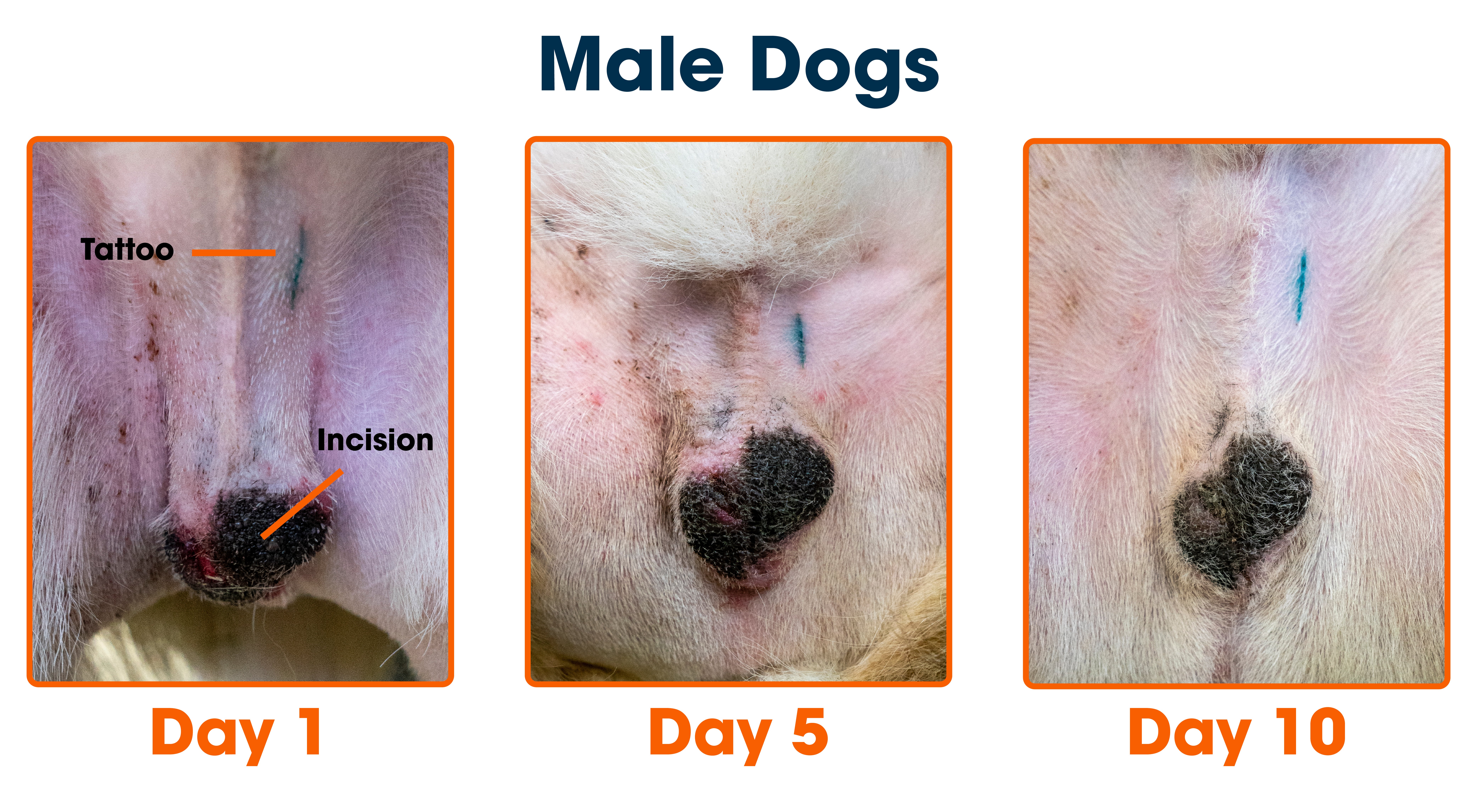
Look at the incision site at least twice a day. The area should be clean, dry, and slightly pink, but not swollen or oozing. You might notice some mild redness or a little crusting, which is normal, but anything more intense needs attention.
Gently touch around the incision to check for heat or tenderness. If your dog reacts sharply or seems in pain, it’s a sign to slow down and observe more carefully. Keeping your dog from licking or scratching the area is also important to avoid infection or reopening the wound.
Identifying Signs Of Complications
Watch for swelling that gets worse instead of better or a discharge that looks yellow, green, or bloody. These could be signs of infection. Also, if your dog has a fever, is unusually lethargic, or refuses to eat, these symptoms shouldn’t be ignored.
Have you noticed any strange smells coming from the incision site? That’s another red flag. If you see any of these signs, contact your vet immediately. Early action can prevent more serious problems and help your dog heal faster.
Credit: www.aspca.org
Pain Management Tips
Managing your dog’s pain after being spayed is crucial for a smooth recovery. You want to keep your furry friend comfortable without overdoing it. Understanding both medications and natural comfort measures can help you make the best decisions for your pet’s healing process.
Medications And Dosage
Your vet will likely prescribe pain medications to ease your dog’s discomfort. Always follow the exact dosage instructions—never guess or adjust the amount yourself. Overdosing can harm your dog, while underdosing may leave them in unnecessary pain.
If your dog shows signs of increased pain, such as whining or restlessness, contact your vet instead of increasing doses on your own. Some common pain relievers include NSAIDs specifically designed for dogs, which differ from human painkillers.
Keep a medication schedule and set reminders. This helps you avoid missed doses and keeps your dog’s pain under control consistently. Have you ever missed a dose and noticed your dog acting uncomfortable afterward?
Natural Comfort Measures
Besides medications, simple comfort measures can make a big difference. Create a quiet, cozy space with soft bedding where your dog can rest undisturbed. Limiting activity helps reduce pain and prevents injury.
Applying a warm compress gently around the surgery site (not directly on the incision) can soothe soreness. Always check with your vet before trying this to ensure it’s safe for your dog’s specific condition.
Regular gentle petting and calm reassurance also help your dog feel secure and less stressed. Have you noticed how your dog’s mood improves when you simply sit quietly with them during recovery?
Diet And Hydration
After your dog has been spayed, paying close attention to her diet and hydration is crucial for a smooth recovery. Proper nutrition supports healing, while adequate water intake helps prevent complications like dehydration and urinary issues.
Feeding Recommendations Post-spay
Your dog’s appetite may change after surgery, so offering smaller, more frequent meals can be helpful. Stick to her regular high-quality food unless your vet advises otherwise, as sudden diet changes might upset her stomach.
Avoid feeding rich or fatty treats, which can slow digestion and cause discomfort. If your dog seems less hungry, try warming her food slightly to enhance aroma and encourage eating.
Have you noticed how your pet’s energy shifts after surgery? Adjusting portion sizes based on her activity level can prevent unwanted weight gain during recovery.
Ensuring Proper Hydration
Water is essential for healing, especially after anesthesia and surgery. Make sure fresh water is always available and encourage your dog to drink regularly.
If your dog is reluctant to drink, try adding a splash of low-sodium broth or offering ice cubes as a fun alternative. Watch for signs of dehydration, such as dry gums or lethargy, and consult your vet if you’re concerned.
Remember, hydration supports not just recovery but also helps your dog feel more comfortable and energized during this delicate time.
When To Contact A Vet
Knowing when to reach out to your vet after your dog has been spayed is crucial for her recovery. Some signs might seem minor but can indicate serious issues. It’s better to be cautious than to wait and risk complications.
Emergency Symptoms To Watch For
Keep a close eye on your dog’s behavior and physical condition in the days following surgery. If you notice any of these signs, contact your vet immediately:
- Excessive bleedingfrom the incision site that soaks through the bandage.
- Swelling or rednessaround the surgery area that worsens quickly.
- Foul odor or dischargecoming from the wound.
- Persistent vomiting or diarrhealasting more than 24 hours.
- Difficulty breathingor extreme lethargy.
- Signs of severe painsuch as constant whining or inability to move comfortably.
One time, my dog became unusually quiet and refused to eat two days post-surgery. A quick call to the vet revealed an infection that needed prompt treatment. Don’t hesitate to pick up the phone if something feels off.
Follow-up Appointment Guidelines
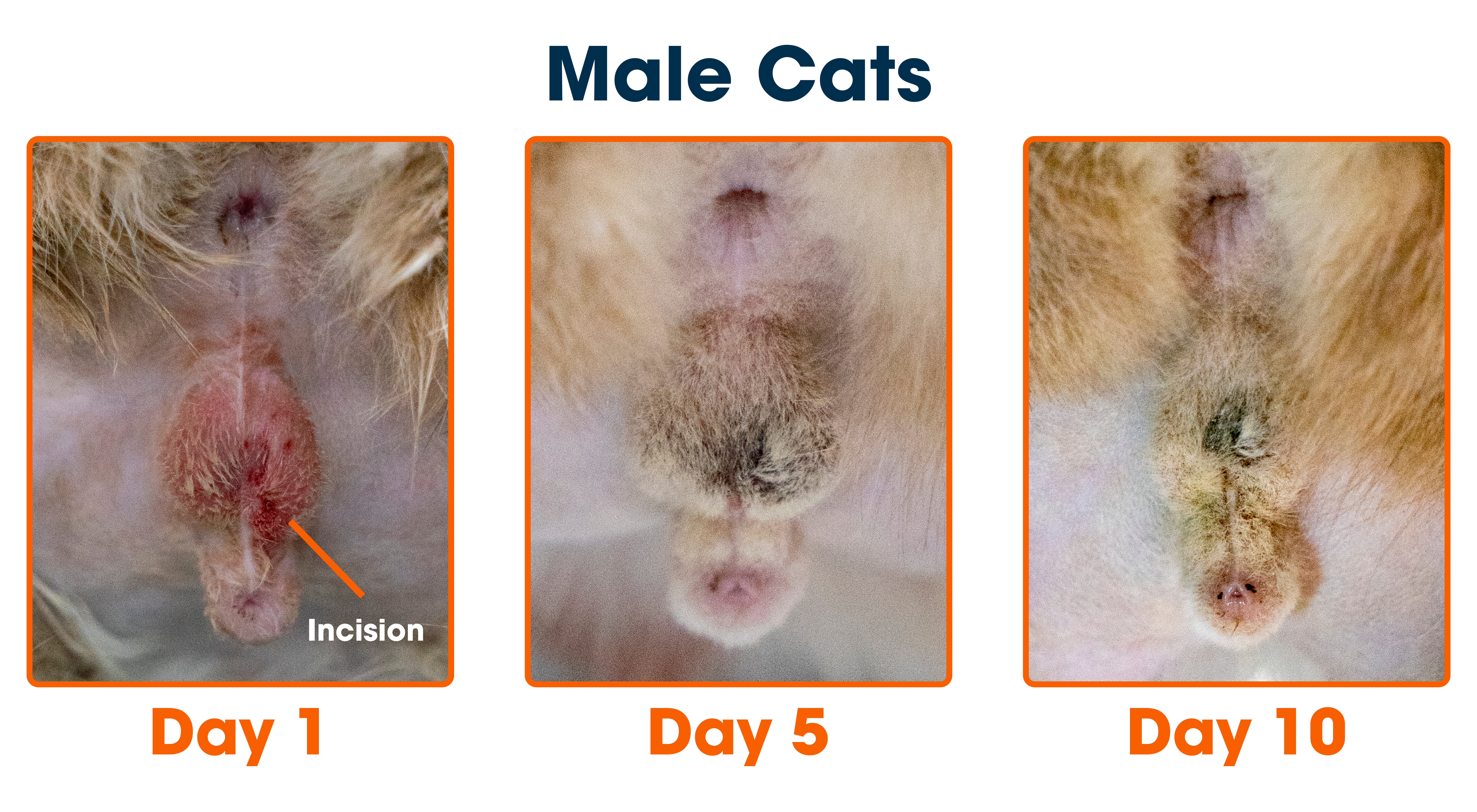
Your vet usually schedules a follow-up to check the healing process about 7 to 10 days after surgery. This visit is essential to ensure the incision is closing well and there are no signs of infection.
During the appointment, your vet will:
- Inspect the incision site for healing progress.
- Remove any stitches or staples if necessary.
- Discuss any behavioral changes or concerns you’ve noticed.
If your dog seems to be healing well, but you notice minor issues like slight redness or mild swelling, mention it during the visit. Sometimes vets can provide tips to improve healing without extra visits.
How closely are you monitoring your dog’s recovery? Staying observant and following your vet’s guidelines can make all the difference in a smooth healing process.
Credit: www.aspca.org
Frequently Asked Questions
Can I Carry My Dog Right After Spaying Surgery?
It’s best to avoid carrying your dog immediately after spaying. Let her rest and heal for at least 24-48 hours. Carrying too soon may cause discomfort or injury to the incision site. Always follow your vet’s post-op care instructions for safe handling.
How Long Should I Wait Before Carrying My Spayed Dog?
Wait at least one to two weeks before carrying your dog after spaying. This allows the incision to heal and reduces risk of complications. Always check with your vet to confirm when it’s safe based on your dog’s recovery progress.
Does Carrying A Spayed Dog Affect Her Healing?
Yes, carrying a spayed dog too soon can disrupt healing. It can cause stress, pain, and potentially open the incision. Gentle handling and minimal movement support faster recovery. Follow your vet’s advice on activity restrictions post-surgery.
What Are Safe Ways To Carry A Dog After Spaying?
When carrying a dog post-spaying, support her body evenly. Avoid pressure on the abdomen or incision area. Use both hands under the chest and hindquarters. Keep movements smooth and slow to prevent discomfort or injury during healing.
Conclusion
Carrying your dog after spaying needs care and gentleness. Keep your dog calm to help healing. Avoid heavy lifting or sudden moves. Watch for signs of pain or discomfort. Follow your vet’s advice for best care. Your dog’s comfort is the top priority.
With patience, your dog will recover well. Small steps help your pet feel safe. Love and care make a big difference now.

Emily Barker is the founder of ChillDogLife.com, a space dedicated to helping pup parents discover the best dog products, lifestyle tips, and cozy ideas for happier homes.
A lifelong dog lover, Emily combines her passion for pets with a knack for research to share trusted recommendations on everything from toys and furniture to health and everyday care.
Her goal is simple: to make life easier, stylish, and more joyful for dogs and the people who love them.




