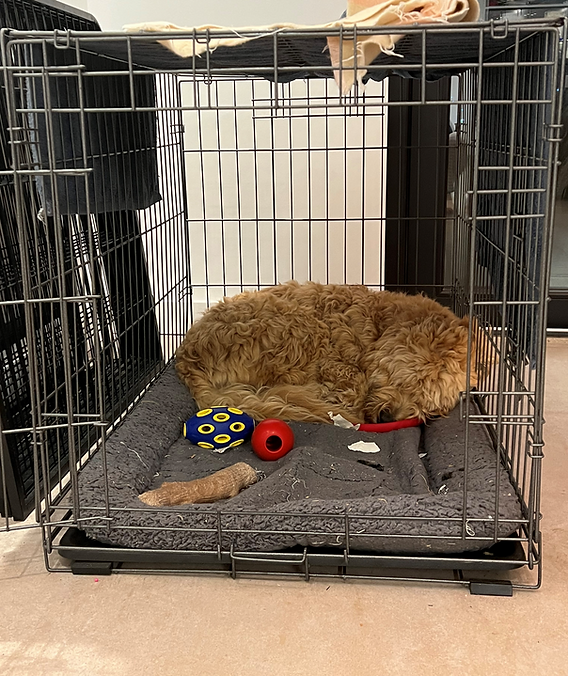
Choosing the right spot for your dog’s crate can make a big difference in how comfortable and happy your furry friend feels. You want a place that feels safe, cozy, and fits smoothly into your daily life.
But where exactly should you put the crate? The answer might surprise you. Keep reading, and you’ll discover simple tips that will transform your dog’s space—and your home too. By the end, you’ll know exactly where to place that crate to create a happy, calm environment for your pet and peace of mind for yourself.
Choosing The Perfect Location
Choosing the perfect location for your dog's crate is key to their comfort and safety. The spot should suit your dog’s daily habits and keep them calm and secure. A good location helps your dog feel at ease and encourages positive crate time.
Consider Your Dog’s Routine
Think about where your dog spends most of their day. Place the crate where they see family members often. This makes your dog feel included and less lonely. Avoid spots where your dog rarely goes. The crate should fit naturally into their daily flow.
Assess Noise Levels
Pick a quiet area away from loud sounds like TVs or busy streets. Noise can stress your dog and make crate time unpleasant. A calm spot helps your dog relax and rest peacefully. Avoid places with sudden or loud noises.
Evaluate Temperature And Ventilation
Choose a location with good airflow and a comfortable temperature. Avoid direct sunlight or drafty corners. Too hot or cold spots can cause discomfort or health issues. The crate area should stay cool in summer and warm in winter.
Find A Safe Spot
Make sure the crate is in a safe place where it won’t be bumped or knocked over. Keep it away from cords, sharp objects, or anything harmful. The area should be free of hazards to protect your dog. Safety helps your dog feel secure and cared for.
Credit: thefidotrail.com
Indoor Vs Outdoor Placement
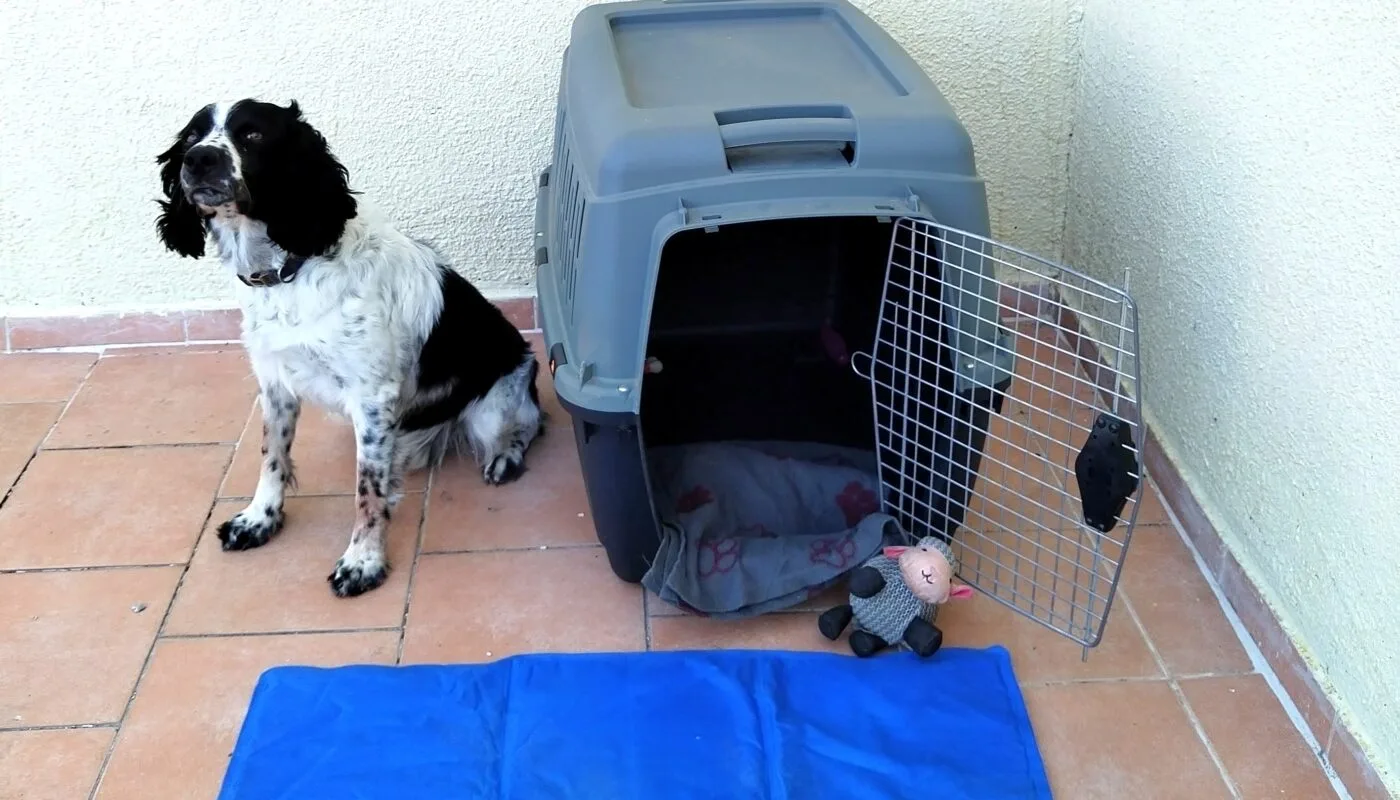
Choosing between indoor and outdoor placement affects your dog’s comfort and safety. Indoor crates offer protection from weather and create a cozy space. Outdoor crates require shade and shelter to keep your dog safe from heat and rain.
Deciding where to place your dog’s crate is crucial. The choice between indoor and outdoor placement impacts your pet’s comfort and safety. Indoor crates offer a cozy and controlled environment. Outdoor crates might appeal for different reasons. Let’s explore both options to find the best fit for your furry friend.Benefits Of Indoor Crates
Indoor crates provide a stable temperature. This is crucial for your dog’s health. Noise levels are lower indoors. This helps reduce stress for your pet. Indoors, dogs feel part of the family. They can see and hear their humans. Indoor crates are also safer from wild animals. They protect your dog from unexpected threats.When Outdoor Crates Make Sense
Outdoor crates suit certain situations. They offer more space for larger breeds. Fresh air and natural light are abundant outside. This can be beneficial for dogs. Outdoor crates are great for active dogs. They allow more freedom and playtime. They work well for dogs who love nature.Weather Protection Tips
Outdoor crates need weatherproofing. Use sturdy materials to withstand rain and wind. Place crates in shaded areas. This prevents overheating. Secure the crate to the ground. This avoids it being moved by strong winds. Consider a roof for extra protection. It keeps rain out and provides shade.Room-by-room Crate Ideas
Choosing the right spot for your dog’s crate helps create a calm, safe space. Each room offers unique benefits and challenges. Knowing where to place the crate can improve your dog’s comfort and your home’s flow.
Living Room Options
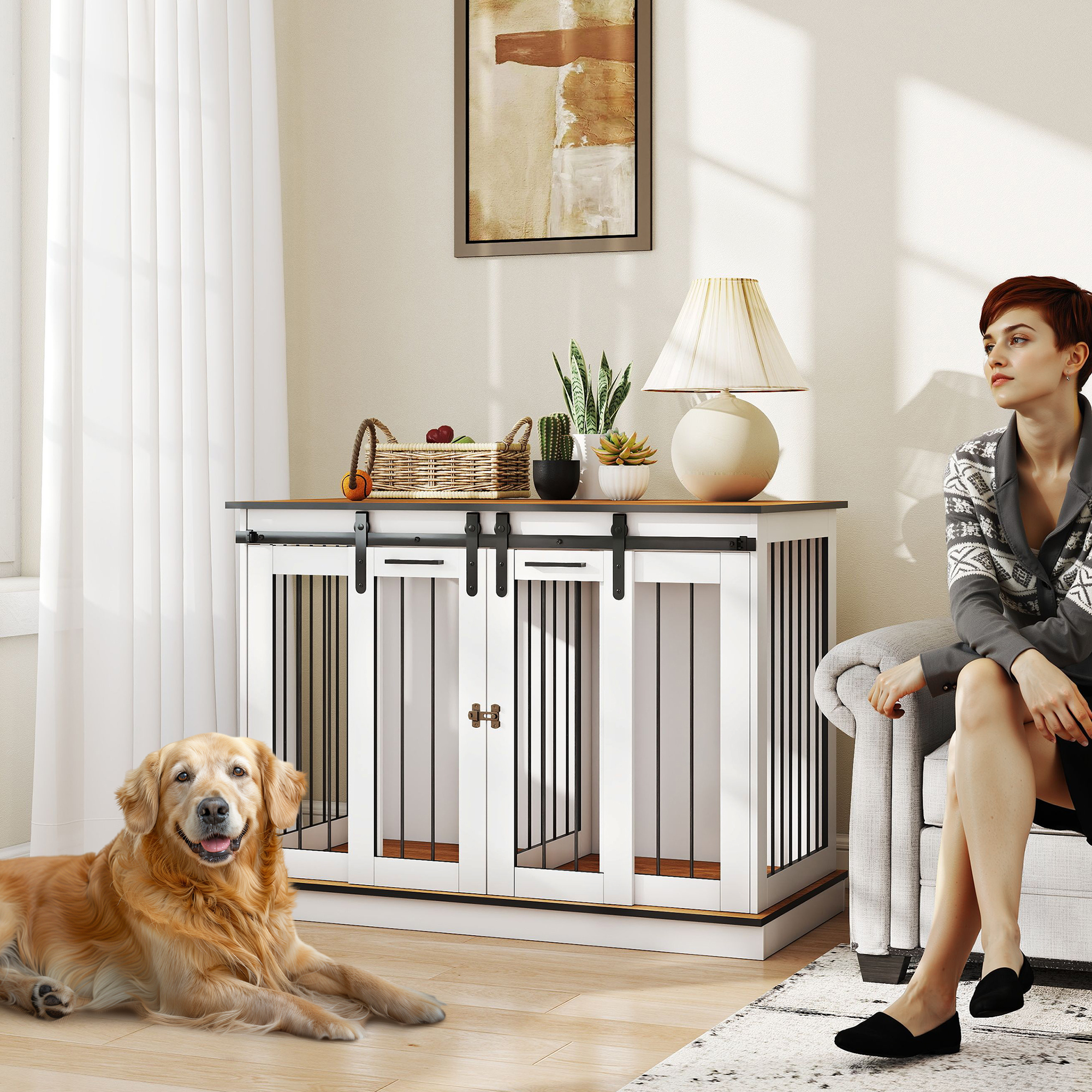
The living room often serves as a social hub. Placing the crate here keeps your dog close to family activities. Choose a quiet corner away from heavy foot traffic. Soft rugs or mats around the crate add comfort. Avoid placing it near loud electronics or direct sunlight.
Bedroom Considerations
Many dogs feel secure near their owners at night. The bedroom can be a cozy crate location. Keep the crate away from doorways and heaters. This spot helps your dog settle for sleep. It also supports bonding by providing nighttime companionship.
Kitchen And Dining Areas
The kitchen is a busy space with many smells and noises. Avoid placing the crate too close to cooking zones. Choose a calm corner to prevent stress from loud appliances. The dining area can work if it’s quiet during mealtime. Ensure the crate stays clean and away from food spills.
Home Office Setup
Working from home means your dog wants attention. A crate in the home office lets your dog stay near you. Position it where your dog won’t block your movement. Use soft bedding for comfort during work hours. This setup helps your dog relax while you focus.
Crate Positioning Tips
Choosing the right spot for your dog’s crate can make a big difference in how comfortable and secure your pet feels. Positioning the crate thoughtfully helps your dog relax and encourages positive crate habits. Here are some practical tips to help you find the perfect place in your home.
Avoid High Traffic Zones
Placing the crate in busy areas can stress your dog. Loud noises and constant movement may make it hard for your pet to settle down.
Look for a quiet corner or a less-traveled room. This reduces distractions and creates a calm space your dog can call their own.
Ensure Visibility And Comfort
Your dog should feel part of the family, not isolated. Position the crate where your pet can see you or other family members easily.
Natural light is a bonus. It keeps the crate cozy without making it too warm or cold.
Use Barriers And Covers
Sometimes, adding a cover over the crate can help your dog feel safer. It mimics a den-like environment, reducing anxiety.
If you need to block noise or distractions, consider placing a room divider or a screen nearby. This can help your dog focus on resting instead of what’s happening around them.
Creating A Cozy Crate Environment
Creating a cozy crate environment helps your dog feel safe and relaxed. The crate should be inviting and comfortable. A well-set crate encourages your dog to rest and enjoy their space.
Add Soft Bedding
Place soft bedding inside the crate. Choose materials that are gentle on your dog’s skin. Soft blankets or cushions work well. The bedding should fit the crate size to avoid slipping. This adds warmth and comfort for your dog.
Incorporate Favorite Toys
Include your dog’s favorite toys in the crate. Toys provide comfort and reduce boredom. Choose safe, chew-friendly toys to keep your dog happy. Rotate toys regularly to maintain interest. This makes the crate a fun and familiar space.
Maintain Cleanliness
Keep the crate clean and fresh. Remove dirt, hair, and odors often. Wash bedding and toys regularly. Cleanliness prevents discomfort and health issues. A clean crate shows your dog it is a pleasant place.
Credit: www.aosom.ca
Adjusting Crate Location Over Time
Finding the perfect spot for your dog’s crate is not a one-time decision. As your dog grows and your home changes, the crate’s location might need a shift to fit new routines and comfort levels. Paying attention to how your dog reacts and the environment around you will help keep the crate a safe, cozy space your pet enjoys.
Monitor Your Dog’s Behavior
Watch how your dog acts around the crate. If they seem hesitant or avoid the area, it might be too noisy or isolated. On the other hand, if your dog seems restless or distracted, the crate could be in a high-traffic spot that’s too busy.
Your dog’s comfort is a good clue. Try moving the crate to quieter corners or spots where your dog likes to rest. Has your dog started spending more time outside or showing signs of stress near the crate? That’s a clear sign to rethink its location.
Adapt To Seasonal Changes
Temperature and sunlight vary with the seasons, affecting where your dog feels most comfortable. In summer, placing the crate away from direct sunlight or near a fan can keep your dog cool. During winter, a warm, draft-free spot near a heater or sunny window might be best.
Seasonal changes can also affect your dog’s mood and energy. Are they seeking more warmth or shade? Adjusting the crate location with the seasons keeps your pet happy and safe without extra effort.
Respond To Household Changes
Changes in your household—like new family members, guests, or rearranged furniture—can impact your dog’s crate area. If the crate gets moved near a loud appliance or busy hallway, your dog might feel uneasy. Be ready to relocate the crate to quieter spots when your home setup shifts.
Think about your daily routine too. If you start working from home or your schedule changes, your dog’s crate might need to be closer to you. How does your dog react when you’re around? Adjusting the crate’s spot can help maintain their sense of security and your peace of mind.

Credit: carlsonpetproducts.com
Frequently Asked Questions
Where Is The Best Place To Put A Dog Crate?
The best place for a dog crate is a quiet, low-traffic area. It should be comfortable, well-ventilated, and near family activity to keep your dog calm and secure.
Can I Put A Dog Crate In The Living Room?
Yes, placing a dog crate in the living room allows your dog to feel included. It helps with socialization and reduces anxiety by being near family members.
Should A Dog Crate Be In A Bedroom?
Placing a dog crate in the bedroom promotes bonding and security. It helps dogs settle at night and eases separation anxiety for both owner and pet.
How Close Should A Dog Crate Be To Family Areas?
A dog crate should be close enough to hear family sounds but not in noisy spots. This balance helps dogs feel safe without stress from constant noise.
Conclusion
Choosing the best spot for your dog crate helps your pet feel safe. Place it where your dog can relax but still see family members. Avoid noisy or busy areas that might scare your dog. A calm, comfortable corner works well.
Remember, the crate is your dog’s own space, not a punishment. Keep it clean and cozy with soft bedding. This simple choice can improve your dog’s happiness and behavior. Small changes make a big difference in your dog’s daily life.

Emily Barker is the founder of ChillDogLife.com, a space dedicated to helping pup parents discover the best dog products, lifestyle tips, and cozy ideas for happier homes.
A lifelong dog lover, Emily combines her passion for pets with a knack for research to share trusted recommendations on everything from toys and furniture to health and everyday care.
Her goal is simple: to make life easier, stylish, and more joyful for dogs and the people who love them.




