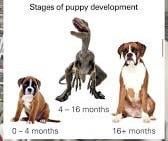
Is your 1-year-old dog acting a bit different lately? You’re not alone.
At this age, your dog is moving from puppyhood into adulthood, and their behavior can change in surprising ways. Understanding these shifts can help you build a stronger bond and avoid frustration. Keep reading to discover what to expect from your dog’s behavior at this exciting stage—and how you can guide them with confidence.

Credit: bark.co
Developmental Changes At One Year
At one year old, dogs go through important changes. These changes affect their body, mind, and feelings.
Understanding these changes helps owners care for their dogs better. Let’s explore the main areas of growth.
Physical Growth Milestones
By one year, many dogs reach most of their adult size. Their bones and muscles become stronger.
Some breeds may still grow a little after this age. Energy levels also become more steady.
- Adult teeth replace puppy teeth
- Weight stabilizes close to adult weight
- Improved coordination and strength
- Coat becomes thicker or changes texture
Cognitive Abilities
At one year, dogs think more clearly. They can learn new commands faster than before.
Memory improves, helping dogs remember training and routines better. They also solve simple problems well.
- Better understanding of commands
- Improved memory for routines
- Recognizes familiar people and places
- Begins to show problem-solving skills
Emotional Maturity
Emotions become more stable at this age. Dogs show stronger bonds with their owners and family.
They handle stress better but still need support during new experiences. Social skills improve with other dogs.
- Stronger attachment to owners
- Better control of excitement and fear
- Improved social interactions
- More consistent mood and behavior
Common Behaviors In One-year-old Dogs
One-year-old dogs show many changes in behavior. This age is like being a teenager for dogs.
Understanding these behaviors helps owners care for their dogs better.
Increased Energy Levels
One-year-old dogs have lots of energy. They need more exercise than before.
Without enough activity, they may become restless or destructive.
- Long walks help burn energy
- Playtime with toys keeps them busy
- Training sessions also use mental energy
Social Interaction Patterns
At this age, dogs want to meet other dogs and people. They learn how to behave in groups.
Some dogs may be shy or aggressive. Social training is important to guide good behavior.
- Encourage friendly greetings with other dogs
- Practice meeting new people calmly
- Watch for signs of stress or fear
Exploration And Curiosity
One-year-old dogs are very curious about their world. They like to explore new places and smells.
This curiosity helps them learn but can lead to trouble if not supervised.
- Use a leash to keep them safe during walks
- Provide new toys to satisfy curiosity
- Watch for harmful objects or plants
Training Tips For One-year-old Dogs
One-year-old dogs are full of energy and curiosity. Training at this age helps build good habits.
Consistent training keeps your dog focused and well-behaved. Use simple techniques to guide them.
Reinforcing Basic Commands
Review basic commands like sit, stay, and come. Practice them daily to keep skills sharp.
Short, frequent sessions work best. Use clear words and hand signals for better understanding.
- Keep training sessions 5 to 10 minutes long
- Use the same command words every time
- Practice in different places to build focus
- Reward correct responses quickly
Addressing Behavioral Challenges
One-year-old dogs may test limits with chewing or jumping. Stay calm and consistent.
Redirect unwanted behavior to good activities. Provide toys or playtime to reduce boredom.
- Ignore jumping and reward calm behavior
- Offer chew toys to prevent destructive chewing
- Give exercise to burn extra energy
- Use time-outs for repeated misbehavior
Positive Reinforcement Techniques
Reward your dog with treats, praise, or play. Positive reinforcement encourages good habits.
Timing is important. Give rewards right after your dog follows a command.
- Use small, tasty treats for motivation
- Give verbal praise with a happy tone
- Include play as a reward after training
- Avoid punishment to keep trust strong

Credit: www.aol.com
Nutrition And Exercise Needs
A 1 year old dog is full of energy and growth needs. Proper nutrition and exercise help keep your dog healthy and happy.
Meeting these needs supports good behavior and strong muscles. Let’s explore how to feed and exercise your young dog.
Balanced Diet Guidelines
Your dog needs a diet with the right nutrients. Protein, fats, and vitamins keep your dog active and strong.
- Provide high-quality protein from meat or fish
- Include healthy fats for energy and skin health
- Add vegetables for fiber and vitamins
- Ensure fresh water is always available
- Feed meals twice a day to maintain energy levels
Exercise Routines For Energy Management
Exercise helps your dog burn off energy and stay fit. Regular activity reduces destructive behavior caused by boredom.
- Take daily walks of 30 to 60 minutes
- Play fetch or tug-of-war for fun and movement
- Use safe areas for off-leash running
- Try swimming for low-impact exercise
- Adjust activity based on your dog’s breed and size
Mental Stimulation Activities
Mental exercises keep your dog sharp and calm. These tasks help prevent boredom and promote good behavior.
| Activity | Benefits |
|---|---|
| Puzzle toys | Challenge problem-solving skills |
| Hide and seek | Encourages scent tracking |
| Training sessions | Strengthen obedience and focus |
| New tricks | Boost confidence and learning |
| Interactive play | Builds bond with owner |
Health Considerations At One Year
When a dog reaches one year old, it enters adulthood. This age is important for health and behavior.
Owners should focus on keeping their dogs healthy with proper care and attention.
Regular Veterinary Checkups
Regular vet visits help catch health problems early. Checkups keep your dog in good shape.
At one year, vets check teeth, weight, and overall condition. They may suggest tests if needed.
Vaccination And Parasite Control
Vaccines protect dogs from serious diseases. Some shots may need a booster at one year.
Parasite control stops fleas, ticks, and worms. Keep treatments up to date all year.
- Check vaccination schedule with your vet
- Use flea and tick preventives regularly
- Give worm medicine as recommended
Signs Of Common Health Issues
Watch for changes in behavior or body. These signs may show health problems early.
- Loss of appetite or sudden weight change
- Lethargy or less interest in play
- Coughing, sneezing, or difficulty breathing
- Itching, hair loss, or skin redness
- Changes in bathroom habits
Contact your vet if you notice any of these signs. Early care can prevent serious illness.

Credit: www.reddit.com
Building A Strong Bond
Creating a strong bond with your 1-year-old dog is important. This age is crucial for their development and understanding of the world around them.
A strong bond ensures your dog feels loved and secure. This leads to a happier and well-behaved pet.
Consistent Interaction
Spending regular time with your dog strengthens your relationship. Play, walk, and train together every day.
Consistency helps your dog understand what to expect. This reduces anxiety and builds trust.
- Daily walks improve health and mood
- Playtime boosts energy and happiness
- Training sessions teach new skills
Understanding Canine Communication
Dogs communicate using body language and sounds. Learn to read your dog’s signals to respond appropriately.
Knowing what your dog is saying helps prevent misunderstandings. It also shows your dog that you care.
- Wagging tail often means excitement
- Barking can signal various emotions
- Yawning might indicate stress
Creating A Safe Environment
A safe home is important for your dog’s well-being. Ensure your space is secure and free from hazards.
Provide your dog with a comfortable place to rest. This helps them feel secure and protected.
- Remove harmful objects from reach
- Use gates to limit access to unsafe areas
- Provide toys for mental stimulation
Frequently Asked Questions
What Are Common Behaviors Of A 1 Year Old Dog?
At 1 year, dogs display high energy, curiosity, and social behaviors. They test boundaries and seek mental stimulation. Training consistency is crucial to guide their behavior and promote good habits. This age marks the transition from puppy to adult traits.
How To Handle A 1 Year Old Dog’s Energy?
Provide regular exercise like walks and play sessions to burn excess energy. Mental challenges like puzzle toys help focus their mind. Consistent training and socialization reduce hyperactivity and promote calm behavior.
Why Does My 1 Year Old Dog Show Sudden Aggression?
Aggression may stem from fear, territorial instincts, or lack of socialization. Hormonal changes during adolescence can also cause mood swings. Professional training and positive reinforcement help manage and reduce aggression.
How To Train A 1 Year Old Dog Effectively?
Use positive reinforcement with treats and praise to encourage good behavior. Keep training sessions short and consistent. Focus on basic commands and gradually introduce advanced skills to maintain engagement.
Conclusion
A one-year-old dog shows many new behaviors as it grows. Training and patience help guide good habits. Pay attention to your dog’s needs and feelings. Consistent care builds trust and friendship. Every dog learns at its own pace. Enjoy this exciting time with your young dog.
Small steps lead to a happy, well-behaved pet. Keep learning and growing together for the best bond.

Emily Barker is the founder of ChillDogLife.com, a space dedicated to helping pup parents discover the best dog products, lifestyle tips, and cozy ideas for happier homes.
A lifelong dog lover, Emily combines her passion for pets with a knack for research to share trusted recommendations on everything from toys and furniture to health and everyday care.
Her goal is simple: to make life easier, stylish, and more joyful for dogs and the people who love them.




