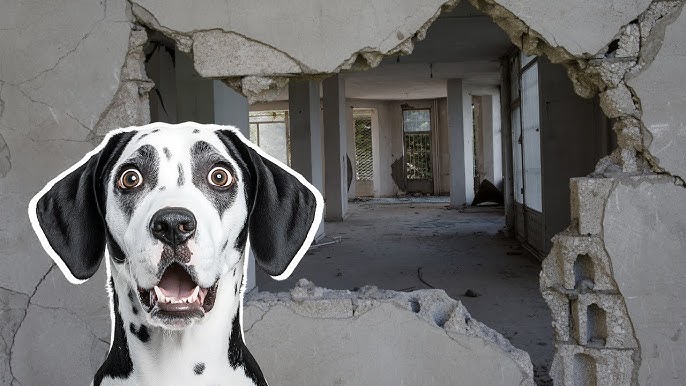
Have you ever come home to find your favorite shoes chewed up or your furniture scratched beyond repair? Destructive behavior in dogs can be frustrating and stressful for any pet owner.
But why does your dog act this way, and more importantly, how can you stop it? Understanding the reasons behind these actions is the first step to saving your belongings—and your peace of mind. Keep reading to discover practical tips that will help you transform your dog’s behavior and strengthen the bond you share.
Causes Of Destructive Behavior
Dogs sometimes chew or break things in the house. This behavior can confuse owners. Understanding why dogs act this way helps fix the problem.
Destructive behavior can come from many reasons. Some relate to how dogs feel or what they need. Knowing these causes helps keep dogs happy and safe.
Boredom And Lack Of Stimulation
Dogs need activities to stay busy. Without enough play or exercise, they get bored. Bored dogs often chew on furniture or shoes.
Giving dogs toys and daily walks reduces boredom. Mental games also keep their minds active and calm.
Separation Anxiety
Some dogs feel scared when left alone. This fear makes them act out by chewing or scratching. They want to feel less lonely.
Training and comfort items like blankets can help dogs feel safe. Slowly getting dogs used to being alone is important too.
Teething In Puppies
Puppies lose baby teeth and grow adult teeth. This process is painful and itchy. Puppies bite and chew to ease their discomfort.
Providing safe chew toys helps puppies during teething. It stops them from biting harmful things.
Medical Issues
Sometimes health problems cause dogs to chew or bite. Pain or skin irritation can make dogs restless. They may destroy items to feel relief.
Checking with a vet can find medical causes. Treating the health issue often stops bad behavior.
Attention-seeking Actions
Dogs want attention from their owners. If they feel ignored, they may destroy things. This gets a reaction, even if it is negative.
Spending time playing and praising good behavior reduces attention-seeking destruction. Ignoring bad acts teaches dogs better ways to get attention.

Credit: www.petsfolio.com
Common Signs To Watch For
Destructive behavior in dogs can be frustrating and harmful. It often signals that your dog needs more attention or exercise.
Watching for specific signs helps you address these behaviors early. This guide covers common signs to look out for in your dog.
Chewing Household Items
Dogs often chew on furniture, shoes, or other household objects. This behavior can damage your belongings and hurt your dog.
Chewing can mean your dog is bored, anxious, or teething. Providing chew toys helps redirect this habit.
Digging Indoors Or Outdoors
Digging is a natural dog behavior but can cause problems indoors and outdoors. Dogs dig to explore, find comfort, or release energy.
- Look for holes in the yard or garden
- Check for torn carpet or rugs inside
- Notice if your dog scratches at doors or walls
- Digging may increase during stress or boredom
Excessive Barking And Whining
Loud barking or constant whining can signal discomfort or a need for attention. It also disturbs your peace and neighbors.
| Possible Cause | Behavior | What to Watch For |
| Loneliness | Whining | Repeated whining when alone |
| Fear | Barking | Sharp, sudden barks at noises |
| Excitement | Barking and Whining | Sounds during play or greeting |
Scratching Doors And Furniture
Scratching can ruin doors and furniture. It may show your dog wants to go outside or is feeling anxious.
To reduce scratching:
- Provide a scratching post or mat
- Trim your dog’s nails regularly
- Train your dog to wait calmly at doors
Effective Training Techniques
Destructive behavior in dogs can be frustrating for owners. Training helps reduce these unwanted actions.
Using the right techniques makes training easier and improves your dog’s behavior.
Positive Reinforcement
Positive reinforcement rewards good behavior. It helps dogs learn what you want from them.
Use treats, praise, or toys to encourage your dog to stop destructive acts.
- Give a treat when your dog chews a toy, not furniture
- Use a happy voice to praise calm behavior
- Reward small improvements to keep motivation high
Redirecting Behavior
Redirecting means guiding your dog to a better activity. It stops bad habits before they start.
Offer a chew toy or playtime to replace destructive chewing or digging.
- Notice when your dog starts bad behavior
- Gently give a toy or start a game
- Reward your dog for choosing the toy over other items
Crate Training
Crate training gives your dog a safe space. It helps reduce anxiety and destructive acts.
Use the crate for short times and make it comfortable with toys and bedding.
- Introduce the crate with treats inside
- Keep crate times short and positive
- Never use the crate for punishment
Consistent Commands And Boundaries
Consistent commands help your dog understand what is allowed. Clear boundaries reduce confusion.
Use the same words and actions every time you correct or praise your dog.
- Choose simple commands like “No” or “Leave it”
- Be firm but calm when giving commands
- Make sure all family members use the same rules
Environmental Enrichment Ideas
Destructive behavior in dogs often comes from boredom or stress. Giving your dog new ways to engage can reduce this behavior. Environmental enrichment means adding fun and interesting activities to their daily life.
These ideas help keep your dog’s mind and body active. They also create a happier and healthier pet. Here are some ways to enrich your dog’s environment.
Interactive Toys And Puzzles
Toys and puzzles make dogs think and work for treats. These tools challenge their brains and stop boredom. Interactive toys keep dogs busy for longer times.
- Use treat-dispensing balls to encourage play.
- Try puzzle feeders that require problem solving.
- Introduce new toys regularly to keep interest.
- Rotate toys to make old ones feel new.
Regular Exercise Routines
Exercise helps dogs burn energy and feel calm. Daily walks or play sessions reduce stress and prevent damage from boredom. Consistent routines build good habits.
- Take your dog for a walk twice daily.
- Play fetch or tug-of-war for 15 minutes.
- Include training games to teach new commands.
- Visit different places to explore new smells.
Socialization Opportunities
Meeting other dogs and people helps your dog learn good behavior. Social time reduces anxiety and loneliness. It also teaches dogs how to behave around others.
Try these ways to improve socialization:
- Visit dog parks for safe play with others.
- Arrange playdates with friends’ dogs.
- Attend training classes or dog clubs.
- Expose your dog to new sights and sounds daily.
Creating Safe Chewing Alternatives
Dogs chew to explore and relieve stress. Providing safe options protects your belongings. It also keeps your dog’s teeth healthy and strong.
| Chewing Item | Benefits | Safety Tips |
| Rubber chew toys | Durable and fun | Check for wear and replace if broken |
| Rawhide alternatives | Long-lasting and tasty | Supervise to avoid choking |
| Frozen treats | Soothes gums | Use dog-safe ingredients only |
Managing Separation Anxiety
Dogs can show destructive behavior when left alone. Separation anxiety is a common reason. Understanding and managing this can help your pet feel safer and happier.
There are several ways to manage your dog’s anxiety. It involves patience and consistency from you as the owner.
Gradual Desensitization
Gradual desensitization can help reduce your dog’s anxiety. Start by leaving your dog alone for short periods. Gradually increase the time you are away.
Keep calm when leaving and returning home. This helps your dog understand that your absence is normal.
Comfort Items And Calming Aids
Comfort items can help ease your dog’s anxiety. A favorite toy or blanket can provide reassurance.
Calming aids like pheromone diffusers or anxiety wraps may also help. These can create a relaxing environment for your dog.
- Use a favorite toy or blanket
- Try a pheromone diffuser
- Consider an anxiety wrap
Professional Help And Therapy
If anxiety persists, seek professional help. A vet or animal behaviorist can provide tailored advice.
Therapies, such as behavior modification, can be effective. Training sessions with a professional may benefit your dog significantly.
| Consult a vet | Get professional advice |
| Behavior modification | Effective with professional help |

Credit: pupford.com
Preventing Future Issues
Destructive behavior in dogs can cause stress for both pets and owners. Preventing these problems starts early and needs consistent care. Understanding key actions helps keep dogs happy and safe.
Focus on training, daily routines, and watching for health changes. These steps reduce the chance of damage and improve your dog’s well-being.
Early Training And Socialization
Start teaching your dog good habits early. Socialize your dog by letting it meet other dogs and people. This builds confidence and reduces fear-based chewing or digging.
- Begin basic commands like sit, stay, and leave it
- Use positive reinforcement to encourage good behavior
- Expose your dog to different environments and sounds
- Arrange playdates with other friendly dogs
- Attend puppy training classes for guidance
Routine And Structure
Dogs feel safe with a clear daily schedule. Feed, walk, and play at the same times every day. This lowers anxiety and stops boredom that leads to destruction.
| Activity | Suggested Time |
| Feeding | Morning and Evening |
| Exercise | At least 30 minutes daily |
| Training Sessions | Short, 10-15 minutes twice a day |
| Rest Periods | Quiet time after activity |
| Playtime | Multiple short sessions during the day |
Monitoring Health And Behavior Changes
Check your dog’s health often. Changes in behavior can mean pain or illness. Early action stops problems from growing worse.
Signs to watch for include:
- Sudden chewing or scratching
- Loss of appetite or energy
- Changes in bathroom habits
- Unusual aggression or fear
- Excessive licking of one area
Visit a vet if you notice these signs. Proper care helps your dog stay calm and well-behaved.

Credit: highlandcanine.com
Frequently Asked Questions
What Causes Destructive Behavior In Dogs?
Destructive behavior in dogs often stems from boredom, anxiety, or lack of exercise. Puppies may chew to explore. Separation anxiety also triggers chewing and digging. Identifying the cause helps in applying the right training or environmental changes to reduce damage.
How Can I Stop My Dog’s Destructive Chewing?
Provide plenty of chew toys and regular exercise. Use positive reinforcement to reward good behavior. Avoid punishment, which can increase anxiety. Redirect chewing to appropriate items. Consistent training and mental stimulation are key to preventing destructive chewing habits.
Is Destructive Behavior A Sign Of Anxiety In Dogs?
Yes, destructive behavior often signals anxiety or stress in dogs. Separation anxiety, fear, or changes in environment can trigger chewing or digging. Addressing anxiety through behavior modification and calming techniques can reduce destructive actions and improve your dog’s well-being.
Can Lack Of Exercise Cause Destructive Behavior In Dogs?
Yes, insufficient exercise leads to pent-up energy, causing destructive acts like chewing and digging. Regular walks, playtime, and mental challenges help release energy and reduce boredom-driven destruction. Active dogs are generally calmer and less likely to engage in harmful behaviors.
Conclusion
Destructive behavior in dogs can cause stress for both pets and owners. Understanding why dogs act this way helps solve the problem. Providing enough exercise and mental stimulation keeps dogs happy. Training with patience and consistency builds good habits. Early action prevents damage and frustration later.
Every dog is different, so try different approaches. Caring for your dog’s needs leads to a peaceful home. Stay calm, stay kind, and keep learning. This helps your dog feel safe and loved every day.

Emily Barker is the founder of ChillDogLife.com, a space dedicated to helping pup parents discover the best dog products, lifestyle tips, and cozy ideas for happier homes.
A lifelong dog lover, Emily combines her passion for pets with a knack for research to share trusted recommendations on everything from toys and furniture to health and everyday care.
Her goal is simple: to make life easier, stylish, and more joyful for dogs and the people who love them.




