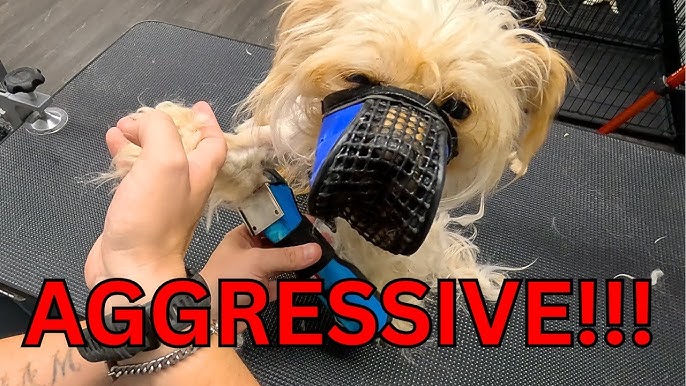
Grooming your dog should be a time of care and bonding, but what if your dog is aggressive? You might feel nervous or unsure about how to keep both yourself and your pet safe.
The good news is, with the right approach, you can make grooming easier and less stressful for you and your dog. You’ll discover simple, effective techniques to handle an aggressive dog during grooming. By following these steps, you’ll build trust, reduce tension, and keep your dog looking and feeling their best.
Keep reading to turn a tough task into a positive experience for both of you.
Recognize Aggressive Behavior
Grooming an aggressive dog can be hard and risky. It is important to know the signs of aggression first.
Recognizing these behaviors early helps keep you and your dog safe during grooming.
Signs To Watch For
Aggressive dogs show many signs before they act out. Watch closely to spot these signs early.
- Growling or snarling
- Bared teeth or snapping
- Stiff body posture
- Raised hackles on the back
- Direct, hard staring
- Snapping or lunging
- Whining or barking in a tense way
- Tail held high and stiff or tucked tightly
Triggers And Causes
Understanding what causes aggression helps avoid triggers during grooming. Some dogs react to certain situations.
Common causes include fear, pain, and past bad experiences. Grooming tools or handling may also cause stress.
- Fear of being touched or restrained
- Pain from injuries or health issues
- Loud noises or sudden movements
- Unfamiliar people or places
- Previous negative grooming experiences
- Protective behavior over space or toys
- Changes in routine or environment

Credit: www.reddit.com
Prepare The Grooming Space
Grooming an aggressive dog requires careful preparation. Setting up the space helps keep everyone safe.
A calm, well-organized area reduces stress for the dog and handler.
Safe Environment Setup
Choose a quiet room with no distractions. This helps the dog focus and feel less anxious.
Keep the space clean and free of objects the dog can knock over or chew.
- Use a non-slip mat on the floor to prevent slipping
- Ensure good lighting for clear visibility
- Have a secure area to contain the dog if needed
- Remove other pets and loud noises
Essential Grooming Tools
Gather all tools before starting. This avoids leaving the dog alone during grooming.
Use tools that are safe and fit the dog’s size and coat type.
- Brushes suited for the dog’s fur texture
- Clippers with quiet motors to reduce noise
- Scissors with rounded tips for safety
- Grooming gloves to protect your hands
- Styptic powder for minor cuts
- Cleaning wipes for quick messes
Calm Your Dog Before Grooming
Grooming an aggressive dog can be hard. Calming your dog first helps make grooming easier and safer.
Use gentle methods to relax your dog before you start grooming. This lowers stress and stops aggressive behavior.
Relaxation Techniques
Relaxation helps your dog feel safe and calm. Try these simple ways to reduce anxiety before grooming.
- Speak softly and use a calm voice
- Play soothing music or white noise
- Give your dog a gentle massage
- Use a warm towel or blanket for comfort
- Take deep, slow breaths to help your dog mirror your calmness
Using Positive Reinforcement
Positive reinforcement rewards good behavior. It teaches your dog to enjoy grooming sessions.
| Reward Type | When to Use | Effect on Dog |
| Treats | After calm moments or good behavior | Increases calmness and cooperation |
| Praise | During grooming when dog stays still | Builds trust and comfort |
| Play | After grooming session | Creates positive association with grooming |

Credit: www.youtube.com
Use Proper Restraint Methods
Grooming an aggressive dog needs care and safety first. Using the right restraint helps protect you and the dog. Proper restraint keeps the dog calm and still.
Always prepare the restraint tools before starting. This avoids surprises and keeps the grooming smooth. Let’s look at some key methods to use.
Harnesses And Muzzles
Harnesses give you control without hurting the dog. Choose one that fits well and is strong. Muzzles stop biting and protect your face. Use a muzzle that allows the dog to breathe easily.
- Select a harness that fits snugly but is not tight.
- Use a basket muzzle for safety and comfort.
- Introduce the muzzle slowly to avoid stress.
- Check all straps before grooming to ensure they are secure.
When To Seek Professional Help
Some dogs show strong aggression that is hard to manage alone. A professional groomer or trainer can help. They have experience and tools to handle tough dogs.
| Signs to Seek Help | Why |
| Severe biting attempts | Risk of injury is high |
| Extreme fear or stress | Dog may hurt itself or you |
| Uncontrollable pulling or thrashing | Hard to groom safely |
Step-by-step Grooming Process
Grooming an aggressive dog needs patience and care. Follow steps carefully to keep the dog calm and safe.
Use gentle movements and watch the dog's body language. Stop if the dog shows signs of stress or aggression.
Brushing And Detangling
Start brushing your dog in a quiet place. Use a soft brush to avoid hurting the skin.
Work slowly to remove tangles. Hold the fur gently and brush small sections at a time.
- Use a slicker brush or comb for mats
- Brush in the direction of hair growth
- Take breaks if the dog gets upset
- Reward calm behavior with treats
Bathing With Care
Prepare everything before bringing your dog to the bath area. Use lukewarm water to keep the dog comfortable.
Wet the dog gently and apply a small amount of dog shampoo. Avoid getting soap in the eyes and ears.
- Speak softly to calm the dog
- Use a cup or sprayer for slow water flow
- Rinse thoroughly to remove all shampoo
- Dry the dog with a towel or low heat dryer
Nail Trimming Tips
Trim nails carefully to avoid hurting the quick. Use sharp nail clippers made for dogs.
Hold the paw firmly but gently. Cut small bits at a time to check the nail length.
- Have styptic powder ready to stop bleeding
- Trim nails in a calm, quiet place
- Offer treats to reward good behavior
- Ask for help if the dog resists
Handle Aggression During Grooming
Grooming an aggressive dog needs patience and care. You must stay calm and watch your dog’s behavior closely.
Proper handling helps keep you and your dog safe. Learning how to manage aggression is very important.
Reading Warning Signs
Dogs show many signs before they become aggressive. Watch for these signs to stop problems early.
Some common warning signs include growling, baring teeth, and stiff body posture. Listen to your dog’s sounds too.
- Growling or snarling
- Showing teeth or snapping
- Stiff or tense body
- Raised hackles (hair on back)
- Avoiding eye contact or staring
- Whining or barking sharply
Safe Breaks And Timeouts
Taking breaks helps reduce stress for your dog. Stop grooming if your dog shows signs of fear or anger.
Give your dog time to relax before you start again. Use short grooming sessions to build trust slowly.
- Pause grooming when warning signs appear
- Let your dog rest in a calm place
- Offer treats to create a positive feeling
- Keep sessions short and gentle
- Always stay calm and patient
Post-grooming Care
Grooming an aggressive dog needs special care. After grooming, attention is needed to ensure the dog feels comfortable and safe.
Proper post-grooming care helps in maintaining calmness. It also prevents future aggressive behavior during grooming sessions.
Rewarding Good Behavior
After grooming, rewarding good behavior is essential. This helps the dog associate grooming with positive experiences.
Use treats or favorite toys to praise calmness. This builds trust and encourages a positive response in future grooming.
- Give treats immediately after grooming
- Use gentle words and petting as praise
- Provide a favorite toy for play
Monitoring For Stress
Watch for signs of stress after grooming. Stress can cause discomfort and aggression.
Signs of stress include panting, pacing, or hiding. Address these signs quickly to help the dog relax.
| Signs of Stress | Actions to Take |
| Panting | Offer water and a quiet space |
| Pacing | Engage in calm activities |
| Hiding | Give time and space to relax |

Credit: www.youtube.com
Build Long-term Trust
Grooming an aggressive dog takes patience and care. Building trust is key to success. Consistent routines and social interactions can help.
Understanding your dog’s behavior is important. This helps in creating a safe and calm grooming environment.
Consistent Grooming Routine
A regular grooming schedule helps dogs feel secure. It reduces anxiety by making the process predictable.
- Brush your dog’s fur daily to prevent matting.
- Trim nails every two weeks to maintain comfort.
- Clean ears weekly to avoid infections.
Training And Socialization
Training and socialization teach your dog to stay calm. Positive experiences with people and other dogs are beneficial.
Use treats and praise during training sessions. This encourages good behavior and strengthens your bond.
| Activity | Frequency |
| Social walks | Twice a week |
| Playdates | Once a month |
| Training sessions | Daily |
Frequently Asked Questions
How Can I Safely Approach An Aggressive Dog For Grooming?
Approach calmly and avoid direct eye contact. Use a leash and muzzle if needed. Speak softly to soothe the dog. Move slowly and observe their body language to prevent sudden reactions.
What Grooming Tools Work Best For Aggressive Dogs?
Use quiet, gentle tools like electric clippers with low noise. Choose brushes with soft bristles to avoid discomfort. Avoid sharp scissors to reduce injury risk. Tools should be familiar to the dog to ease stress.
How Do I Calm An Aggressive Dog During Grooming?
Create a calm environment with minimal noise and distractions. Use treats and positive reinforcement to reward good behavior. Take frequent breaks to reduce stress. Stay patient and consistent throughout the grooming process.
When Should I Seek Professional Help For Grooming Aggressive Dogs?
If the dog shows extreme aggression or fear, consult a professional groomer or trainer. Professional help ensures safety for both you and the dog. They have experience handling difficult behaviors effectively.
Conclusion
Grooming an aggressive dog takes patience and care. Stay calm and use gentle movements. Keep sessions short to avoid stress. Reward your dog with treats for good behavior. Use the right tools to make grooming easier. Always watch your dog’s body language closely.
Regular grooming helps your dog stay healthy and happy. Trust builds slowly but grows strong over time. Practice often, and you will see progress. Safety for both you and your dog comes first. Keep learning and stay consistent with your approach.

Emily Barker is the founder of ChillDogLife.com, a space dedicated to helping pup parents discover the best dog products, lifestyle tips, and cozy ideas for happier homes.
A lifelong dog lover, Emily combines her passion for pets with a knack for research to share trusted recommendations on everything from toys and furniture to health and everyday care.
Her goal is simple: to make life easier, stylish, and more joyful for dogs and the people who love them.




