Are you tired of constant barking disrupting your peace? You might be wondering if a muzzle is the simple fix you need to stop your dog from barking.
It sounds like a quick solution, but does it really work? Before you decide, it’s important to understand what a muzzle can and can’t do. You’ll discover the truth about muzzles and barking—so you can make the best choice for your dog and your home.
Keep reading to find out what really stops barking without causing harm.
How Muzzles Work
Understanding how muzzles work is crucial if you’re considering one to manage your dog’s barking. A muzzle is designed primarily to prevent biting or chewing, but many wonder if it can actually stop barking. The answer depends on the type of muzzle and how it fits your dog’s needs.
Types Of Dog Muzzles
There are several types of dog muzzles, each serving different purposes:
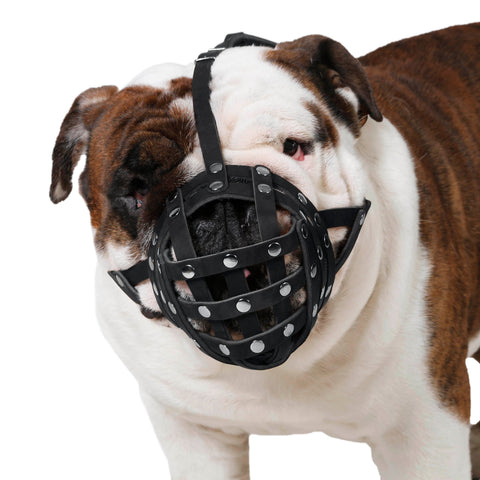
- Basket Muzzles:Made from plastic, metal, or nylon, these allow your dog to breathe, pant, and drink water freely. They stop biting but usually don’t completely prevent barking.
- Soft Muzzles:Typically made of fabric, these snugly cover the dog’s snout, restricting mouth movement more than basket muzzles. They can reduce barking but may cause discomfort if used too long.
- Short Snout Muzzles:Designed for breeds like pugs or bulldogs, these accommodate unique facial structures but may limit mouth movement and sound production differently.
Functionality And Limitations
While muzzles restrict your dog’s ability to bite or chew, they don’t always stop barking. Dogs can still vocalize even with a basket muzzle because their mouths can open enough to produce sound.
Soft muzzles may reduce barking but can cause stress or panic if your dog feels too restricted. It’s essential to monitor your dog’s comfort to avoid unintended behavioral issues.
Ask yourself: Is the muzzle a temporary tool or a long-term solution? Relying solely on a muzzle to stop barking might overlook the root cause of the behavior.

Credit: www.amazon.ca
Muzzles And Barking
Dogs bark for many reasons. It’s their way of communicating. Sometimes, barking becomes a problem. Owners might consider using a muzzle. But will a muzzle stop a dog from barking? Let’s explore this topic further.
Can Muzzles Prevent Barking?
Muzzles can limit barking. They cover the dog’s mouth. This makes it hard for the dog to open its mouth fully. When the mouth is restricted, barking becomes difficult. But, not all muzzles are the same. Basket muzzles allow more movement. They might not stop barking entirely. Soft muzzles restrict movement more. They can be more effective in reducing barking.
It’s important to choose the right muzzle. Safety and comfort should be a priority. A dog should never wear a muzzle for long periods. It is not a long-term solution for barking.
Why Dogs Bark With Muzzles
Even with a muzzle, some dogs may still bark. This could be due to anxiety or excitement. Dogs bark to express emotions. A muzzle might not address the root cause. Training and understanding are key. Identifying why the dog barks can help solve the issue.
Dogs might bark with a muzzle due to discomfort. It’s essential to ensure the muzzle fits well. A poorly fitted muzzle can cause distress. Always monitor your dog’s behavior when using a muzzle.
Alternatives To Muzzles
Muzzles can stop a dog from barking temporarily. Yet, they do not solve the root cause of barking. Many gentle and effective alternatives exist to manage barking. These options focus on training and changing behavior. They help dogs learn to be calm without discomfort. Exploring these can create a happier bond between you and your dog.
Training Techniques
Training teaches dogs to control their barking naturally. Consistent commands help dogs understand when to be quiet. Rewarding quiet behavior encourages dogs to repeat it. Using positive reinforcement builds trust and good habits. Training also improves communication between owner and dog.
- Use a calm voice to say “quiet” when barking stops.
- Give treats or praise for quiet moments.
- Distract with toys or activities during triggers.
- Practice short, regular training sessions for best results.
Behavioral Solutions
Behavioral solutions address the reasons behind barking. Dogs often bark out of boredom, fear, or stress. Reducing these feelings lowers barking naturally. Creating a calm environment helps dogs relax. Exercise and mental stimulation keep dogs busy and happy.
- Provide daily walks and playtime to burn energy.
- Use puzzle toys to challenge the mind.
- Remove or change what causes fear or anxiety.
- Give a safe space where dogs feel secure.

Credit: collardirect.com
Safety And Comfort
Safety and comfort are the top priorities when using a muzzle on a dog. A muzzle should not cause pain or stress. It must allow the dog to breathe, pant, and drink water easily. Proper use helps prevent injury and keeps your dog calm.
Choosing The Right Muzzle
Select a muzzle that fits your dog's breed and size. It should be snug but not too tight. Materials matter: soft nylon or basket muzzles allow better airflow. Avoid muzzles that cover the dog’s nose completely. They stop barking but can cause overheating or breathing problems.
- Measure your dog’s snout carefully
- Look for adjustable straps
- Choose breathable materials
- Opt for a basket muzzle for longer wear
Ensuring Dog’s Well-being
Watch your dog closely after fitting the muzzle. Some dogs feel anxious at first. Use short sessions and reward calm behavior. Never leave a muzzled dog alone for long. Check the skin under the muzzle for irritation. Keep the muzzle clean and dry to avoid infections.
- Introduce the muzzle slowly and gently
- Use treats to create positive associations
- Remove the muzzle if the dog shows distress
- Regularly inspect for signs of discomfort
Legal And Ethical Aspects
Using a muzzle to stop a dog from barking raises important legal and ethical questions you should consider before deciding if it’s the right tool for your pet. These concerns go beyond just the effectiveness of the muzzle—they focus on your responsibilities as a dog owner and the well-being of your animal. Understanding the rules and moral implications helps you make a choice that respects your dog’s needs and the law.
Regulations On Muzzle Use
Many places have specific rules about when and how muzzles can be used. Some cities or states require muzzles only for certain breeds or in public spaces, while others may ban continuous use of muzzles on dogs.
Failing to follow these laws can lead to fines or other penalties. You should check local regulations to know:
- If muzzles are allowed for barking control
- The maximum amount of time a muzzle can be worn
- Any special requirements, like types of muzzles allowed
Understanding these rules keeps your dog safe and your conscience clear.
Ethical Considerations
Is it fair to muzzle your dog just to stop barking? That’s a tough question. Barking is a natural way dogs communicate, and muzzling can cause stress or anxiety if misused.
You should ask yourself:
- Is the muzzle being used as a temporary solution or a long-term fix?
- Could other training methods reduce barking without restricting your dog?
- Are you monitoring your dog closely to ensure it isn’t suffering?
Many dog owners find that combining positive reinforcement and environmental changes works better than relying solely on a muzzle.
Think about your dog’s comfort and mental health. Are you addressing the cause of the barking, or just the symptom? A muzzle shouldn’t replace understanding and patience.

Credit: collardirect.com
Frequently Asked Questions
Can A Muzzle Completely Stop A Dog From Barking?
A muzzle can physically prevent barking by restricting the dog’s mouth movement. However, it may cause stress. Muzzles are not a long-term solution for behavior issues.
Are Muzzles Safe For Dogs To Wear?
Muzzles are safe when used correctly and for short periods. Ensure the dog can breathe and pant comfortably. Always supervise muzzled dogs to avoid discomfort or injury.
Do Muzzles Address The Root Cause Of Barking?
No, muzzles only block barking temporarily. They do not solve underlying causes like anxiety or boredom. Training and behavior modification are necessary for lasting results.
What Types Of Muzzles Reduce Barking Effectively?
Basket muzzles allow panting but limit barking. Soft muzzles may stop barking but restrict panting, which can be unsafe. Choose muzzles designed for comfort and safety.
Conclusion
A muzzle may help reduce a dog’s barking temporarily. It does not solve the root cause of barking. Training and patience work better for long-term results. Dogs bark to communicate feelings and needs. Understanding why your dog barks is important.
Choose humane methods to manage barking. A muzzle should never cause pain or fear. Always prioritize your dog’s comfort and safety. Consistent, kind training helps build good behavior. With time, barking can become more controlled and calm.

Emily Barker is the founder of ChillDogLife.com, a space dedicated to helping pup parents discover the best dog products, lifestyle tips, and cozy ideas for happier homes.
A lifelong dog lover, Emily combines her passion for pets with a knack for research to share trusted recommendations on everything from toys and furniture to health and everyday care.
Her goal is simple: to make life easier, stylish, and more joyful for dogs and the people who love them.




