Have you ever wondered why your dog doesn’t seem interested in toys? You might feel puzzled or even a bit worried.
After all, toys are supposed to keep dogs happy and active. But what if your furry friend ignores every ball, chew, or squeaky toy you offer? Understanding why your dog doesn’t play with toys can help you connect better with them and improve their happiness.
Keep reading to discover the surprising reasons behind this behavior and how you can encourage your dog to enjoy playtime again.
Common Reasons Dogs Avoid Toys
Some dogs do not enjoy playing with toys. This can surprise their owners. Understanding why can help you respond better.
Dogs have different personalities and preferences. Some may ignore toys for many reasons.
Lack Of Interest Or Boredom
Dogs may lose interest in toys if they find them boring. Toys that do not change or offer new challenges can feel dull.
Repeated use of the same toy can make dogs less excited. They need variety to stay engaged.
- Toys with no movement or sound may be ignored
- Dogs may get bored with one type of toy
- Changing toys often can keep dogs interested
Preference For Other Activities
Some dogs prefer activities that do not involve toys. They may like running, exploring, or resting instead.
Each dog has its own favorite way to spend time. Toys are not always their first choice.
- Dogs that enjoy walks may ignore toys
- Some dogs like cuddling more than playing
- Exercise and social time may be more fun for some dogs
Not Feeling Well
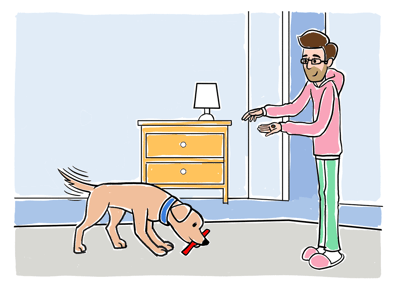
A dog that feels sick or tired may avoid toys. Illness can lower their energy and interest in play.
Watch for other signs of sickness if your dog stops playing suddenly. A vet visit might be needed.
- Illness can cause loss of energy
- Pain or discomfort may reduce playfulness
- Consult a vet if the dog avoids toys for a long time
Credit: www.preventivevet.com
Impact Of Age And Breed
Dogs may not play with toys for many reasons. Age and breed play big roles in their behavior.
Understanding these factors helps owners choose the right toys and activities for their dogs.
Puppies Vs Adult Dogs
Puppies are full of energy and curiosity. They love to chew and explore new toys.
Adult dogs may lose interest in toys if they prefer resting or other activities. Some adults like soft toys, others like tough chew toys.
- Puppies use toys to learn and play
- Adult dogs might prefer simple toys
- Older dogs may play less but still enjoy gentle toys
Toy Preferences By Breed
Different dog breeds have different toy preferences. Some breeds like to chew hard toys. Others enjoy fetch or tug toys.
Knowing your dog's breed helps pick toys they will enjoy and use more often.
| Breed Type | Preferred Toy Type |
|---|---|
| Working breeds | Durable chew toys and fetch balls |
| Small breeds | Soft plush toys and small squeakers |
| Hunting breeds | Tug ropes and interactive toys |
| Guard breeds | Strong chew toys and large balls |
Health Issues Affecting Play
Dogs may stop playing with toys due to health problems. Pain and discomfort can reduce their interest in fun activities.
Understanding these health issues helps you care for your dog better. It also explains why your dog might avoid toys.
Dental Problems
Dental pain makes dogs avoid biting or chewing toys. Tooth decay, gum disease, or broken teeth cause discomfort.
- Bad breath and drooling
- Difficulty eating or chewing
- Swelling around the mouth
- Bleeding gums
If your dog shows these signs, a vet visit is important. Treating dental problems may restore their toy interest.
Joint Pain And Mobility
Arthritis or joint injuries make moving and playing hard. Dogs with joint pain may stop chasing or carrying toys.
| Joint Issue | Effect on Play |
| Arthritis | Less running and jumping |
| Hip Dysplasia | Avoids carrying heavy toys |
| Injuries | Reluctant to fetch or tug |
Gentle exercise and vet care can help dogs with joint pain. Adapt toys and play style to their comfort.
Sensory Decline
Older dogs may lose sight, hearing, or smell. This decline can reduce their interest in toys.
Signs of sensory decline in dogs:
- Not noticing toys on the floor
- Slow response to sounds or movements
- Lack of interest in food scents or treats
Use toys with strong smells, sounds, or bright colors to help dogs with sensory loss. This may encourage play.
:strip_icc()/tug-of-war-with-your-dog-1118370_1287-c9bb58ede5234abbbacd6576f8db2f3c.jpg)
Credit: www.thesprucepets.com
Environmental Factors
Dogs may not play with toys due to their surroundings. The environment affects their mood and behavior.
Changes or stress in the environment can make dogs less interested in toys. Understanding these factors helps improve playtime.
Stress And Anxiety
Stress and anxiety can stop dogs from playing with toys. Loud noises, new people, or changes in routine cause stress.
When a dog feels anxious, it may hide or avoid toys. They focus on feeling safe instead of having fun.
Lack Of Proper Stimulation
Dogs need mental and physical stimulation to enjoy toys. Without this, they can get bored and ignore toys.
A dull environment with little exercise or new experiences reduces interest in toys. Dogs need challenges to stay active.
- Daily walks and playtime
- New smells and sights
- Training sessions with toys
Inappropriate Toy Selection
Toys that do not suit a dog’s size or breed may be ignored. Some dogs prefer soft toys, others like chew toys.
Choosing the right toy helps dogs feel comfortable and excited to play. The wrong toy can feel unsafe or boring.
- Match toy size to dog size
- Pick safe, durable materials
- Consider dog’s chewing strength
Training And Socialization Effects
Dogs may not play with toys due to training or socialization issues. Their past and present experiences shape their behavior. Understanding these effects helps improve play habits.
Play is a key part of a dog’s life. It builds skills and bonds with owners. Lack of play can signal deeper problems.
Past Negative Experiences
Some dogs avoid toys because of bad memories. They may have been punished or ignored when playing before. This can cause fear or disinterest in toys.
- Scolding during playtime
- Rough handling with toys
- Ignoring the dog’s attempts to play
- Unpleasant sounds from certain toys
Lack Of Encouragement
Dogs need encouragement to enjoy toys. Without praise or attention, they may lose interest. Owners who do not join in play can miss chances to build fun habits.
| Encouragement Type | Effect on Dog’s Play |
| Verbal Praise | Increases excitement and confidence |
| Physical Affection | Builds trust and enjoyment |
| Interactive Play | Strengthens bond and motivation |
| Ignoring Play Attempts | Reduces interest and engagement |
Role Of Play In Bonding
Play helps dogs connect with their owners. It builds trust and makes dogs feel safe. Dogs that play often feel happier and more relaxed.
Ways play improves bonding:
- Sharing fun moments
- Learning communication signals
- Reducing stress and anxiety
- Encouraging teamwork
Tips To Encourage Toy Play
Some dogs do not play with toys as much as others. It is important to encourage them to engage with toys for mental and physical health.
There are several ways to make toys more appealing to your furry friend. Let’s explore some helpful tips.
Choosing The Right Toys
Picking the right toys is crucial for sparking interest. Different dogs have different preferences based on their breed and personality.
Here is a simple table to help you choose:
| Dog Size | Toy Type |
| Small | Soft and small-sized toys |
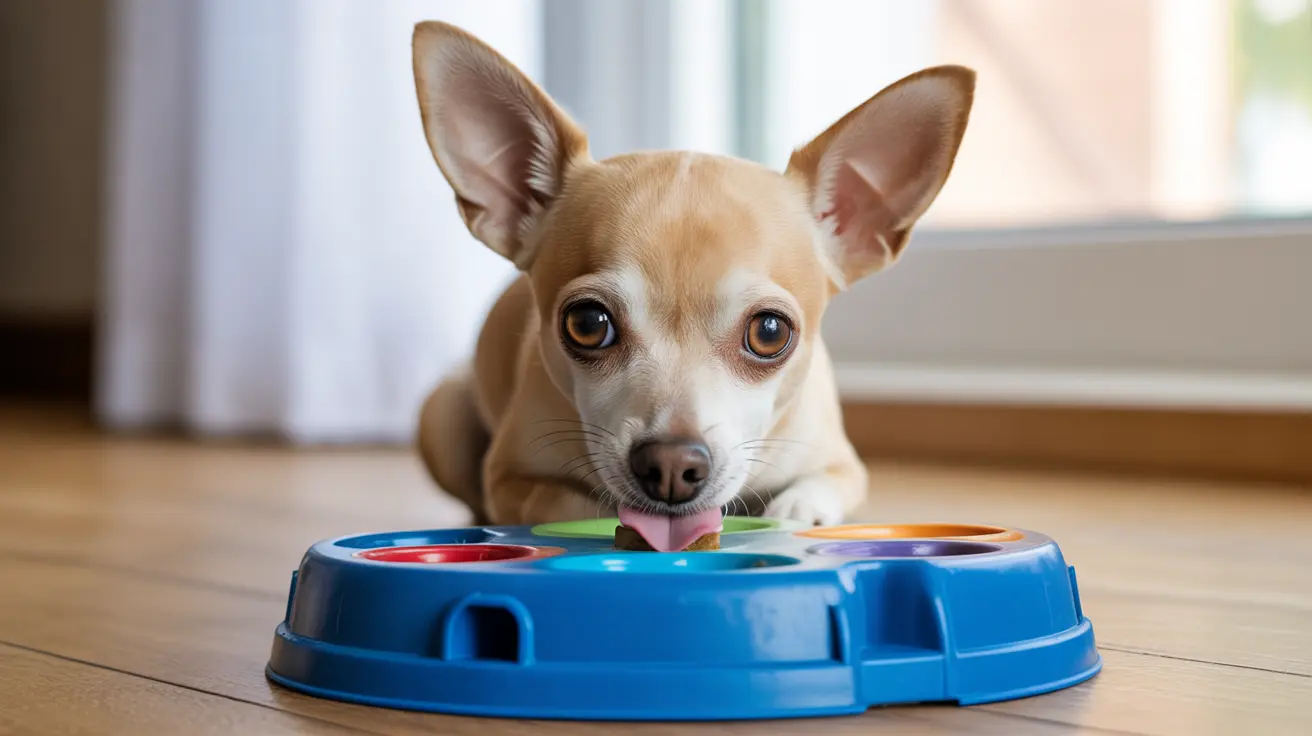
| Medium | Interactive puzzles |
| Large | Durable chew toys |
Creating A Playful Environment
A playful environment can motivate dogs to play. Make sure the play area is safe and free from distractions.
- Remove any breakable items
- Ensure the area is spacious
- Use soft mats for comfort
- Provide a variety of toys
Positive Reinforcement Techniques
Positive reinforcement encourages dogs to play with toys. Reward them with treats or praise when they engage with a toy.
Consistency is key. Repeatedly rewarding your dog for playing will create a positive association with toys.
Credit: www.petscare.com
Frequently Asked Questions
Why Won’t My Dog Play With Toys Anymore?
Dogs may lose interest due to boredom, stress, or health issues. Check for pain or dental problems. Try introducing new, interactive toys to rekindle interest. Sometimes, your dog may prefer social interaction over toys.
Can Lack Of Play Indicate Health Problems In Dogs?
Yes, a dog’s refusal to play can signal illness or pain. Behavioral changes often accompany health issues. Consult a vet to rule out conditions like arthritis or dental pain. Early diagnosis improves treatment success.
How Can I Encourage My Dog To Play With Toys?
Use positive reinforcement and interactive games to engage your dog. Rotate toys regularly to maintain novelty. Play together to create bonding time. Offer treats as rewards to motivate toy interaction.
Does Dog Breed Affect Toy Play Preferences?
Yes, breed influences play style and toy preference. Active breeds like Retrievers enjoy fetch toys. Some breeds prefer chewing or puzzle toys. Understanding your breed helps select suitable toys.
Conclusion
Dogs may not play with toys for many simple reasons. Some dogs prefer other activities like walks or cuddles. Age, health, and personality also affect their interest. Trying different toys or spending more time together helps. Patience and observation reveal what your dog enjoys most.
Playing is about bonding, not just toys. Keep it fun and stress-free. Your dog will show you what they like in their own way. Understanding this builds a stronger, happier friendship.

Emily Barker is the founder of ChillDogLife.com, a space dedicated to helping pup parents discover the best dog products, lifestyle tips, and cozy ideas for happier homes.
A lifelong dog lover, Emily combines her passion for pets with a knack for research to share trusted recommendations on everything from toys and furniture to health and everyday care.
Her goal is simple: to make life easier, stylish, and more joyful for dogs and the people who love them.




