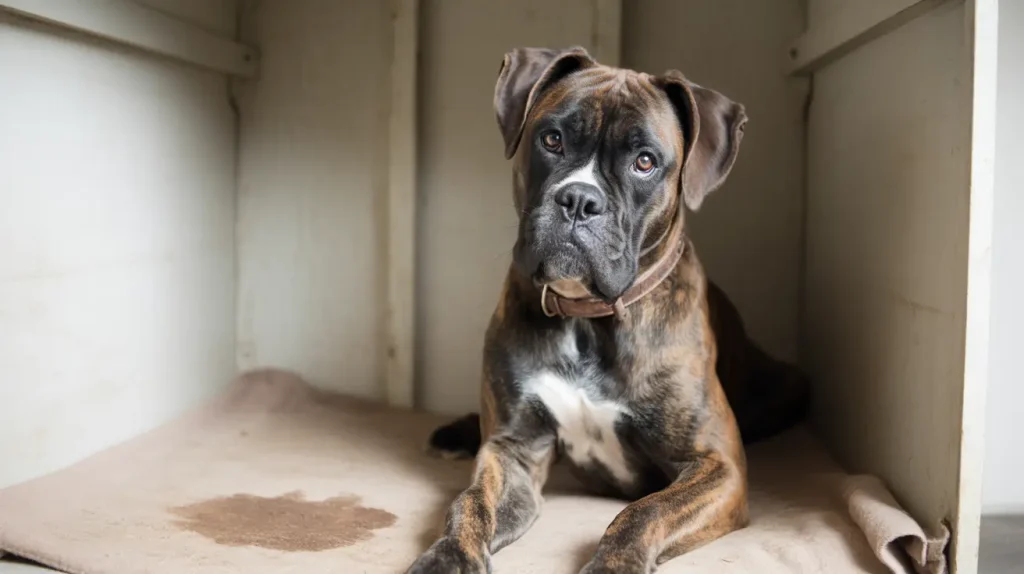
Have you ever found yourself wondering, “Why does my dog keep pooping in his crate?” It can be frustrating and confusing to see your furry friend making a mess in a place that’s supposed to be safe and clean.
You want your dog to feel comfortable and happy in his crate, but this behavior might be making you question what’s going wrong. Don’t worry—you’re not alone, and there are clear reasons behind this problem. Keep reading, and you’ll discover practical answers and simple steps to help your dog feel secure and keep his crate clean.
Common Reasons For Crate Pooping
Understanding why your dog keeps pooping in his crate is the first step toward solving the problem. There are several common reasons behind this behavior, and identifying the right one can help you address the issue effectively. Let’s break down the most frequent causes that you might be overlooking.
Health Issues
Sometimes, your dog’s crate accidents are signs of health problems. Conditions like gastrointestinal upset, parasites, or urinary tract infections can cause loss of control or urgency. If your dog’s behavior changes suddenly, a vet visit can rule out or confirm any medical concerns.
Anxiety And Stress
Dogs often associate their crate with safety, but stress can flip this feeling. Separation anxiety or fear can lead your dog to soil the crate as a response to emotional distress. Have you noticed if accidents happen mostly when you leave or during loud noises? Addressing anxiety with calming techniques or training can make a big difference.
Inadequate Potty Training
Crate pooping often happens when your dog hasn’t fully learned where to go. Puppies and newly adopted dogs especially need consistent potty training outside the crate. If you don’t take your dog out frequently enough or fail to reward good behavior, accidents are bound to happen.
Crate Size Problems
Is your dog’s crate too big or too small? A crate that’s too large gives your dog space to create a “bathroom corner.” On the other hand, a crate that’s too tight can cause discomfort and stress. Your dog should have enough room to stand, turn, and lie down comfortably, but not so much that they can avoid the sleeping area.
Lack Of Regular Bathroom Breaks
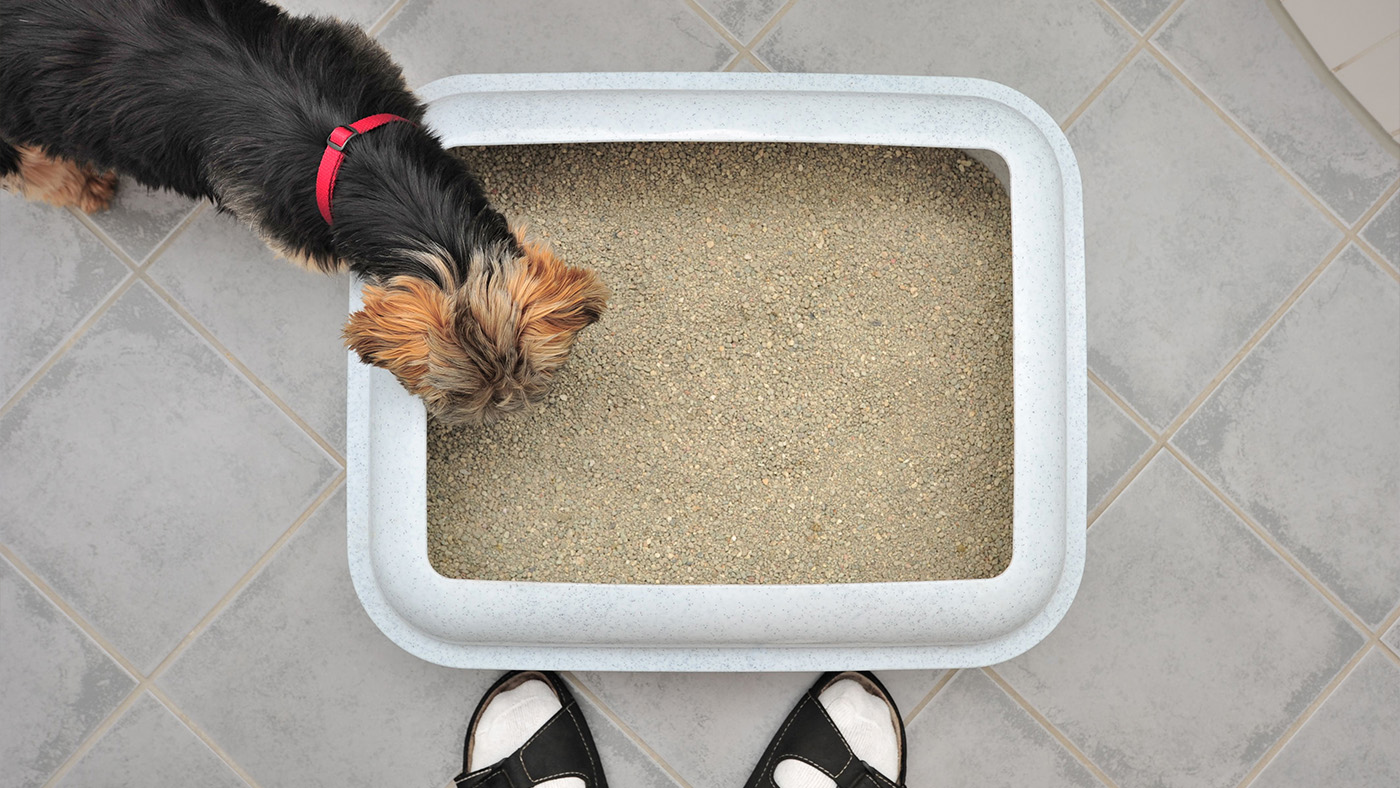
Dogs can only hold their bladder and bowels for so long, depending on age and health. Skipping regular bathroom breaks is a common reason for crate accidents. Are you giving your dog enough time outside to relieve themselves throughout the day? Setting a consistent schedule helps prevent accidents and keeps your dog comfortable.
Credit: www.petsradar.com
Health Concerns To Watch For
Health problems can cause a dog to poop in its crate. These issues affect digestion and comfort. Watch for signs that point to health concerns. Early detection helps your dog get the right care fast.
Digestive Disorders
Digestive issues often lead to accidents inside the crate. Conditions like upset stomach, food intolerance, or inflammatory bowel disease disrupt normal bowel habits. Your dog may strain or have loose stools. Pay attention to changes in appetite or energy too.
Infections
Infections in the gut or urinary tract can cause sudden potty problems. Bacterial or viral infections may cause diarrhea or frequent urges to eliminate. Watch for vomiting, fever, or lethargy. These signs indicate your dog needs a vet check.
Parasites
Parasites such as worms can upset your dog’s digestion. They cause diarrhea, weight loss, and discomfort. Look for signs like scooting, a bloated belly, or visible worms in stool. Parasite infestations require medical treatment to stop crate accidents.
Behavioral Causes
Understanding why your dog poops in his crate often leads us to explore behavioral causes. These actions are not just accidents but signals your dog sends when something is off emotionally or mentally. Recognizing these behaviors helps you address the root problem rather than just the symptom.
Separation Anxiety
Dogs with separation anxiety may soil their crate because they feel extreme distress when left alone. This behavior often surfaces suddenly after a change like a move or a new family member. If your dog whines, paws, or paces before pooping, anxiety could be the trigger.
Have you noticed your dog acting calmer after spending time with you? That’s a key sign anxiety is behind the crate accidents. To help, try gradually increasing alone time and rewarding calm behavior.
Fear And Stress Triggers
Fear can make a dog lose control of their bathroom habits. Loud noises, unfamiliar people, or other pets might stress your dog, causing them to poop in the crate. Your dog’s crate should feel like a safe haven, but if it’s associated with punishment or confinement, fear can build up.
Watch for subtle signs like trembling or avoidance. Adjusting the crate environment and using positive reinforcement can reduce stress. Could your dog’s crate setup be unintentionally causing fear?
Marking Territory
Marking territory isn’t just a behavior seen outside; dogs sometimes mark inside their crates too. This can happen if they feel their space is being invaded or if they want to assert dominance. It’s more common in unneutered males but can occur in any dog under stress.
Check if your dog’s crate is near other pets or high-traffic areas. Moving the crate or increasing supervision might stop this behavior. Ask yourself: is your dog trying to communicate ownership through this action?
Credit: pethelpful.com
Improving Crate Training
If your furry friend is having accidents in the crate, it might be time to revisit your crate training approach. Crate training is a vital part of raising a well-behaved dog, but it requires patience and consistency. Let’s dive into some effective strategies to enhance your dog's crate training experience.
Choosing The Right Crate Size
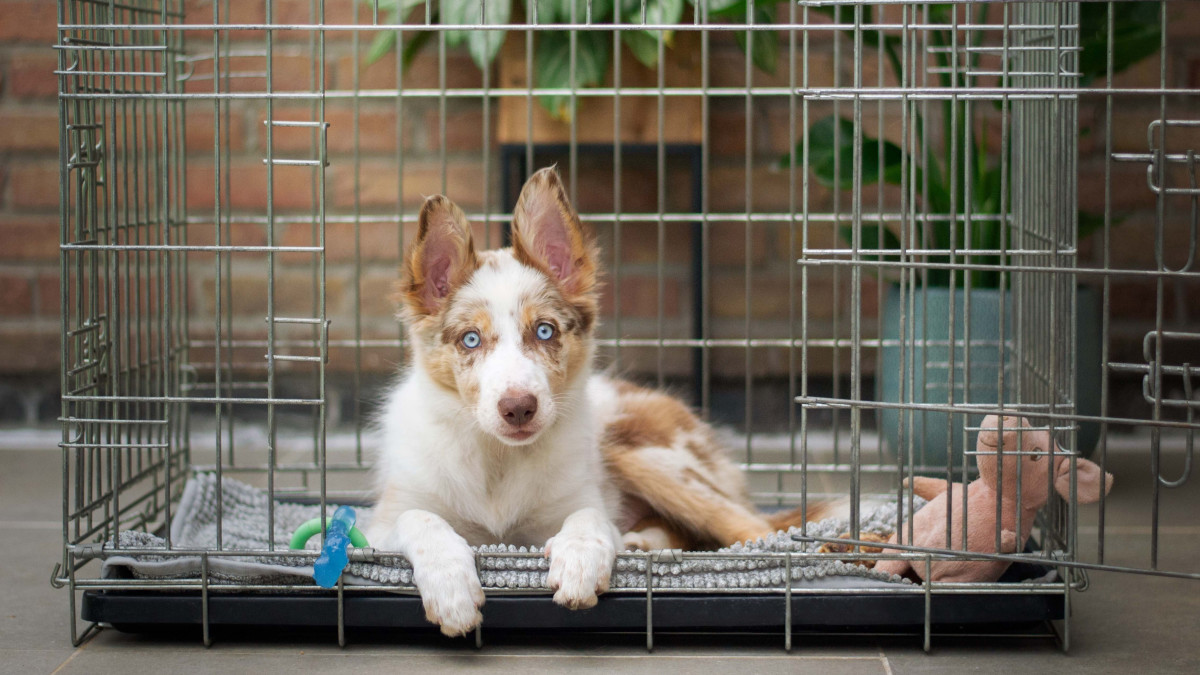
The size of the crate plays a crucial role in successful crate training. A crate should be large enough for your dog to stand, turn around, and lie down comfortably. However, if it’s too big, your dog might designate one corner as a bathroom area, defeating the purpose of the crate.
Consider your dog’s adult size when selecting a crate, especially if you have a growing puppy. Many crates come with dividers, allowing you to adjust the space as your puppy grows. Ensuring the right fit helps create a safe and secure environment for your dog.
Establishing A Consistent Routine
Dogs thrive on routine, and establishing a consistent schedule can prevent crate accidents. Regular feeding times, outdoor potty breaks, and crate time help set clear expectations for your dog. By keeping a predictable routine, your dog will learn when it’s time to eliminate and when it’s time to relax in the crate.
Take your dog out for a potty break right before crating them and immediately after letting them out. Consistency in timing and actions will reinforce the idea that the crate is not a bathroom.
Positive Reinforcement Techniques
Positive reinforcement can work wonders in crate training. Reward your dog with treats, praise, or playtime when they exhibit good behavior in the crate. This encourages them to associate the crate with positive experiences.
Instead of scolding your dog for accidents, focus on celebrating successes. This positive approach builds trust and encourages your dog to repeat good behavior. You might find that your dog starts to view the crate as a place of comfort and reward.
Gradual Crate Introduction
Introducing your dog to the crate should be a gradual process. Start by allowing your dog to explore the crate with the door open, letting them enter and exit freely. Place their favorite toy or a treat inside to make it inviting.
Once your dog is comfortable, begin closing the door for short periods while staying nearby. Gradually increase the time your dog spends in the crate, ensuring they’re relaxed and comfortable. Patience is key; rushing the process can lead to anxiety and setbacks.
Have you ever wondered why some dogs take to crate training so easily, while others struggle? Every dog is unique, and understanding their individual needs is essential in improving your crate training efforts.
Managing Bathroom Breaks
Managing bathroom breaks is key to stopping your dog from pooping in the crate. Dogs need regular chances to relieve themselves. Without proper timing, accidents happen more often. Setting up a good bathroom routine helps your dog learn where to go.
Scheduling Frequent Potty Times
Dogs, especially puppies, have small bladders and need frequent breaks. Try taking your dog outside:
- Right after waking up
- After meals
- Before bedtime
- Every 2 to 3 hours during the day
Consistent timing helps your dog understand when and where to go. This reduces crate accidents and builds good habits.
Recognizing Bathroom Signals
Dogs often show signs before needing to go out. Watch for:
- Sniffing around
- Circling or pacing
- Whining or scratching near the door
Learning these signs lets you act quickly. Promptly taking your dog outside prevents accidents inside the crate.
Using Crate As A Safe Space, Not A Punishment
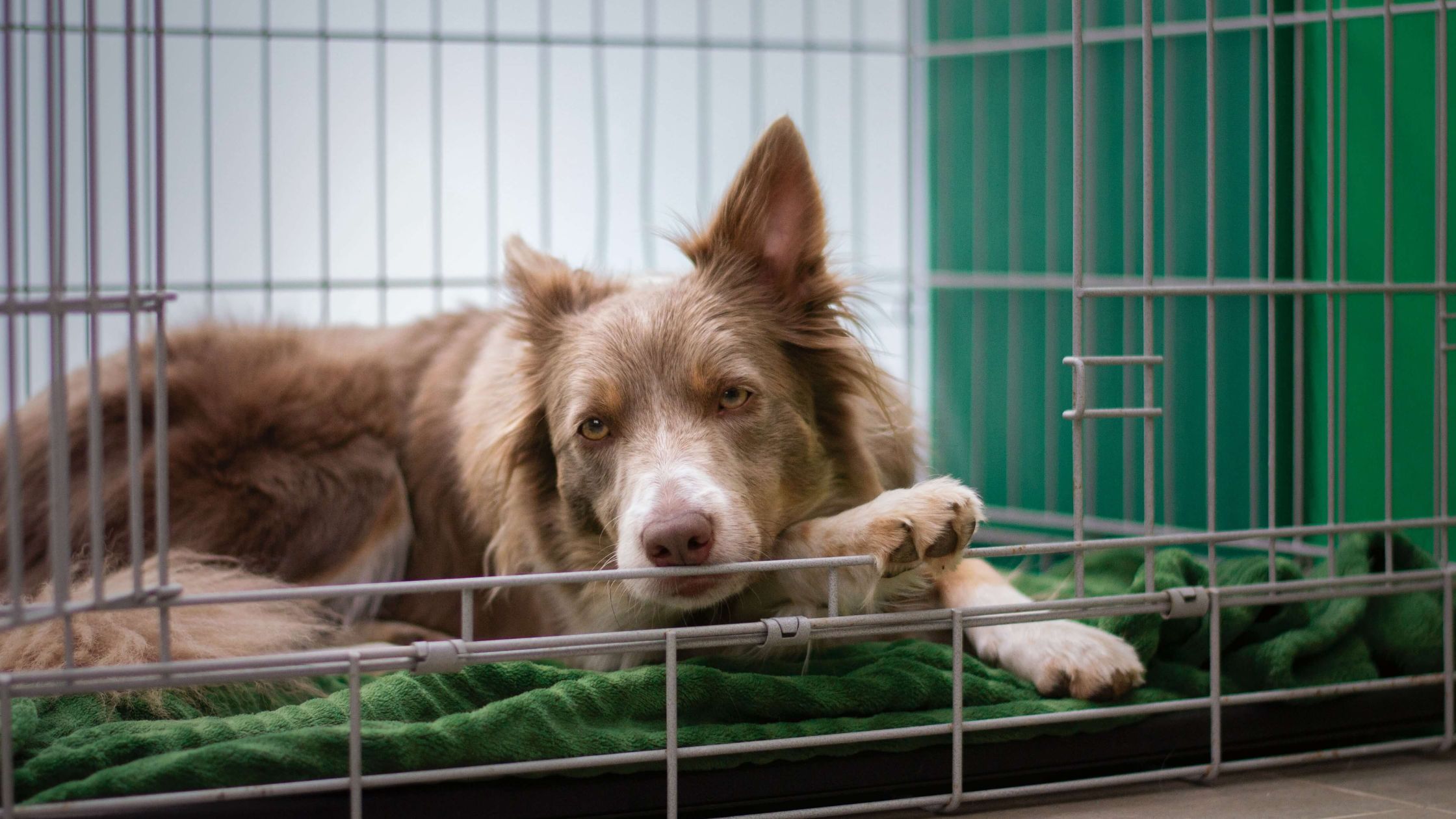
The crate should feel like a cozy den, not a place for punishment. Keep it comfortable with soft bedding and toys. Praise your dog for calm behavior inside the crate.
Never use the crate as a timeout for bad behavior. This helps your dog associate the crate with safety, not fear or stress.
Credit: propelbikes.com
When To Consult A Veterinarian
Knowing when to consult a veterinarian is important if your dog keeps pooping in his crate. Some problems need professional help beyond training or behavior changes. Early advice can prevent bigger health or behavior issues.
Watch your dog closely. If accidents continue despite your efforts, a vet visit might be necessary. They can check for hidden health problems or suggest the right therapy.
Persistent Accidents Despite Training
Accidents in the crate after proper training signal a deeper issue. Persistent soiling can stress both you and your dog. A vet can help identify causes and guide solutions. Don’t ignore ongoing problems that disrupt daily life.
Signs Of Medical Issues
Medical problems often cause crate pooping. Look for symptoms like:
- Diarrhea or constipation
- Straining or pain when pooping
- Increased thirst or urination
- Loss of appetite or weight loss
- Vomiting or lethargy
These signs need prompt veterinary attention. Untreated health issues worsen over time.
Behavioral Therapy Options
Sometimes, crate pooping stems from anxiety or stress. Vets can recommend behavioral therapy or refer you to a specialist. Treatment may include:
- Desensitization exercises
- Positive reinforcement training
- Environmental changes to reduce stress
- Medications to ease anxiety
Professional support improves your dog’s comfort and crate habits.
Frequently Asked Questions
Why Does My Dog Poop In His Crate Frequently?
Dogs may poop in crates due to anxiety, discomfort, or lack of proper training. Crates should be cozy and clean. Frequent accidents may signal health issues or that the dog needs more bathroom breaks outside.
How Can I Stop My Dog From Pooping In The Crate?
Increase bathroom breaks and monitor feeding times. Use positive reinforcement to reward clean crate behavior. Ensure the crate is the right size—too big encourages accidents. Consult a vet if problems persist to rule out medical causes.
Is Crate Pooping A Sign Of Separation Anxiety?
Yes, dogs with separation anxiety often eliminate in crates. Stress causes loss of bladder and bowel control. Address anxiety through gradual crate training, exercise, and possibly behavior therapy to reduce stress and improve crate habits.
Can Medical Issues Cause Crate Pooping In Dogs?
Yes, digestive problems, infections, or urinary issues can lead to crate accidents. If your dog suddenly starts pooping in the crate, consult a vet for diagnosis and treatment. Early intervention helps prevent worsening symptoms.
Conclusion
Your dog pooping in the crate can feel frustrating and confusing. Often, it happens because of stress, illness, or lack of proper training. Watching your dog’s habits closely helps find the cause faster. Consistency with bathroom breaks and crate time makes a big difference.
Patience and gentle care build trust and good behavior. Keep your dog comfortable and clean to prevent accidents. Small steps lead to better crate manners over time. Understanding your dog’s needs brings peace for both of you. Stay calm and keep trying—you will see progress soon.

Emily Barker is the founder of ChillDogLife.com, a space dedicated to helping pup parents discover the best dog products, lifestyle tips, and cozy ideas for happier homes.
A lifelong dog lover, Emily combines her passion for pets with a knack for research to share trusted recommendations on everything from toys and furniture to health and everyday care.
Her goal is simple: to make life easier, stylish, and more joyful for dogs and the people who love them.




