Have you ever wondered if your dog can get bed bugs? If you’ve noticed unexplained itching or small bites on your furry friend, it’s natural to worry.
Bed bugs are known for causing discomfort in homes, but can they actually infest your dog? Understanding how these pests interact with your pet is crucial to keeping both your dog and your home safe. Keep reading to find out the truth about bed bugs and dogs, and what you can do to protect your best friend.
Credit: www.msn.com
Bed Bugs And Dogs
Bed bugs and dogs share a complicated relationship that many pet owners don’t fully understand. While these tiny pests are notorious for invading human spaces, you might wonder if your furry friend can also become a target. Understanding how bed bugs interact with dogs can help you protect your pet and home more effectively.
What Are Bed Bugs?
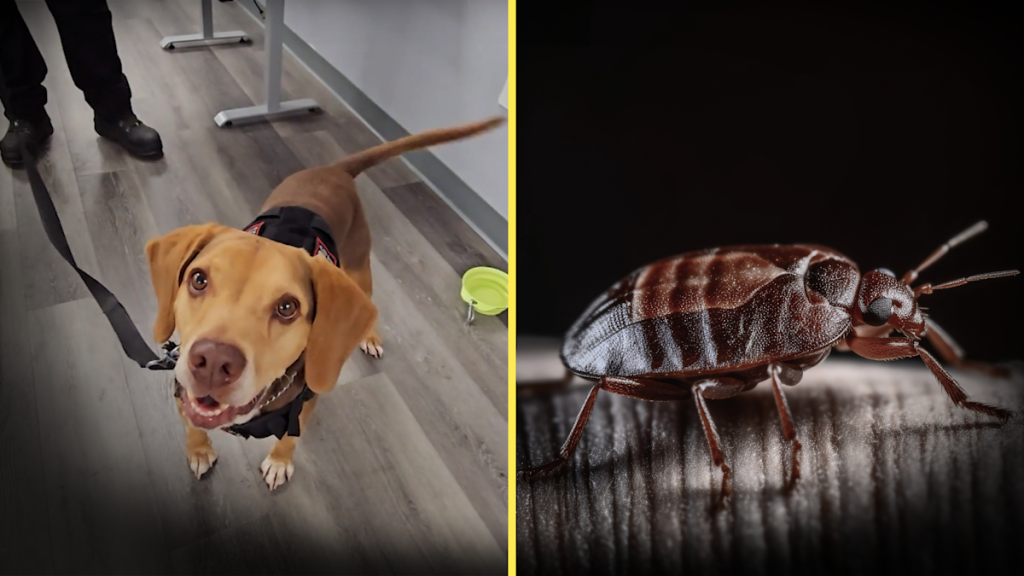
Bed bugs are small, reddish-brown insects that feed on blood. They are about the size of an apple seed, making them hard to spot at first glance. These pests prefer hiding in cracks and crevices close to where people or animals sleep.
Unlike fleas or ticks, bed bugs don’t live on dogs permanently. Instead, they hide nearby and come out mainly at night. This behavior makes them a hidden nuisance rather than a constant companion to your pet.
How Bed Bugs Feed
Bed bugs feed by piercing the skin and drawing blood through a tube-like mouthpart. They inject a small amount of saliva that contains anesthetic and anticoagulant properties, which is why their bites often go unnoticed at first. This feeding process usually takes about 3 to 10 minutes.
Interestingly, bed bugs prefer human blood but will feed on dogs if humans aren’t available. If you notice your dog scratching or biting certain spots, it could be a sign of bed bug bites. Have you ever checked your dog's bedding carefully for tiny dark spots or shed skins?

Credit: www.randrmagonline.com
Can Dogs Get Bed Bugs?
Many pet owners wonder if their dogs can get bed bugs. Bed bugs are small, blood-sucking insects. They commonly infest beds and furniture. People often worry about their pets’ safety. Dogs are beloved family members, after all. Understanding bed bugs’ behavior helps keep pets safe and healthy.
Bed Bugs’ Preference For Hosts
Bed bugs prefer human hosts. Their flat bodies make it easy to hide in mattresses. They come out at night to feed. While they can bite animals, they choose humans first. Dogs do not attract bed bugs. But they can carry them from one place to another.
Symptoms Of Bed Bug Bites On Dogs
Bed bug bites on dogs can cause irritation. Dogs may scratch or lick bites often. Red bumps or welts can appear on their skin. Some dogs may have allergic reactions. Watch for signs of discomfort. If symptoms persist, visit a veterinarian. They can provide proper treatment and advice.
Risks To Dogs From Bed Bugs
Bed bugs are more than just a nuisance for your home—they can pose real risks to your dog’s health. While these tiny pests primarily feed on human blood, dogs can get bitten too, leading to discomfort and potential health issues. Understanding these risks helps you act quickly if your furry friend ever falls victim to bed bugs.
Allergic Reactions
Some dogs can develop allergic reactions to bed bug bites. These reactions may show up as intense itching, redness, and swelling around the bite areas. If you notice your dog scratching or licking a particular spot more than usual, bed bugs could be the hidden cause.
In severe cases, allergic reactions can cause hives or even breathing difficulties. Have you ever seen your dog suddenly become restless or agitated without a clear reason? It might be their way of telling you they’re uncomfortable due to bites.
Secondary Infections
When dogs scratch or bite the irritated skin, they risk creating open wounds. These wounds can easily get infected by bacteria, leading to secondary infections that need veterinary treatment. A simple bite can turn into a painful skin infection if not addressed early.
Watch for signs like oozing sores, increased redness, or swelling around your dog’s skin. These symptoms are red flags indicating that an infection may be developing. How often do you check your dog’s skin for unusual spots or wounds after a night spent in a bed bug-prone area?

Credit: droguerie-naturelle.fr
Preventing Bed Bug Infestation
Preventing a bed bug infestation is crucial not just for your comfort but also for your pet’s well-being. Bed bugs can hitch a ride on your dog’s fur or bedding, making early prevention your best defense. You don’t have to live in fear of these pests if you maintain good habits and stay vigilant.
Cleaning And Hygiene Tips
Regular cleaning is your first line of defense. Vacuum your home thoroughly, paying special attention to areas where your dog spends most of its time. Don’t forget to clean cracks and crevices where bed bugs love to hide.
Wash your dog’s bedding and toys in hot water frequently. High temperatures kill bed bugs and their eggs effectively. Dry items on the highest heat setting for at least 30 minutes to ensure no survivors.
Inspect your dog’s fur regularly, especially after outdoor play or trips. A quick check can help you spot any unwanted guests early. Would you want to wait until you see bites before acting?
Protecting Dog Bedding
Choose bedding made from materials that can be easily washed and dried at high temperatures. Avoid bulky or layered bedding that makes it harder to detect bed bugs. Using zippered covers designed to be bed bug-proof can add extra protection.
Place your dog’s bed away from walls and furniture to limit bed bugs’ access. Elevating the bed on legs also reduces the chance of infestation. Think about how often you clean under and around your dog’s bed—could this be a hidden risk?
Consider using natural repellents safe for pets, such as diatomaceous earth, around bedding areas. This can discourage bed bugs without harming your furry friend. Always check with your vet before trying new treatments.
Treating Bed Bug Bites On Dogs
Treating bed bug bites on dogs requires careful attention to ease discomfort and prevent infection. These bites can cause itching, redness, and swelling. Prompt care helps your dog feel better quickly and avoids further skin problems.
Home Remedies
Several simple remedies can soothe your dog’s bite symptoms at home. Clean the affected area with mild soap and warm water. This helps remove irritants and lowers infection risk.
- Apply a cold compress to reduce swelling and itchiness.
- Use aloe vera gel for its cooling and healing properties.
- Apply an oatmeal paste to calm irritated skin.
- Use a mild, dog-safe hydrocortisone cream to ease itching.
Make sure your dog does not lick or scratch the bites. Use an Elizabethan collar if needed to prevent further irritation.
When To See A Vet
Visit a veterinarian if your dog’s bites worsen or do not improve. Seek help if you notice:
- Persistent redness or swelling
- Signs of infection like pus or foul smell
- Excessive scratching or biting at the skin
- Changes in behavior or appetite
- Allergic reactions such as difficulty breathing
The vet may prescribe medication to reduce itching and fight infections. Early professional care ensures your dog recovers quickly and safely.
Bed Bug Control In The Home
Bed bugs can hide in many places around the home. They often stay close to where people and pets rest. Controlling these pests is important to keep everyone safe and comfortable. Using the right methods can stop bed bugs from spreading and reduce bites.
Professional Pest Control Options
Experts use strong treatments to remove bed bugs quickly. They inspect all rooms carefully and treat areas where bugs hide. Treatments may include heat, sprays, or fumigation. Professionals know how to reach bugs in hard places. They also offer advice to prevent future problems. This service is effective but can cost more than DIY methods.
Diy Treatment Methods
Many people try to control bed bugs on their own. Cleaning bedding and vacuuming often can help reduce bugs. Washing clothes and sheets in hot water kills bugs and eggs. Some use sprays or powders from stores. These products can work but need careful use. Sealing cracks and using mattress covers also help. Regular checks and cleaning are key to success.
Frequently Asked Questions
Can Dogs Get Bed Bugs From Humans?
Yes, dogs can carry bed bugs but are not their hosts. Bed bugs feed on human blood, not dog blood. Dogs may bring bed bugs into your home on their fur. Regularly check your dog and living areas to prevent infestations.
Do Bed Bugs Bite Dogs And Cause Irritation?
Bed bugs rarely bite dogs, as they prefer human hosts. However, bites can cause mild irritation or allergic reactions in some dogs. If your dog shows itching or redness, consult a vet to rule out other parasites or skin conditions.
How To Identify Bed Bug Bites On Dogs?
Bed bug bites on dogs appear as small red bumps or welts. These bites may cause itching or discomfort. Unlike fleas, bed bugs tend to bite in clusters. Monitor your dog’s skin for unusual marks, especially after sleeping in infested areas.
Can Bed Bugs Infest A Dog’s Bedding?
Yes, bed bugs can infest a dog’s bedding if the area is close to human infestations. They hide in seams and folds of fabric. Wash and vacuum pet bedding regularly to reduce the risk of bed bug presence.
Conclusion
Dogs can get bed bugs, but it is quite rare. Bed bugs prefer humans over pets for feeding. Still, they may bite dogs if no humans are nearby. Watch your dog for itching or small red bumps. Keep your home clean to avoid bed bug problems.
Regularly check your dog’s bedding and sleeping areas. Treat any bites quickly to keep your dog comfortable. Protect your pet and home with good hygiene habits. Staying informed helps you keep your dog safe and happy.

Emily Barker is the founder of ChillDogLife.com, a space dedicated to helping pup parents discover the best dog products, lifestyle tips, and cozy ideas for happier homes.
A lifelong dog lover, Emily combines her passion for pets with a knack for research to share trusted recommendations on everything from toys and furniture to health and everyday care.
Her goal is simple: to make life easier, stylish, and more joyful for dogs and the people who love them.




