
Is your dog peeing on your bed, leaving you frustrated and confused? You’re not alone.
When your furry friend suddenly starts this behavior, it can feel like a mystery you need to solve fast. Understanding why your dog is doing this is the first step to stopping it for good. You’ll discover the surprising reasons behind this habit and learn simple, effective ways to protect your bed and strengthen your bond with your pet.
Keep reading—your bed (and your dog) will thank you.

Credit: rockykanaka.com
Common Causes Of Bed Urination
Discovering your dog peeing on your bed can be frustrating and confusing. Understanding why this happens is the first step to fixing it. Several common causes can lead to bed urination, ranging from health issues to emotional triggers.
Medical Issues
Health problems can make it hard for your dog to control their bladder. Urinary tract infections, bladder stones, or kidney disease often cause frequent urination or accidents. If your dog suddenly starts peeing on the bed, a vet visit is essential to rule out medical causes.
Older dogs might also face incontinence due to aging or hormonal changes. Sometimes, medications can affect bladder control too. Ignoring these signs can lead to more accidents and discomfort for your pet.
Behavioral Problems
Dogs may urinate on your bed because of learned behavior or confusion about where it’s appropriate to go. If accidents happen after a change in routine or environment, your dog might be unsure about bathroom rules. Inconsistent training or lack of clear boundaries often contribute to this issue.
Sometimes, dogs use urination as a way to get attention or express frustration. Have you noticed if your dog only pees on the bed when you’re busy or away? This behavior can be modified with proper training and patience.
Anxiety And Stress
Stressful situations can cause your dog to lose bladder control. Changes like moving to a new home, a new family member, or loud noises might trigger anxiety. Your dog may see your bed as a safe spot and urinate there when feeling insecure.
Separation anxiety is a common culprit. If your dog pees on the bed mainly when you’re not around, they might be trying to cope with loneliness. Creating a calm environment and using anxiety-reducing techniques can help.
Marking Territory
Marking is a natural behavior, especially in unneutered dogs, to claim their space. Your bed smells like you, which might encourage your dog to mark it with their scent. This behavior is more about communication than a bathroom accident.
Even neutered dogs sometimes mark when feeling threatened by other animals or changes in their environment. If marking is the issue, addressing social and environmental triggers can reduce the behavior.
Medical Conditions To Watch For
Frequent bed peeing in dogs may signal health problems like urinary tract infections or bladder issues. Watching for symptoms such as discomfort or frequent urination helps identify these conditions early. A vet visit can provide a clear diagnosis and proper treatment.
Understanding why your dog keeps peeing on your bed can be challenging. It’s important to consider medical conditions that may be contributing to this behavior. Your furry friend might not be acting out of spite; instead, they could be trying to tell you something about their health. Paying attention to these potential medical issues can lead to a healthier and happier life for both you and your dog.Urinary Tract Infections
Dogs can suffer from urinary tract infections (UTIs), just like humans. If your dog is suddenly urinating more frequently or having accidents, a UTI might be the culprit. A visit to the vet can confirm this, and antibiotics often clear it up quickly. Have you noticed any changes in your dog’s urination habits recently?Bladder Stones
Bladder stones are another possible cause of your dog’s bed-wetting. These painful stones can block the urinary tract, making it difficult for your dog to control their bladder. Look for signs of discomfort, such as straining or blood in the urine. If you suspect bladder stones, a vet visit is essential.Diabetes
Diabetes can lead to increased thirst and urination in dogs. If your dog seems to be drinking more water than usual and having more accidents, diabetes could be the reason. Managing your dog’s diet and insulin levels can significantly improve their quality of life. Have you noticed any changes in your dog’s drinking habits?Age-related Incontinence
As dogs age, they may experience incontinence due to weakening bladder muscles. This is more common in older dogs and can be frustrating for both of you. Simple lifestyle adjustments and medication can often help manage the symptoms. Are you noticing your senior dog struggling more with bladder control? Regular check-ups and being observant of changes in your dog's behavior are key. Remember, your dog relies on you to keep them healthy and comfortable. If you suspect any of these medical conditions, a quick vet visit could make all the difference.Behavioral Triggers
Understanding the behavioral triggers behind your dog peeing on your bed is key to solving the problem. Dogs don’t usually urinate on beds just to be difficult. Often, their actions are a way to communicate or respond to their environment. Identifying these triggers can help you address the root cause effectively.
Lack Of House Training
If your dog hasn’t been fully house-trained, your bed might become an unintended bathroom spot. Puppies and newly adopted dogs especially need clear guidance on where to go. Without consistent training, they may not understand that the bed is off-limits.
Think about how often you remind your dog about bathroom rules and whether those reminders are clear and consistent. Have you set a routine that helps your dog learn where it’s okay to pee? Sometimes a quick refresher in house training can make a big difference.
Seeking Attention
Dogs quickly learn how to get your attention, even if it means doing something you don’t like. Peeing on the bed might be your dog’s way of saying, “Look at me!” especially if they feel ignored. Even negative attention is better than no attention in their eyes.
Reflect on your daily interactions. Are you spending enough quality time with your dog? Increasing playtime or cuddles might reduce this behavior. Could your dog be testing boundaries because they feel lonely or bored?
Separation Anxiety
Separation anxiety can cause dogs to act out in ways that seem puzzling. Urinating on your bed might be a stress response when you leave the room or house. Your bed smells like you, so your dog might pee there to comfort themselves or mark their territory.
Have you noticed other signs of anxiety, like barking or destructive chewing? Providing a safe space and using calming techniques can help. Would using a crate or leaving a piece of your clothing nearby make your dog feel less anxious?
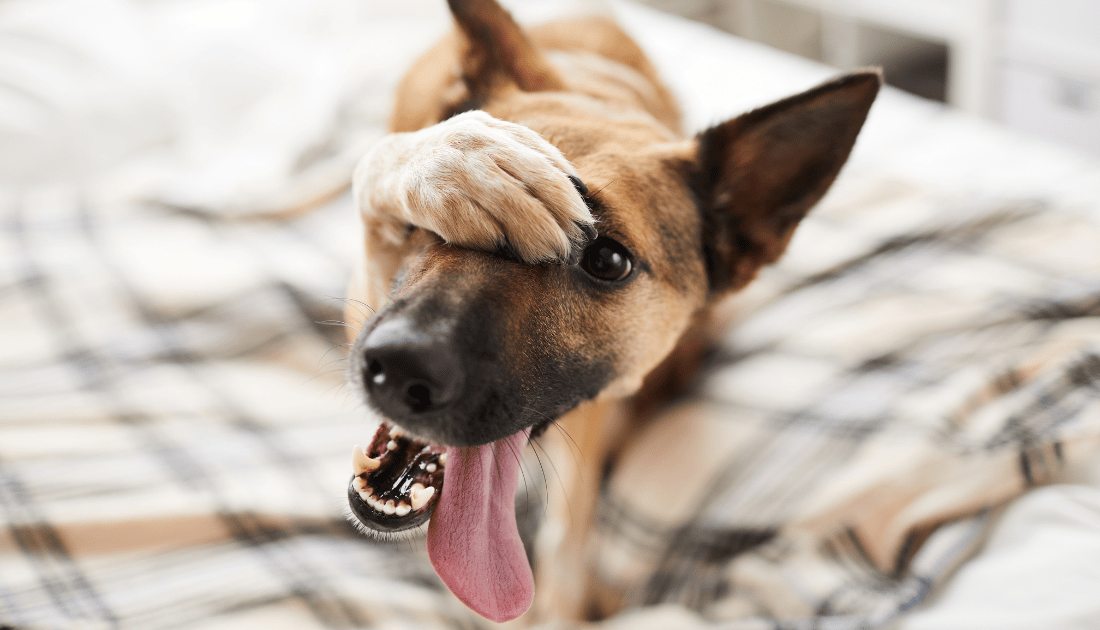
Credit: rockykanaka.com
Environmental Factors
Environmental factors can strongly affect your dog’s behavior, including urinating on your bed. Dogs react to changes around them. These changes can cause confusion or anxiety, leading to accidents indoors. Understanding these triggers helps manage and reduce unwanted peeing.
Changes In Routine
Dogs thrive on routine. Feeding, walking, and playtime at regular hours keep them calm. Sudden changes disrupt their sense of security. Skipping walks or feeding late can stress your dog. This stress might show up as peeing on your bed. Keeping a consistent schedule helps your dog feel safe.
New Pets Or Family Members
Introducing new pets or people changes your dog’s environment. Your dog may feel threatened or jealous. This can cause marking behavior, including on your bed. Your dog may want to claim territory or seek attention. Gradual introductions and positive reinforcement ease this adjustment.
Stressful Surroundings
Loud noises, visitors, or unfamiliar places can stress your dog. Stress often leads to accidents inside the home. Your dog’s bed or your bed might become a target for peeing. Creating a calm space with familiar toys and scents can reduce stress. A relaxed dog is less likely to have accidents.
Steps To Prevent Bed Urination
Dealing with a dog that keeps peeing on your bed can be frustrating and confusing. The good news is there are clear steps you can take to stop this behavior. Addressing the issue requires understanding your dog’s needs and adjusting your approach thoughtfully.
Veterinary Checkup
First, rule out any medical issues by taking your dog to the vet. Urinary tract infections or bladder problems can cause sudden accidents. A quick checkup can save you hours of stress and ensure your dog is healthy.
Have you noticed any other signs like frequent urination or discomfort? These clues can help your vet diagnose the problem faster.
Reinforce Training
Sometimes your dog needs a refresher on where it’s appropriate to go. Take your dog outside regularly, especially after meals or naps. Reward them immediately when they pee in the right spot.
Using consistent commands and patience helps your dog understand your expectations. Avoid punishment—it can confuse your dog and make the problem worse.
Create A Calm Environment
Stress often triggers unwanted urination. Try to keep your dog’s surroundings calm and stable. Establish a quiet sleeping area away from the bed to make your dog feel secure.
Think about what might be causing your dog anxiety. Has there been a change in routine or new visitors? Addressing these issues can reduce stress-related accidents.
Use Deterrents And Cleaning Tips
Prevent repeat accidents by cleaning soiled areas thoroughly with enzymatic cleaners. This removes smells that encourage your dog to pee there again. Avoid ammonia-based cleaners because they mimic urine scent.
You can also use pet-safe deterrent sprays on your bed or cover it with a waterproof sheet. Sometimes placing a crate or playpen nearby helps your dog resist the urge by limiting access.

Credit: www.petscare.com
Frequently Asked Questions
Why Does My Dog Pee On My Bed Repeatedly?
Dogs often pee on beds due to stress, marking territory, or medical issues. Identifying the cause helps address the behavior effectively.
Can Medical Problems Cause Bed Peeing In Dogs?
Yes, urinary tract infections or bladder issues can make dogs urinate indoors, including on beds. A vet check is essential.
How Can I Stop My Dog From Peeing On My Bed?
Clean the bed thoroughly, restrict access, and train your dog with positive reinforcement. Consult a vet if needed.
Is Anxiety A Reason For Dogs Peeing On Beds?
Yes, anxiety or separation stress can cause dogs to urinate on beds as a coping mechanism.
Conclusion
A dog peeing on your bed can be frustrating and confusing. It often signals a health issue, stress, or a need for training. Watch your dog’s behavior closely and consider a vet visit. Clean the bedding well to remove smells.
Give your dog a clear routine and praise good habits. Patience and care help solve this problem over time. Your dog wants to feel safe and loved. Understanding the cause is the first step to a happy home.

Emily Barker is the founder of ChillDogLife.com, a space dedicated to helping pup parents discover the best dog products, lifestyle tips, and cozy ideas for happier homes.
A lifelong dog lover, Emily combines her passion for pets with a knack for research to share trusted recommendations on everything from toys and furniture to health and everyday care.
Her goal is simple: to make life easier, stylish, and more joyful for dogs and the people who love them.




