
If you have a dog, you’ve probably wondered: how long should your furry friend stay in a crate? It’s a common question, and getting the answer right is important for your dog’s happiness and health.
Too much time in a crate can make your dog anxious or restless, while too little might not give them the safe space they need. You’ll discover the ideal crate times that keep your dog comfortable, calm, and well-behaved. Keep reading to learn how to make crate time work best for both you and your dog.
Benefits Of Crate Training
Crate training offers many benefits for both dogs and their owners. It creates a controlled environment that helps dogs feel secure. This training method supports good behavior and strengthens the bond between pets and owners. Dogs learn to relax and stay calm in their own space.
Creating A Safe Space
A crate becomes a safe haven for your dog. It offers a quiet spot away from noise and distractions. Dogs naturally seek small, cozy areas to rest. The crate mimics this natural den, giving them comfort. This safe space helps reduce stress and promotes better sleep.
Supporting House Training
Crate training speeds up housebreaking. Dogs avoid soiling their sleeping area, helping them hold their bladder. It teaches them to recognize when it is time to go outside. Using a crate reduces accidents inside the house. This method builds good bathroom habits quickly.
Reducing Anxiety
Many dogs feel calm inside their crate. It provides a familiar space during travel or visits to new places. Crates help reduce separation anxiety by giving dogs a place to relax alone. The crate acts as a safe zone during loud noises, like fireworks. This training lowers stress and prevents destructive behavior.

Credit: carlsonpetproducts.com
Factors Influencing Crate Time
Determining the right crate time for your dog involves many factors. Each dog is unique, requiring attention to specific needs and characteristics. Understanding these factors helps in providing a safe and comfortable environment for your pet.
Age And Breed Considerations
Puppies generally need more breaks than adult dogs. They can’t hold their bladder for long. A general rule is their age in months plus one. That’s how many hours they can stay in a crate. Breed also plays a role. Some breeds are more independent and handle crate time better. Others need more interaction and shorter crate periods.
Activity Level And Energy
High-energy dogs require more exercise outside the crate. Short bursts of energy mean they need frequent breaks. Less active dogs might tolerate longer crate times. But they still need regular exercise for overall health. Ensure your dog gets enough play and walk time daily.
Health And Behavior
Health issues can affect crate time. Dogs with medical conditions may need more frequent breaks. Behavioral problems can also influence how long they can stay in a crate. Anxiety or fear might mean shorter periods. Monitor your dog’s behavior in the crate. Adjust time as needed for their well-being.
Recommended Crate Duration By Age
Knowing how long your dog should stay in a crate depends heavily on their age. Different life stages come with different needs and energy levels. Let’s break down the recommended crate durations by age to help you provide the best care for your furry friend.
Puppies And Young Dogs
Puppies have limited bladder control and need frequent breaks. Generally, a puppy can stay in a crate for about one hour per month of age, up to a maximum of four hours.
For example, a three-month-old puppy should not be crated for more than three hours at a time. Too long in the crate can cause stress and accidents, so plan frequent potty breaks and play sessions.
Young dogs are bursting with energy and curiosity. Crating them for too long without mental stimulation can lead to destructive behavior when they are out.
Adult Dogs
Adult dogs can usually handle longer crate times, typically between 4 to 6 hours during the day. This depends on their activity level and how well they are trained to be alone.
Some active breeds might get restless if crated too long, so consider their individual needs. You can use crate time for rest, but make sure they get plenty of exercise and attention outside.
Have you noticed your dog getting anxious or restless in the crate? Adjusting crate time or adding toys might help keep them calm.
Senior Dogs
Senior dogs often have different requirements due to health issues or decreased bladder control. They usually need more frequent breaks and shorter crate periods.
Crating a senior dog for more than 3 to 4 hours might cause discomfort or anxiety. Keep an eye on their behavior and adjust crate time accordingly.
Sometimes, a soft bed or blanket inside the crate can make it more comfortable. How does your senior dog react to crate time? Small tweaks can make a big difference in their comfort.
Credit: www.somerzby.com.au
Signs Your Dog Needs A Break
Dogs need breaks from their crates to stay happy and healthy. Watch for signs that show your dog feels stressed or uncomfortable. These signals tell you it is time to let your dog out.
Restlessness And Whining
Your dog may move around a lot inside the crate. Pacing or shifting position often shows restlessness. Whining or soft barking is a clear call for attention. These behaviors mean your dog needs a break soon.
Chewing And Barking
Chewing on the crate bars or bedding is a sign of frustration. Loud barking or howling can mean your dog feels trapped. These actions show that the crate time is too long and needs to end.
Physical Discomfort
Look for signs like panting, drooling, or scratching inside the crate. Your dog might try to stretch or shift to find comfort. These signs tell you the crate is causing discomfort and a pause is needed.
Tips For Safe And Comfortable Crating
Creating a safe and comfortable environment in your dog's crate is essential for their well-being and your peace of mind. The right setup can turn the crate into a cozy retreat rather than a place of confinement. Let’s look at key tips that help you make crating a positive experience for your dog.
Choosing The Right Crate Size
Your dog’s crate should be just big enough for them to stand, turn around, and lie down comfortably. Too large a crate can make your dog feel insecure, while too small one can cause discomfort. Measure your dog from nose to tail and add a few inches to find the perfect size.
Think about your dog’s growth if they’re a puppy. You might want a crate with a divider panel to adjust the space as they grow. This saves you money and keeps your pup cozy throughout their development.
Adding Comfort And Toys
Adding a soft bed or blanket makes the crate inviting and warm. Avoid thick, fluffy bedding for puppies who might chew and swallow pieces. Instead, use easy-to-clean mats that provide cushion without risk.
Toys can keep your dog entertained and reduce anxiety. Choose safe, durable toys like chew bones or puzzle toys that match your dog’s chewing style. Rotate toys regularly to keep your dog curious and engaged.
Establishing A Routine
Dogs thrive on predictability. Try to crate your dog at consistent times each day to build a sense of security. Use positive reinforcement like treats or gentle praise to associate the crate with good experiences.
Ask yourself: Is the crate part of your dog’s daily routine or an occasional space? Regular, short crate sessions help your dog adjust better than long, sporadic periods. This balance prevents stress and keeps your dog comfortable inside their crate.
Alternatives To Extended Crating
Keeping a dog in a crate for too long can cause stress and discomfort. Dogs need variety and space to move freely. There are several alternatives to extended crating that help keep your dog happy and healthy. These options support your dog’s mental and physical needs.
Exercise And Playtime
Exercise is essential for your dog’s well-being. Regular walks and play sessions help burn energy. Playtime with toys or other dogs provides mental stimulation. A tired dog is less likely to feel anxious or bored. Aim for multiple short sessions each day. This keeps your dog active and relaxed.
Using Baby Gates Or Playpens
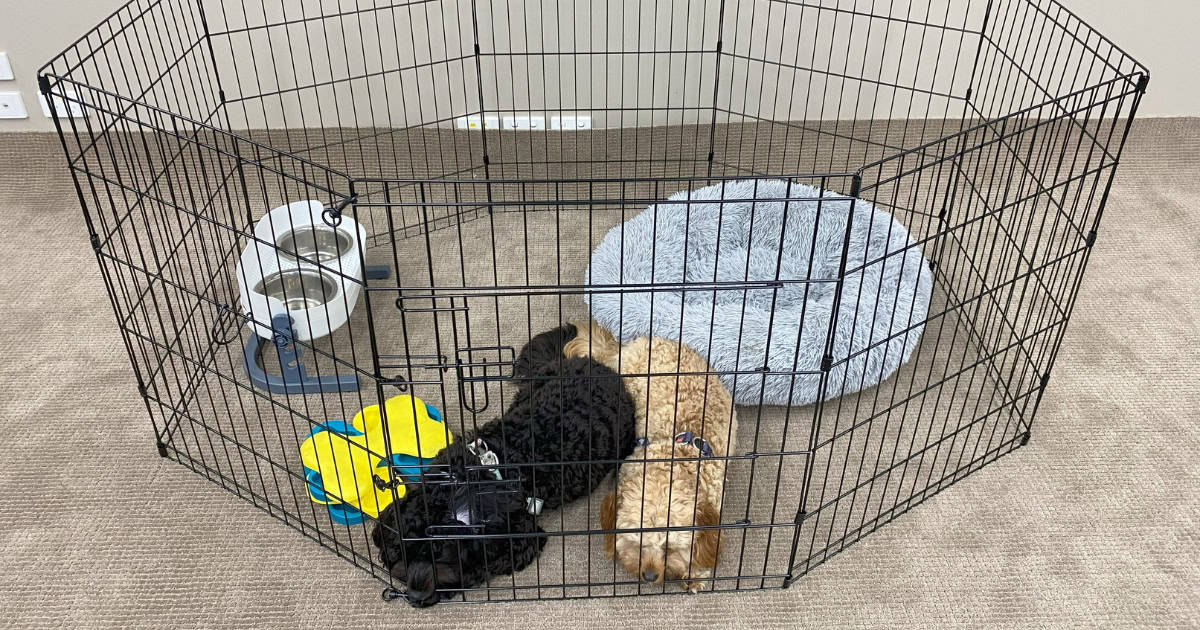
Baby gates or playpens create safe spaces without full confinement. These barriers limit your dog’s access to certain areas. Your dog can move around freely in a smaller zone. This reduces the feeling of being trapped. Use these tools to protect both your dog and your home.
Supervised Freedom
Giving your dog supervised freedom lets them explore safely. Watch your dog closely to prevent accidents. This approach builds trust and confidence. It helps your dog learn boundaries naturally. Supervised freedom balances safety with independence, improving your dog’s quality of life.

Credit: carlsonpetproducts.com
Frequently Asked Questions
How Long Can A Puppy Stay In A Crate Safely?
Puppies should stay in a crate for no more than 2-3 hours. They need frequent bathroom breaks and playtime to avoid stress and accidents.
What Is The Maximum Crate Time For Adult Dogs?
Adult dogs can stay in a crate for up to 4-6 hours. Longer periods may cause discomfort and anxiety, so breaks are essential.
How Does Crate Time Affect Dog Behavior?
Excessive crate time can cause anxiety and behavioral issues. Proper crate use promotes safety, calmness, and positive habits when balanced with exercise.
Can Crate Time Vary By Dog Breed Or Size?
Yes, larger breeds may need more space but not longer crate time. Smaller breeds may tolerate crate time differently. Always monitor your dog’s comfort.
Conclusion
Crate time depends on your dog’s age and needs. Puppies need shorter periods to avoid stress. Adult dogs can stay longer but not all day. Always watch for signs of discomfort or boredom. Breaks for exercise and bathroom are very important.
A crate should feel safe, not a punishment. Use it wisely to help your dog grow happy. Balance crate time with play and attention daily. Your dog will thank you with good behavior.

Emily Barker is the founder of ChillDogLife.com, a space dedicated to helping pup parents discover the best dog products, lifestyle tips, and cozy ideas for happier homes.
A lifelong dog lover, Emily combines her passion for pets with a knack for research to share trusted recommendations on everything from toys and furniture to health and everyday care.
Her goal is simple: to make life easier, stylish, and more joyful for dogs and the people who love them.




