Have you ever caught your dog chewing on his leg and wondered why he does it? It’s a common behavior that can leave you feeling confused or worried.
Your furry friend might not be able to tell you what’s wrong, but understanding the reasons behind this habit is easier than you think. You’ll discover the surprising causes of leg chewing and what you can do to help your dog feel better.
Keep reading—you’ll want to know the signs to watch for and how to stop this behavior before it gets worse.

Credit: pethelpful.com
Common Reasons Dogs Chew Their Legs
Watching your dog chew on his leg can be worrying, especially if it happens frequently. Understanding why this behavior occurs helps you address the root cause rather than just the symptom. Here are some common reasons dogs chew their legs that you should consider.
Allergic Reactions
Dogs often chew their legs if they are experiencing an allergic reaction. Allergies can be caused by food, pollen, dust, or chemicals like shampoos. If you notice redness, swelling, or a rash alongside the chewing, allergies might be the culprit.
Parasite Infestations
Fleas, ticks, and mites love to make your dog’s skin their home, causing intense itching. This discomfort often leads dogs to chew or scratch their legs to get relief. Regular parasite control can save your dog from this irritating habit.
Skin Infections
Bacterial or fungal infections on the skin can create hot spots that hurt and itch. Dogs instinctively chew these areas to soothe the irritation. If your dog’s leg looks red, moist, or has an unpleasant smell, a skin infection might be present.
Anxiety And Stress
Just like people bite their nails or tap their feet, dogs may chew their legs when stressed or anxious. Changes in routine, loud noises, or separation anxiety can trigger this behavior. Have you noticed your dog chewing more during thunderstorms or when you leave the house?
Boredom And Habit
Sometimes, dogs chew their legs simply because they’re bored. Lack of exercise or mental stimulation can lead to this repetitive behavior. Adding walks, playtime, or puzzle toys might help break the cycle.
Injury Or Pain
If your dog has a cut, bruise, or joint pain, chewing can be a way to cope with discomfort. Dogs can’t tell you where it hurts, but their chewing can be a clear sign. Check for swelling, limping, or sensitivity when you touch their leg.
Signs To Watch For
Noticing your dog chewing on his leg can be worrying, but recognizing the signs early can help you address the issue before it worsens. Pay close attention to subtle changes in your dog’s skin, behavior, or movement. These clues will guide you to understand if the chewing is just a habit or a sign of something more serious.
Redness And Swelling
Look closely at the skin where your dog chews. Redness or swelling often indicates irritation or infection. If the area feels warm or looks inflamed, it’s a clear sign your dog is uncomfortable and needs attention.
Hair Loss
Chewing frequently leads to patches of missing fur. If you spot bald spots or thinning hair on your dog’s leg, it’s a strong indicator that the chewing is persistent and damaging the skin. This can make the area more vulnerable to infections and should not be ignored.
Limping Or Favoring A Leg
Does your dog avoid putting weight on the leg he’s chewing? Limping or favoring one leg can signal pain or injury. This behavior often means the chewing is a response to discomfort, not just boredom or anxiety.
Excessive Licking Or Biting
Chewing often goes hand in hand with licking and biting. If your dog spends a lot of time licking or biting the same spot, it can worsen the condition and delay healing. This habit could point to allergies, parasites, or even stress, so it’s important to monitor how often it happens.
Quick Home Remedies
Seeing your dog chew on his leg can be worrying, but there are simple home remedies you can try to ease his discomfort quickly. These remedies aim to reduce irritation and prevent further damage while you monitor his condition. Acting promptly can make a big difference in your dog’s recovery and comfort.
Cleaning The Affected Area
Start by gently cleaning the spot your dog is chewing. Use lukewarm water and a mild, pet-safe soap to remove dirt and irritants. Avoid harsh chemicals that can worsen the problem.
After cleaning, pat the area dry with a soft towel. Keeping the area clean helps prevent infections and promotes faster healing. Have you checked your dog’s leg for any small cuts or insect bites?
Applying Soothing Balms
Applying a soothing balm can calm inflamed skin and reduce your dog’s urge to chew. Look for balms made with natural ingredients like aloe vera or coconut oil. These ingredients help moisturize and soothe irritated skin.
Make sure the balm is safe if your dog licks the area. You can apply a thin layer a few times a day to keep the skin comfortable. Have you tried using balms that your vet recommended before?
Using Anti-itch Sprays
Anti-itch sprays can provide quick relief from itching and irritation. Opt for sprays designed specifically for dogs, containing ingredients like hydrocortisone or oatmeal extract. These sprays reduce inflammation and soothe the skin.
Spray lightly and avoid open wounds to prevent stinging. Keep an eye on how your dog reacts to the spray and stop if you notice any adverse effects. Could an anti-itch spray be the missing piece in calming your dog’s discomfort?
Providing Distractions
Sometimes, chewing is a sign of boredom or anxiety. Offering distractions can help break the habit. Engage your dog with new toys, interactive games, or extra playtime to shift his focus away from the leg.
Try puzzle feeders or chew toys that challenge your dog mentally and physically. This not only reduces chewing but also strengthens your bond. What new activity can you introduce today to keep your dog’s mind busy?
When To See A Vet
Knowing when to visit a vet is key to keeping your dog healthy. Dogs chew on their legs for various reasons. Some are minor and fixable at home. Others signal serious health issues that need expert care. Watch your dog closely to spot signs that require professional help.
Persistent Chewing
Chewing that lasts more than a few days is a warning. It might mean pain, allergies, or parasites. Persistent chewing can cause wounds and worsen quickly. A vet can find the cause and suggest proper treatment.
Signs Of Infection
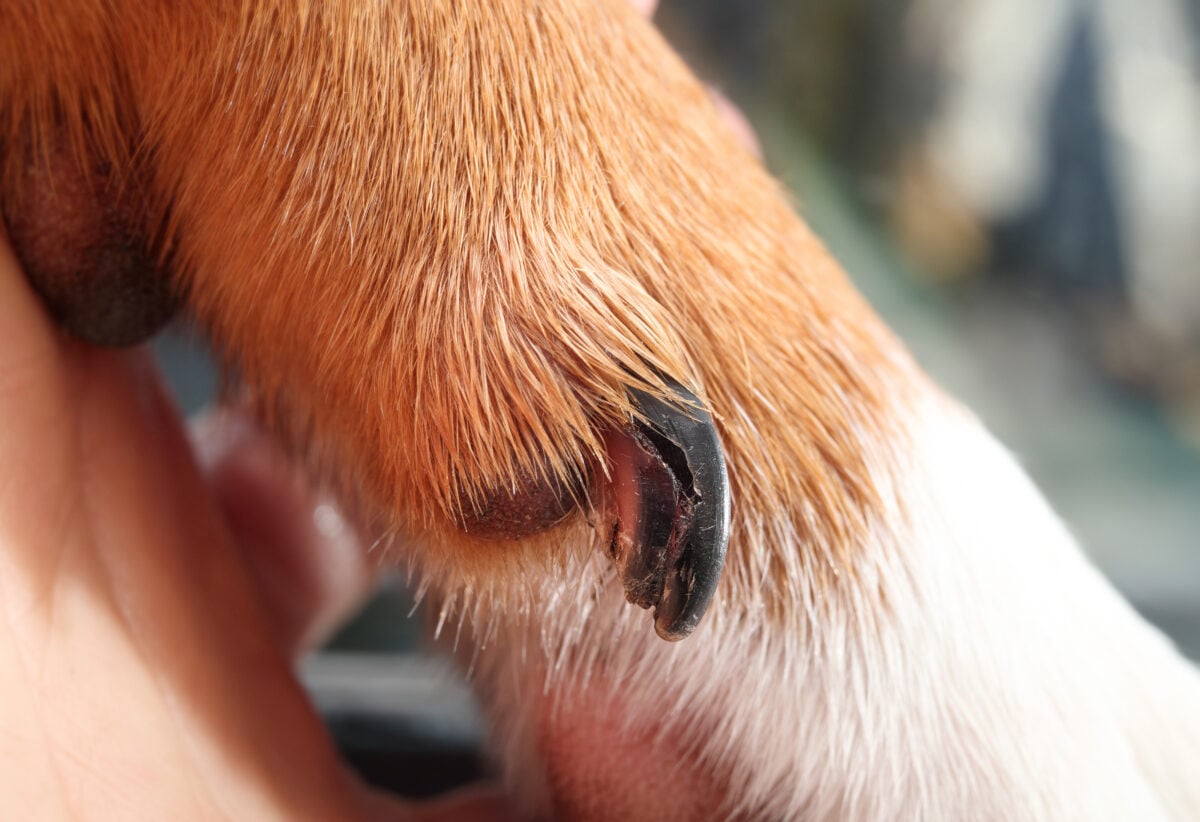
Look for redness, swelling, or pus around the chewed area. Foul smell or heat in the spot also points to infection. Infections can spread fast and cause serious problems. Immediate vet care is needed to stop infection and heal wounds.
Behavioral Changes
Changes in your dog’s mood or behavior matter. If your dog becomes more restless, anxious, or aggressive, it may be in pain. Loss of appetite or hiding are other red flags. These changes suggest your dog needs a vet’s evaluation.
Lack Of Improvement With Home Care
Home care includes cleaning and limiting chewing. If your dog keeps chewing despite your efforts, see a vet. No improvement after a few days means a deeper issue. Professional advice can prevent complications and provide relief.
Preventing Leg Chewing In Dogs
Preventing your dog from chewing on his leg requires a mix of attentive care and smart habits. It’s not just about stopping the behavior but understanding what causes it and addressing those root issues. You can make a big difference in your dog’s comfort and happiness with some simple, consistent actions.
Regular Parasite Control
Parasites like fleas and ticks are common triggers for leg chewing. These pests cause itching and irritation that your dog tries to relieve by biting or licking.
Keep your dog parasite-free by using vet-recommended treatments regularly. Check your dog’s coat often, especially after outdoor play, to catch any unwanted visitors early.
Balanced Diet And Supplements
Your dog’s diet plays a big role in skin and coat health. Nutritional imbalances can lead to dry, itchy skin that prompts leg chewing.
Feed high-quality dog food rich in omega-3 fatty acids and vitamins. If you notice skin problems, talk to your vet about adding supplements like fish oil or biotin.
Adequate Exercise And Mental Stimulation
Sometimes chewing is a sign of boredom or stress. Dogs need both physical activity and mental challenges to stay calm and content.
Try daily walks, play sessions, and puzzle toys to keep your dog’s mind and body busy. Have you noticed if your dog chews more when left alone or unstimulated?
Routine Grooming And Skin Care
Regular grooming helps spot skin issues before they become serious. Brushing removes dirt and allergens that can irritate your dog’s skin.
Bath your dog with gentle, skin-friendly shampoos and check for redness or swelling. Keeping the skin clean and moisturized reduces the urge to chew.
Credit: pethero.co.za
Credit: www.caninejournal.com
Frequently Asked Questions
Why Does My Dog Chew His Leg?
Dogs often chew their legs due to itching, anxiety, or boredom. Allergies, parasites, or dry skin can also be causes. It’s important to observe other symptoms and consult your vet if the behavior persists. This ensures underlying health issues are not overlooked.
How Can I Stop My Dog From Chewing?
To stop your dog from chewing, identify the root cause. Provide mental stimulation and physical exercise. Offer chew toys as alternatives. If anxiety is the issue, consider calming techniques or consult a professional trainer. Always ensure your dog is healthy by visiting the vet.
Is Leg Chewing A Sign Of Pain?
Yes, leg chewing can indicate pain or discomfort. Dogs may chew to relieve irritation or inflammation. It’s crucial to monitor for additional symptoms like limping or swelling. Seek veterinary advice to rule out injuries or conditions like arthritis that may require treatment.
Can Allergies Cause My Dog To Chew?
Allergies are a common cause of leg chewing in dogs. They can be triggered by food, pollen, or dust mites. Allergic reactions lead to itchiness, prompting dogs to chew for relief. Addressing allergies with a vet can alleviate symptoms and reduce the chewing behavior.
Conclusion
Dogs chew on their legs for many reasons like itching or stress. Watching your dog closely helps you spot problems early. Treating the cause stops the chewing and keeps your dog happy. Sometimes a vet visit is needed to find the right solution.
Your dog’s comfort and health should always come first. Taking care now prevents bigger issues later. Keep loving and caring for your dog every day. Simple steps make a big difference for your furry friend.

Emily Barker is the founder of ChillDogLife.com, a space dedicated to helping pup parents discover the best dog products, lifestyle tips, and cozy ideas for happier homes.
A lifelong dog lover, Emily combines her passion for pets with a knack for research to share trusted recommendations on everything from toys and furniture to health and everyday care.
Her goal is simple: to make life easier, stylish, and more joyful for dogs and the people who love them.




