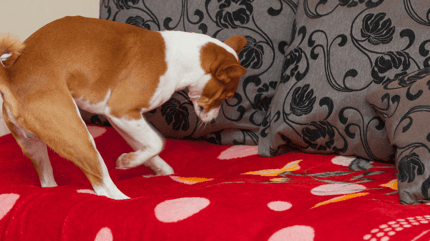
Have you ever caught your dog digging into the carpet and wondered, “Why does my dog dig carpet?” It can be puzzling and even a little frustrating to see your furry friend scratching away at the floor like they’re searching for something hidden. But there’s more to this behavior than just mischief.
Understanding why your dog digs carpet can help you find the right solution and keep your home peaceful. Keep reading, and you’ll discover the surprising reasons behind this habit—and what you can do to stop it.

Credit: www.reddit.com
Common Reasons Dogs Dig Carpet
Dogs dig carpet for several common reasons. Understanding these helps solve the problem quickly. Each reason links to natural dog behavior or needs. Recognizing the cause lets you respond better.
Natural Instincts
Digging is a natural behavior for many dogs. Wild ancestors dug to find food or create a safe spot. Your dog may dig carpet to mimic this instinct. It feels natural and satisfying for them.
Boredom And Anxiety
Dogs need mental and physical activity every day. Without enough play or exercise, they get bored or anxious. Digging carpet can be a way to release energy. It also helps reduce stress or worry.
Seeking Comfort
Some dogs dig carpet to find a cozy place. The action can help them feel safe and calm. It may also be a way to cool down or warm up. Carpet digging creates a soft, comfortable spot.
Attention-seeking Behavior
Dogs quickly learn what gets your attention. If digging carpet makes you notice them, they may repeat it. Even negative attention feels better than none. This behavior is a way to connect with you.
Health Issues
Sometimes, digging carpet can signal health problems. Skin allergies or irritations can make dogs scratch or dig. Pain or discomfort might also cause this behavior. A vet check can rule out medical causes.
How Carpet Digging Affects Your Home
Carpet digging by dogs can cause various problems inside your home. This behavior may seem harmless but it impacts your living space in many ways. Understanding how carpet digging affects your home can help you manage the issue better. It’s important to recognize the potential damage and risks involved.
Damage To Flooring
Dogs digging at carpet fibers can create holes and tears. These damages expose the floor underneath, which may get scratched or stained. Over time, repeated digging weakens the carpet’s structure. Carpet edges might curl up, making the floor look messy and worn. Repairing or replacing carpets can be costly and time-consuming.
Impact On Furniture
Digging dogs often redirect their energy toward nearby furniture. Sofas, chairs, and cushions can get scratched, torn, or stained. Loose stuffing and fabric damage are common issues. Furniture damage decreases its lifespan and comfort. Owners may need to spend extra money on repairs or replacements.
Safety Concerns For Pets
Carpet digging can create hazards for your dog and others. Torn carpet fibers or loose threads might be swallowed, causing choking or digestive problems. Sharp objects hidden under the carpet can injure paws. Uneven or damaged carpet surfaces may lead to slips or falls. Monitoring this behavior helps keep pets safe and healthy.
Behavioral Signs To Watch For
Understanding your dog’s behavior helps identify why they dig the carpet. Watching for specific signs provides clues about their needs or discomfort. Observing these signs closely can guide you in addressing the issue effectively.
Frequency And Timing
Notice how often your dog digs the carpet. Is it a rare event or a daily habit? Pay attention to the time of day this happens. Digging might occur more during certain hours, like after meals or when left alone. This pattern helps reveal if the behavior is linked to boredom, anxiety, or routine.
Associated Activities
Look at what your dog does before and after digging. Do they seem restless or sniff around the area? Sometimes dogs dig after playing or when trying to find a hidden object. Watching these activities shows if the digging is part of play, stress relief, or searching for comfort.
Changes In Mood Or Energy
Observe any shifts in your dog’s mood or energy levels. Increased digging might come with signs of anxiety, like whining or pacing. Low energy followed by sudden digging bursts can indicate stress or discomfort. These mood changes can signal deeper issues that need attention.
Simple Fixes To Stop Carpet Digging
Carpet digging can be frustrating for any dog owner. Luckily, there are simple fixes you can try to stop this behavior and protect your floors. These solutions address your dog’s needs and help redirect their energy in positive ways.
Increase Exercise And Playtime
Dogs often dig on carpets because they have excess energy. Adding more daily exercise can reduce their urge to dig. Take your dog for longer walks or add play sessions like fetch or tug-of-war.
If your dog is bored, they will find ways to entertain themselves, often by digging. Ask yourself: Is your dog getting enough physical activity? Sometimes just a little more movement can make a big difference.
Provide Chew Toys And Alternatives
Some dogs dig because they want to chew or manipulate something with their paws. Giving your dog a variety of chew toys can satisfy this urge.
Try durable rubber toys, rope toys, or puzzle feeders to keep your dog busy. You might notice your dog paying less attention to the carpet when they have something better to focus on.
Use Deterrent Sprays
Deterrent sprays can make the carpet less appealing to your dog. Many sprays use safe, bitter-tasting ingredients that discourage digging.
Spray the areas your dog targets most often. Does your dog avoid that spot afterward? If yes, this simple trick might stop the behavior quickly.
Create A Comfortable Resting Space
Sometimes dogs dig to create a cozy spot for themselves. Offering a soft bed or blanket in a quiet corner can fulfill this need.
Place the resting area where your dog likes to relax. You might find they prefer their own space over the carpet once they have a comfy alternative.
Training Techniques
Training can teach your dog to stop digging on the carpet. Use positive reinforcement to reward your dog when they avoid digging.
Try redirecting your dog to a toy or designated digging spot when you catch them digging on the carpet. Consistency is key—do you feel ready to commit to regular training sessions?
When To Consult A Veterinarian
Noticing your dog digging at the carpet can be puzzling and sometimes worrying. While it might seem like harmless behavior, it can also signal underlying problems that need professional attention. Knowing when to consult a veterinarian can help you address the issue effectively and keep your furry friend healthy and happy.
Identifying Medical Causes
Sometimes, carpet digging is more than just a quirky habit. It can be a sign of medical issues like allergies, skin irritations, or even anxiety disorders. If your dog is scratching or digging excessively, check for redness, swelling, or sores on their paws or body.
Watch for other symptoms like changes in appetite, lethargy, or unusual behavior. These clues can help you decide if a vet visit is necessary. Have you noticed your dog digging more after walks or meals? This detail can point to allergies or digestive problems that a vet can diagnose.
Behavioral Therapy Options
If your vet rules out medical problems, the digging might be behavioral. Dogs sometimes dig carpets out of boredom, anxiety, or stress. A vet or a certified animal behaviorist can guide you through therapy options tailored to your dog’s needs.
Behavioral therapy might include:
- Training exercises to redirect digging to appropriate toys or areas
- Environmental enrichment to reduce boredom, like puzzle feeders or more playtime
- Calming techniques or medications for anxiety if recommended by your vet
Have you tried changing your dog’s routine or adding new activities? Sometimes simple changes make a big difference. But if digging continues, professional advice can offer targeted solutions to stop the behavior safely.

Credit: www.chewy.com

Credit: petcube.com
Frequently Asked Questions
Why Do Dogs Dig The Carpet?
Dogs dig carpets due to boredom, anxiety, or instinctual behaviors. They may seek comfort, hidden treasures, or entertainment. Assess your dog’s environment and provide engaging activities, toys, and mental stimulation. Regular exercise and attention can help reduce carpet digging by addressing underlying needs and motivations.
How Can I Stop My Dog From Digging?
To stop carpet digging, provide alternatives like toys or designated digging areas. Ensure your dog has ample exercise and mental stimulation. Address stressors and maintain a routine. Positive reinforcement can encourage desirable behaviors, while redirecting attention can discourage digging habits.
Is Carpet Digging A Sign Of Anxiety?
Yes, carpet digging can indicate anxiety or stress in dogs. Dogs may dig to cope with separation anxiety, fear, or environmental changes. Identifying and addressing the root cause of anxiety, along with providing comfort and routine, can help reduce this behavior and improve your dog’s well-being.
Can Carpet Digging Damage My Home?
Yes, frequent carpet digging can damage your home. It may lead to torn carpets, scratched floors, and potential safety hazards. Addressing the behavior promptly can prevent damage. Providing alternatives and ensuring your dog’s needs are met can protect your home and maintain a harmonious living environment.
Conclusion
Dogs dig carpet for many reasons like boredom or stress. Understanding why helps you find the right solution. Try giving your dog more playtime and toys to stay busy. Keep a close eye on your pet’s behavior and comfort. Fixing this habit takes patience and care from you.
Small steps can make a big difference in your dog’s happiness. Keep your home safe and your dog calm. This way, both of you can enjoy a peaceful space together.

Emily Barker is the founder of ChillDogLife.com, a space dedicated to helping pup parents discover the best dog products, lifestyle tips, and cozy ideas for happier homes.
A lifelong dog lover, Emily combines her passion for pets with a knack for research to share trusted recommendations on everything from toys and furniture to health and everyday care.
Her goal is simple: to make life easier, stylish, and more joyful for dogs and the people who love them.




