Knowing exactly when to switch your furry friend to adult dog food can feel confusing. You want to give your dog the best nutrition at every stage, but how do you know the right time to make the change?
If you switch too early or too late, it could affect your dog’s health and energy. You’ll discover clear signs and simple tips that help you decide when to move from puppy to adult dog food. Keep reading to make sure your dog stays happy, healthy, and full of life.
Credit: wefeedraw.com
Signs Your Dog Is Ready
Switching your dog to adult food is an important step. It helps meet their changing needs as they grow. Watch for signs that show your dog is ready for this change.
Each dog grows at its own pace. Understanding the right time helps keep your dog healthy and happy.
Age Guidelines
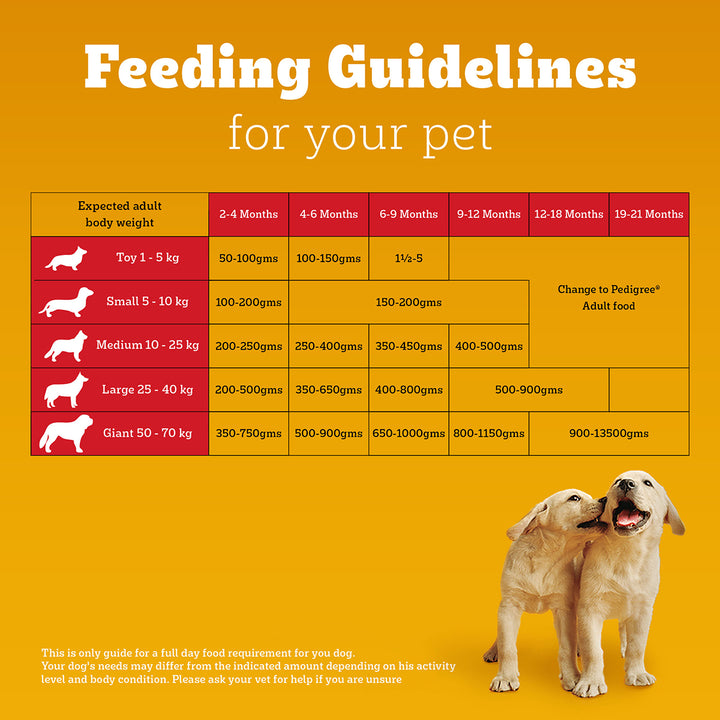
Most dogs transition to adult food between one and two years old. Small breeds usually switch earlier, while large breeds may take longer.
- Small breeds: around 9 to 12 months
- Medium breeds: about 12 months
- Large breeds: between 12 to 24 months
Behavioral Changes
Your dog’s behavior can signal readiness for adult food. Less hyperactivity and calmer meals mean their metabolism is maturing.
- Eating habits become steadier
- Less chewing on everything
- Shows more interest in regular walks
- Energy levels even out during the day
Physical Development
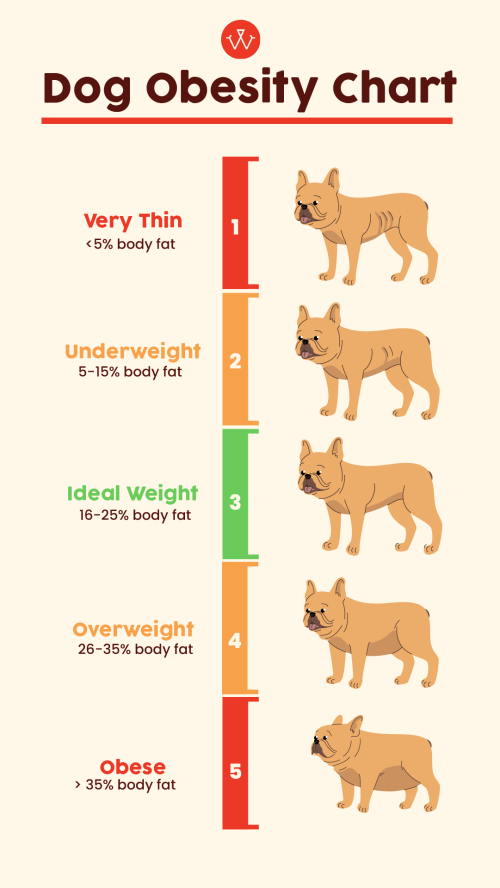
Check your dog’s body to decide if adult food fits their current needs. Growth plates close and muscle tone improves as they mature.
| Physical Sign | What to Look For |
|---|---|
| Weight Stabilization | Your dog’s weight stops increasing rapidly. |
| Teeth | Permanent adult teeth have replaced puppy teeth. |
| Coat Condition | Fur becomes thicker and shinier, showing maturity. |
| Muscle Development | Muscle tone becomes firmer and stronger. |
Credit: dogsauce.co
Nutritional Differences
Knowing when to switch your dog to adult food is important. The right food helps your dog stay healthy and strong.
Puppy food and adult dog food have different nutrients. These differences support your dog’s needs at each life stage.
Puppy Vs Adult Dog Food
Puppy food is made to help young dogs grow fast. Adult dog food supports maintenance and keeps them healthy.
Puppy food has more protein and fat. Adult food has balanced amounts for everyday energy.
- Puppy food helps build muscles and bones.
- Adult food helps keep weight steady.
- Puppies need more calories per pound than adults.
Key Nutrients For Growth
Puppies need extra protein for muscle growth. They also need more calcium for strong bones.
Adult dogs need nutrients to keep their body working well. They need less calcium and protein than puppies.
- Protein supports muscle development in puppies.
- Calcium helps build strong bones and teeth.
- Fat gives energy for active puppies.
- Adults need nutrients to maintain health, not grow.
Calorie Needs Adjustment
Puppies burn more calories because they are growing and active. They need more calories per meal.
Adult dogs need fewer calories to avoid gaining too much weight. Their food has fewer calories per serving.
- Puppies require more calories for growth and play.
- Adult dogs need calories to maintain their weight.
- Switching food adjusts calorie intake to match age.
Breed And Size Considerations
Choosing the right time to switch to adult dog food depends on your dog’s breed and size. Different breeds grow at different rates. This affects when they need adult food.
Small and large breeds have unique growth patterns. These patterns guide when to change their diet. Feeding the right food supports healthy growth and energy.
Small Breed Timelines
Small breeds grow quickly and mature faster than larger dogs. Most small breeds reach adulthood between 9 and 12 months. This is when you should start adult dog food.
Switching too early can cause nutrient gaps. Switching too late may lead to excess calories. Watch your dog’s size and behavior for signs of readiness.
- Examples: Chihuahua, Dachshund, Pomeranian
- Switch at 9-12 months old
- Look for slowed growth and mature teeth
Large Breed Timelines
Large breeds grow slower and take longer to mature. They need puppy food longer to support bone and joint development. Most large dogs switch to adult food around 12 to 18 months.
Changing food too soon can harm growth. Use breed size as a guide to avoid joint problems and obesity later.
- Examples: Labrador Retriever, German Shepherd, Great Dane
- Switch at 12-18 months old
- Monitor weight and energy levels
Special Dietary Needs
Some dogs have special dietary needs that affect when to change food. Dogs with allergies or health issues might need tailored diets. Consult your vet for the best timing and food type.
Weight, activity level, and health conditions can change food needs. Adjust feeding plans to support your dog’s specific needs for a healthy life.
- Dogs with allergies may need hypoallergenic adult food
- Active dogs may require higher calorie adult food
- Dogs with health issues need vet-approved diets
Transitioning Tips
Switching your dog to adult food needs care and patience. A smooth change helps your dog adjust well.
Watch your dog’s health during this time. Good care keeps them happy and active.
Gradual Food Switch
Change your dog’s food slowly over 7 to 10 days. Mix the old food with the new one in small amounts first.
- Start with 75% old food and 25% new food.
- After 3 days, switch to 50% old and 50% new food.
- Then use 25% old and 75% new food for 3 days.
- Feed only the new adult dog food after the transition.
Monitoring Digestive Health
Check your dog’s stool and appetite each day. Changes may show if the new food suits them.
| Sign | What to Do |
| Loose stool | Slow the food change and give more time. |
| Vomiting | Pause the new food and consult a vet. |
| Loss of appetite | Try mixing in a small amount of old food. |
| Normal digestion | Continue with the new adult dog food. |
Managing Food Allergies
Some dogs may react to new ingredients in adult food. Watch for itching, redness, or upset stomach.
- Note any allergy signs after switching foods.
- Talk to your vet if symptoms appear.
- Consider special hypoallergenic adult dog food if needed.
Consulting Your Veterinarian
Changing your dog’s food to an adult formula is an important decision. Your veterinarian can guide you on the right time and type of food.
They consider your dog’s breed, size, and health before making recommendations.
Personalized Advice
Your vet knows your dog’s unique needs. They will suggest the best adult dog food based on factors like activity level and allergies.
- Breed-specific nutrition
- Weight management tips
- Special dietary needs
Health Checkups
Regular visits help track your dog’s growth and health. Your vet checks if your dog is ready for adult food.
| Checkup Item | Purpose |
| Weight | Ensure healthy growth |
| Teeth | Assess development |
| Energy Levels | Monitor activity and health |
| Digestive Health | Check tolerance to food |
Adjusting Diet Over Time
Your dog’s needs change as they grow. Your vet will help you adjust food type and portions gradually.
- Switch slowly to avoid upset stomach
- Monitor weight and energy levels
- Update diet based on health changes
Credit: www.purina.com
Frequently Asked Questions
When Should I Switch My Puppy To Adult Dog Food?
Switch to adult dog food when your puppy reaches 12 months. Large breeds may need to wait 12-18 months. This ensures balanced nutrition for growth and maintenance.
How Do I Know My Dog Is Ready For Adult Food?
Look for signs like steady weight, slower growth, and adult teeth. Consult your vet to confirm the best time for transition.
Can Switching Dog Food Too Early Harm My Pet?
Yes, switching too early can cause nutritional imbalance and digestive issues. Always follow breed-specific guidelines and vet advice for timing.
What Are The Benefits Of Adult Dog Food Over Puppy Food?
Adult dog food supports maintenance, energy balance, and weight control. It contains fewer calories and adjusted nutrients for mature dogs.
Conclusion
Switching to adult dog food supports your dog’s health and growth. Watch for signs like age, size, and activity level. Choose food that fits your dog’s needs and breed. Regular vet check-ups help confirm the right time to switch. Feeding the proper diet keeps your dog strong and happy.
Remember, every dog is different. Adjust meals with care and attention. Your dog deserves the best nutrition for a long life.

Emily Barker is the founder of ChillDogLife.com, a space dedicated to helping pup parents discover the best dog products, lifestyle tips, and cozy ideas for happier homes.
A lifelong dog lover, Emily combines her passion for pets with a knack for research to share trusted recommendations on everything from toys and furniture to health and everyday care.
Her goal is simple: to make life easier, stylish, and more joyful for dogs and the people who love them.




