
If you have a 7-month-old puppy, you’re probably wondering if it’s time to switch from puppy food to adult dog food. You want to make sure your furry friend gets the right nutrition to grow strong and stay healthy.
But is adult dog food safe and suitable for a puppy at this age? Making the wrong choice could affect your puppy’s development or cause digestive issues. Keep reading to find out what experts say about feeding your 7-month-old puppy and how to make the best decision for your pet’s health and happiness.
Puppy Nutritional Needs
Puppies need special food to grow healthy and strong. Their food should have all the right nutrients.
Adult dog food may not have enough nutrients for a growing puppy. It is important to know what puppies need.
Growth And Development
Puppies grow fast in their first year. Their bones, muscles, and organs develop quickly.
They need food that supports this rapid growth. Adult dog food often lacks the right balance for puppies.
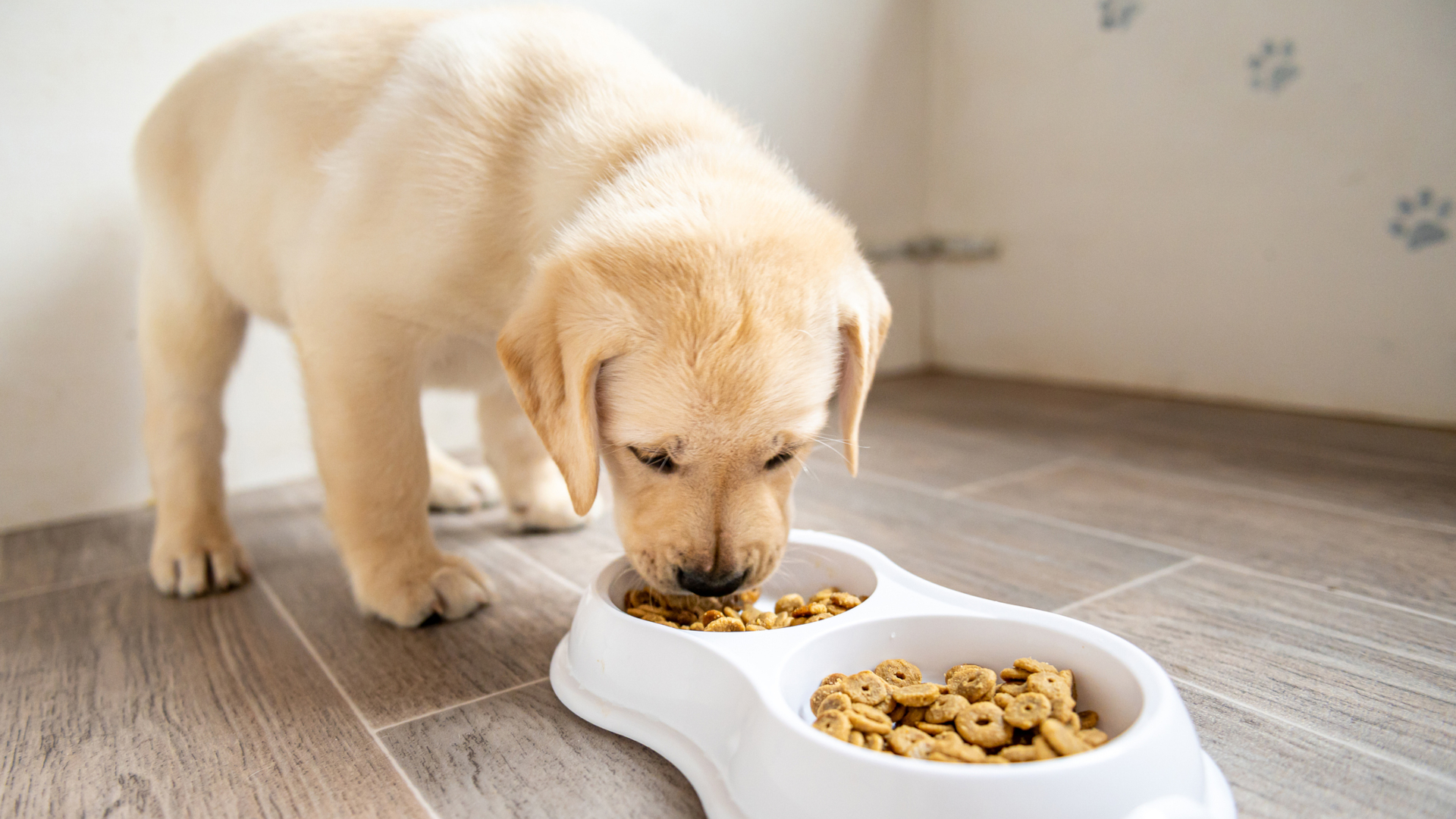
Key Nutrients For Puppies
Puppies need more protein, fat, and certain vitamins than adult dogs. These help them build strong bodies.
Calcium and phosphorus are important for healthy bones. Puppies also need DHA for brain and eye growth.
- High protein for muscle growth
- Healthy fats for energy and brain development
- Calcium and phosphorus for strong bones
- DHA for brain and eye health
- Vitamins and minerals for overall health
Credit: www.petsradar.com
Differences Between Puppy And Adult Food
Puppies and adult dogs need different types of food. Their bodies grow and change fast. This means their food must support their growth and health.
Adult dog food is made for dogs that have stopped growing. It has different nutrients and amounts than puppy food.
Calorie Content
Puppies need more calories than adult dogs. Their bodies burn energy quickly because they grow fast and play a lot. Adult dogs need fewer calories to keep a healthy weight.
Feeding adult food to a 7-month-old puppy may not give enough energy. This can slow growth and cause tiredness.
Protein And Fat Levels
Puppy food has higher protein and fat levels. These help build muscles and support brain development. Adult dog food has less protein and fat because grown dogs need less of these nutrients.
- Puppy food: More protein and fat for growth
- Adult food: Balanced protein and fat for maintenance
- Too little protein can slow muscle growth in puppies
- Too much fat in adult food can cause weight gain
Vitamin And Mineral Balance
Puppies need extra vitamins and minerals to support bones and immune health. Adult dog food has vitamins and minerals suited to keep health but not for rapid growth.
| Vitamin/Mineral | Puppy Food Amount | Adult Food Amount |
|---|---|---|
| Calcium | Higher for bone growth | Lower for maintenance |
| Phosphorus | Higher to support development | Moderate for adults |
| Vitamin D | Higher to help absorb minerals | Lower to avoid excess |
Risks Of Feeding Adult Food To Puppies
Many dog owners wonder if a 7-month-old puppy can eat adult dog food. Puppies have different needs than adult dogs. Feeding them the wrong food can cause problems.
Adult dog food is made for dogs with slower growth and lower energy needs. Puppies need more nutrients for their development.
Nutritional Deficiencies
Puppies need extra vitamins, minerals, and proteins. Adult dog food may not have enough of these nutrients. This lack can harm your puppy’s health.
- Lower protein levels reduce muscle growth
- Insufficient calcium and phosphorus affect bone strength
- Not enough vitamins can weaken the immune system
- Missing fatty acids slow brain and coat development
Impact On Growth
Growth is fast and steady in puppies under one year. Adult food does not support this growth properly. It can slow bone and muscle development.
| Growth Aspect | Effect of Adult Food |
| Bone Growth | May be weak due to low calcium |
| Muscle Development | Reduced protein slows muscle gain |
| Energy Levels | Lower calories cause tiredness |
| Overall Size | May be smaller than healthy peers |
Digestive Issues
Adult food is harder for puppies to digest. Puppies’ stomachs are sensitive to different ingredients and fiber amounts in adult food. This can cause stomach upset.
- Diarrhea or loose stools
- Vomiting after meals
- Gas and bloating
- Reduced appetite
When To Transition To Adult Dog Food
Knowing when to switch your puppy to adult dog food is important. Feeding the right food helps your dog stay healthy.
Different dogs need adult food at different ages. This guide helps you understand the best time to change.
Breed And Size Considerations
Small and large dog breeds grow at different rates. Small breeds usually finish growing earlier than large breeds.
| Breed Size | Typical Transition Age | Reason |
| Small Breeds | 6 to 9 months | Faster growth and early maturity |
| Medium Breeds | 9 to 12 months | Moderate growth rate |
| Large Breeds | 12 to 18 months | Slower growth and longer bone development |
Signs Your Puppy Is Ready
Look for clear signs before switching food. Your puppy’s body and behavior give clues.
- Your puppy’s adult teeth are fully grown
- Weight and height growth has slowed down
- Energy levels become more stable
- Your vet confirms your puppy’s development
Ideal Transition Process
Changing your puppy’s food should be slow. This helps avoid stomach upset and lets your dog adjust.
- Start mixing 25% adult food with 75% puppy food
- After 3 days, change to 50% adult and 50% puppy food
- After another 3 days, mix 75% adult with 25% puppy food
- By day 10, feed only adult dog food
Expert Recommendations
Feeding a 7 month old puppy can be confusing. You may wonder if adult dog food is safe or healthy for them.
Experts give clear advice on the best diet for puppies at this age. They focus on nutrition, growth needs, and food quality.
Veterinarian Advice
Veterinarians say puppies need food made for their growth stage. Puppy food has more calories and nutrients than adult food.
Switching to adult dog food too soon can slow down growth and cause health issues. Most vets recommend waiting until 12 months old.
- Keep feeding puppy food until at least 12 months
- Check with your vet before changing food
- Look for foods with DHA and calcium for bones and brain
Popular Puppy Food Brands
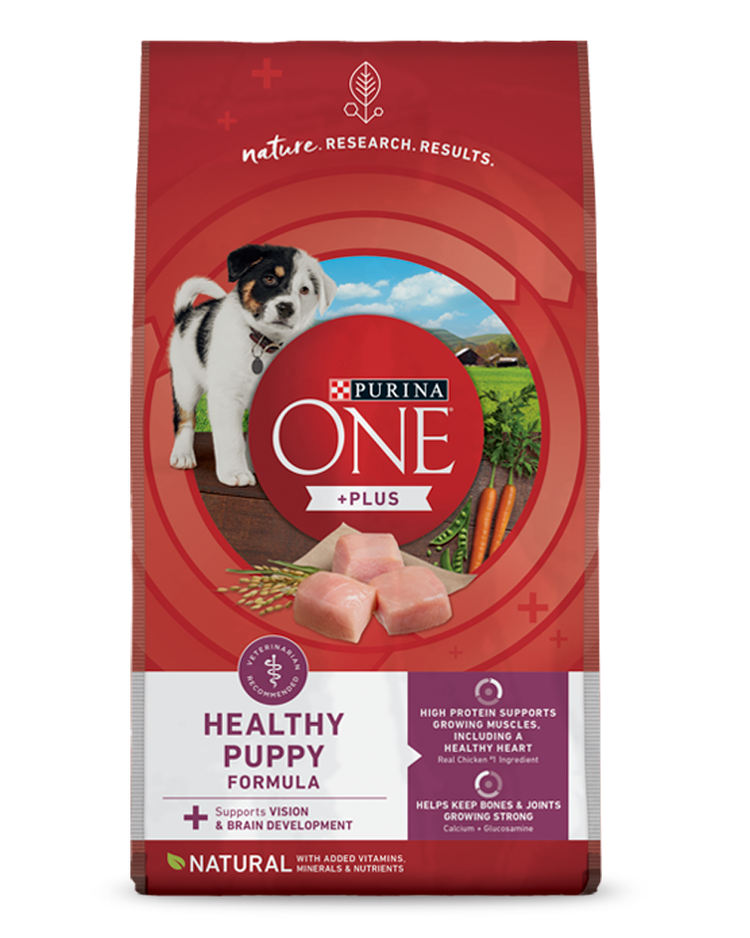
Many brands offer puppy food with balanced nutrients. These brands focus on the special needs of young dogs.
| Brand | Key Features | Suitable Age |
|---|---|---|
| Brand A | High protein, DHA added | Up to 12 months |
| Brand B | Grain free, rich in vitamins | 6 weeks to 1 year |
| Brand C | Supports joint health, balanced minerals | Up to 12 months |
Homemade Vs Commercial Food
Some owners choose homemade food to control ingredients. Others prefer commercial food for ease and balance.
- Homemade food lets you avoid fillers and additives
- Commercial food is made to meet nutrition standards
- Homemade diets need vet guidance to be complete
- Commercial foods offer variety and convenience
Credit: www.purina.com
Monitoring Puppy Health During Diet Change
Switching a puppy to adult dog food can be a big step. It’s important to monitor their health during this change. Watching for any signs of discomfort or issues can help ensure a smooth transition.
This guide will focus on key areas to watch, such as weight, behavior, and the importance of regular vet visits.
Weight Tracking
Keeping an eye on your puppy’s weight is crucial. A sudden increase or decrease could signal a problem with their new diet.
- Weigh your puppy weekly.
- Record the weight in a notebook or app.
- Compare with breed-specific growth charts.
Behavioral Changes
Puppies may show changes in behavior when their diet changes. Look for signs that they are not adjusting well to adult dog food.
Signs to watch for include:
- Decreased energy levels
- Changes in sleeping patterns
- Increased aggression or anxiety
Regular Vet Checkups
Vet visits are essential during a diet change. They help ensure your puppy is healthy and adapting well to adult food.
| Checkup Type | Frequency |
| Weight and Growth | Monthly |
| Dietary Consultation | As needed |
| Overall Health | Every 6 months |

Credit: www.pethealthclub.com
Frequently Asked Questions
Can A 7 Month Old Puppy Eat Adult Dog Food?
Yes, a 7-month-old puppy can start eating adult dog food. However, it is best to transition gradually. Puppies need nutrient-rich food for growth, so consult your vet before switching.
When Should Puppies Switch To Adult Dog Food?
Puppies typically switch to adult dog food between 6 to 12 months. The exact time depends on breed size and growth rate. Large breeds may need puppy food longer for proper development.
What Are The Risks Of Feeding Adult Food Early?
Feeding adult dog food too early may cause nutritional imbalances. Puppies need higher protein and calories for growth. Early adult food can lead to slower development or health issues.
How To Transition A Puppy To Adult Dog Food?
Transition gradually over 7 to 10 days. Mix increasing amounts of adult food with decreasing puppy food. This helps avoid digestive upset and allows your puppy to adjust smoothly.
Conclusion
A 7-month-old puppy may start eating adult dog food, but with care. Puppies need more nutrients to grow strong and healthy. Switching too soon can cause stomach problems or poor growth. Always watch your puppy’s energy and health after the change.
Consult your vet to choose the right time and food. Feeding your puppy properly helps them become a happy adult dog. Careful feeding today leads to a healthy, happy dog tomorrow.

Emily Barker is the founder of ChillDogLife.com, a space dedicated to helping pup parents discover the best dog products, lifestyle tips, and cozy ideas for happier homes.
A lifelong dog lover, Emily combines her passion for pets with a knack for research to share trusted recommendations on everything from toys and furniture to health and everyday care.
Her goal is simple: to make life easier, stylish, and more joyful for dogs and the people who love them.




