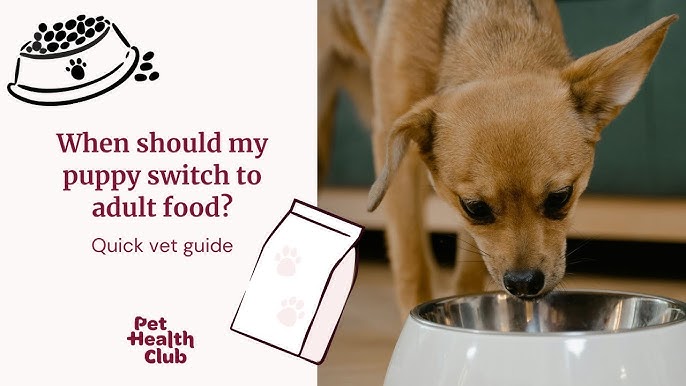
You want the best for your furry friend, including the right food at the right time. But how do you know when your dog is ready to switch from puppy food to adult food?
Feeding your dog the wrong type of food can affect their health and energy. You’ll discover the signs to look for and the perfect timing to make this important change. Keep reading to make sure your dog stays happy, healthy, and full of life.

Credit: petheavenblogs.com
Puppy Growth Stages
Puppies grow quickly and their food needs change fast. Feeding the right food at each stage helps them stay healthy.
Knowing when to switch your puppy to adult food is important for their development and energy.
Newborn To Weaning
Newborn puppies drink their mother’s milk only. This milk gives them all the nutrients they need to grow strong.
They start weaning around 3 to 4 weeks old. This means they begin eating soft puppy food mixed with water or milk.
- Age: Birth to 3-4 weeks
- Food: Mother’s milk only
- Start: Soft puppy food at 3-4 weeks
Weaning To Juvenile
Puppies eat solid puppy food from about 4 weeks to 6 months. Their bodies need food with more protein and fat.
During this time, they grow fast and become more active. Good nutrition supports healthy bones and muscles.
- Age: 4 weeks to 6 months
- Food: High-quality puppy food
- Goal: Support rapid growth and energy
Juvenile To Adult Transition
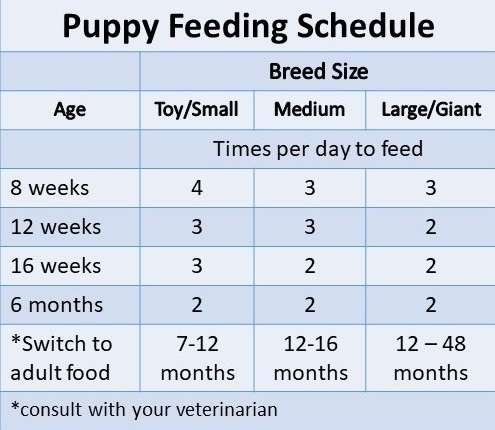
Puppies start to become adults around 6 to 12 months. Large breeds may take longer to mature.
Switch to adult dog food when growth slows. Adult food has balanced nutrients for maintenance, not growth.
- Age: 6-12 months (varies by breed)
- Food: Transition from puppy to adult food
- Signs: Slower growth and lower energy needs
Credit: www.vetsupply.com.au
Signs Your Dog Is Ready
Knowing when your dog can start eating adult food is important. Dogs grow at different rates. Watch for signs that show they are ready for a change.
Switching to adult food too early or too late can cause health problems. Look closely at your dog’s body and behavior to decide the best time.
Physical Development Indicators
Physical changes in your dog’s body show when they are growing out of puppy food. These changes include weight, teeth, and coat condition.
- Dog reaches about 80% of its adult weight
- All baby teeth fall out and adult teeth grow in
- Coat becomes thicker and shinier
- Muscle tone improves with increased activity
Behavioral Changes
Behavior changes help you know if your dog is ready for adult food. Puppies act differently as they mature into adults.
| Behavior | What It Means |
| Less nipping or biting | Teething is done |
| More independence | Ready for stronger food |
| Longer attention span | Better digestion capacity |
| Reduced playfulness | Growth rate slows |
Nutritional Needs Shift
As dogs grow, their food needs change. Adult dogs need different nutrients than puppies do. This shift is a key sign to start adult food.
Important nutritional changes include:
- Lower calorie intake to prevent weight gain
- More protein for muscle maintenance
- Different vitamin and mineral levels
- Higher fiber for better digestion
Timing For Different Breeds
Knowing when to switch your dog to adult food depends on their breed size. Each breed grows at a different pace. Feeding adult food too early or too late can affect their health.
Here is a guide on the right time to start adult food for small, medium, and large breed dogs. Follow these to help your dog grow strong and healthy.
Small Breed Dogs
Small breeds grow faster and mature earlier than larger dogs. Most small breeds reach adult size by about 9 to 12 months.
- Start adult food between 9 and 12 months.
- Watch for signs of maturity like full teeth and adult weight.
- Consult your vet for breed-specific advice.
Medium Breed Dogs
Medium breeds take longer to mature than small breeds. They usually reach adult size between 12 and 15 months.
| Breed Size | Age to Start Adult Food |
| Small Breeds | 9 to 12 months |
| Medium Breeds | 12 to 15 months |
| Large Breeds | 15 to 18 months |
| Giant Breeds | 18 to 24 months |
Large And Giant Breeds
Large and giant breeds take the longest to grow. They may not reach full size until 18 to 24 months old.
Tips for feeding large and giant breeds:
- Delay adult food until 18 months or more.
- Use food made for large breed puppies to support joint health.
- Monitor growth to avoid feeding too much or too little.
Choosing The Right Adult Food
Switching your dog to adult food is an important step. The right food supports their health and energy.
Choose adult food based on your dog’s size, activity, and any special needs they have.
Ingredients To Look For
Good adult dog food has ingredients that help build strong muscles and keep your dog healthy.
- High-quality protein like chicken, beef, or fish
- Whole grains such as brown rice or oats
- Fruits and vegetables for vitamins and minerals
- Healthy fats from sources like fish oil or flaxseed
- Added fiber to support digestion
Avoiding Common Allergens
Some dogs react badly to certain ingredients. Avoid these if your dog has allergies or sensitivities.
| Common Allergens | Notes |
| Wheat | Can cause skin and digestive problems |
| Soy | May lead to allergies or upset stomach |
| Corn | Often linked to food intolerance |
| Beef | Common allergen in some dogs |
| Dairy | Can cause digestive upset |
Special Diet Considerations
Your dog might need food for special health reasons. Talk to your vet before choosing these diets.
- Weight management food for overweight dogs
- Grain-free options for dogs with grain sensitivities
- Prescription diets for conditions like kidney or heart disease
- Foods with added joint support for older dogs
- Limited ingredient diets for sensitive stomachs
Transitioning Your Dog’s Diet
Switching your dog from puppy food to adult food is important for their health. This change should happen at the right time and in the right way.
Careful transition helps avoid stomach problems and keeps your dog happy and healthy.
Gradual Food Changes
Change your dog’s food slowly over 7 to 10 days. Start by mixing a small amount of adult food with puppy food.
Each day, add more adult food and less puppy food. This helps your dog’s stomach adjust without upset.
- Day 1-3: 25% adult food, 75% puppy food
- Day 4-6: 50% adult food, 50% puppy food
- Day 7-9: 75% adult food, 25% puppy food
- Day 10: 100% adult food
Monitoring For Digestive Issues
Watch your dog for signs of stomach problems during the change. Look for vomiting, diarrhea, or loss of appetite.
If you see any problems, slow down the transition. Give your dog more time to adjust to the new food.
- Check stool consistency daily
- Notice any unusual behavior or discomfort
- Contact your vet if problems persist beyond a few days
Adjusting Portion Sizes
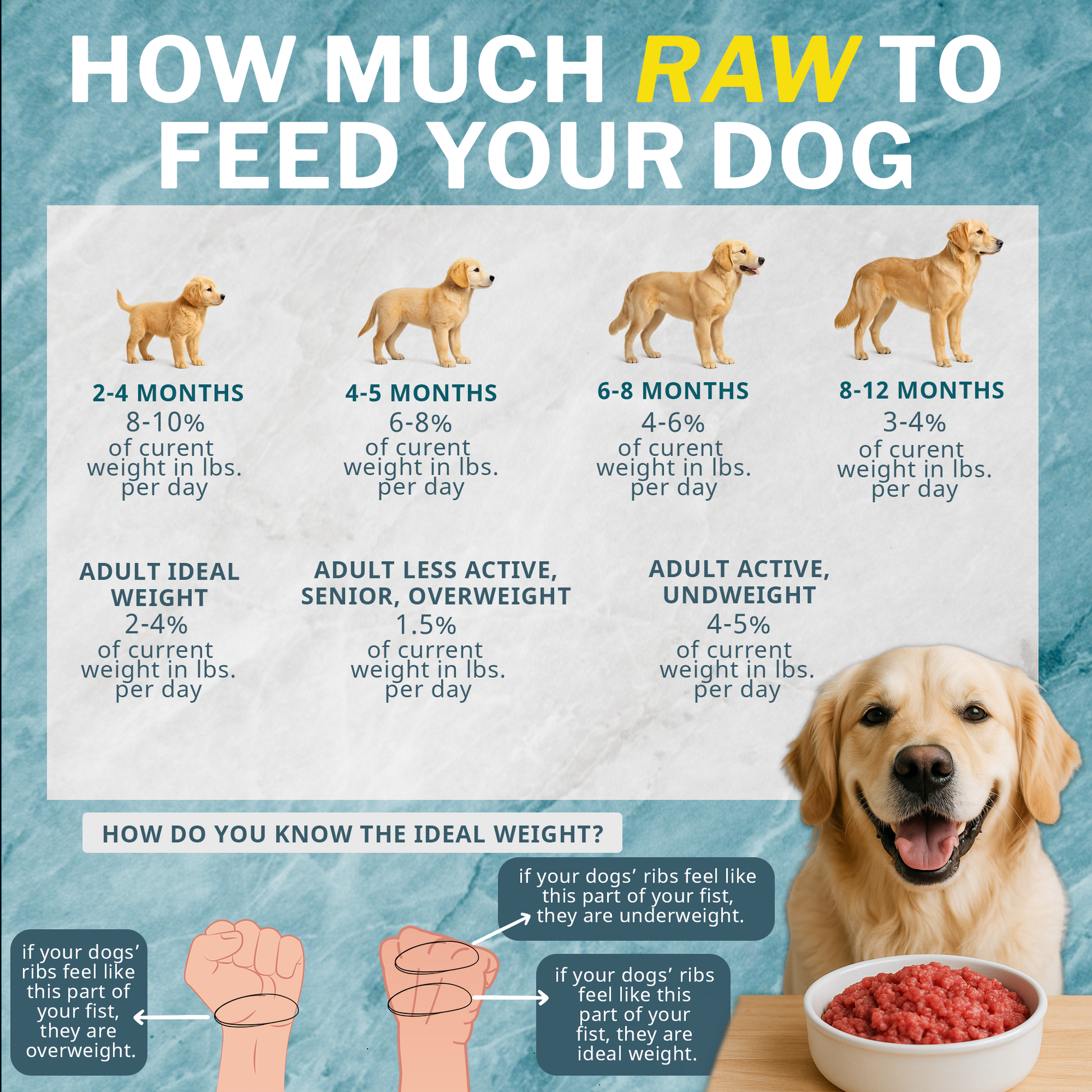
Adult dogs need different food amounts than puppies. Adjust portions based on your dog’s weight and activity level.
Follow feeding guidelines on the adult food package. Watch your dog’s weight and energy to decide if you need to change the amount.
- Feed smaller portions if your dog gains weight
- Feed larger portions if your dog loses weight or seems hungry
- Keep fresh water available at all times
Veterinary Advice And Support
Deciding when to switch your dog to adult food is important. It affects their health and growth.
Veterinary guidance helps you make the best choice for your pet. Regular checkups ensure your dog gets proper nutrition.
Regular Health Checkups
Regular health checkups are vital for your dog’s well-being. They help track growth and dietary needs.
- Schedule vet visits every six months.
- Discuss dietary changes with your vet.
- Monitor your dog’s weight and activity levels.
When To Seek Professional Guidance
Seek professional guidance when unsure about your dog’s diet. Vets offer tailored advice based on breed and age.
If your dog shows signs of allergies, consult your vet. They may recommend specific diets or tests.
Supplements And Additives
Supplements and additives can enhance your dog’s diet. They provide extra nutrients needed for growth and health.
| Supplement | Benefit |
| Omega-3 | Healthy skin and coat |
| Glucosamine | Joint support |
| Probiotics | Digestive health |
Credit: ifeedraw.com
Frequently Asked Questions
When Should I Switch My Puppy To Adult Dog Food?
You should switch your puppy to adult dog food around 12 months old. Large breeds may need more time, up to 18-24 months. Consult your vet for breed-specific advice to ensure proper nutrition during growth.
What Are Signs My Dog Is Ready For Adult Food?
Signs include slowed growth, lower energy needs, and reaching near adult size. Your vet can assess your dog’s development and recommend the best time to switch to adult food.
Can Feeding Adult Food Too Early Harm My Puppy?
Yes, feeding adult food too early can cause nutrient imbalance. Puppies need higher protein and calories for growth. Transition at the right time to avoid growth issues and maintain health.
How To Transition My Dog From Puppy To Adult Food?
Gradually mix adult food with puppy food over 7-10 days. Increase adult food portion daily to avoid digestive upset. Monitor your dog’s reaction and adjust pace if needed.
Conclusion
Choosing the right time to switch your dog to adult food matters. Usually, dogs start eating adult food between one and two years old. Watch your dog’s size and health for signs. Gradually change food to avoid stomach upset. Good nutrition supports your dog’s growth and energy.
Remember, every dog is different. Consult your vet for advice. Feeding adult food too early or late can cause problems. Keep your dog happy with the right diet at the right time. Simple steps lead to a healthy, strong dog.

Emily Barker is the founder of ChillDogLife.com, a space dedicated to helping pup parents discover the best dog products, lifestyle tips, and cozy ideas for happier homes.
A lifelong dog lover, Emily combines her passion for pets with a knack for research to share trusted recommendations on everything from toys and furniture to health and everyday care.
Her goal is simple: to make life easier, stylish, and more joyful for dogs and the people who love them.




