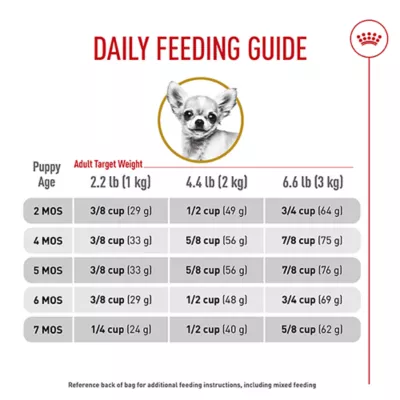
Are you wondering when your puppy can start eating adult dog food? Making the switch at the right time is important for your puppy’s health and growth.
Feed them too early, and they might miss out on essential nutrients. Wait too long, and you could be overfeeding or causing digestive issues. You’ll discover the key signs to watch for and expert tips to ensure your puppy’s diet supports their development perfectly.
Keep reading to make the best choice for your furry friend’s future.
Puppy Growth Stages
Puppies grow fast during their first months. Their diet changes as they grow.
Understanding growth stages helps you feed them properly. This guide covers early stages.
From Newborn To Weaning
Newborn puppies depend on their mother’s milk. This milk has all the nutrients they need.
They cannot eat solid food yet. Their bodies are still developing and need gentle care.
- 0 to 2 weeks: Puppies feed only on mother’s milk.
- 2 to 4 weeks: Puppies start opening their eyes and ears.
- 3 to 4 weeks: Teeth begin to appear, preparing for solid food.
- 4 to 6 weeks: Weaning process begins; puppies try soft foods.
Transition To Solid Food
Around four weeks, puppies try solid food mixed with water or milk.
This transition must be slow to avoid upset stomachs. Food texture changes gradually.
| Age | Type of Food | Notes |
| 4 weeks | Soft puppy food mixed with water | Start small amounts |
| 6 weeks | More solid puppy food | Less liquid, more solid |
| 8 weeks | Full puppy food | Ready for full meals |

Credit: www.youtube.com
Nutritional Needs Of Puppies
Puppies grow very fast and need special food. Their diet should help build strong bones and muscles. Good nutrition supports their health and energy.
Adult dog food does not meet a puppy’s needs. Puppies require more nutrients to grow properly. Feeding the right food helps avoid health problems later.
Essential Nutrients For Growth
Puppies need a balanced diet with key nutrients. These nutrients support brain development and body growth. Some important nutrients include:
- Protein for muscle and tissue growth
- Fats for energy and brain health
- Calcium and phosphorus for strong bones
- Vitamins to support the immune system
- Carbohydrates for energy
- Omega-3 fatty acids for healthy skin and coat
Differences Between Puppy And Adult Food
Puppy food and adult food have different nutrient levels. Puppy food has more calories and nutrients to support growth. Adult food focuses on maintenance and less energy.
| Nutrition | Puppy Food | Adult Food |
|---|---|---|
| Protein | Higher amount for growth | Lower amount for maintenance |
| Calories | More calories for energy | Fewer calories to avoid weight gain |
| Calcium & Phosphorus | Balanced for bone development | Lower to maintain bones |
| Fat | Higher for brain and coat health | Reduced fat content |
Signs To Switch To Adult Food
Puppies grow fast and their food needs change with age. Knowing when to change their diet is important.
Switching to adult dog food at the right time helps your dog stay healthy and strong.
Age Milestones
Most puppies are ready to start adult food between 9 and 12 months old. Smaller breeds may switch earlier, around 9 months. Larger breeds might need puppy food up to 12 months or more.
- Puppy is about 9 months old (small breeds)
- Puppy reaches 12 months old (medium breeds)
- Larger breeds may wait up to 18 months
Physical And Behavioral Indicators
Watch your puppy’s body and behavior for signs it is time to change food.
| Indicator | Description |
| Weight Stability | Puppy’s growth slows and weight gains level off. |
| Teeth Development | Permanent teeth have come in fully. |
| Energy Levels | Less hyperactivity and more steady energy throughout the day. |
| Appetite Changes | Puppy shows interest in adult food or less interest in puppy food. |
How To Transition Smoothly
Switching your puppy to adult dog food needs care. A smooth change helps your dog adjust well.
Rushing the switch can cause stomach problems. Take time to help your puppy get used to new food.
Gradual Mixing Techniques
Mix puppy food with adult food slowly. This helps your dog’s body adapt to the new taste and nutrients.
- Start with 75% puppy food and 25% adult food.
- After three days, change to 50% puppy and 50% adult food.
- Next, use 25% puppy food and 75% adult food for three days.
- Finally, give only adult dog food.
Monitoring Digestive Health
Watch your puppy’s digestion during the change. Look for signs like loose stools or vomiting.
| Sign | What to Do |
| Loose stool | Slow down the food change |
| Vomiting | Pause new food and consult vet |
| Normal stool | Continue gradual transition |
Risks Of Early Or Late Transition
Switching a puppy to adult dog food too soon can cause health problems. Waiting too long to change can also be harmful. It is important to find the right time to transition their diet.
This guide explains the risks of changing a puppy’s food too early or too late. Understanding these risks helps keep your puppy healthy and strong.
Potential Health Issues
Feeding adult dog food to a puppy too early may cause poor growth. Puppies need extra nutrients to build bones and muscles. Adult food may not have enough of these nutrients.
Waiting too long to switch to adult food can cause obesity. Puppy food has more calories and fat. Older dogs may gain weight if they eat puppy food for too long.
- Early transition risks: nutrient deficiencies, slow growth
- Late transition risks: weight gain, joint stress
Weight And Energy Concerns
Puppies need more energy to grow and play. Puppy food provides extra calories for this. Adult dog food has fewer calories, which can leave a puppy tired if given too early.
On the other side, adult dogs need less energy. Feeding puppy food too long may cause extra weight. Too much weight puts pressure on joints and can cause health issues.
- Early switch: low energy, poor activity levels
- Late switch: excess weight, joint problems
Special Considerations
Transitioning a puppy to adult dog food is an important step. It requires understanding specific needs of your pet.
Puppies grow quickly, and their diet must support this growth. Knowing when to switch to adult food is crucial for their health.
Breed Size Differences
The size of your dog’s breed affects when they should start adult food. Smaller breeds mature faster than larger ones.
- Small breeds: Switch at 9-12 months
- Medium breeds: Switch at 12-15 months
- Large breeds: Switch at 15-18 months
Consulting Your Veterinarian
Your veterinarian can provide the best advice for your puppy’s diet. They consider your puppy’s health history and needs.
Choosing The Right Adult Dog Food
When your puppy starts to grow, it’s time to think about adult dog food. Choosing the right food is important for their health and happiness.
Puppies can usually start eating adult food around one year old. The exact time can vary, so ask your vet for advice based on your dog’s breed and size.
Ingredients To Look For
Good ingredients are key to a healthy diet. Look for foods that list real meat as the first ingredient.
Quality food should also have whole grains, fruits, and vegetables. These provide fiber and essential vitamins.
- Chicken, beef, or fish as the first ingredient
- Whole grains like brown rice or oats
- Fruits and veggies such as carrots or blueberries
Avoiding Harmful Additives
Some additives can be bad for dogs. It’s best to avoid artificial colors, flavors, and preservatives.
Check labels carefully. Foods with fewer additives are usually healthier choices for your pet.
- Avoid artificial colors and flavors
- Stay away from preservatives like BHA and BHT
- Look for natural preservatives like vitamin E
Credit: dogsauce.co
Credit: www.petsradar.com
Frequently Asked Questions
When Is The Best Time To Switch A Puppy To Adult Dog Food?
Puppies can transition to adult dog food around 12 months old. Small breeds may switch earlier, at 9-12 months. Always consult your vet for personalized advice based on breed and health.
Why Should Puppies Eat Puppy Food Before Adult Food?
Puppy food contains higher protein, fats, and nutrients needed for growth. It supports bone development, energy, and immune health. Adult food lacks these essential nutrients for young, growing dogs.
Can Switching To Adult Food Too Early Harm Puppies?
Yes, early switching can cause nutrient deficiencies and growth problems. Puppies need puppy-specific nutrition to develop properly. Switching too soon may weaken their immune system and stunt growth.
How To Transition A Puppy To Adult Dog Food Safely?
Mix adult food gradually with puppy food over 7-10 days. Increase adult food amount daily while reducing puppy food. This helps prevent digestive upset and allows a smooth dietary change.
Conclusion
Puppies need special food to grow strong and healthy. Switching to adult dog food too soon can cause problems. Most puppies can start adult food around one year old. Always watch your puppy’s health and energy during the change. Talk to your vet for the best advice.
Feeding the right food at the right time helps your dog live a happy life. Careful feeding shows you love your puppy well. Keep your dog’s needs in mind every step of the way.

Emily Barker is the founder of ChillDogLife.com, a space dedicated to helping pup parents discover the best dog products, lifestyle tips, and cozy ideas for happier homes.
A lifelong dog lover, Emily combines her passion for pets with a knack for research to share trusted recommendations on everything from toys and furniture to health and everyday care.
Her goal is simple: to make life easier, stylish, and more joyful for dogs and the people who love them.




