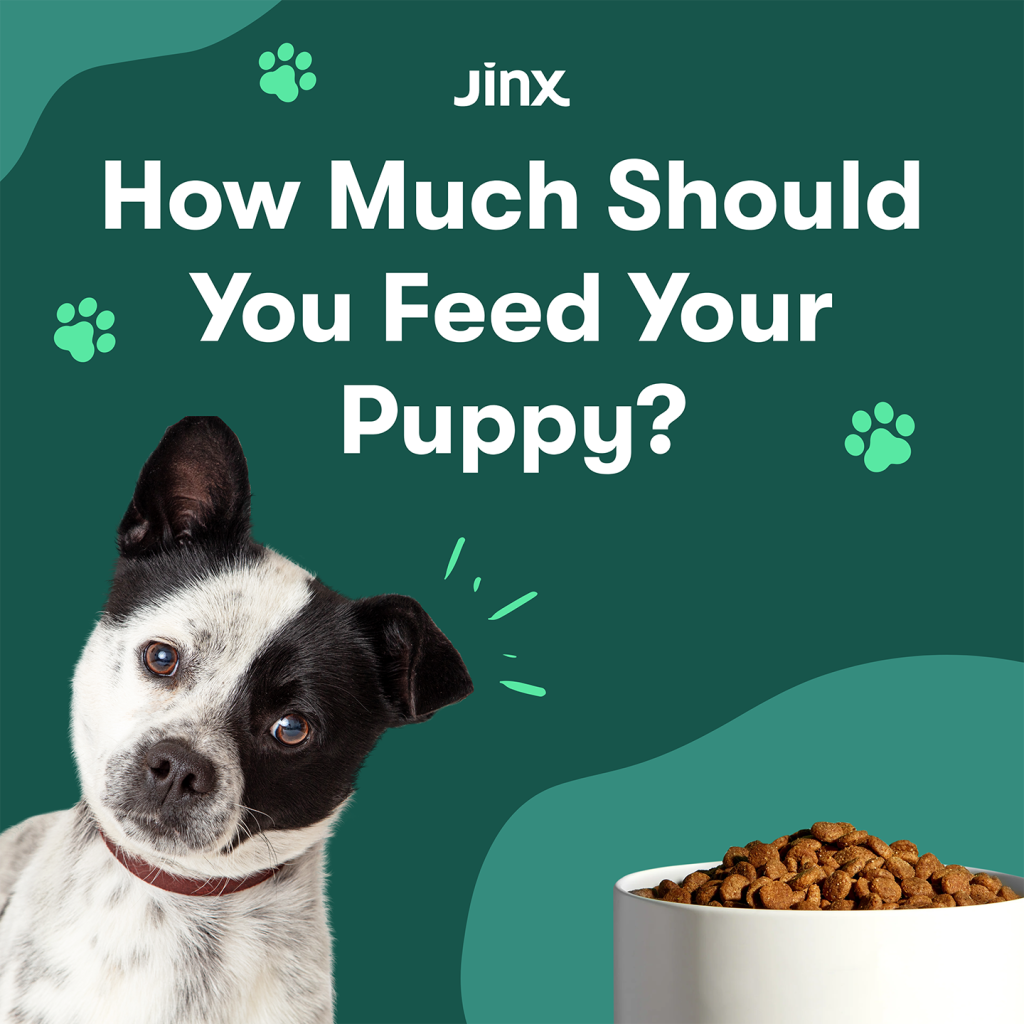
Are you wondering if it’s okay to feed your puppy adult dog food? You want to make sure your furry friend grows up healthy and strong.
But with so many choices out there, it’s easy to feel confused. What’s best for your puppy’s nutrition? Feeding the wrong food could affect their growth and energy levels. Keep reading to discover the truth about adult dog food for puppies—and learn how to give your puppy the nutrition they truly need.

Credit: www.pethealthclub.com
Puppy Nutritional Needs
Puppies need different food than adult dogs. Their bodies grow fast and need special care. Feeding puppies the right food helps them stay healthy.
Adult dog food may not give puppies all they need. Understanding puppy nutrition helps you choose the best diet for your young dog.
Growth And Development Requirements
Puppies grow quickly in the first months. Their bones, muscles, and organs develop fast. They need more calories and nutrients than adult dogs.
- Higher calorie intake to support energy needs
- More protein to build strong muscles
- Calcium and phosphorus for healthy bones
- Frequent meals for steady growth
- Proper hydration to support organ function
Essential Nutrients For Puppies
| Nutrient | Purpose | Sources |
|---|---|---|
| Protein | Builds muscles and tissues | Meat, eggs, fish |
| Fat | Energy and brain development | Fish oil, chicken fat |
| Calcium | Strong bones and teeth | Dairy, bone meal |
| Phosphorus | Works with calcium for bones | Meat, grains |
| Vitamins | Supports immune system | Vegetables, fruits |
| Water | Keeps the body hydrated | Fresh clean water |

Credit: www.purina.com
Differences Between Puppy And Adult Dog Food
Puppies need special food to grow strong and healthy. Adult dog food is made for dogs that are fully grown.
Feeding puppies adult dog food may not give them all the nutrients they need. Puppy food has different ingredients and amounts.
Calorie And Protein Content
Puppies burn more energy because they grow fast. Puppy food has more calories to support this growth.
Protein helps build muscles and tissues. Puppy food has higher protein levels than adult dog food.
- Puppy food has more calories per serving
- Higher protein supports muscle development
- Adult dog food has fewer calories for maintenance
- Protein is lower to match less active needs
Vitamin And Mineral Levels
Puppies need more vitamins and minerals for bone growth and immune support. Puppy food has added nutrients for this.
Adult dog food has balanced vitamins for health but not extra for growth. Feeding adult food to puppies can miss key nutrients.
| Nutrient | Puppy Food | Adult Dog Food |
|---|---|---|
| Calcium | Higher for strong bones | Moderate for maintenance |
| Vitamin D | Increased for bone health | Standard levels |
| Iron | Boosted for growth | Normal levels |
| Zinc | Elevated for immune system | Balanced for adults |
Risks Of Feeding Adult Food To Puppies
Puppies need special food to grow healthy and strong. Adult dog food is not made for their needs. Feeding puppies adult food can cause problems.
It is important to know the risks before giving puppies adult dog food. This helps keep puppies safe and healthy.
Nutritional Deficiencies
Puppies need more protein, fat, and vitamins than adult dogs. Adult food has less of these important nutrients. This can cause puppies to miss what they need to grow.
Missing nutrients can lead to weak muscles and poor development. Puppies may also have low energy and get sick more often.
- Adult food has less protein than puppy food
- Fat levels are lower in adult dog food
- Essential vitamins may be missing or too low
- Puppies need more calcium for bone growth
Impact On Growth And Health
Feeding adult food to puppies can slow their growth. Their bones and organs may not develop well. This can cause long-term health problems.
Puppies may also have weak immune systems. They can get sick more easily and take longer to heal from injuries. Proper puppy food supports strong growth and health.
- Growth may be slower or uneven
- Bone and joint problems can develop
- Immune system may weaken
- Higher risk of illness and infections
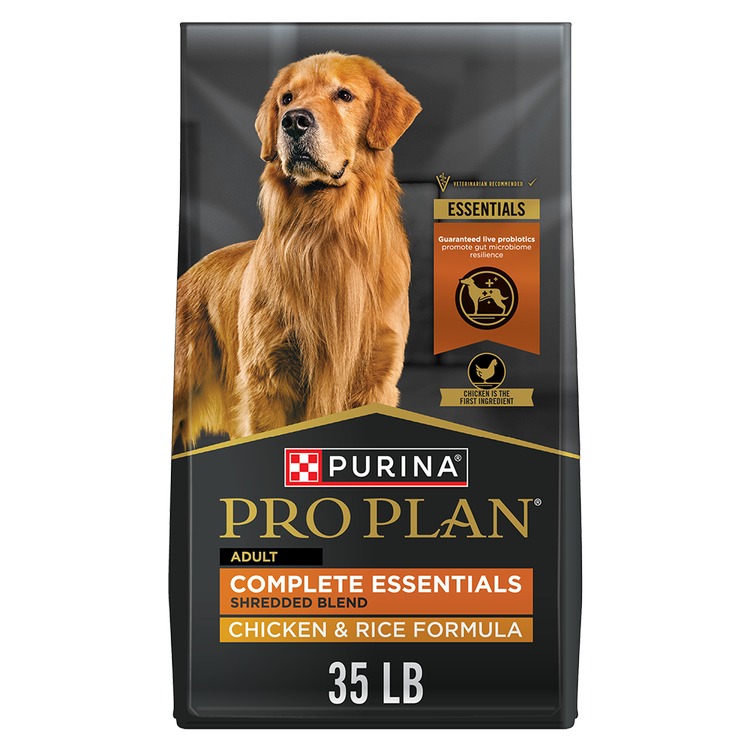
Credit: www.purina.com
When Adult Food Might Be Suitable
Feeding puppies adult dog food is not common, but some situations may call for it. Puppies have different nutritional needs than adult dogs.
Knowing when adult food can be okay helps keep your puppy healthy. It is best to understand special cases and proper ways to switch foods.
Special Circumstances And Vet Guidance
Some puppies may need adult dog food under certain conditions. Always check with a vet before making changes.
- If your puppy has a medical condition requiring adult food
- When the vet recommends a special diet for growth control
- If your puppy is overweight and needs fewer calories
- In cases where puppy food is not available temporarily
Vets can guide you on safe feeding and the right food type for your puppy’s health.
Transitioning Between Foods
Switching from puppy to adult food needs care. Sudden changes can upset your puppy’s stomach.
| Day | Amount of Puppy Food | Amount of Adult Food |
| 1-2 | 75% | 25% |
| 3-4 | 50% | 50% |
| 5-6 | 25% | 75% |
| 7 | 0% | 100% |
Use this slow change to help your puppy adjust well to new food.
Choosing The Right Food For Your Puppy
Feeding your puppy the right food helps them grow strong and healthy. Puppies need special nutrients that adult dogs do not. Choosing food made for puppies supports their development.
Many pet owners wonder if adult dog food is okay for puppies. It is important to learn what makes puppy food different and why that matters.
Consulting A Veterinarian
A veterinarian can help you pick the best food for your puppy. They know what nutrients your puppy needs at each stage of growth. Your vet can also suggest brands or formulas that fit your puppy’s health.
- Ask about the right feeding schedule.
- Discuss any allergies or health issues.
- Get advice on switching from puppy to adult food.
- Learn how much food your puppy needs daily.
Reading Dog Food Labels
Dog food labels give useful information to help you choose wisely. Look for foods that meet the nutritional needs of puppies. Check for ingredients that support growth and brain development.
| Label Item | What to Look For | Why It Matters |
|---|---|---|
| Guaranteed Analysis | High protein and fat levels | Supports energy and muscle growth |
| Ingredients List | Quality meats and whole foods | Better nutrition and digestibility |
| Adequacy Statement | “For growth” or “Puppy” | Means food meets puppy nutritional needs |
| Feeding Instructions | Age-based portion sizes | Helps feed the right amount |
Tips For Feeding Puppies
Puppies need special food to grow strong and healthy. Adult dog food is not suitable for them. Here are some tips for feeding your puppy the right way.
Feeding Schedules And Portions
Puppies should eat more often than adult dogs. They need small meals several times a day. This helps with their growth and energy levels.
- Feed puppies three to four times a day
- Adjust portions as they grow
- Always follow the vet’s advice on food amounts
Monitoring Puppy Health And Weight
Watching a puppy’s weight is important. Too much or too little food can cause health issues. Regular checks help keep them healthy.
Look for signs of weight gain or loss. Puppies should have a slight waist when viewed from above.
- Check weight every week
- Consult your vet if you notice changes
- Ensure your puppy is active and playful
Frequently Asked Questions
Can Puppies Eat Adult Dog Food Safely?
Puppies should not eat adult dog food regularly. Adult formulas lack essential nutrients for growth. Feeding adult food may cause deficiencies and health issues. Always choose puppy-specific food for balanced nutrition and proper development.
What Happens If Puppies Eat Adult Dog Food?
Puppies eating adult food may miss vital nutrients like calcium and protein. This can stunt growth and weaken immunity. Occasional adult food is unlikely harmful but should not replace puppy food. Proper diet supports healthy bones, muscles, and brain development.
How Long Can Puppies Eat Adult Dog Food?
Puppies should eat adult dog food only briefly in emergencies. Long-term feeding can lead to nutritional imbalances. Transition to adult food gradually after 12 months when growth completes. Consult a vet for the best feeding schedule for your puppy.
Why Is Puppy Food Different From Adult Dog Food?
Puppy food contains higher protein, fat, and vitamins for growth. Adult food is formulated for maintenance, not development. Puppies need extra nutrients to build bones and muscles. Feeding the right formula ensures healthy growth and energy.
Conclusion
Puppies need special food to grow strong and healthy. Adult dog food lacks the right nutrients for them. Feeding puppies adult food can cause health problems. Always choose food made just for puppies. It helps their bones, muscles, and energy.
Talk to a vet for the best advice. Good nutrition sets the path for a happy life. Keep your puppy’s diet balanced and safe. It matters more than you might think.

Emily Barker is the founder of ChillDogLife.com, a space dedicated to helping pup parents discover the best dog products, lifestyle tips, and cozy ideas for happier homes.
A lifelong dog lover, Emily combines her passion for pets with a knack for research to share trusted recommendations on everything from toys and furniture to health and everyday care.
Her goal is simple: to make life easier, stylish, and more joyful for dogs and the people who love them.




