
If you have an 8-month-old dog, you’re probably wondering if it’s time to switch from puppy food to adult food. You want to make sure your furry friend gets the right nutrition to grow strong and stay healthy.
But is adult dog food the best choice at this age? Choosing the wrong food can affect your dog’s energy, growth, and overall well-being. Keep reading to find out when and how to make this important change for your dog’s diet.

Credit: www.hillspet.com
When To Switch To Adult Dog Food
Knowing the right time to switch your dog to adult food is important for their health. Puppies grow fast, but they do not need puppy food forever.
This guide explains when your dog is ready to change their diet from puppy to adult food.
Signs Your Dog Is Ready
Watch for these signs to know if your dog is ready to eat adult food. These signs show they have grown enough.
- Your dog is losing the rapid growth rate seen in puppies.
- Their teeth are fully grown and strong.
- Your dog starts to show more adult behavior and energy levels.
- Weight gain has slowed down and is steady.
- Your vet confirms your dog’s growth stage is complete.
Breed And Size Considerations
Different breeds and sizes grow at different speeds. This affects when they should switch to adult food.
| Breed Size | Typical Switch Age | Notes |
| Small Breeds | 9 to 12 months | Grow faster, switch earlier |
| Medium Breeds | 12 months | Average growth time |
| Large Breeds | 12 to 18 months | Grow slower, switch later |
| Giant Breeds | 18 to 24 months | Slowest growth, longest puppy phase |
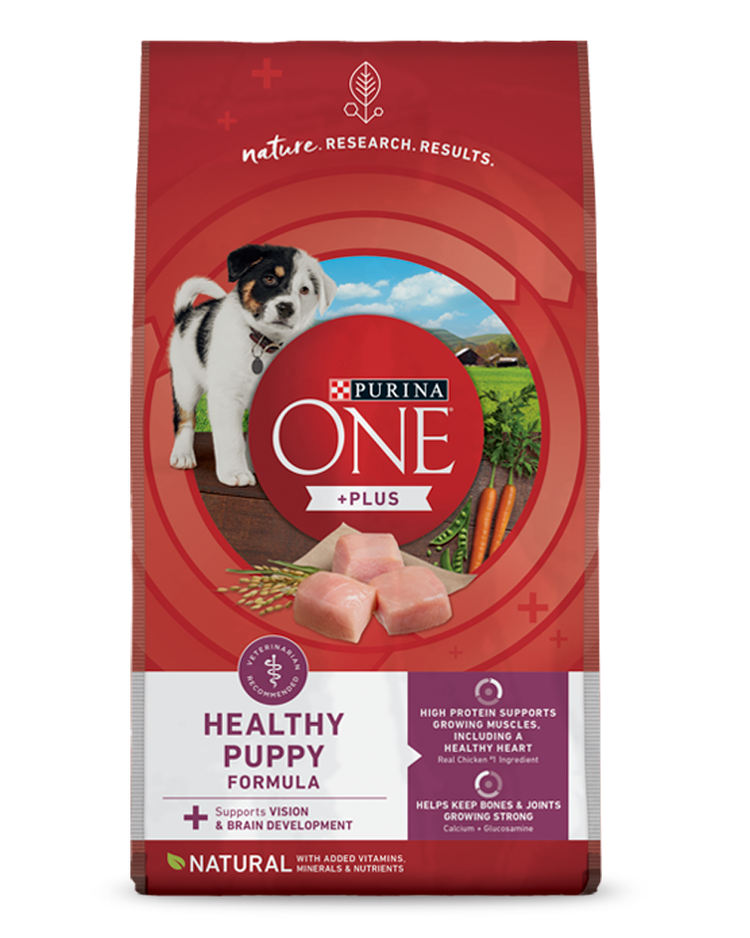
Credit: www.purina.com
Differences Between Puppy And Adult Food
Feeding your 8-month-old dog the right food is important. Puppy and adult dog foods have different purposes. Knowing the differences helps you choose the best diet.
Puppy food supports growth and development. Adult food keeps your dog healthy after growth stops. Let’s look at what makes them different.
Nutritional Needs
Puppies need more nutrients for their growing bodies. They require extra protein, fat, and vitamins. Adult dogs need a balanced diet to maintain weight and health.
- Puppy food has higher protein for muscle growth.
- More fat in puppy food gives energy for play and learning.
- Adult food focuses on maintaining healthy weight and organs.
- Essential vitamins and minerals are adjusted for each life stage.
Calorie Content
Puppies burn more calories because they are active and growing fast. Their food has more calories per serving. Adult dogs need fewer calories to avoid weight gain.
| Food Type | Calorie Content | Purpose |
|---|---|---|
| Puppy Food | Higher calories | Supports growth and energy needs |
| Adult Food | Lower calories | Maintains healthy weight |
Ingredient Variations
Puppy food often includes ingredients that help build strong bones and brain function. Adult food ingredients focus on joint health and digestion.
Common ingredient differences:
- Puppy food: DHA for brain development
- Puppy food: Calcium for bone growth
- Adult food: Glucosamine for joints
- Adult food: Fiber for digestion
How To Transition Safely
Switching your 8-month-old dog to adult food needs care. A sudden change can upset their stomach.
This guide helps you move from puppy to adult food without problems.
Gradual Mixing Method
Mix adult food with puppy food slowly. Start with a small amount of adult food in each meal.
- Day 1-3: 25% adult food, 75% puppy food
- Day 4-6: 50% adult food, 50% puppy food
- Day 7-9: 75% adult food, 25% puppy food
- Day 10: 100% adult food
Monitoring Your Dog’s Reaction
Watch your dog closely for signs of discomfort or allergies. Note any changes in behavior or digestion.
| Sign | What to Do |
| Vomiting | Pause transition and consult vet |
| Diarrhea | Slow down mixing process |
| Loss of appetite | Try different adult food brand |
| Normal behavior | Continue gradual mixing |
Potential Risks Of Early Transition
Switching an 8-month-old dog to adult food too soon can cause problems. Puppies still need special nutrients for healthy growth.
Adult dog food may not support their developing bodies. This can lead to health issues if the change happens early.
Digestive Issues
Puppy stomachs are sensitive and not ready for adult food. The different ingredients can cause upset stomachs.
Common digestive problems include diarrhea, vomiting, and gas. These symptoms show the food is too hard to digest.
- Diarrhea due to sudden diet change
- Vomiting from new food ingredients
- Gas caused by different fiber levels
Nutrient Deficiencies
Puppies need extra nutrients that adult food may lack. This can affect their bone and muscle growth.
Lacking essential vitamins and minerals can weaken the immune system. This makes puppies more likely to get sick.
- Lower calcium and phosphorus for bones
- Less protein for muscle development
- Missing vitamins for immune health
Choosing The Right Adult Food
At eight months old, your dog is growing fast. Switching to adult food needs care. Pick food that supports your dog’s health and energy.
Adult dog food has different nutrients than puppy food. Choosing the right one helps your dog stay strong and happy.
Quality Ingredients
Good adult dog food uses real meat or fish as the first ingredient. Avoid foods with too many fillers like corn or wheat.
Look for foods with added vitamins and minerals. These help keep your dog’s bones and immune system healthy.
- Real meat or fish as the main ingredient
- No artificial colors or flavors
- Added vitamins and minerals for health
- Limited fillers like corn or wheat
Age And Size Specific Formulas
Adult dog foods come in formulas for different ages and sizes. Your eight-month-old dog may need a formula for young adults.
Large and small breeds need different nutrients. Choose a food made for your dog’s size to help their growth and energy.
- Formulas for young adult dogs support growth
- Small breed food has smaller kibble and more calories
- Large breed food supports joint health
- Check the label for age and size recommendations
Tips For Maintaining A Healthy Diet
Feeding your 8-month-old dog the right food is crucial. It ensures they grow healthy and strong.
Transitioning to adult food requires care. Here are some tips to guide you.
Regular Vet Checkups
Regular vet visits help keep your dog healthy. The vet can advise when to switch to adult food.
- Schedule visits every 6 months.
- Discuss diet changes with your vet.
- Monitor your dog’s weight and health.
Balanced Feeding Schedule
A balanced feeding schedule helps in proper growth. It prevents overfeeding and underfeeding.
| Meal Time | Quantity | Type of Food |
| Morning | 1 cup | Adult Dog Food |
| Evening | 1 cup | Adult Dog Food |

Credit: www.pethealthclub.com
Frequently Asked Questions
Can An 8-month-old Dog Eat Adult Dog Food?
Yes, an 8-month-old dog can start eating adult dog food. At this age, many dogs transition from puppy to adult food. Adult food supports their changing nutritional needs. Consult your vet to ensure the best diet for your dog’s breed and size.
When Is The Best Time To Switch Dog Food?
The best time to switch is around 8 to 12 months. This depends on your dog’s breed and growth rate. Large breeds may need puppy food longer. Gradually introduce adult food over 7-10 days to avoid digestive upset.
What Are The Risks Of Feeding Adult Food Too Early?
Feeding adult food too early may lack essential nutrients for growth. Puppy food contains higher protein and calories needed for development. Early switch can cause nutritional deficiencies and slow growth. Always follow vet advice to avoid health issues.
How To Transition An 8-month-old Dog To Adult Food?
Mix increasing amounts of adult food with puppy food over 7-10 days. Gradually reduce puppy food until fully switched. Monitor your dog’s digestion and energy levels during transition. This method helps prevent stomach upset and encourages acceptance.
Conclusion
An 8-month-old dog can start eating adult food, but with care. Choose a high-quality adult food made for their size and breed. Change food slowly to avoid stomach upset. Watch your dog’s weight and energy levels during the switch. Consult your vet to make sure the new diet fits your dog’s needs.
Feeding the right food helps your dog grow healthy and strong. Keep an eye on how your dog reacts to the new food. This way, you support their health every step of the way.

Emily Barker is the founder of ChillDogLife.com, a space dedicated to helping pup parents discover the best dog products, lifestyle tips, and cozy ideas for happier homes.
A lifelong dog lover, Emily combines her passion for pets with a knack for research to share trusted recommendations on everything from toys and furniture to health and everyday care.
Her goal is simple: to make life easier, stylish, and more joyful for dogs and the people who love them.




