Have you ever wondered if a dog bite counts as an accident? If you or someone you care about has been bitten, this question becomes more than just curiosity—it affects your rights and the actions you can take.
Understanding whether a dog bite is legally seen as an accident can change everything from medical care to insurance claims. Keep reading, because knowing the truth could protect you and help you make the best decisions after a bite happens.

Credit: lawgroupofiowa.com
Legal Definition Of A Dog Bite
Understanding the legal definition of a dog bite is crucial if you or someone you know has been bitten. It affects how the case is viewed by courts and insurance companies, and it determines your rights and responsibilities. Knowing what legally counts as a dog bite can help you take the right steps for compensation or prevention.
What Constitutes A Dog Bite
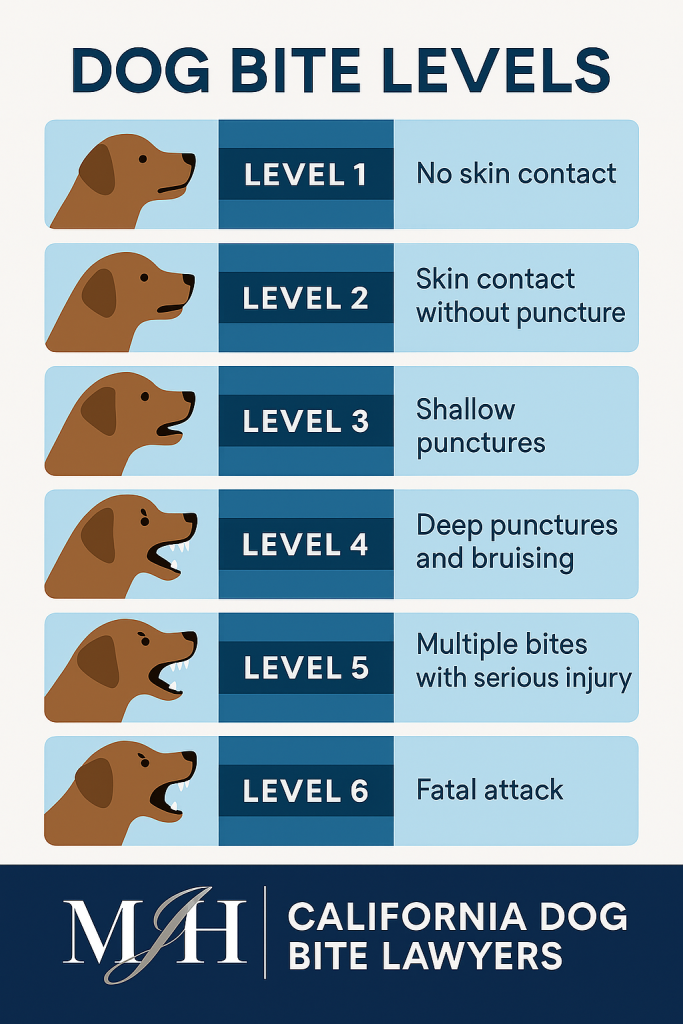
A dog bite isn’t just about teeth breaking the skin. Legally, it includes any situation where a dog’s mouth makes contact with a person in a way that causes injury. This can range from a minor puncture to a serious wound.
Some states also consider scratches or abrasions caused by a dog’s claws as part of a bite incident. If you’ve ever had a dog snap at you without breaking the skin, that might not legally count as a bite, but it could still be important for your case.
Have you noticed how some dog bites leave deep marks, while others barely break the skin? The law usually focuses on the actual injury and whether it was caused by the dog’s action.
Accident Vs. Negligence In Dog Bites
Is a dog bite always an accident? Not necessarily. Legally, an accident suggests something unexpected and unavoidable. But if the dog owner ignored warnings or failed to control their dog, the bite might be seen as negligence.
Negligence means the owner didn’t take reasonable steps to prevent the bite. This could include not using a leash, ignoring aggressive behavior, or failing to fence the dog properly.
Imagine a dog owner who knows their pet has bitten before but doesn’t warn visitors. If the dog bites again, that’s more than an accident—it’s negligence. This distinction matters because negligence can increase the chance of winning compensation.

Credit: www.4injured.com
Common Causes Of Dog Bites
Dog bites happen for different reasons. Understanding these reasons helps prevent bites and handle situations better. Many factors influence why a dog might bite. These include the dog’s feelings, its surroundings, and how people act near it.
Provoked Vs. Unprovoked Bites
Provoked bites occur when a dog feels threatened or scared. Common triggers include:
- Being touched suddenly
- Protecting puppies or food
- Feeling pain or discomfort
- Being teased or hurt
Unprovoked bites happen without an obvious cause. These may be due to:
- A dog’s natural aggression
- Fear or anxiety
- Territorial behavior
- Medical issues affecting behavior
Role Of Dog Behavior And Environment
A dog’s behavior depends on training and socialization. Friendly dogs are less likely to bite.
Environment plays a role too. Crowded or noisy places can stress dogs. Stress may lead to biting.
Dogs left alone too long may feel lonely or anxious. This can cause bites.
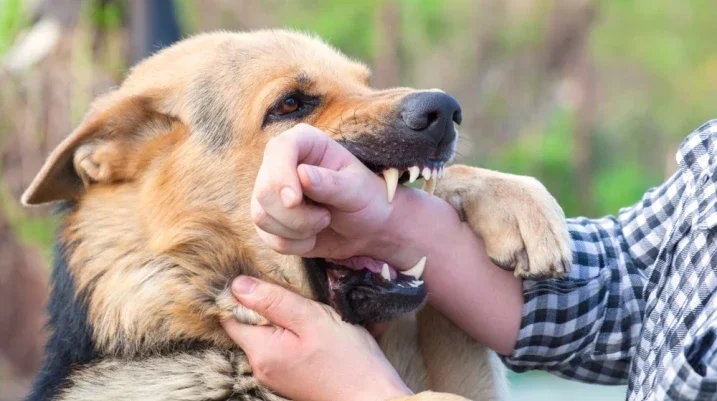
Knowing a dog’s body language helps avoid bites. Signs like growling or baring teeth warn of danger.
Accident Classification In Dog Bite Cases
Understanding how dog bites are classified legally helps clarify many situations. The term “accident” has specific meaning in law, especially in dog bite cases. This affects insurance claims, liability, and legal responsibility.
Not all dog bites are considered accidents. The classification depends on the dog’s behavior and the circumstances leading to the bite. Knowing when a bite counts as an accident is crucial for victims and dog owners.
When A Bite Is Considered An Accident
A dog bite is often seen as an accident if the dog did not intend harm. This includes cases where:
- The dog was provoked unintentionally.
- The bite happened suddenly without warning.
- The owner took reasonable steps to control the dog.
- The bite occurred during normal, non-aggressive behavior.
In these cases, the event is accidental because there was no plan or desire to cause injury. The dog acted instinctively or out of fear.
Situations Excluded From Accident Classification
Some bites are not classified as accidents. These include:
- When the dog was trained to attack.
- The owner encouraged aggressive behavior.
- The bite was a result of neglect or poor control.
- The dog bit after repeated warnings or threats.
In such cases, the bite is seen as intentional or due to negligence. This changes the legal consequences and potential compensation.
Legal Implications Of Dog Bites
Dog bites carry serious legal consequences. Knowing these helps victims understand their rights. Laws vary by state, but some rules remain common. Understanding liability and compensation is key to handling these cases effectively.
Liability Of Dog Owners
Dog owners often face legal responsibility for bites. Many states use a “strict liability” rule. This means owners are liable even if the dog never bit before. Some states require proof that the owner was negligent. Negligence means failing to control or restrain the dog.
Owners must keep dogs under control at all times. Fencing, leashes, and warning signs can reduce risks. Courts look at the owner’s actions to decide liability. If the owner ignored warnings, liability increases.
Compensation And Claims Process
Victims can claim compensation for injuries and losses. Claims cover medical bills, lost wages, and pain. Emotional distress may also be compensated in some cases.
The claims process usually starts with documentation. Collecting medical records, witness statements, and photos is vital. Victims often file claims with the owner’s insurance first.
If insurance denies the claim, victims can sue in court. Legal help improves chances of fair compensation. Timely action is important, as laws set deadlines for claims.
Preventing Dog Bites
Preventing dog bites requires awareness and responsibility from both dog owners and the public. Understanding how to behave around dogs and recognizing their signals can make a big difference. Taking simple precautions helps create a safer environment for everyone.
Safety Tips For Dog Owners
As a dog owner, your role is crucial in preventing bites. Train your dog to respond to basic commands like “sit,” “stay,” and “leave it.” This control reduces the chances of aggressive behavior.
Socialize your dog early by exposing it to different people and environments. This helps your dog feel comfortable and less likely to react fearfully or aggressively. Regular exercise and mental stimulation also keep your dog calm and less prone to biting.
Never leave your dog unsupervised with strangers or children. Even a well-behaved dog can bite if startled or provoked. Make sure your dog wears a collar with identification in case it escapes.
Protective Measures For The Public
When you encounter a dog you don’t know, your actions can prevent a bite. Avoid sudden movements or loud noises that might scare the dog. Instead, stay calm and let the dog sniff you if it seems curious.
Never approach a dog that is eating, sleeping, or caring for puppies. These situations can trigger protective instincts. If a dog shows signs of aggression, such as growling or baring teeth, back away slowly without turning your back.
Teach children how to behave around dogs. Show them how to ask permission before petting and to avoid hugging or disturbing dogs when they are resting. Awareness and respect for a dog’s space can stop many bite incidents.
Credit: www.forthepeople.com
Frequently Asked Questions
Is A Dog Bite Legally Considered An Accident?
A dog bite is often classified as an accident in legal terms. It depends on circumstances and local laws. Liability and negligence affect this classification. Many jurisdictions treat dog bites as preventable incidents, not random accidents.
What Determines If A Dog Bite Is An Accident?
Whether a dog bite is an accident depends on owner responsibility and victim behavior. If the owner failed to control the dog, it may not be an accident. Intent and provocation also influence this determination in legal cases.
Are Dog Bites Covered Under Accident Insurance?
Some accident insurance policies cover dog bites, but coverage varies widely. Homeowner’s or renter’s insurance often includes dog bite liability. It’s important to review your policy details to understand if dog bites are included.
Can A Dog Bite Accident Lead To Legal Claims?
Yes, dog bite incidents often lead to legal claims for damages. Victims can seek compensation for medical bills, pain, and suffering. Proving negligence or liability is key to winning a dog bite claim.
Conclusion
A dog bite is often more than just an accident. It involves responsibility and sometimes legal action. Knowing this helps protect your rights and health. Always treat bites seriously and seek help. Understanding the facts makes handling the situation easier.
Stay safe and informed about dog bite incidents.

Emily Barker is the founder of ChillDogLife.com, a space dedicated to helping pup parents discover the best dog products, lifestyle tips, and cozy ideas for happier homes.
A lifelong dog lover, Emily combines her passion for pets with a knack for research to share trusted recommendations on everything from toys and furniture to health and everyday care.
Her goal is simple: to make life easier, stylish, and more joyful for dogs and the people who love them.




