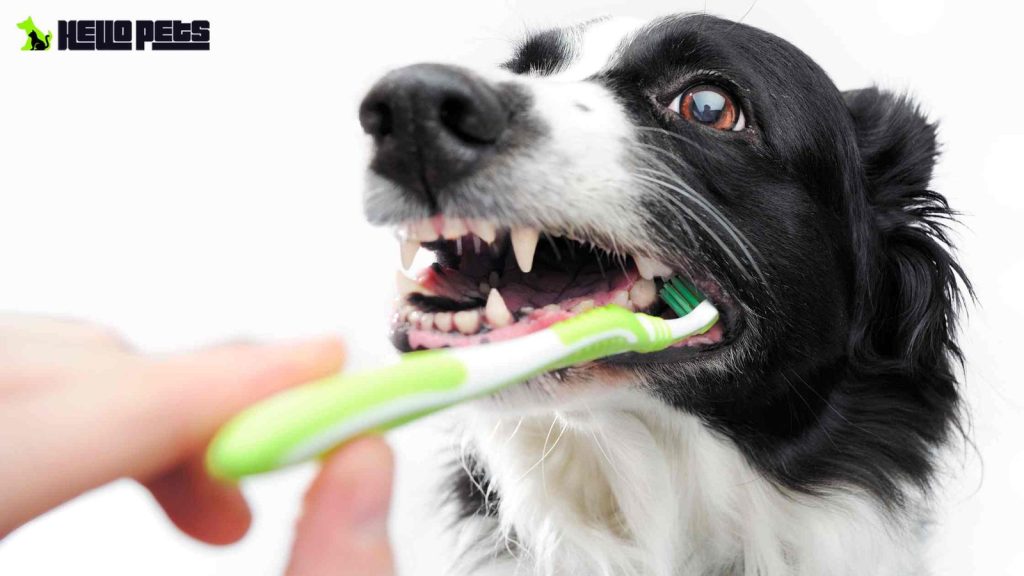
Brushing your dog might seem simple, but doing it the right way can make a huge difference in their health and happiness. If you want your furry friend to have a shiny coat, less shedding, and fewer mats, you need to know the best brushing techniques.
You’ll discover easy steps that make brushing your dog quick and stress-free—for both of you. Keep reading to learn how to turn brushing time into a bonding moment your dog will actually enjoy.
Choosing The Right Brush
Choosing the right brush is important for your dog’s coat health. The right brush removes dirt, loose fur, and prevents mats. It also makes grooming easier and more comfortable for your dog. Picking a brush that fits your dog’s coat type helps keep their fur shiny and clean.
Types Of Brushes
- Slicker Brush:Has fine, short wires close together. Great for removing tangles and mats.
- Bristle Brush:Has soft or firm bristles. Good for short-haired dogs to remove loose hair and dirt.
- Pin Brush:Features long pins with rounded ends. Works well for medium to long hair coats.
- Undercoat Rake:Designed to remove loose undercoat fur. Ideal for thick double coats.
- Rubber Brush:Soft rubber nubs massage skin and remove loose hair. Suitable for short-haired dogs.
Matching Brush To Coat Type
| Coat Type | Recommended Brush | Benefits |
|---|---|---|
| Short Hair | Bristle or Rubber Brush | Removes loose hair and dirt gently |
| Medium Hair | Pin Brush or Slicker Brush | Untangles and smooths fur easily |
| Long Hair | Slicker Brush and Pin Brush | Prevents mats and keeps fur neat |
| Double Coat | Undercoat Rake and Slicker Brush | Removes loose undercoat and tangles |
Preparing Your Dog
Preparing your dog before brushing is key to a smooth and enjoyable grooming session. It helps reduce stress for both of you and makes the brushing more effective. Taking a few moments to set the right tone and check your dog’s skin can save you from unexpected challenges later.
Creating A Calm Environment
Your dog can sense your energy, so staying calm is essential. Choose a quiet spot with minimal distractions—no loud noises, no other pets running around. Soft lighting and a comfortable surface, like a carpet or a grooming table, help your dog feel secure.
Try spending a few minutes petting or gently massaging your dog to relax them before brushing. Have some treats handy to reward calm behavior. Have you noticed how a calm voice can change your dog’s mood instantly? Use it to your advantage.
Checking For Skin Issues
Before brushing, take a careful look at your dog’s skin and coat. Run your fingers over the fur to spot lumps, bumps, redness, or sores that brushing might irritate. If you find anything unusual, consider consulting your vet before proceeding.
Also, check for fleas or ticks—these pests hide well in thick fur. Removing them early avoids discomfort and potential health problems. Doing this quick skin check regularly can help you catch problems early and keep your dog healthier in the long run.
Brushing Techniques
Mastering brushing techniques can transform grooming time into a bonding experience for both you and your dog. Using the right approach helps keep your dog's coat healthy and comfortable. Here’s how to brush effectively, making the process smooth and enjoyable.
Starting With Gentle Strokes
Begin brushing your dog with soft, gentle strokes. This helps your dog relax and builds trust, especially if they are new to grooming. Use a brush suited to your dog’s coat type and start at areas where your dog enjoys being touched, such as the neck or back.
If your dog shows signs of discomfort, slow down and speak softly. You want to create a positive association with brushing. Have you noticed how your dog responds differently to gentle versus rough strokes?
Brushing In The Direction Of Hair Growth
Always brush in the direction your dog’s hair grows. This technique reduces pulling and prevents skin irritation. Brushing against the grain can cause discomfort and damage the coat.
Take your time moving the brush along the hair’s natural flow. This also helps you spot any unusual bumps or skin issues early. Have you tried this approach and noticed a difference in how your dog reacts?
Handling Tangles And Mats
Tangles and mats need careful attention to avoid hurting your dog. Start by gently separating small knots with your fingers before using a brush or comb. If a mat is stubborn, use a detangling spray designed for dogs to soften the hair.
Work slowly and patiently, breaking down mats bit by bit. Avoid pulling hard, which can cause pain and damage the skin. Have you found a particular tool or technique that works best for your dog’s tangles?

Credit: www.reddit.com
Frequency And Timing
Knowing how often and when to brush your dog can make a huge difference in keeping their coat healthy and shiny. Too little brushing can lead to mats and skin problems, while too much can irritate their skin. Finding the right balance depends on your dog’s breed, coat type, and lifestyle.
Daily Vs Weekly Brushing
Some dogs, especially those with long or thick coats, benefit from daily brushing. It helps prevent tangles and spreads natural oils that keep their fur soft. I noticed with my Golden Retriever that brushing every day reduced shedding and kept her skin healthier.
For dogs with short or smooth coats, brushing once or twice a week is often enough. It removes loose hair and dirt without overwhelming their skin. Think about your dog’s coat—does it easily get tangled or shed a lot? That’s a good sign you may need to brush more often.
- Daily brushing:Best for long-haired or double-coated breeds like Collies or Huskies.
- Weekly brushing:Suitable for short-haired dogs like Beagles or Boxers.
Best Time To Brush Your Dog
Picking the right time to brush your dog can make the experience more enjoyable for both of you. Many dogs respond better when they are calm, so try brushing after a walk or playtime when they’re relaxed. This reduces the chance of them squirming or getting anxious.
Try to avoid brushing right before meals or bedtime, as your dog might be restless or eager to eat. Morning sessions can be a nice way to bond and prepare your dog for the day. Have you noticed a time when your dog is more patient during grooming? Use that to your advantage.
Benefits Of Regular Brushing
Regular brushing offers many benefits for your dog’s health and happiness. It keeps your dog comfortable and clean. Brushing helps spot health issues early. It supports a shiny, healthy coat. Your dog will enjoy the care and attention during brushing sessions.
Promoting Healthy Skin
Brushing removes dirt and dead skin cells. It stimulates natural oil production. These oils keep the skin moist and soft. Brushing improves blood flow to the skin. This helps your dog heal faster from small wounds. Healthy skin reduces the chance of infections and irritation.
Reducing Shedding
Brushing catches loose fur before it falls off. This keeps your home cleaner. It also prevents hair from matting in the coat. Regular brushing means less hair on your clothes and furniture. It helps control shedding, especially in dogs with thick coats.
Bonding With Your Dog
Brushing is a quiet time to connect with your dog. It builds trust and comfort between you both. Your dog will look forward to these calm moments. Gentle brushing can reduce stress and anxiety in dogs. It shows your dog love and care in a simple way.

Credit: dogtrotting.net
Common Mistakes To Avoid
Brushing your dog seems simple, but many make common mistakes. These errors can harm your pet’s fur and skin. Knowing what to avoid ensures a healthy grooming routine. Let’s explore some frequent mistakes and how to sidestep them.
Over-brushing
Over-brushing can damage your dog’s coat. Excessive brushing leads to hair breakage. It can also irritate the skin. Aim to brush your dog a few times a week. This keeps their coat healthy without causing harm.
Using The Wrong Tools
The right brush makes a big difference. Each dog breed requires specific grooming tools. A wrong brush can hurt your pet. It may not effectively remove loose hair. Research your dog’s breed and coat type. Choose a brush that matches their needs.
Ignoring Sensitive Areas
Don’t forget the sensitive spots on your dog. Areas like the belly and behind the ears need care. Gentle brushing in these spots prevents discomfort. Pay attention to your dog’s reactions. If they seem uncomfortable, adjust your approach.
Additional Grooming Tips
Proper grooming keeps your dog healthy and happy. Brushing alone is great, but adding other grooming steps improves your dog's coat and skin. These tips help maintain cleanliness and reduce tangles.
Bathing And Brushing Combo
Bathing your dog before brushing loosens dirt and dead hair. Use lukewarm water and dog-friendly shampoo for the best results. After rinsing, towel dry gently to remove excess water. Brush the coat while it is still slightly damp. This helps remove loose fur and prevent mats.
Regular baths prevent skin problems and keep the coat shiny. Avoid overbathing, which can dry out your dog’s skin. Aim for a bath every 4 to 6 weeks, depending on your dog’s breed and activity.
Using Detanglers And Conditioners
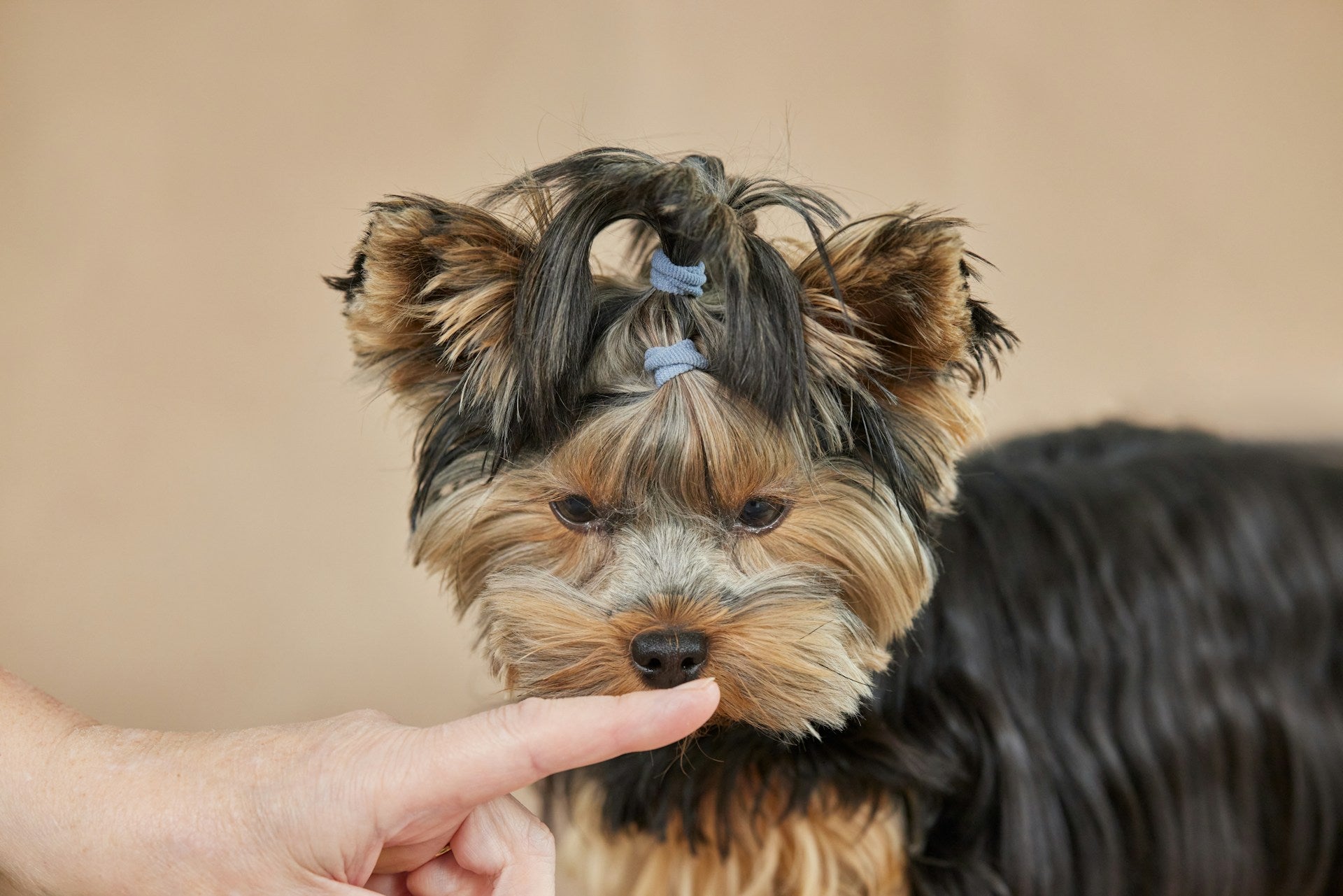
Detanglers help manage knots in long or thick fur. Spray a small amount on problem areas before brushing. This makes the fur easier to comb through without hurting your dog. Conditioners add moisture and reduce static in the coat. They also make the fur softer and shinier.
Choose products made especially for dogs to avoid irritation. Test a small area first to check for any allergic reaction. Using detanglers and conditioners regularly keeps your dog’s coat smooth and healthy.
Credit: tryfurgo.com
Frequently Asked Questions
How Often Should I Brush My Dog’s Coat?
Brushing frequency depends on your dog’s breed and coat type. Long-haired dogs need daily brushing, while short-haired dogs require weekly brushing to remove dirt, prevent mats, and promote healthy skin and fur.
What Type Of Brush Is Best For Dogs?
Choose a brush based on your dog’s coat. Slicker brushes suit long hair, bristle brushes work for short coats, and deshedding tools help reduce shedding. Using the right brush ensures effective grooming and comfort.
How Do I Make Dog Brushing Enjoyable?
Start brushing gently and praise your dog often. Use treats and short sessions to build positive associations. Consistency and patience help your dog relax and enjoy grooming time.
Can Brushing Prevent Dog Health Problems?
Yes, regular brushing removes dirt and loose fur, preventing mats and skin irritations. It also helps you spot parasites, wounds, or infections early, improving your dog’s overall health and comfort.
Conclusion
Brushing your dog keeps their coat healthy and clean. It also helps find skin problems early. Use the right brush for your dog’s fur type. Brush gently to make the experience pleasant. Regular brushing builds trust between you and your pet.
It reduces shedding and prevents mats and tangles. Take time to enjoy this bonding moment daily. A simple routine can improve your dog’s comfort and happiness. Small efforts bring big benefits for your furry friend. Keep brushing simple, and your dog will thank you.

Emily Barker is the founder of ChillDogLife.com, a space dedicated to helping pup parents discover the best dog products, lifestyle tips, and cozy ideas for happier homes.
A lifelong dog lover, Emily combines her passion for pets with a knack for research to share trusted recommendations on everything from toys and furniture to health and everyday care.
Her goal is simple: to make life easier, stylish, and more joyful for dogs and the people who love them.




