
Choosing the right kibble size for your dog might seem simple, but it can make a huge difference in their health and happiness. You want to make sure your furry friend eats comfortably and gets all the nutrients they need.
If the kibble is too big, your dog might struggle to chew it properly. Too small, and it might not satisfy their chewing instincts or could cause digestive issues. You’ll discover exactly how to pick the perfect kibble size for your dog’s breed, age, and chewing habits.
Keep reading to find out how this small change can improve your dog’s mealtime and overall well-being.
Factors Influencing Kibble Size
Choosing the right kibble size isn’t just about what looks best in the bag. Several factors play a crucial role in determining the ideal size for your dog’s food. Getting this right can improve their eating experience and even support their health.
Dog Breed And Size
Different breeds and sizes have different jaw strengths and mouth sizes. A small breed like a Chihuahua needs smaller kibble to chew comfortably and avoid choking. Larger breeds like Great Danes benefit from bigger kibble that encourages chewing and helps clean their teeth.
Think about your dog’s breed and how they eat. Does your dog gulp food quickly or chew slowly? This can guide you to the right size kibble that suits their natural eating habits.
Age And Life Stage
Puppies need smaller, softer kibble that’s easy to chew and digest. As dogs grow, their kibble size should change to match their stronger jaws and different nutritional needs. Senior dogs often require kibble that’s easier to chew due to weaker teeth and gums.
Have you noticed your dog struggling with their kibble? Adjusting the size based on their age could make mealtime more enjoyable and less stressful.
Dental Health Considerations
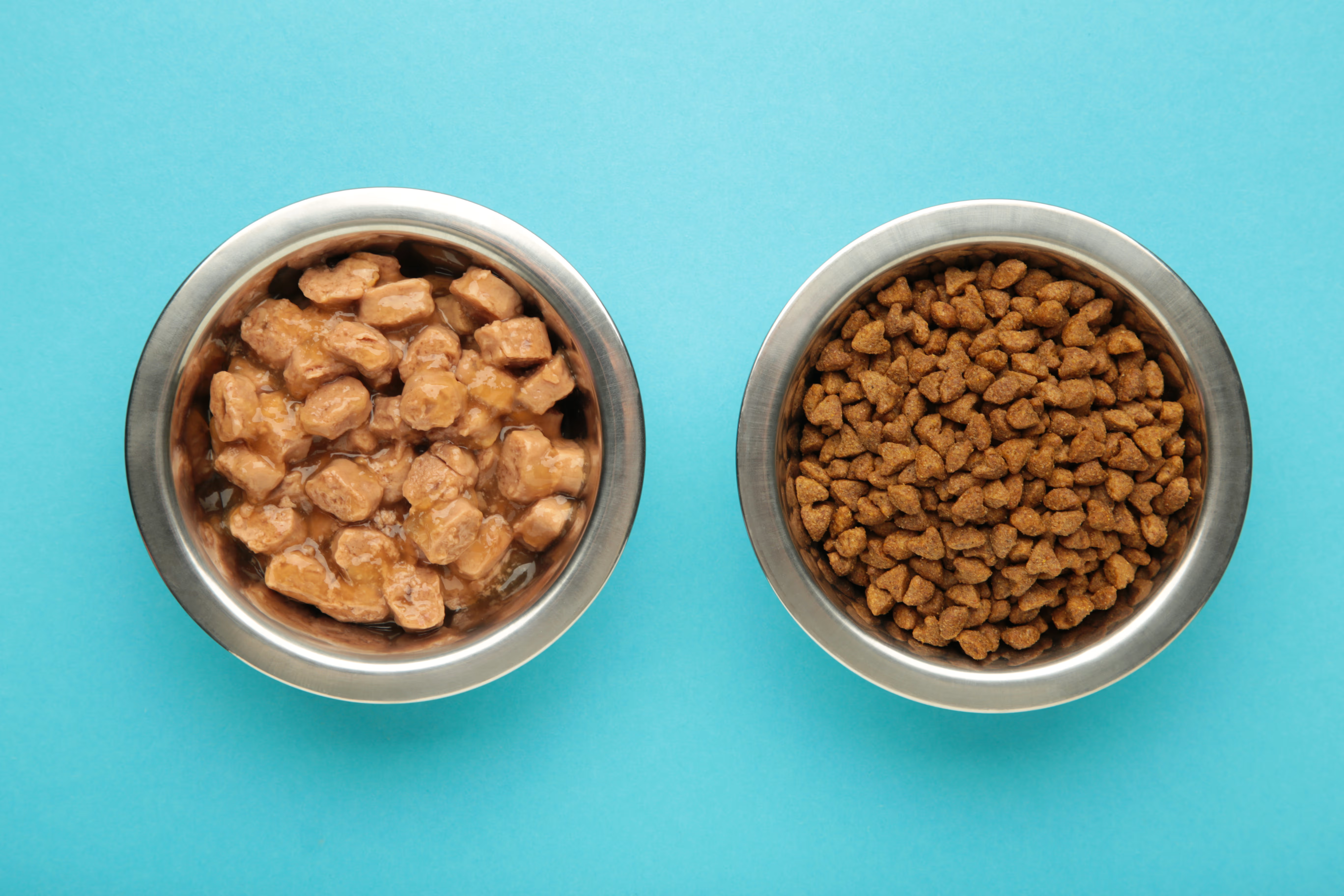
Dental issues can make eating difficult, so kibble size matters here too. Larger kibble can help reduce plaque buildup by encouraging chewing, but if your dog has sensitive teeth or missing teeth, smaller kibble might be necessary.
Consult your vet if your dog has dental problems. They can recommend a kibble size that supports oral health without causing discomfort. What’s your dog’s dental health like, and could kibble size improve their condition?
Credit: www.petco.com
Benefits Of Proper Kibble Size
Choosing the right kibble size for your dog offers many benefits. It helps your dog eat comfortably and stay healthy. Proper kibble size supports digestion, dental health, and overall meal enjoyment. Small changes in kibble size can improve your dog’s daily life.
Improved Digestion
Proper kibble size makes chewing easier for dogs. This helps break down food better before swallowing. Smaller, manageable pieces reduce choking risks and improve nutrient absorption. Dogs digest their food more efficiently, leading to better energy and health.
Enhanced Dental Care
Correct kibble size encourages chewing, which cleans teeth naturally. Chewing reduces plaque buildup and strengthens gums. It can lower the chance of dental problems like cavities and bad breath. Proper kibble size supports your dog’s oral hygiene with every meal.
Better Eating Experience
Kibble that fits your dog’s mouth size improves mealtime comfort. Dogs enjoy their food more and eat at a healthy pace. It prevents gulping or food wastage and reduces stomach upset. A better eating experience helps keep your dog happy and satisfied.
Choosing Kibble For Puppies
Choosing the right kibble for puppies is crucial for their health and happiness. Puppies have smaller mouths and developing teeth. Their food must be easy to chew and digest. Also, their growing bodies need special nutrients. Picking the proper kibble size and type supports strong bones, muscles, and a healthy immune system.
Small, Soft Kibble For Teething
Puppies are teething from about 3 weeks to 6 months old. Small, soft kibble helps soothe sore gums. It also prevents choking and dental issues. Look for kibble designed specifically for puppies. These are usually softer and smaller than adult dog food. Soft kibble encourages puppies to eat without struggle.
Nutritional Needs For Growth
Puppies need more protein, fat, and calories than adult dogs. Their food must support rapid growth and brain development. Essential nutrients include:
- High-quality protein for muscle building
- Fat for energy and brain health
- Calcium and phosphorus for strong bones
- Vitamins and minerals to boost immunity
Choose a puppy formula that meets AAFCO standards. This ensures balanced nutrition for healthy development.
Kibble Size For Adult Dogs
Choosing the right kibble size for adult dogs is important for their eating comfort and health. Adult dogs have different jaw sizes and strengths depending on their breed and size. The right kibble size helps them chew properly and digest food well.
Too small kibble can cause fast eating and choking risks. Too large kibble may be hard to chew and cause frustration. Understanding the balance between size, nutrition, and texture can improve your dog’s mealtime experience.
Matching Size To Jaw Strength
Adult dogs have varied jaw strengths based on their size and breed. Small breeds have weaker jaws and need smaller kibble. Larger dogs have stronger jaws and can handle bigger kibble pieces.
Proper kibble size supports healthy chewing. Chewing helps clean teeth and slows down eating. It also reduces the risk of choking or swallowing large pieces.
Check your dog’s jaw size and strength before choosing kibble. Small dogs like Chihuahuas need kibble less than 10 mm. Medium dogs like Beagles do well with 10-15 mm. Large dogs like Labradors prefer 15 mm or bigger.
Balancing Nutrition And Texture
Kibble size affects not only chewing but also texture and nutrition absorption. Smaller kibble often has a softer texture. Larger kibble tends to be crunchier, which helps dental health.
Nutrition must remain balanced regardless of kibble size. Ensure the kibble has all essential nutrients your dog needs. Check ingredient labels for protein, fats, vitamins, and minerals.
Texture should match your dog’s preference and chewing ability. Some dogs enjoy crunchy kibble while others prefer softer pieces. Mixing sizes or textures can also work well for variety.
Kibble Options For Senior Dogs
Choosing the right kibble size for senior dogs is essential to keep them comfortable and healthy. As dogs age, their chewing ability and nutritional needs change, so the kibble you pick should reflect that. Let’s look at some kibble options designed specifically for senior dogs.
Easier To Chew Formulas
Senior dogs often face dental issues or weaker jaws, making it harder to chew tough kibble. You can find kibble made with smaller, softer pieces that are easier for them to manage. These formulas reduce the risk of choking and encourage your dog to eat without discomfort.
Many brands add moisture or create a texture that breaks down quickly in the mouth. This helps if your dog has missing teeth or sensitive gums. Have you noticed your dog leaving food behind? Trying a softer kibble might solve that problem.
Supporting Joint And Dental Health
Joint stiffness and dental problems are common as dogs grow older. Some senior dog kibbles include ingredients that support healthy joints, like glucosamine and chondroitin. These nutrients can help your dog stay active and comfortable.
Dental health is another focus with senior formulas. Kibble designed to gently clean teeth helps reduce plaque and tartar build-up. This can prevent bad breath and more serious dental issues.
Look for kibble that balances nutrition with these health supports. Have you checked your dog’s food label recently? Ingredients that promote joint and dental health can make a big difference in your dog’s quality of life.
Special Cases And Considerations
Choosing the right kibble size for your dog isn’t always straightforward. Some dogs have unique needs that require special attention. Understanding these special cases can help you make better feeding choices and keep your pet comfortable and healthy.
Dogs With Dental Problems
If your dog has dental issues like broken teeth or gum disease, the size and texture of kibble matter a lot. Large, hard kibble can cause pain or even worsen their condition. Softened or smaller kibble pieces are easier to chew and reduce discomfort.
Sometimes, moistening dry kibble with a bit of water or broth can help. I once noticed my senior dog struggling with his regular dry food, and after switching to smaller, softened kibble, mealtime became stress-free. Have you observed your dog avoiding food or chewing on one side? It might signal dental pain.
Dogs With Feeding Difficulties
Some dogs face challenges when eating due to age, injury, or neurological issues. These dogs may find large kibble hard to pick up or swallow. Smaller kibble sizes or specially shaped pieces can improve their eating experience.
Feeding difficulties also mean you might need to monitor your dog during meals more closely. Offering smaller, more frequent meals with appropriately sized kibble can prevent choking or frustration. Have you tried adjusting kibble size to ease your dog’s feeding routine? It can make a big difference.
Tips For Transitioning Kibble Sizes
Changing your dog’s kibble size isn’t just about swapping one bag for another. It requires care and attention to make sure your pet adjusts comfortably. A smooth transition can prevent digestive issues and keep your dog excited about mealtime.
Gradual Introduction Techniques
Start by mixing a small amount of the new kibble size into your dog’s current food. Gradually increase the new kibble portion over 7 to 10 days. This slow change helps your dog’s digestive system adapt without stress.
Pay attention to how your dog handles the new kibble during this phase. If your dog shows reluctance or has trouble chewing, slow down the transition. Sometimes, even a slight delay can make a big difference.
Try different mixing ratios like:
| Day | Old Kibble (%) | New Kibble (%) |
|---|---|---|
| 1-3 | 75 | 25 |
| 4-6 | 50 | 50 |
| 7-10 | 25 | 75 |
Monitoring Health And Behavior
Watch your dog’s appetite closely throughout the switch. Are they eating as eagerly as before? Any sudden disinterest might mean the new kibble size feels unfamiliar or uncomfortable.
Check for signs like vomiting, diarrhea, or constipation, which can indicate digestive upset. If these occur, pause the transition and consult your vet.
Observe behavior changes such as increased chewing time or frustration. These subtle cues tell you if your dog is coping well or struggling with the new kibble size.
Have you noticed your dog showing signs of discomfort during feeding? Adjusting the kibble size too quickly can cause stress, so patience is key.
Credit: zignature.com
Consulting Your Veterinarian
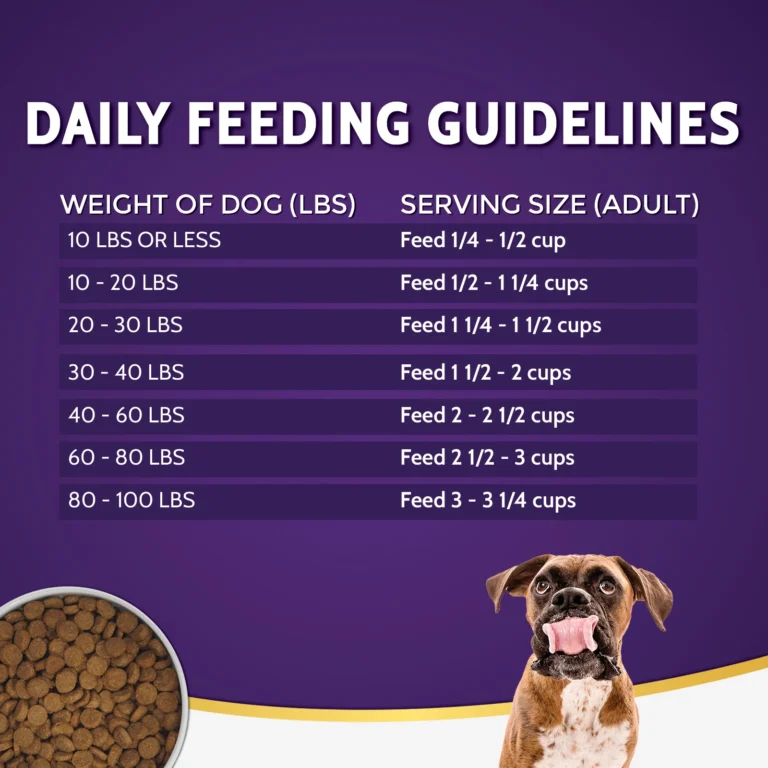
Choosing the right kibble size for your dog is important for their health and comfort. A veterinarian can offer expert advice tailored to your dog’s needs. Their guidance helps avoid problems like choking or poor digestion caused by unsuitable kibble sizes.
Personalized Recommendations
Each dog has unique needs based on breed, age, and health. Your veterinarian considers these factors to suggest the best kibble size. Small dogs often need smaller kibble to chew easily. Larger breeds may require bigger pieces to help with dental health. A vet’s advice ensures your dog eats safely and enjoys mealtime.
Regular Health Checkups
Routine vet visits help monitor your dog’s health and eating habits. Adjustments to kibble size may be needed as your dog grows or ages. Health issues like dental problems or swallowing difficulties can change feeding needs. Regular checkups allow timely updates to your dog’s diet and kibble size for ongoing well-being.

Credit: kookykibble.co.nz
Frequently Asked Questions
What Factors Influence Kibble Size For Dogs?
The size of kibble depends on your dog’s breed, age, and dental health. Small dogs need smaller kibble to avoid choking. Puppies require specially formulated kibble for their developing teeth. Larger dogs can handle bigger kibble sizes. Always consider your dog’s chewing ability and consult your vet for personalized advice.
Can Kibble Size Impact My Dog’s Digestion?
Yes, kibble size can affect digestion. Large kibble might be difficult for small dogs to chew, leading to digestive issues. Conversely, small kibble might cause larger dogs to swallow without proper chewing. Proper chewing aids digestion by breaking down food particles.
Choose a kibble size that promotes optimal chewing and digestion for your dog.
How To Choose The Right Kibble Size For Puppies?
For puppies, select kibble specifically formulated for their growth needs. Puppy kibble is typically smaller and easier to chew. This promotes healthy dental development and aids digestion. Always follow the feeding guidelines on the packaging. Consulting your veterinarian can provide additional guidance tailored to your puppy’s specific needs.
Is It Okay To Mix Different Kibble Sizes?
Mixing kibble sizes is generally safe if your dog can chew both sizes comfortably. It can encourage slower eating and increase interest in meals. However, ensure both kibble types meet your dog’s nutritional needs. Always introduce new foods gradually to monitor for any adverse reactions.
Conclusion
Choosing the right kibble size helps your dog eat comfortably and stay healthy. Small dogs often need smaller kibble to chew easily. Bigger dogs usually prefer larger pieces that suit their jaws. Always watch how your dog eats and adjusts if needed.
Talk to your vet for advice on the best kibble size. Feeding the right kibble keeps your dog happy and strong every day. Simple steps make a big difference in your dog’s health.

Emily Barker is the founder of ChillDogLife.com, a space dedicated to helping pup parents discover the best dog products, lifestyle tips, and cozy ideas for happier homes.
A lifelong dog lover, Emily combines her passion for pets with a knack for research to share trusted recommendations on everything from toys and furniture to health and everyday care.
Her goal is simple: to make life easier, stylish, and more joyful for dogs and the people who love them.




