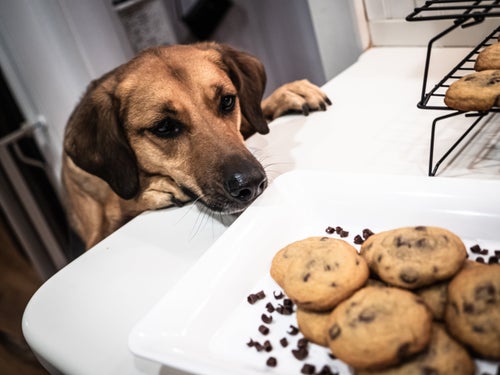
What happens if your dog eats chocolate by accident? If this has ever crossed your mind, you’re not alone—and it’s a question you want answered fast.
Chocolate might seem harmless to us, but for dogs, it can be dangerous. Understanding what goes on inside your dog’s body after chocolate consumption can help you act quickly and protect your furry friend. Keep reading to discover the signs to watch for, how serious the situation might be, and what steps you should take right away to keep your dog safe.
Why Chocolate Is Dangerous
Chocolate looks tasty but hides danger for dogs. It contains substances harmful to their health. Even small amounts can cause serious problems. Understanding why chocolate is risky helps protect your pet from harm.
Toxic Compounds In Chocolate
Chocolate has two main toxins: theobromine and caffeine. Both belong to a group called methylxanthines. Dogs are sensitive to these chemicals. The darker the chocolate, the more toxins it contains. Baking chocolate and dark chocolate hold the highest levels.
Symptoms of poisoning include:
- Vomiting
- Diarrhea
- Rapid breathing
- Increased heart rate
- Tremors or seizures
How Dogs Metabolize Theobromine
Dogs process theobromine much slower than humans. This delay allows toxins to build up in their system. Theobromine affects the heart, brain, and kidneys. It can cause serious damage or even death if untreated.
Small dogs face higher risks due to their size. The same amount of chocolate affects them more strongly. Quick veterinary care is crucial after ingestion. Time is a critical factor to reduce harm.
Signs Of Chocolate Poisoning
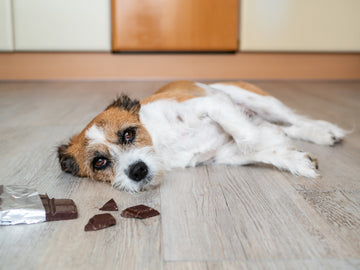
Recognizing the signs of chocolate poisoning in dogs is crucial for quick action. Chocolate contains substances that can harm your dog’s health. Symptoms can appear within hours after ingestion. Early detection helps prevent serious health problems.
Early Symptoms To Watch
- Restlessness or hyperactivity
- Excessive panting
- Increased heart rate
- Vomiting
- Diarrhea
- Excessive thirst
- Tremors or shaking
- Frequent urination
These signs often show up soon after your dog eats chocolate. They might seem uneasy or nervous. Watch closely for any changes in behavior.
Severe Reactions And Risks
- Seizures
- Muscle rigidity
- Rapid or irregular heartbeat
- Collapse or loss of consciousness
- Internal bleeding
- Coma
- Death in extreme cases
Severe symptoms need immediate veterinary care. The risk grows with the amount and type of chocolate eaten. Dark chocolate and baking chocolate are more dangerous than milk chocolate. Quick treatment can save your dog’s life.
Factors Affecting Toxicity
Understanding the factors that affect chocolate toxicity in dogs is crucial if your furry friend accidentally eats some. Not all chocolates are equally dangerous, and your dog’s unique characteristics can change how harmful the chocolate is. Knowing these details can help you act quickly and effectively.
Type And Amount Of Chocolate
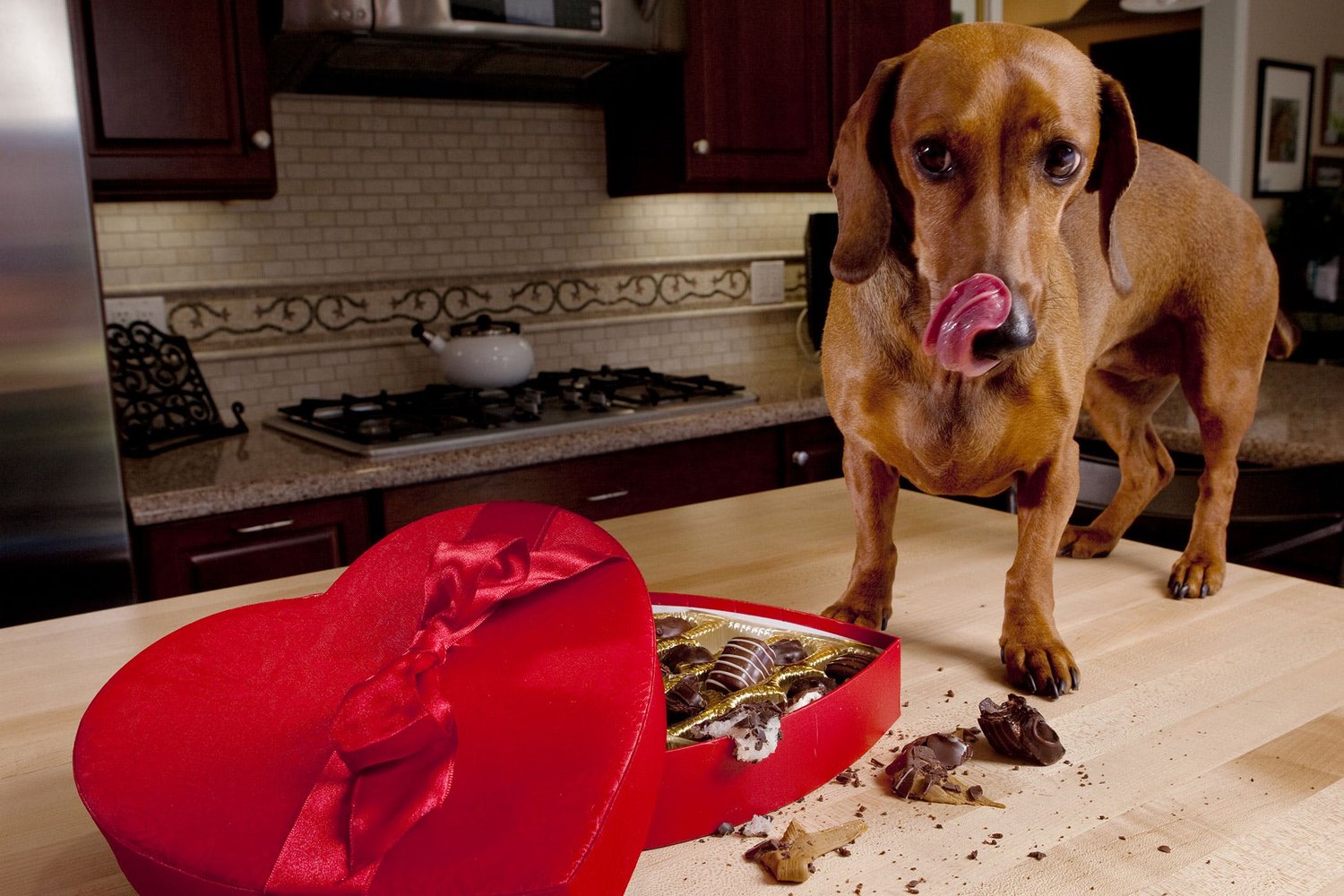
Different types of chocolate contain varying levels of theobromine, the toxic compound for dogs. Dark chocolate and baking chocolate have much higher theobromine levels than milk chocolate. Even a small piece of dark chocolate can be risky, while larger amounts of milk chocolate are usually needed to cause problems.
Think about the exact type of chocolate your dog ate. Was it a few M&M’s, a slice of chocolate cake, or a square of bitter baking chocolate? This information helps you estimate the risk and decide if a vet visit is necessary.
Dog’s Size And Health
The size and health of your dog play a big role in how chocolate affects them. Smaller dogs have less body weight to dilute the toxic compounds, making even small amounts dangerous. Larger dogs can sometimes tolerate more before symptoms appear.
Health conditions like heart or kidney problems can worsen chocolate toxicity. If your dog has any pre-existing health issues, you should be extra cautious and consult your vet immediately. Have you noticed your dog’s reaction after eating a treat before? That can give clues about their sensitivity.
Credit: www.wagstowiskers.com
Immediate Actions To Take
Knowing what to do right after your dog eats chocolate is vital. Acting quickly can reduce risks and improve outcomes. Focus on observing your dog’s condition closely and deciding when professional help is needed.
Assessing Your Dog’s Condition
Check for signs of chocolate poisoning immediately. Look for vomiting, diarrhea, restlessness, or rapid breathing. Note any unusual behavior like shaking or weakness. Smaller dogs and darker chocolate increase the risk. Record how much and what type of chocolate your dog ate. This helps the vet assess severity. Stay calm and keep your dog comfortable.
When To Contact A Vet
Call your veterinarian as soon as you notice symptoms. Contact emergency services if your dog shows seizures or collapses. Provide details about your dog’s size, chocolate type, and amount eaten. The vet may advise you to bring your dog in. Do not try to induce vomiting without vet guidance. Early treatment can prevent serious health issues and save lives.
Veterinary Treatments
When a dog eats chocolate by accident, quick veterinary care is vital. Chocolate contains substances toxic to dogs, like theobromine and caffeine. These can cause serious health problems. Veterinary treatments focus on stopping toxin absorption and supporting the dog’s recovery. The vet will act fast to reduce harm and keep the dog safe.
Common Medical Interventions
Veterinarians use several treatments depending on the chocolate amount and dog’s size. They often start with inducing vomiting to remove chocolate from the stomach. Activated charcoal may be given to limit toxin absorption in the gut. Fluids are given through an IV to keep the dog hydrated and flush toxins. Medicines might be used to control symptoms like seizures or irregular heartbeat.
- Inducing vomiting to clear stomach
- Activated charcoal to block toxin absorption
- IV fluids for hydration and detox
- Medications for seizures and heart issues
- Monitoring heart rate and breathing
Recovery Process
Recovery varies by the chocolate amount and treatment speed. Dogs usually stay at the clinic for observation. This helps vets watch for delayed symptoms. Most dogs recover fully with prompt care. The vet will advise on diet and rest at home. Follow-up visits may be needed to check health. Quick treatment improves chances of full recovery.

Credit: www.petscare.com
Preventing Future Incidents
Preventing your dog from eating chocolate again is very important. Dogs are curious and often sniff out food. Taking simple steps stops accidents and keeps your pet safe. Both careful storage and good training reduce risks.
Safe Storage Tips
- Keep chocolate in high cabinets or locked drawers.
- Use containers with tight lids to block smells.
- Do not leave chocolate unattended on tables or counters.
- Throw away chocolate wrappers immediately after use.
- Inform family and guests about the dangers of chocolate for dogs.
Training Your Dog
- Teach your dog the “leave it” command clearly.
- Reward your dog when it ignores food on the floor.
- Practice regular obedience to improve control during walks.
- Use distractions like toys to divert attention from food.
- Be consistent and patient; training takes time to stick.
Credit: www.dutch.com
Frequently Asked Questions
What Should I Do If My Dog Eats Chocolate?
If your dog eats chocolate, contact your veterinarian immediately. Chocolate contains theobromine, which is toxic to dogs. Monitor your dog for symptoms like vomiting or diarrhea. Depending on the amount and type of chocolate consumed, your vet may suggest bringing your dog in for examination or inducing vomiting to prevent further absorption.
Why Is Chocolate Bad For Dogs?
Chocolate is harmful to dogs due to theobromine and caffeine. These compounds are toxic to dogs and can cause symptoms like vomiting, diarrhea, and increased heart rate. Dark chocolate and baking chocolate have higher theobromine levels, making them more dangerous than milk chocolate.
Always keep chocolate out of your dog’s reach.
How Much Chocolate Is Dangerous For Dogs?
The danger level depends on the chocolate type and dog size. Dark chocolate and baking chocolate are more toxic than milk chocolate. Even small amounts can be dangerous for small dogs. Larger dogs may tolerate slightly more, but it’s best to consult your vet to assess the risk.
What Are Symptoms Of Chocolate Poisoning In Dogs?
Symptoms of chocolate poisoning in dogs include vomiting, diarrhea, and increased heart rate. Other signs are restlessness, excessive thirst, and seizures in severe cases. If you notice these symptoms, contact your veterinarian immediately. Quick action can help mitigate serious health risks associated with chocolate ingestion.
Conclusion
Chocolate can be very harmful to dogs. Even small amounts might cause illness. Watch your dog closely after eating chocolate. Contact a vet right away for help. Acting fast can save your dog’s life. Keep chocolate and sweets out of reach.
Stay alert and protect your pet always. Taking quick action shows you care. Your dog’s health depends on your care. Stay safe and keep your dog healthy.

Emily Barker is the founder of ChillDogLife.com, a space dedicated to helping pup parents discover the best dog products, lifestyle tips, and cozy ideas for happier homes.
A lifelong dog lover, Emily combines her passion for pets with a knack for research to share trusted recommendations on everything from toys and furniture to health and everyday care.
Her goal is simple: to make life easier, stylish, and more joyful for dogs and the people who love them.




