
Have you ever wondered what a dog sounds like when it has kennel cough? If your furry friend starts making strange noises, it can be worrying.
Kennel cough is a common illness, but its sounds can be confusing and alarming. Understanding these sounds will help you recognize when your dog needs care. Keep reading to discover the telltale signs in your dog’s cough and how to respond quickly to keep your pet healthy and happy.
Credit: www.goodrx.com
Kennel Cough Basics
Kennel cough is a common respiratory infection in dogs. It causes a strong, persistent cough. The cough can sound harsh, dry, or like a honking noise. This condition spreads quickly among dogs in close contact. Understanding kennel cough helps pet owners recognize signs early. Quick action can prevent worsening and protect other dogs.
Causes Of Kennel Cough
Kennel cough is caused by several bacteria and viruses. The most common is Bordetella bronchiseptica. Viruses like canine parainfluenza and adenovirus also play a role. These germs infect the dog’s throat and airways. The infection irritates the dog’s throat, causing that telltale cough. Crowded places like kennels or dog parks increase exposure risk.
How It Spreads
Kennel cough spreads easily through the air and direct contact. Dogs breathe in droplets when an infected dog coughs or sneezes. Sharing water bowls, toys, or bedding can pass germs. Close, prolonged contact makes transmission more likely. Dogs can spread the infection before symptoms appear. This makes early isolation important to stop the spread.
.png)
Credit: drfrommdvm.com
Typical Sounds Of Kennel Cough
Dogs with kennel cough make distinct sounds. These sounds can be alarming. Understanding them helps in identifying the condition. Each sound has its own characteristics. Recognizing these sounds is crucial for pet owners.
Dry Hacking Cough
The dry hacking cough is the most common. It sounds like a persistent hack. This cough is dry and harsh. It can resemble a human cough. The sound often repeats throughout the day. Dogs may appear distressed while coughing.
Goose Honking Noise
Some dogs make a goose honking noise. This sound is loud and startling. It resembles the honk of a goose. This noise is unique to kennel cough. It can be mistaken for choking. Listening closely helps in identifying it.
Gagging And Wheezing
Gagging often follows the cough. Dogs may retch or gag after coughing. Wheezing can also be present. It occurs when a dog breathes with difficulty. The wheeze is a high-pitched sound. It signals irritation in the airways.
Recognizing Severity In Sounds
Recognizing the severity of your dog’s cough helps you act fast. Dogs with kennel cough make different sounds depending on how sick they are. Learning these sounds can help you spot when your dog needs a vet.
Listen closely to the cough. Notice if it is dry or moist, short or long, soft or harsh. These clues tell a lot about your dog’s health and the stage of kennel cough.
Mild Vs. Severe Coughing
Mild coughing usually sounds soft and occasional. It may sound like a dry, hacking cough that stops quickly. Your dog might still be active and eating well. This type of cough often means the illness is in the early stages or mild.
Severe coughing is louder and more frequent. It can sound harsh or deep, sometimes like a honking noise. Your dog may struggle to breathe or have trouble eating. This kind of cough shows the infection has worsened and needs urgent care.
When Sounds Indicate Complications
Sounds like wheezing, gurgling, or continuous coughing are warning signs. They suggest fluid or mucus in the lungs. Your dog might also make choking or gagging noises. These sounds mean complications like pneumonia may be developing.
Pay attention to any change in your dog’s cough. Sudden hoarseness or loss of bark can also mean serious problems. Such symptoms require immediate veterinary attention to prevent harm.
Other Signs Accompanying The Cough
When your dog has kennel cough, the cough itself is often the first thing you notice. But there are other signs that can help you understand how serious the infection might be. Paying attention to these additional symptoms can guide you in deciding when to seek veterinary care and how to make your dog more comfortable.
Sneezing And Nasal Discharge
Sneezing often comes alongside kennel cough, signaling irritation in your dog’s respiratory tract. You might also see a clear or slightly thick nasal discharge. This happens because the infection causes inflammation in the nose and throat areas.
If you notice your dog constantly sneezing or rubbing their nose, it’s a sign they are uncomfortable and struggling to breathe easily. Watch if the discharge changes color to yellow or green, as this may mean a secondary infection is developing.
Lethargy And Loss Of Appetite
Your dog might seem unusually tired or uninterested in activities they usually enjoy. This drop in energy happens because their body is fighting off the infection. You might find it hard to get them to eat, even if you offer their favorite treats.
Don’t ignore these signs, as they suggest your dog’s immune system is under stress. Keeping track of how long your dog stays lethargic or refuses food can help you and your vet decide if more treatment is needed.
When To Seek Veterinary Care
Knowing when to seek veterinary care for your dog with kennel cough is crucial. Not every cough needs an immediate vet visit, but certain signs can indicate a more serious problem. Paying close attention to your dog’s symptoms can help you act quickly and protect their health.
Persistent Or Worsening Cough
If your dog’s cough lasts more than two weeks or gets worse over time, it’s time to consult a vet. A cough that won’t quit could signal complications like a secondary infection or pneumonia. Don’t wait for the cough to disappear on its own—early treatment can prevent serious issues.
Ask yourself: Is the cough keeping your dog from resting or eating? If yes, this is a clear sign that professional care is needed. Your vet can provide medications to ease discomfort and fight infections.
Breathing Difficulties
Difficulty breathing is a red flag that demands immediate veterinary attention. Rapid, labored, or noisy breathing can indicate airway obstruction or severe inflammation. These symptoms can quickly become life-threatening if ignored.
Has your dog been gasping for air or showing signs of distress? If so, don’t hesitate to get emergency care. Your vet can perform tests and provide oxygen or other treatments to stabilize your dog.

Credit: www.rover.com
Preventing Kennel Cough Sounds
Preventing kennel cough sounds is key to keeping your dog healthy and happy. Kennel cough causes harsh, dry coughing that can stress your dog. Taking simple steps helps avoid this uncomfortable condition.
Vaccination Importance
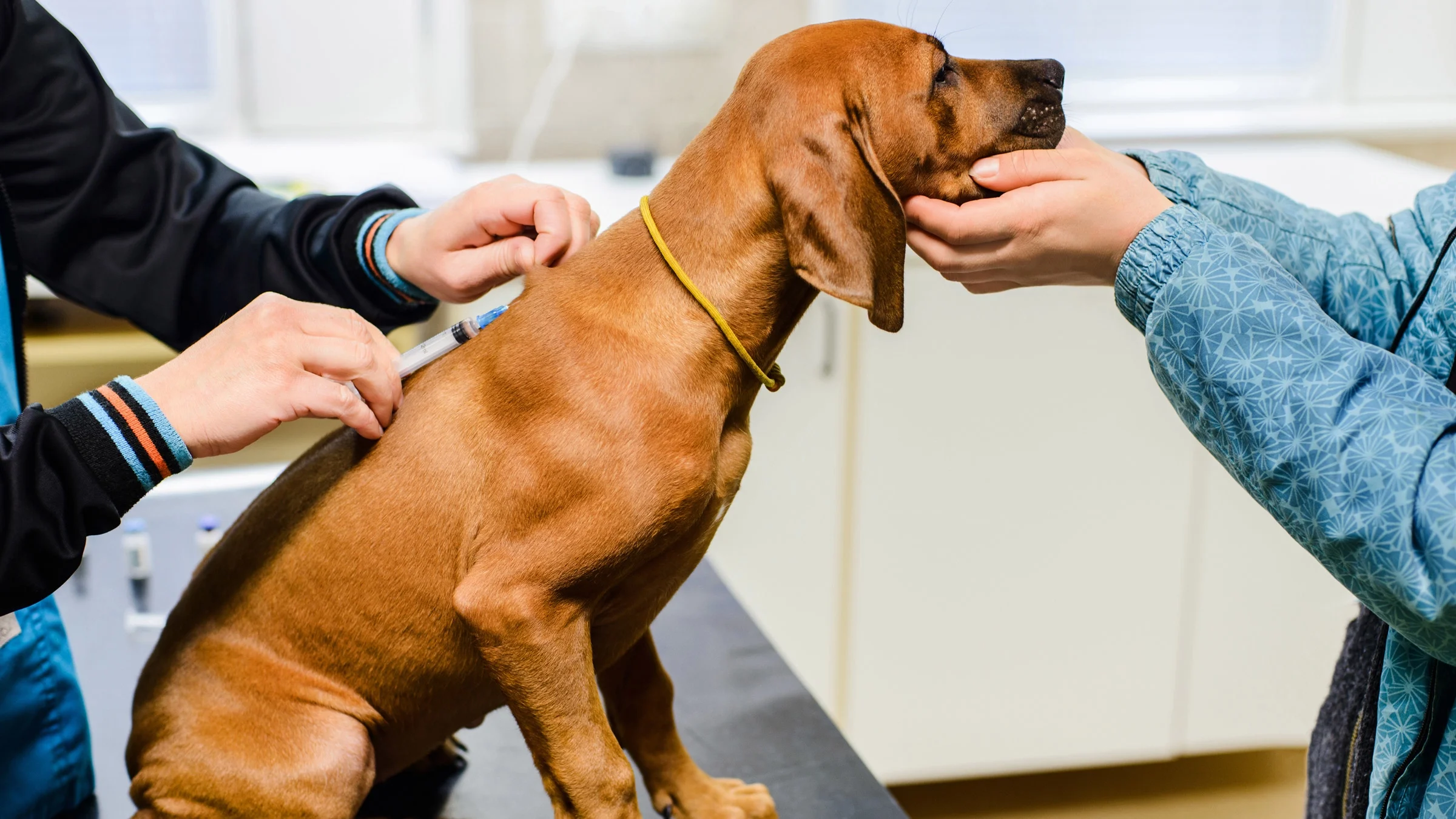
Vaccination protects your dog from the bacteria and viruses that cause kennel cough. It builds strong immunity and lowers infection risk. Vaccines are safe and effective. Regular booster shots keep protection active. Ask your vet about the best vaccination plan for your dog.
Avoiding High-risk Environments
Keep your dog away from places with many dogs during outbreaks. Dog parks, boarding kennels, and grooming salons can spread kennel cough. Clean and ventilated spaces reduce risk. Monitor your dog’s health after visits to public places. Early rest and care help stop coughing sounds from worsening.
Frequently Asked Questions
What Does A Dog With Kennel Cough Sound Like?
A dog with kennel cough often has a harsh, dry, and hacking cough. It may sound like a honking or gagging noise. This distinct cough is usually persistent and worsens after exercise or excitement.
How Can Kennel Cough Affect A Dog’s Bark?
Kennel cough can make a dog’s bark hoarse and raspy. The infection irritates the throat, causing a change in the bark’s tone. Dogs may bark less due to discomfort or throat pain.
Is Kennel Cough Contagious To Other Dogs?
Yes, kennel cough is highly contagious among dogs. It spreads through airborne droplets, direct contact, or shared items. Infected dogs should be isolated to prevent transmission.
How Long Does Kennel Cough Coughing Last?
Coughing from kennel cough typically lasts 1 to 3 weeks. In mild cases, dogs recover without treatment. Severe cases may need veterinary care and longer recovery.
Conclusion
Dogs with kennel cough make dry, harsh coughing sounds. This cough can seem constant and rough. Often, it sounds like a honking noise. You may hear sneezing or gagging too. These sounds show your dog needs care. Watch for other signs like tiredness or loss of appetite.
Early action helps your dog heal faster. Keep your dog away from other pets to stop spreading. Understanding these sounds helps you protect your dog’s health. Stay alert and contact a vet if the cough lasts long.

Emily Barker is the founder of ChillDogLife.com, a space dedicated to helping pup parents discover the best dog products, lifestyle tips, and cozy ideas for happier homes.
A lifelong dog lover, Emily combines her passion for pets with a knack for research to share trusted recommendations on everything from toys and furniture to health and everyday care.
Her goal is simple: to make life easier, stylish, and more joyful for dogs and the people who love them.




