Are you thinking about spaying your female dog but unsure if it’s the right choice? Understanding the benefits of spaying can help you make the best decision for your furry friend’s health and happiness.
From preventing serious health problems to improving behavior, spaying offers many advantages that directly impact your dog’s quality of life. Keep reading to discover why spaying is more than just a routine procedure—it’s a step toward a healthier, happier future for your beloved companion.

Credit: zigly.com
Health Benefits
Spaying your female dog offers significant health benefits. It helps protect her from serious illnesses. Many common health problems become rare or do not occur at all after spaying. This simple surgery can extend your dog’s life and improve her quality of life.
Prevention Of Uterine Infections
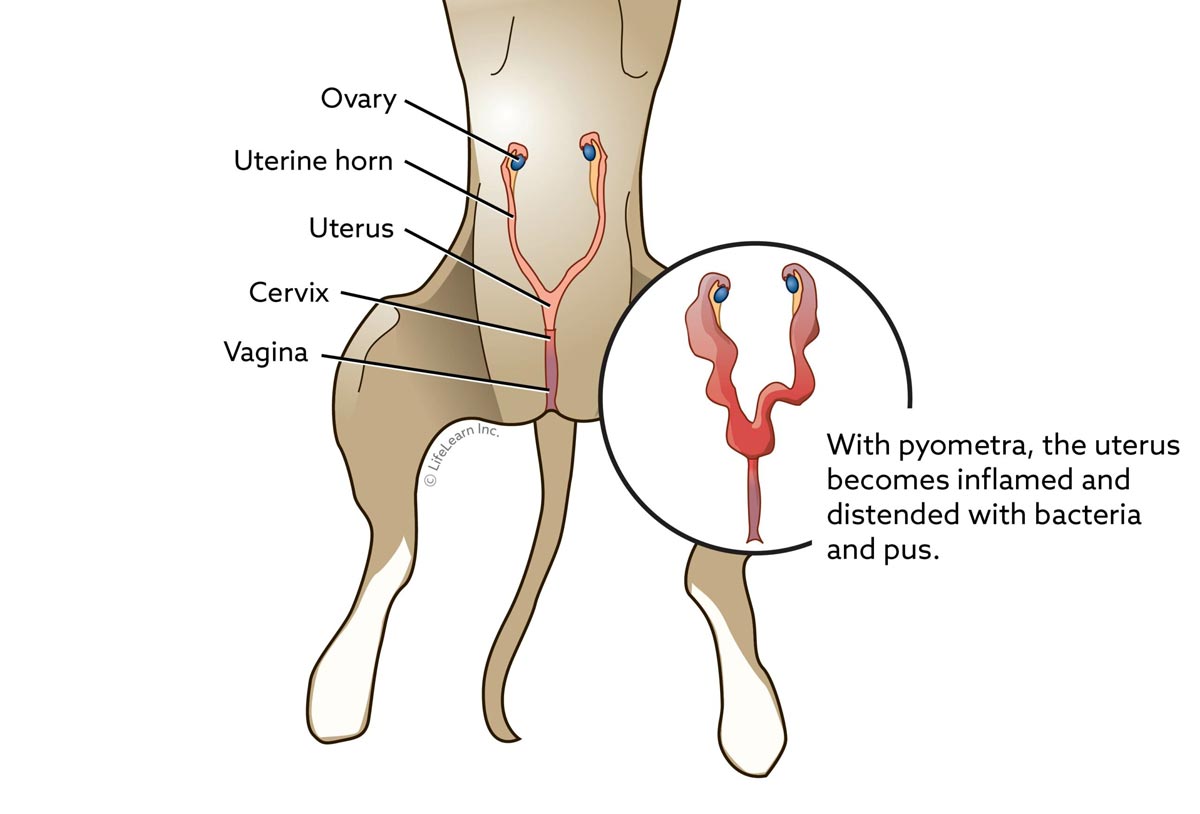
Spaying removes the uterus, which stops uterine infections completely. Pyometra, a severe infection, is common in older unspayed females. This infection can be life-threatening and requires emergency treatment. Spaying eliminates this risk, keeping your dog safer and healthier.
Reduced Risk Of Mammary Tumors
Spaying lowers the chance of mammary tumors, especially if done early. Mammary tumors are often cancerous and can be deadly. The earlier a dog is spayed, the greater the protection. This surgery reduces hormone levels that fuel tumor growth.
Elimination Of Ovarian And Uterine Cancers
Removing the ovaries and uterus completely removes the risk of cancers in these organs. Ovarian and uterine cancers are rare but serious. Spaying prevents these cancers from ever developing. This adds peace of mind for any dog owner.
Credit: southeastoakvillevet.ca
Behavioral Improvements
Spaying your female dog often leads to noticeable behavioral improvements that can make life easier for both you and your pet. These changes aren’t just about preventing unwanted puppies; they also help create a calmer, happier companion. Understanding these benefits can help you decide if spaying is right for your dog.
Decreased Aggression And Anxiety
Spaying can significantly reduce aggressive behaviors often linked to hormonal changes. Many owners notice their dogs become less irritable and more relaxed after the surgery. If your dog has shown signs of anxiety during certain times of the month, spaying may help stabilize her mood.
Reduced Heat Cycle Discomfort
The heat cycle can be stressful for your dog and for you. Spaying eliminates this cycle, which means no more bleeding, mood swings, or restlessness. Imagine not having to worry about managing these symptoms every few months—both your dog’s comfort and your peace of mind improve.
Lowered Urge To Roam
Female dogs in heat often try to escape to find a mate, putting them at risk of accidents or getting lost. After spaying, this instinctual urge to roam usually disappears. Keeping your dog safe at home becomes easier, and you won’t have to constantly watch for escape attempts.
Population Control
Population control is a key reason to spay your female dog. It helps manage the number of dogs born each year. This control can reduce many problems linked to too many pets. Spaying supports a healthier community for animals and people alike.
Prevention Of Unwanted Litters
Spaying stops female dogs from having puppies. This prevents surprise litters that owners might not expect. Unplanned puppies often struggle to find good homes. Preventing these litters lowers the chance of dogs ending up homeless or in shelters.
Impact On Pet Overpopulation
Too many dogs can cause serious issues. Overpopulation leads to crowded shelters and more stray animals. Spaying helps reduce the number of stray dogs on the streets. It eases pressure on animal shelters and rescue groups. Less overpopulation means fewer animals suffer from neglect or harm.
Community Benefits
A controlled pet population creates a safer neighborhood. Fewer stray dogs reduce noise and traffic risks. Spayed dogs are less likely to roam or fight. Communities save money on animal control and shelter costs. Healthy, controlled pet populations improve life for everyone.
Timing And Age Considerations
Choosing the right time to spay your female dog is important for her health. Age plays a big role in how she recovers and benefits from the surgery. Understanding the best age and risks helps pet owners make smart decisions. This section explains the key points to consider about timing and age for spaying.
Best Age For Spaying
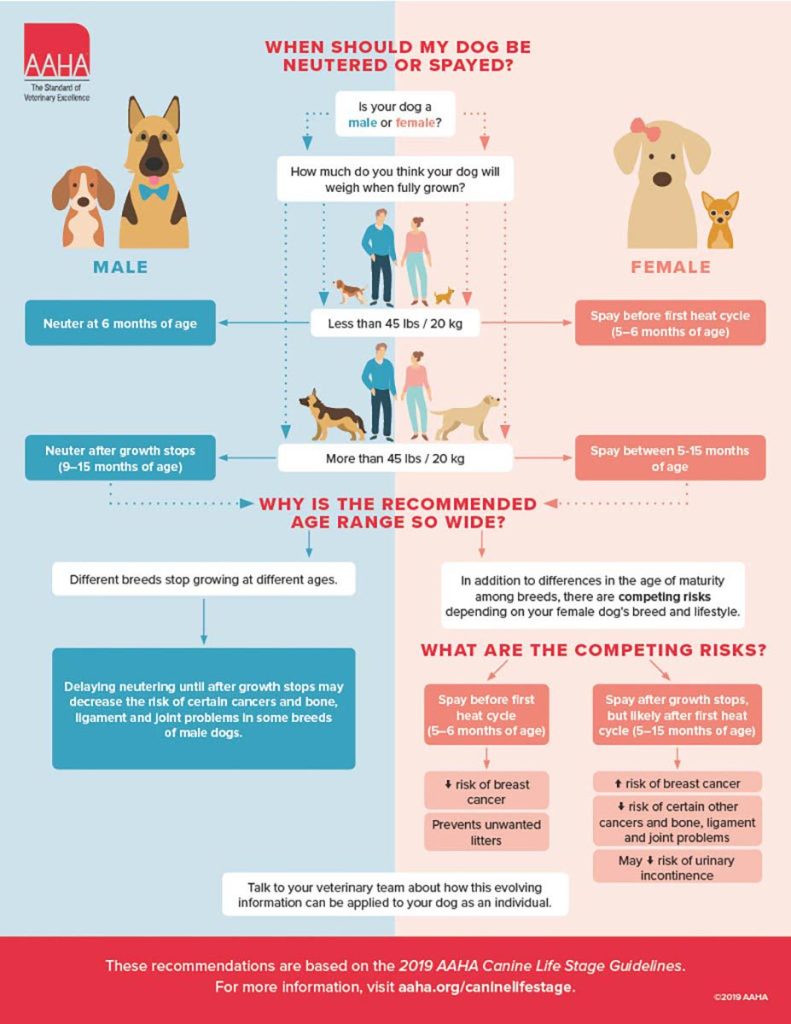
The ideal age to spay a female dog is usually before her first heat cycle. This often means around 6 months old. Spaying before the first heat lowers the risk of certain cancers and infections. Some vets recommend spaying as early as 8 weeks for small breeds. Larger breeds might benefit from waiting until 12 to 18 months. This allows their bones to mature properly. Always talk to your vet about your dog’s breed and health.
Risks Of Early Vs. Late Spaying
Early spaying can reduce the chance of mammary tumors and uterine infections. Yet, it might increase risks like joint problems or certain cancers in some breeds. Late spaying means the dog goes through heat cycles. This can lead to unwanted pregnancies and infections. Waiting too long may increase the risk of mammary cancer. It can also cause behavioral issues during heat. The balance depends on your dog’s size, breed, and lifestyle.
Post-surgery Care
Proper care after spaying surgery is vital for your dog’s swift recovery. It reduces risks and ensures comfort during healing. Knowing what to expect and how to assist helps your dog get back to her happy self quickly. Focus on gentle care and close observation in the days following surgery.
Recovery Tips
- Keep your dog calm and limit her movement to prevent strain.
- Provide a quiet, warm, and comfortable resting area.
- Use an Elizabethan collar to stop licking or biting at the incision site.
- Follow the vet’s instructions on medication and feeding schedules.
- Check the incision daily for swelling, redness, or discharge.
- Avoid baths or swimming until the vet clears it.
- Offer plenty of fresh water and light meals initially.
Signs Of Complications
- Excessive bleeding or swelling around the incision.
- Foul smell or pus coming from the wound.
- Persistent vomiting or diarrhea.
- Loss of appetite lasting more than 24 hours.
- Difficulty breathing or extreme lethargy.
- High fever or shivering.
- Continuous whining or signs of pain.
Long-term Health Monitoring
Spaying reduces many health risks but does not eliminate all. Regular vet visits help track your dog’s overall health.
Keep an eye on her weight and activity levels. Healthy diet and exercise support recovery and future well-being.
Watch for any unusual behavior or health changes. Early detection of issues leads to better treatment outcomes.

Credit: backbayvet.com
Frequently Asked Questions
Why Should I Spay My Female Dog?
Spaying your female dog offers numerous health benefits. It reduces the risk of uterine infections and breast tumors. Spaying also prevents unwanted pregnancies, which helps control the pet population. Additionally, spayed dogs often have better temperaments and reduced behavioral issues, making them easier to manage.
Does Spaying Affect My Dog’s Lifespan?
Spaying can positively impact your dog’s lifespan. It reduces the risk of certain cancers and infections. Spayed dogs often lead healthier, longer lives compared to those that aren’t spayed. By preventing reproductive diseases, spaying contributes to your dog’s overall well-being and longevity.
Is Spaying My Dog Cost-effective?
Spaying your dog is a cost-effective choice. It prevents expensive medical treatments for reproductive diseases. The initial cost of the surgery is outweighed by the long-term savings on healthcare. Additionally, avoiding the costs of caring for unwanted puppies adds to the financial benefits.
How Does Spaying Impact My Dog’s Behavior?
Spaying can positively affect your dog's behavior. It often leads to reduced aggression and marking. Without the hormonal influence, spayed dogs tend to be calmer and more focused. This makes training easier and enhances your dog’s overall quality of life.
Conclusion
Spaying your female dog helps keep her healthy and happy. It lowers the risk of some cancers and infections. Your dog will not go into heat, which means less mess and stress. Spaying also helps control the pet population. It can make your dog calmer and better behaved.
The surgery is common and safe when done by a vet. Choosing to spay shows you care about your dog’s life. A healthy dog means a happy family too. Think about these benefits for your furry friend today.

Emily Barker is the founder of ChillDogLife.com, a space dedicated to helping pup parents discover the best dog products, lifestyle tips, and cozy ideas for happier homes.
A lifelong dog lover, Emily combines her passion for pets with a knack for research to share trusted recommendations on everything from toys and furniture to health and everyday care.
Her goal is simple: to make life easier, stylish, and more joyful for dogs and the people who love them.




